neuroscience · publications · slides

My PhD Thesis “Understanding Information Processing in Human Brain by Interpreting Machine Learning Models”

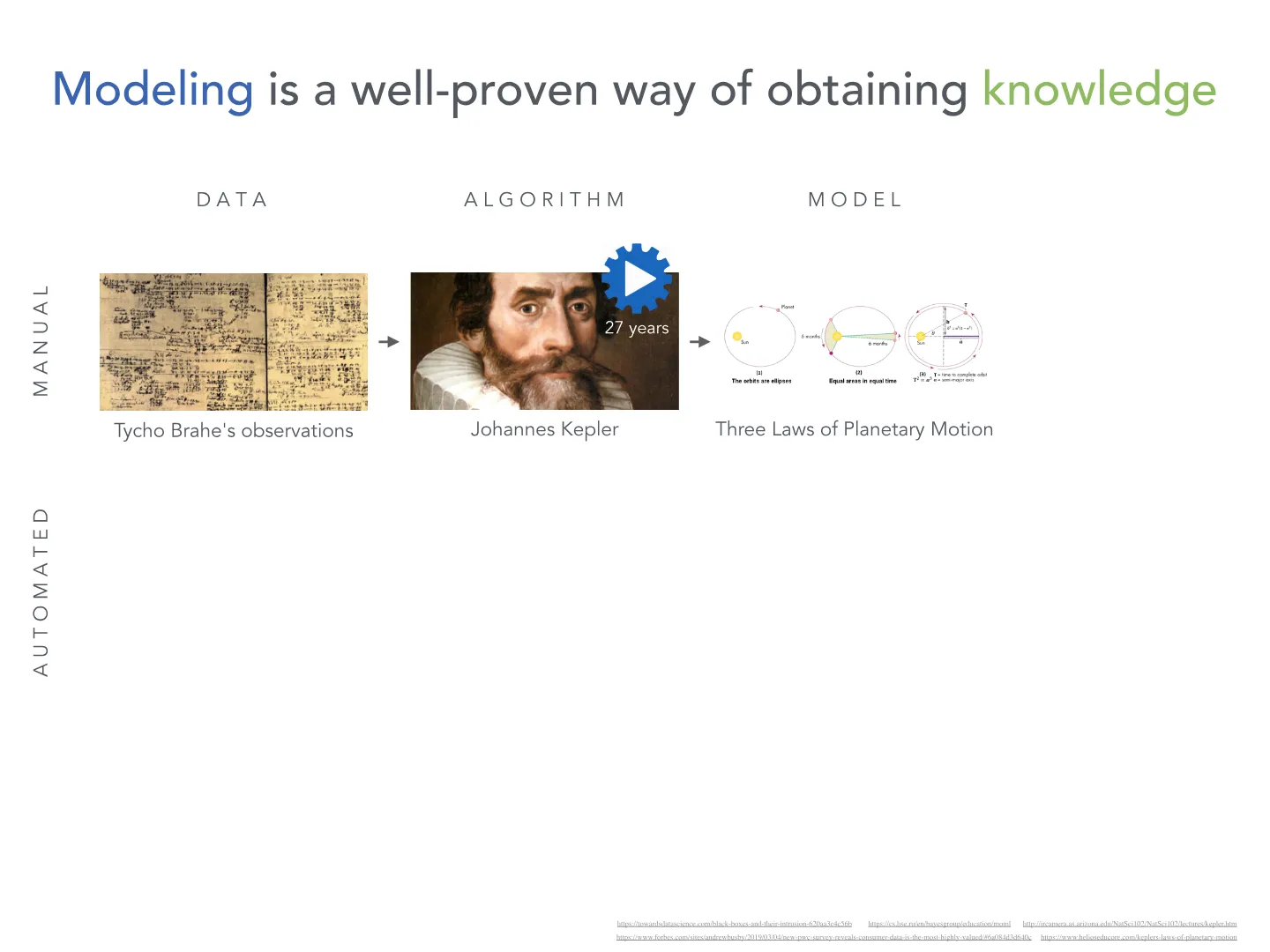
It has been a very long time since humans began to use their reasoning machinery — the brain — to reason, among other things, about that same reasoning machinery itself. Some claim that such self-referential understanding is impossible to attain in full, but others are still trying and call it Neuroscience. The approach we take is the very same we use to understand almost any other phenomenon — observe, collect data, infer knowledge from the data and formalize the knowledge into elegant descriptions of reality. In neuroscience we came to refer to this latter component as modeling. Many aspects of the phenomenon in question were addressed and explained using this approach by neuroscientists over the years. Some aspects remain unexplained, some others even unaddressed.

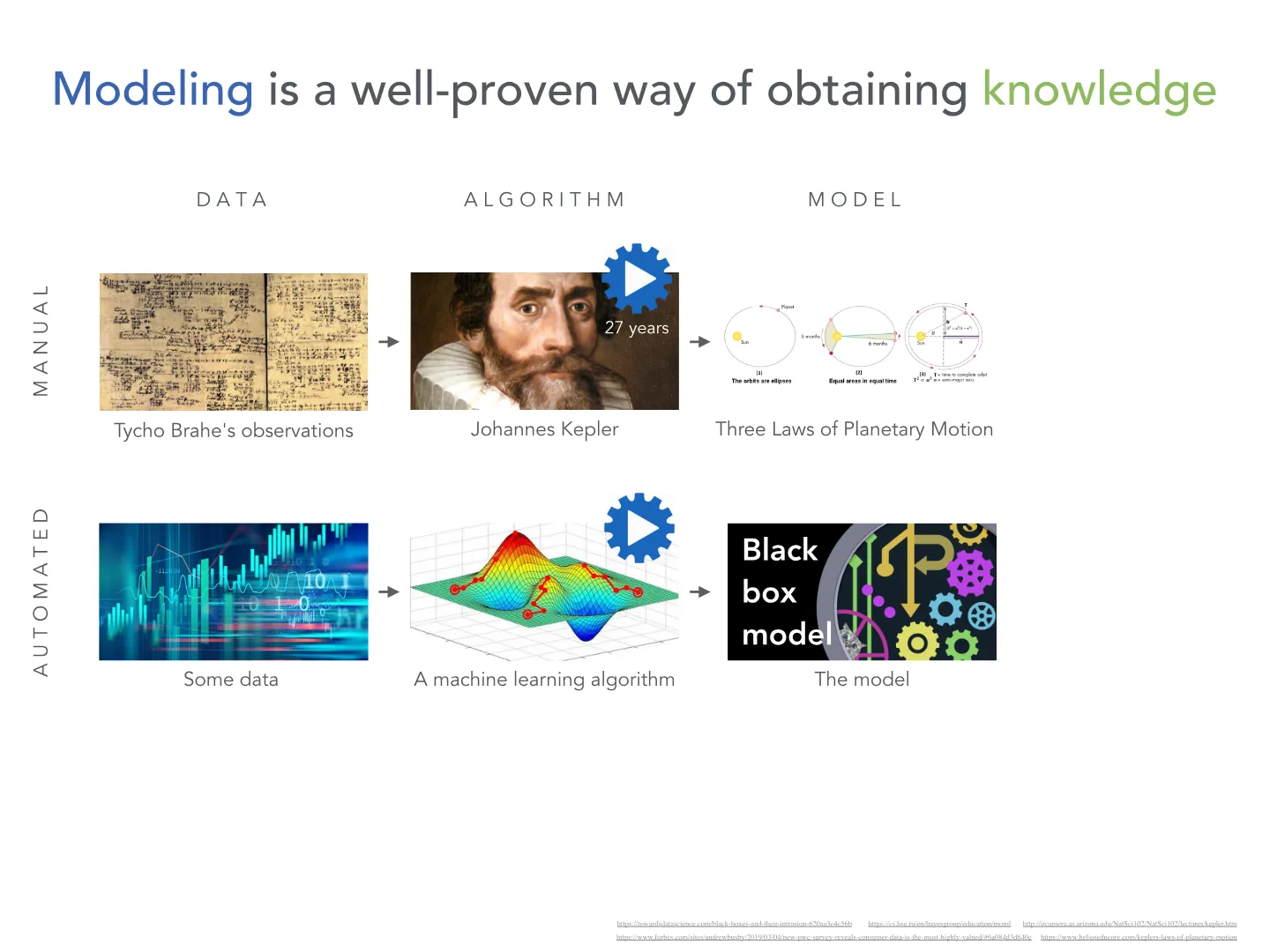
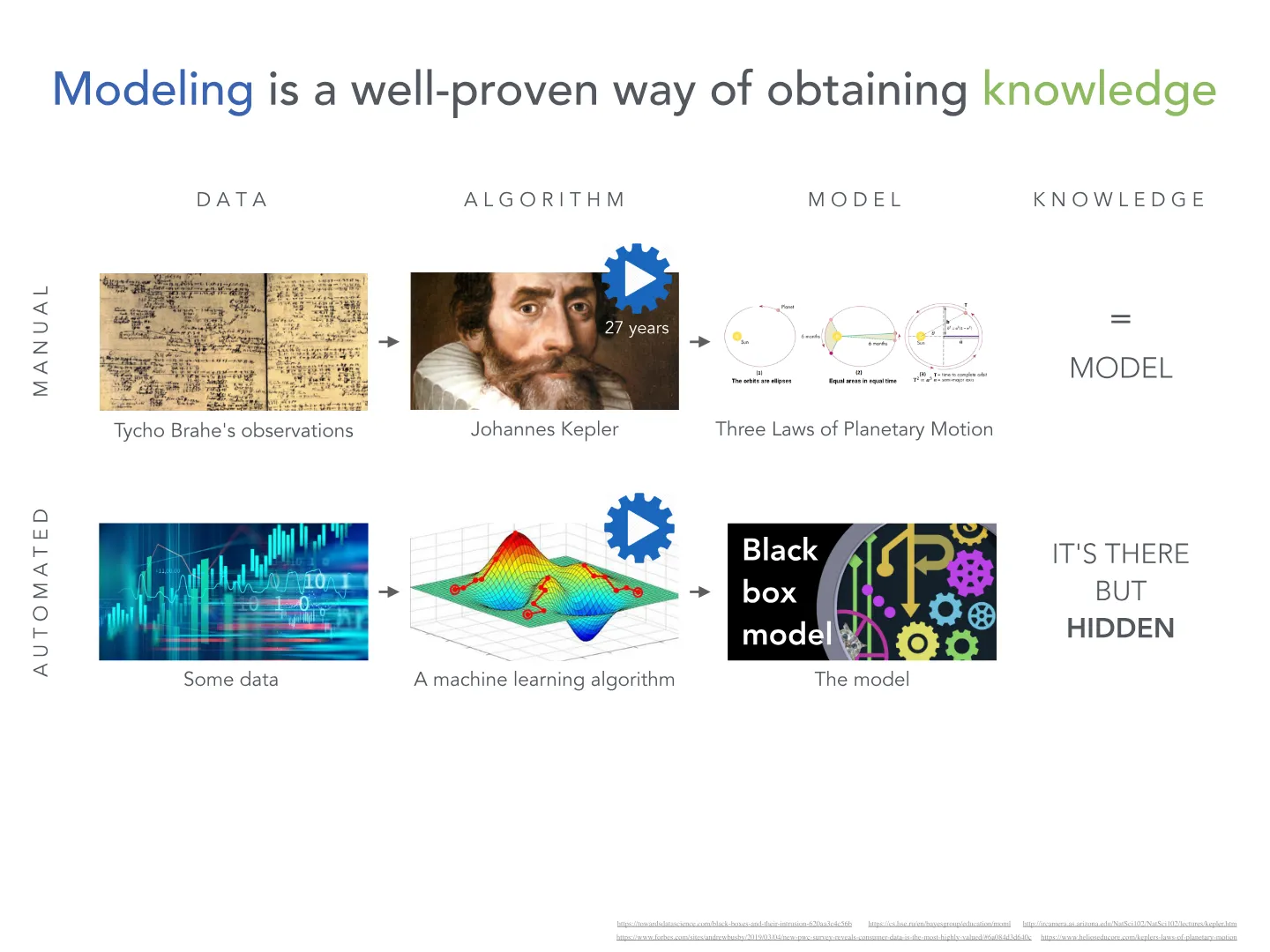
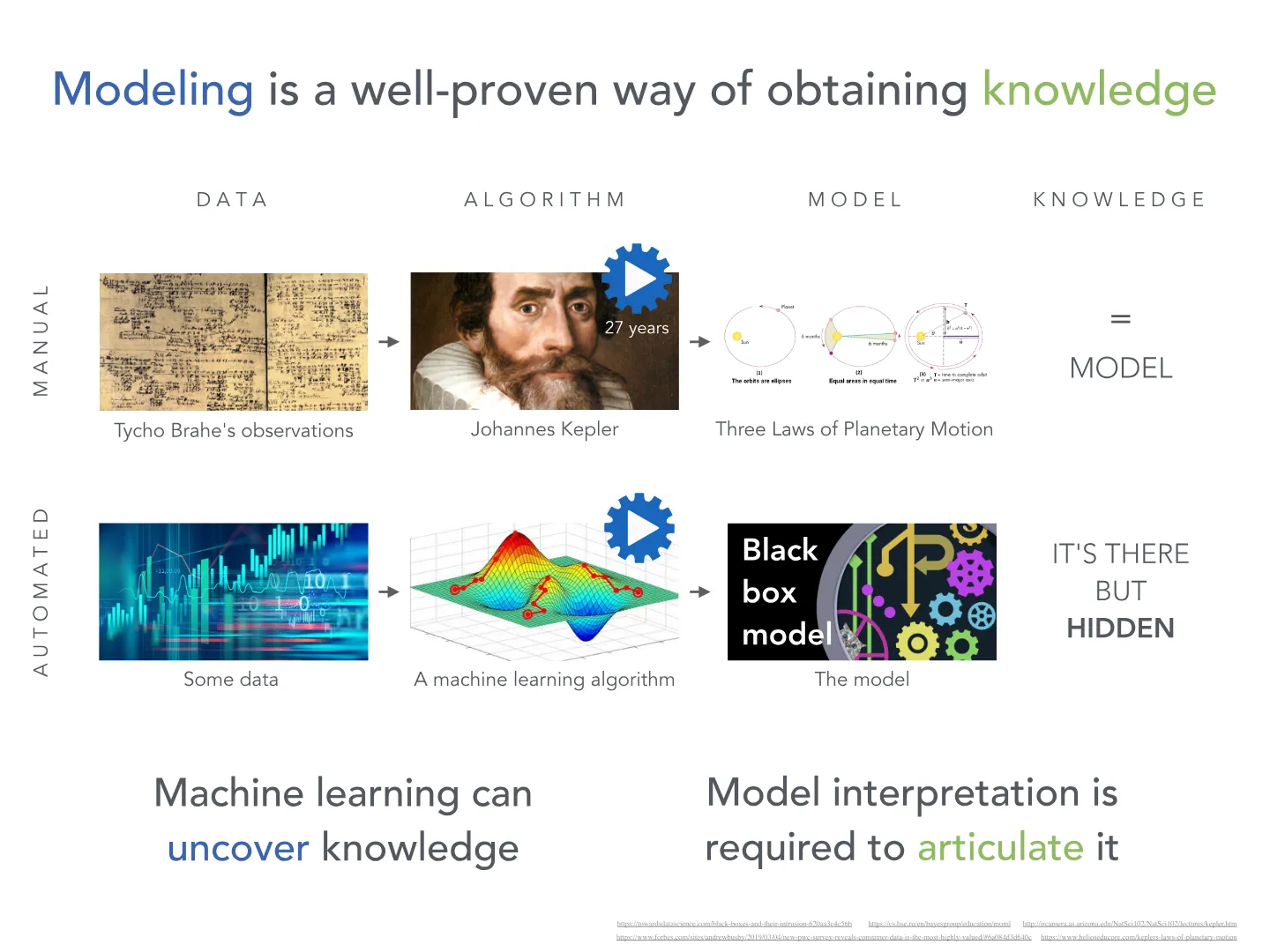
Entering the era of digital computing allowed us to observe and collect data at an ever-growing rate. The amount of data gave rise to the need, and the increase in computational power provided the means, to develop automatic ways of inferring knowledge from data, and the field of Machine Learning was born. In its essence it is the very same process of knowledge discovery that we have been using for years: a phenomenon is observed, the data is collected, the knowledge is inferred and a formal model of that knowledge is created. The main difference being that now a large portion of this process is done automatically.
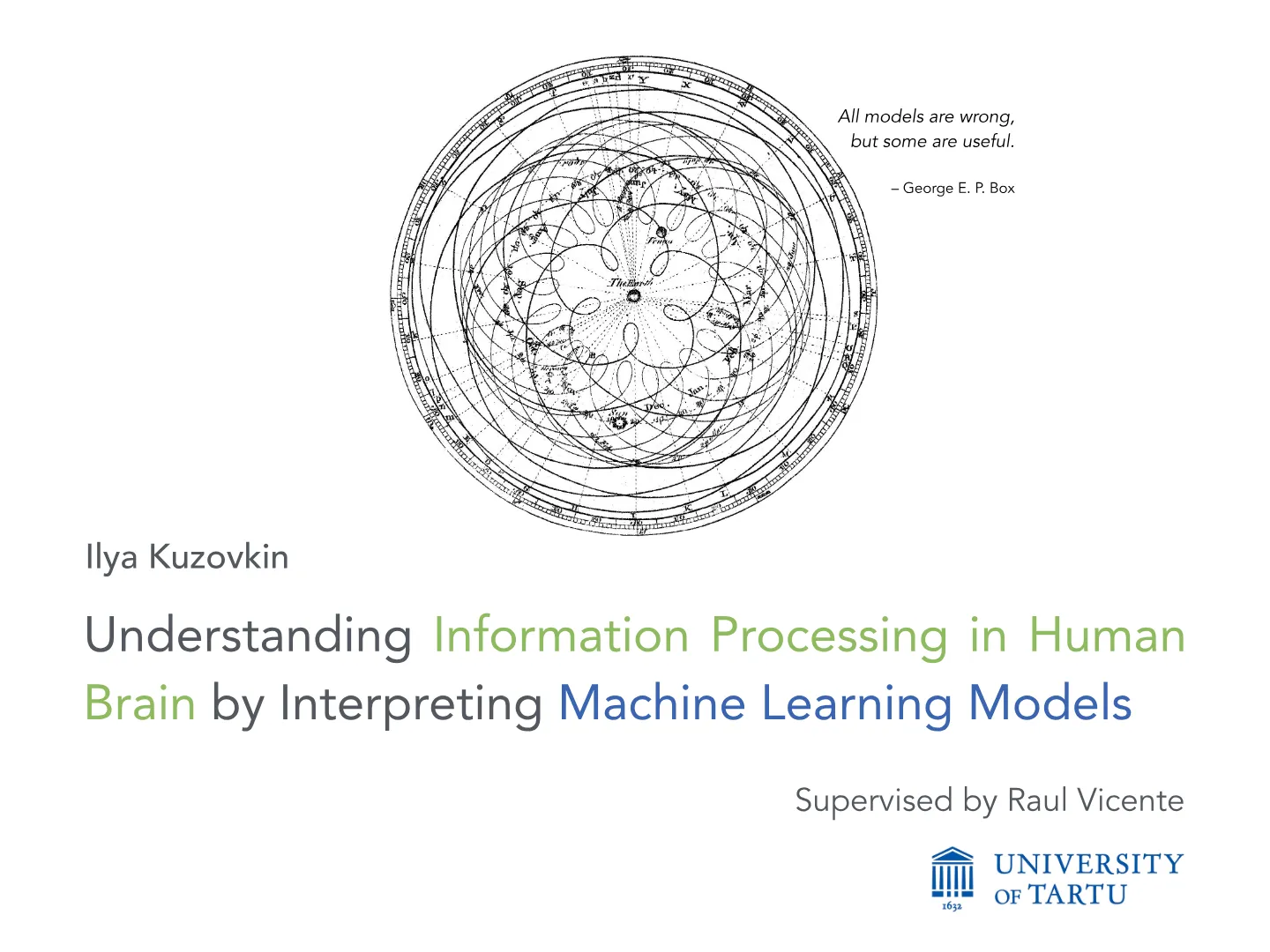
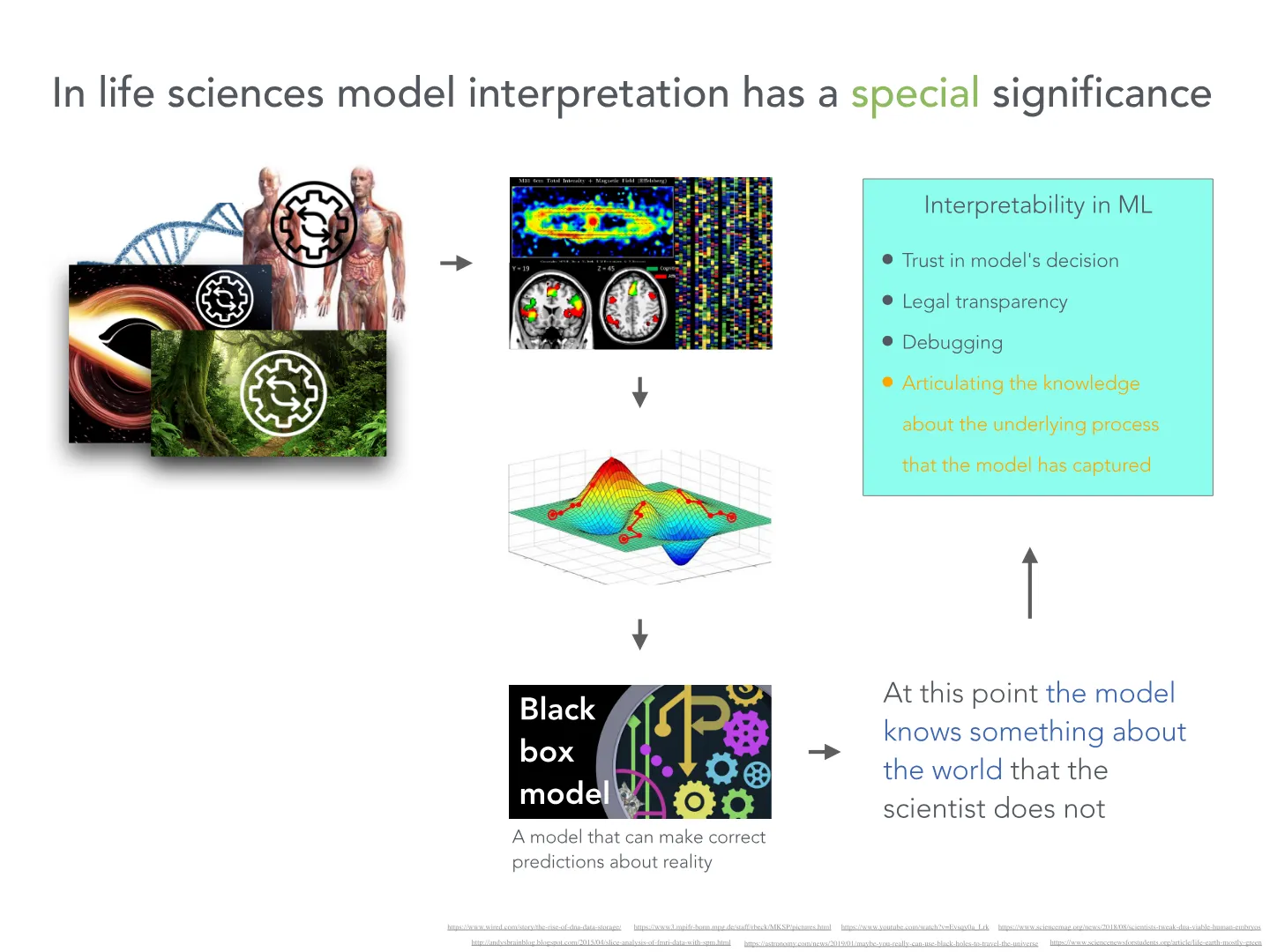
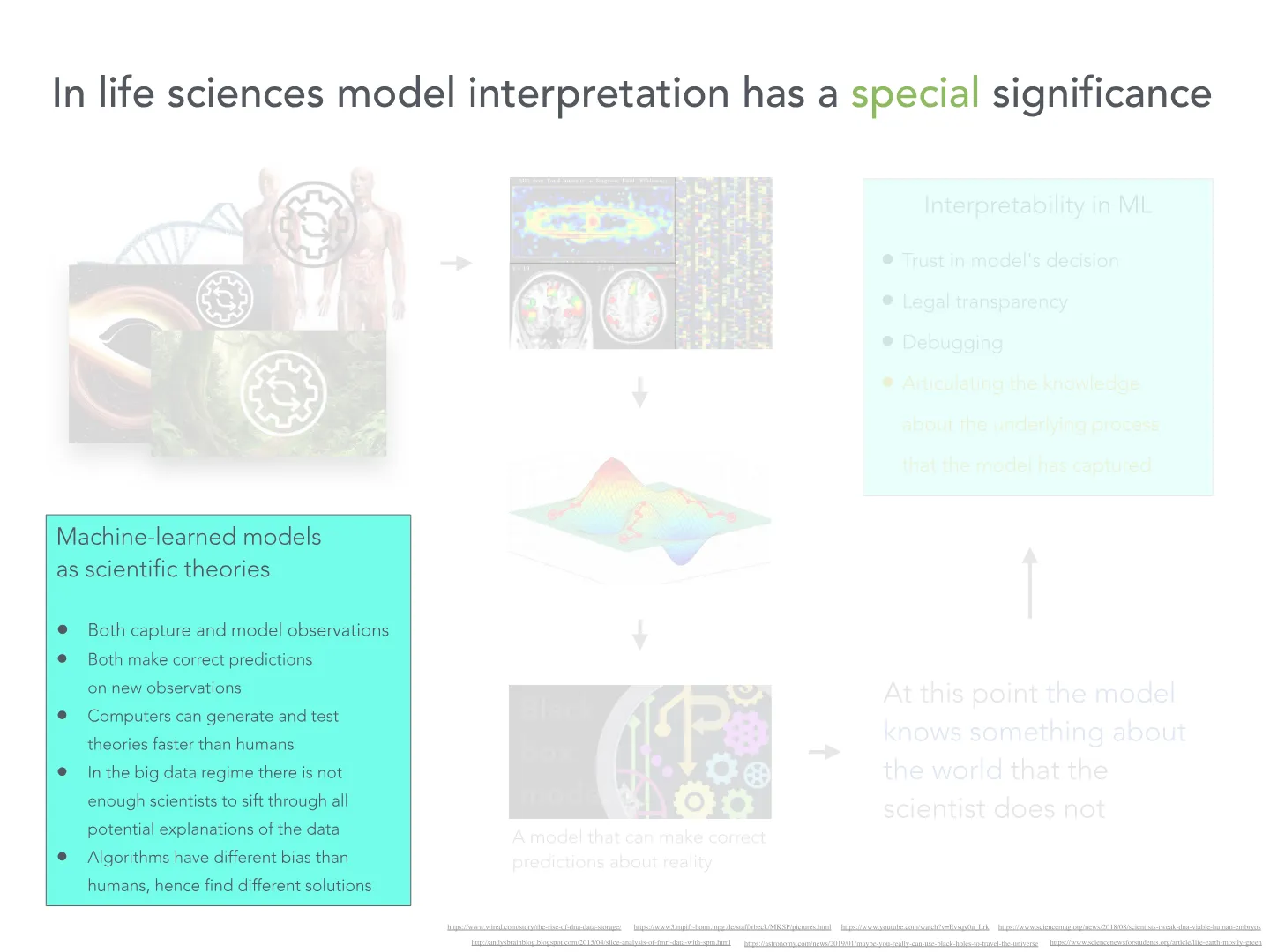
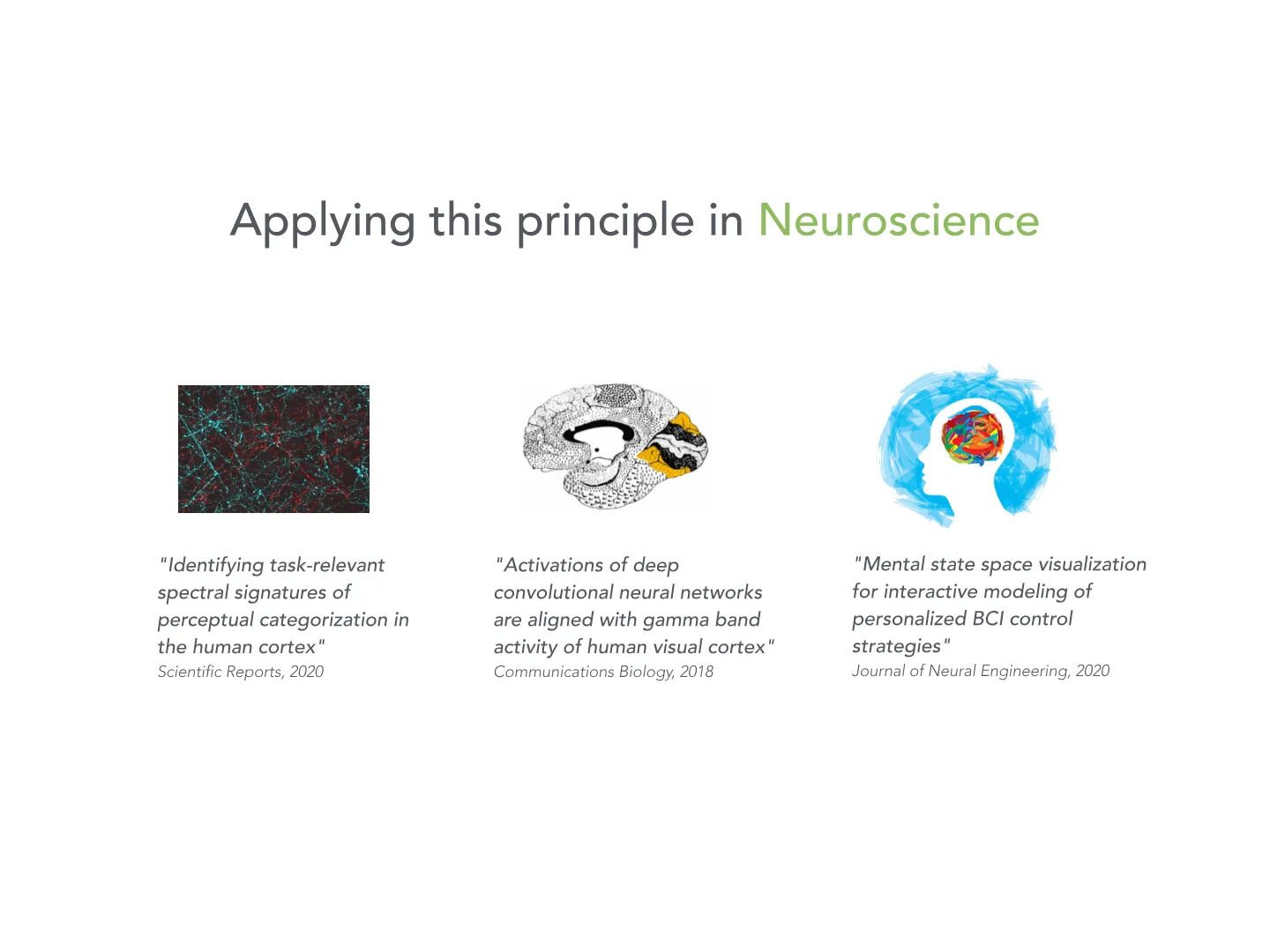
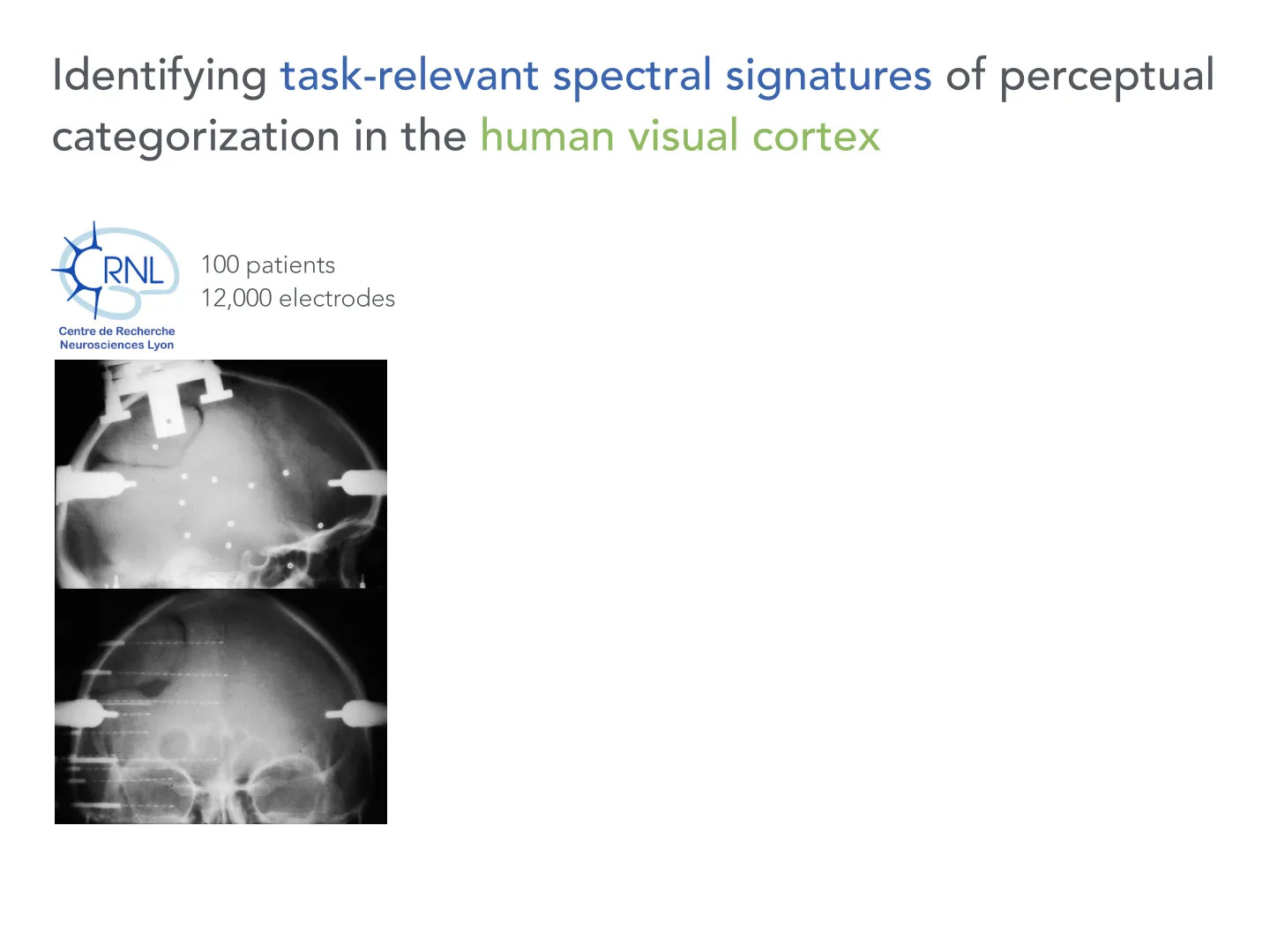
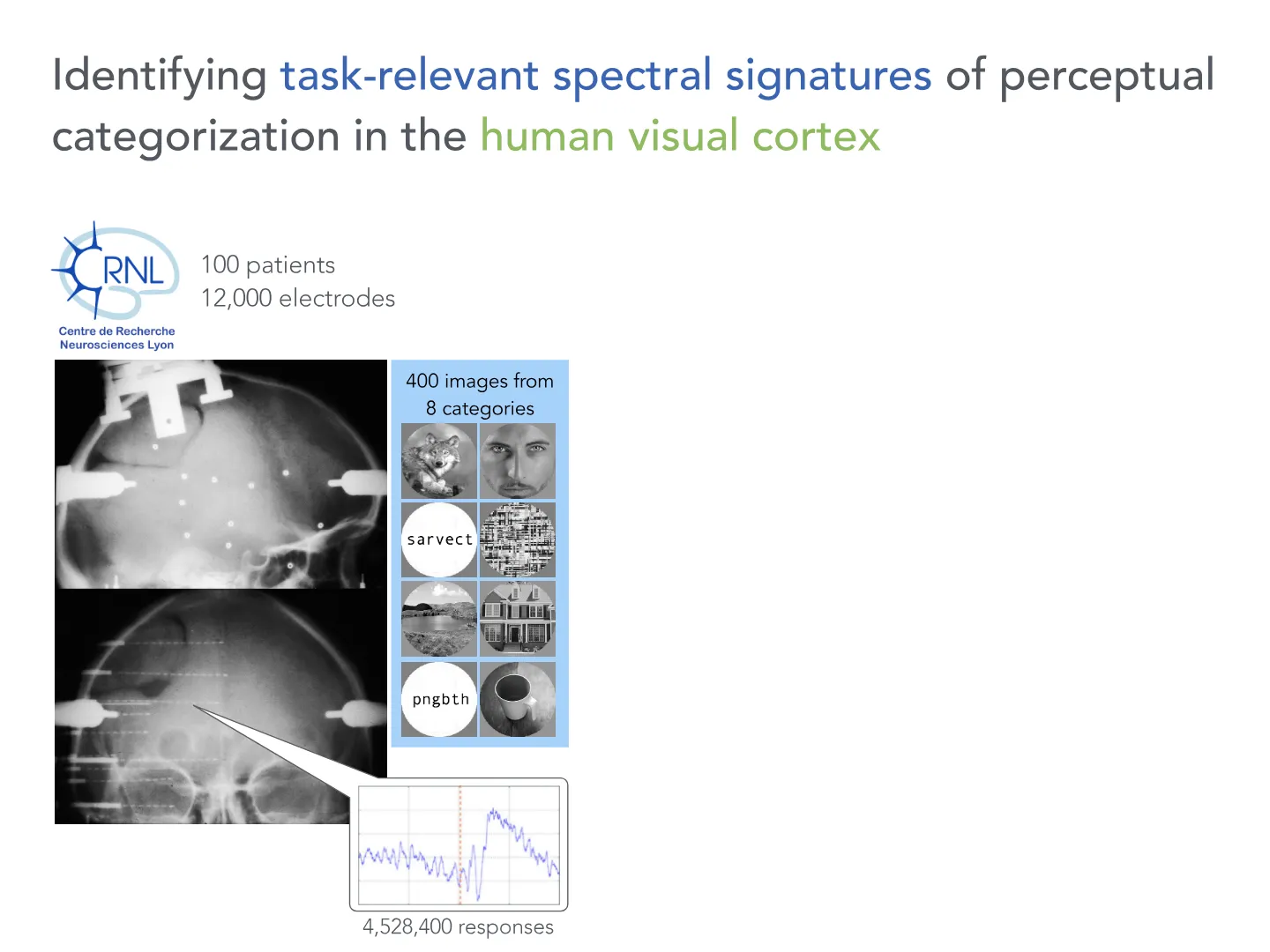
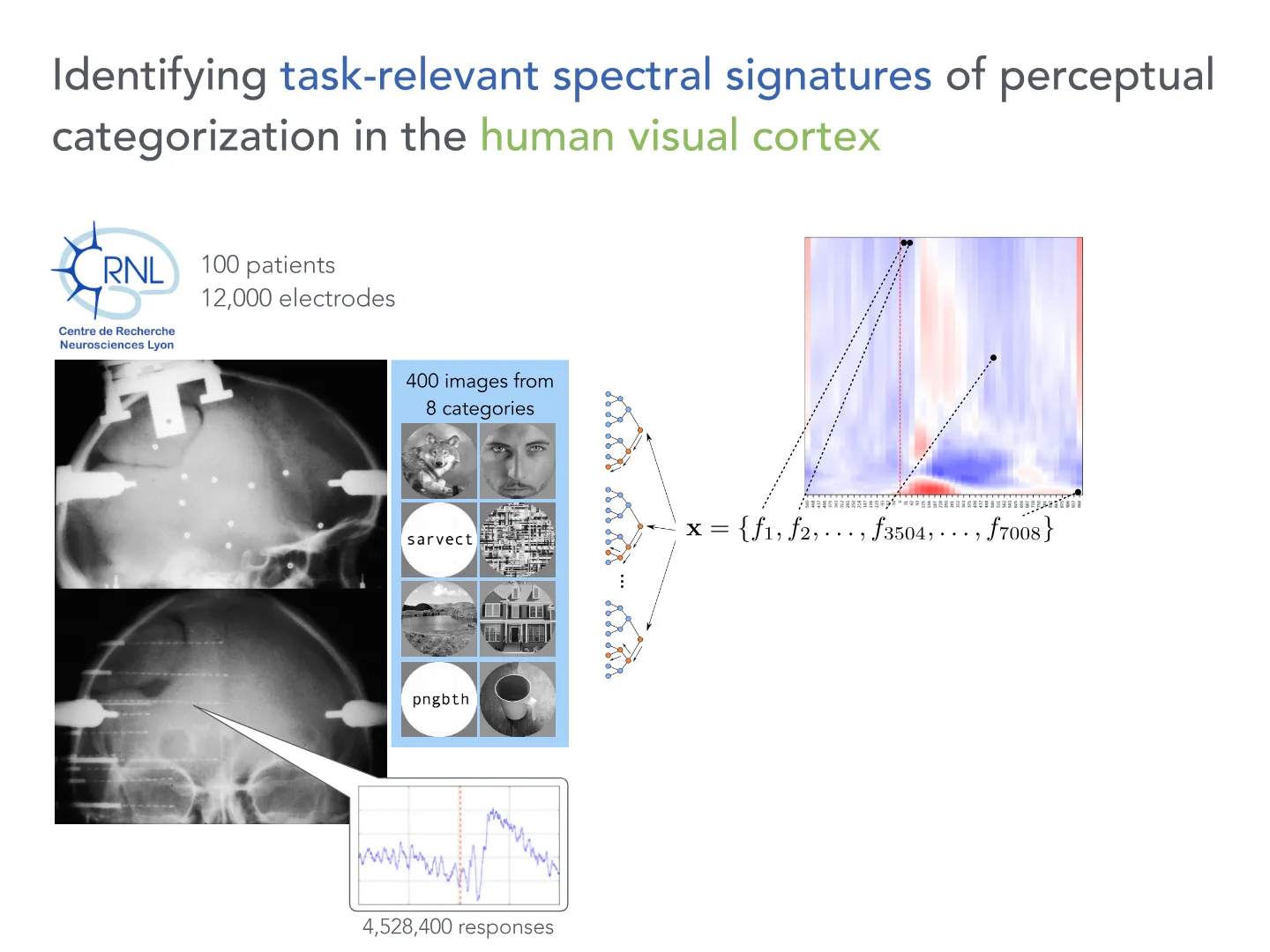
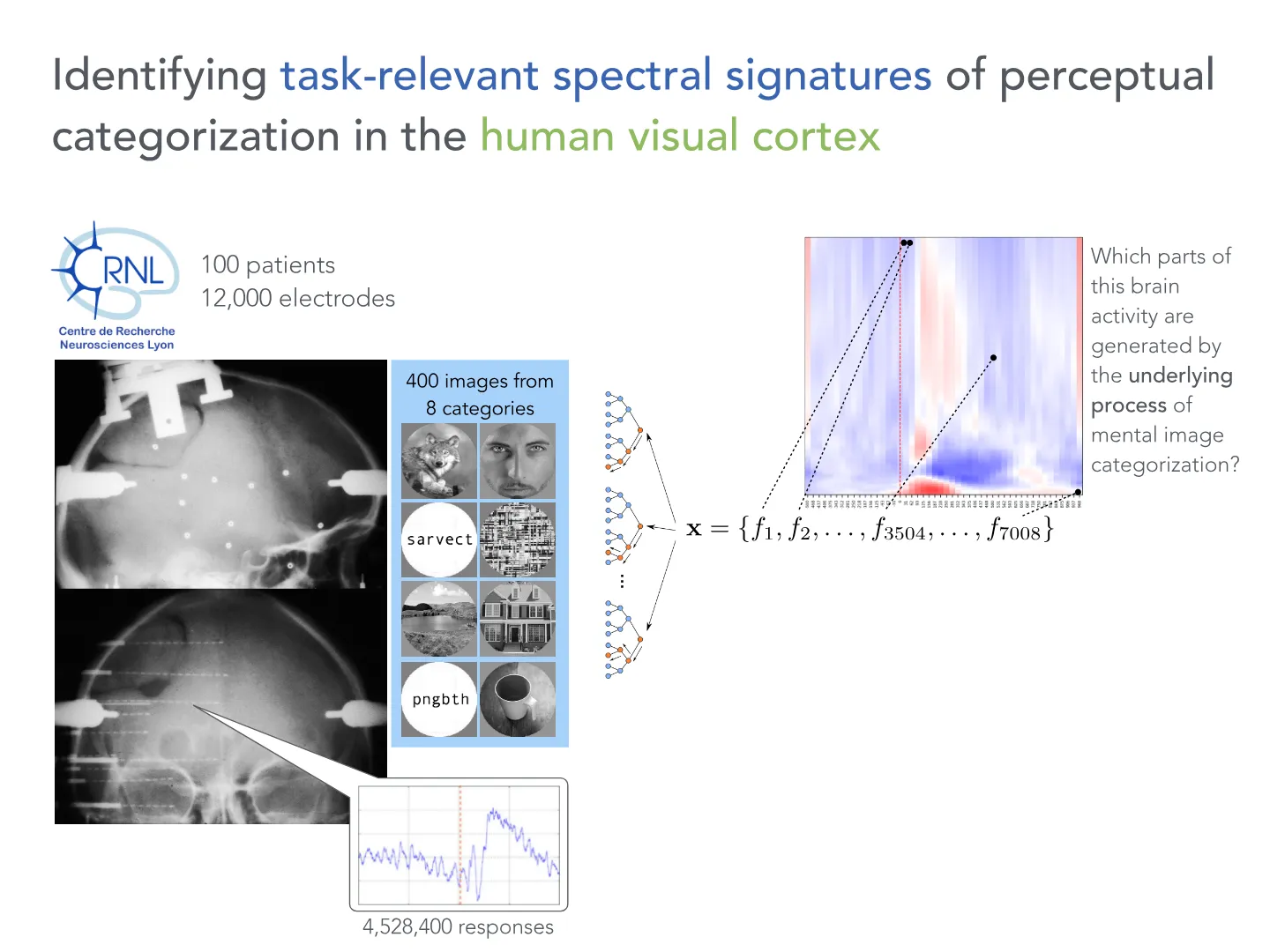
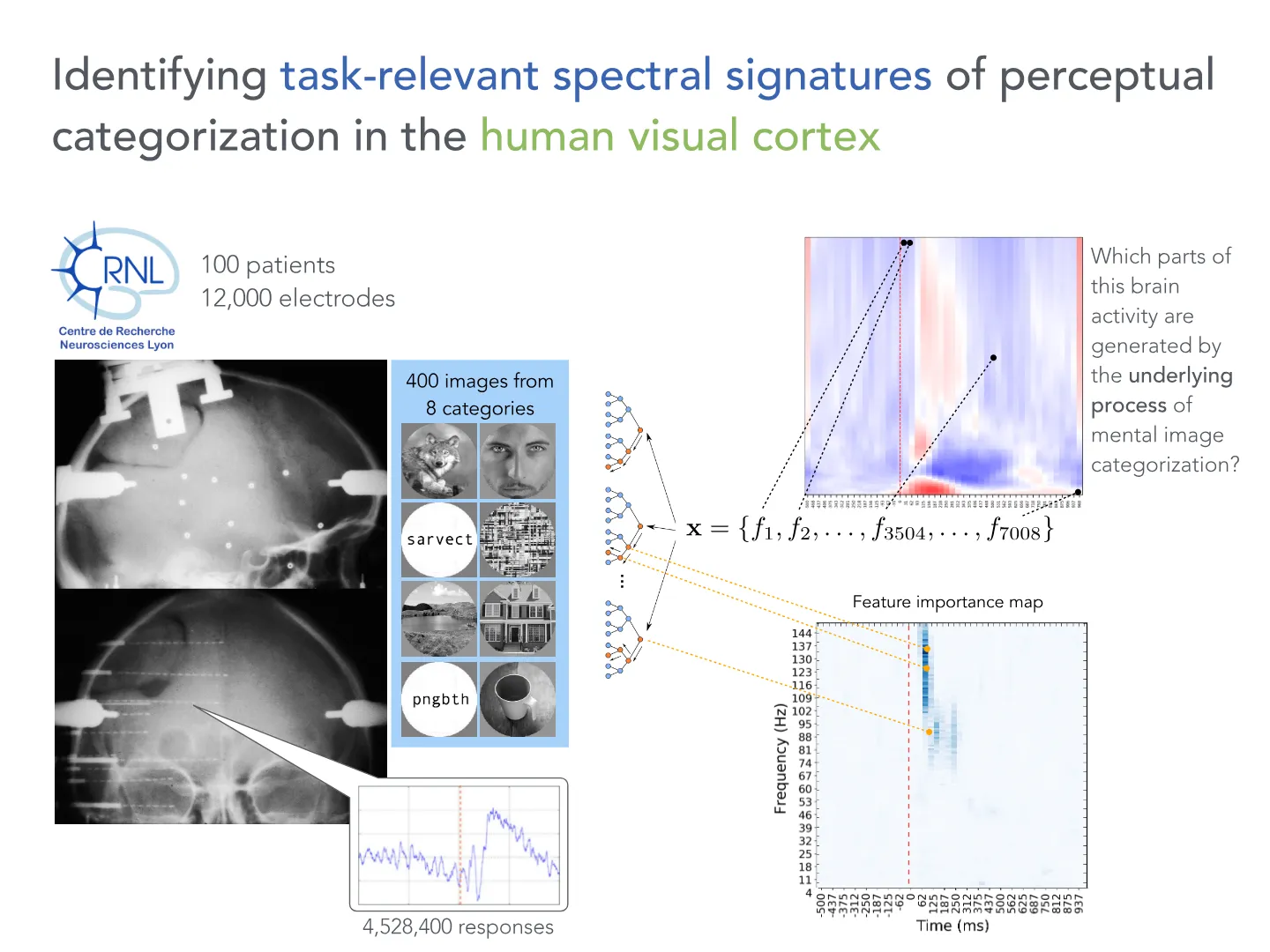
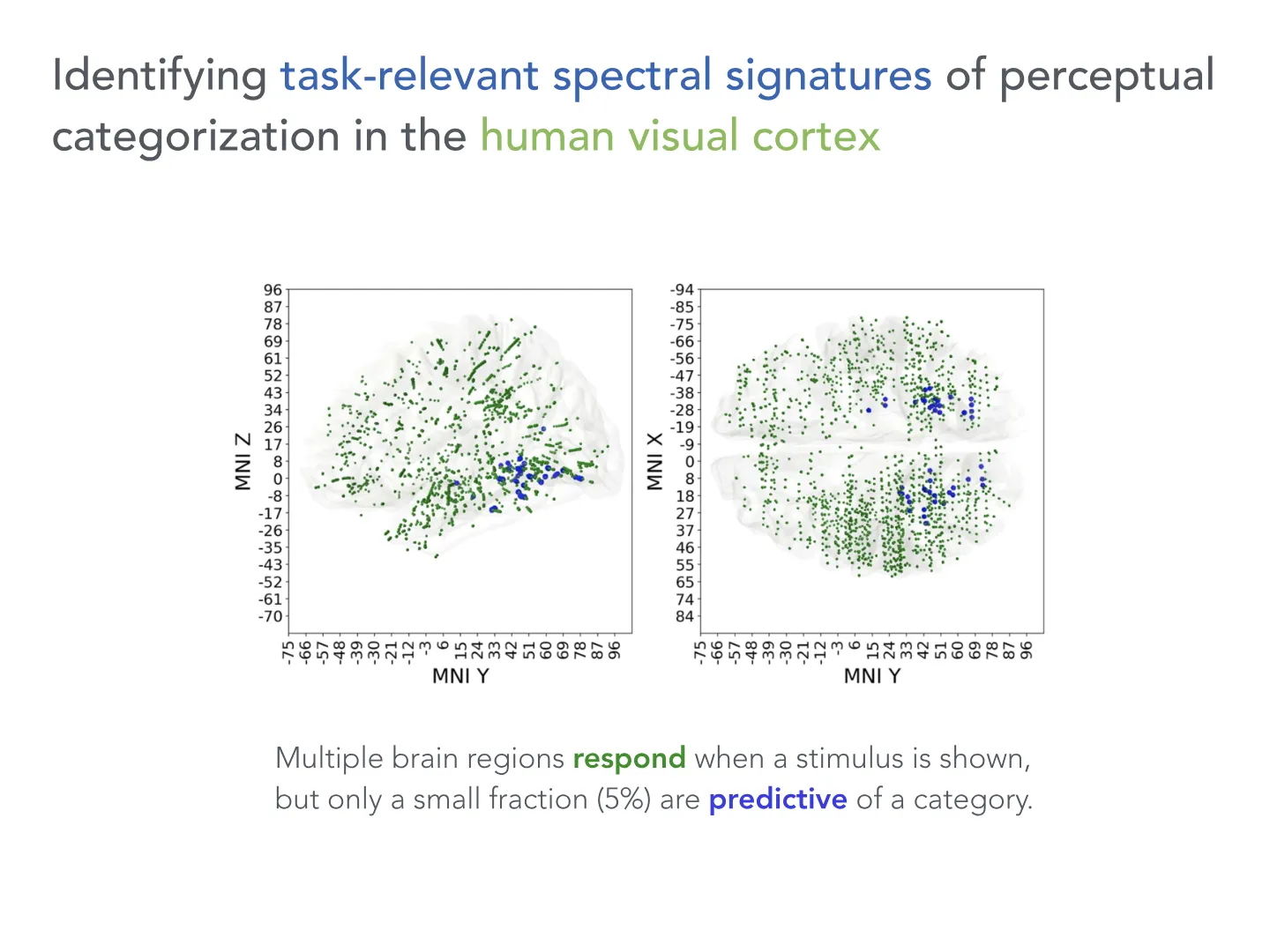
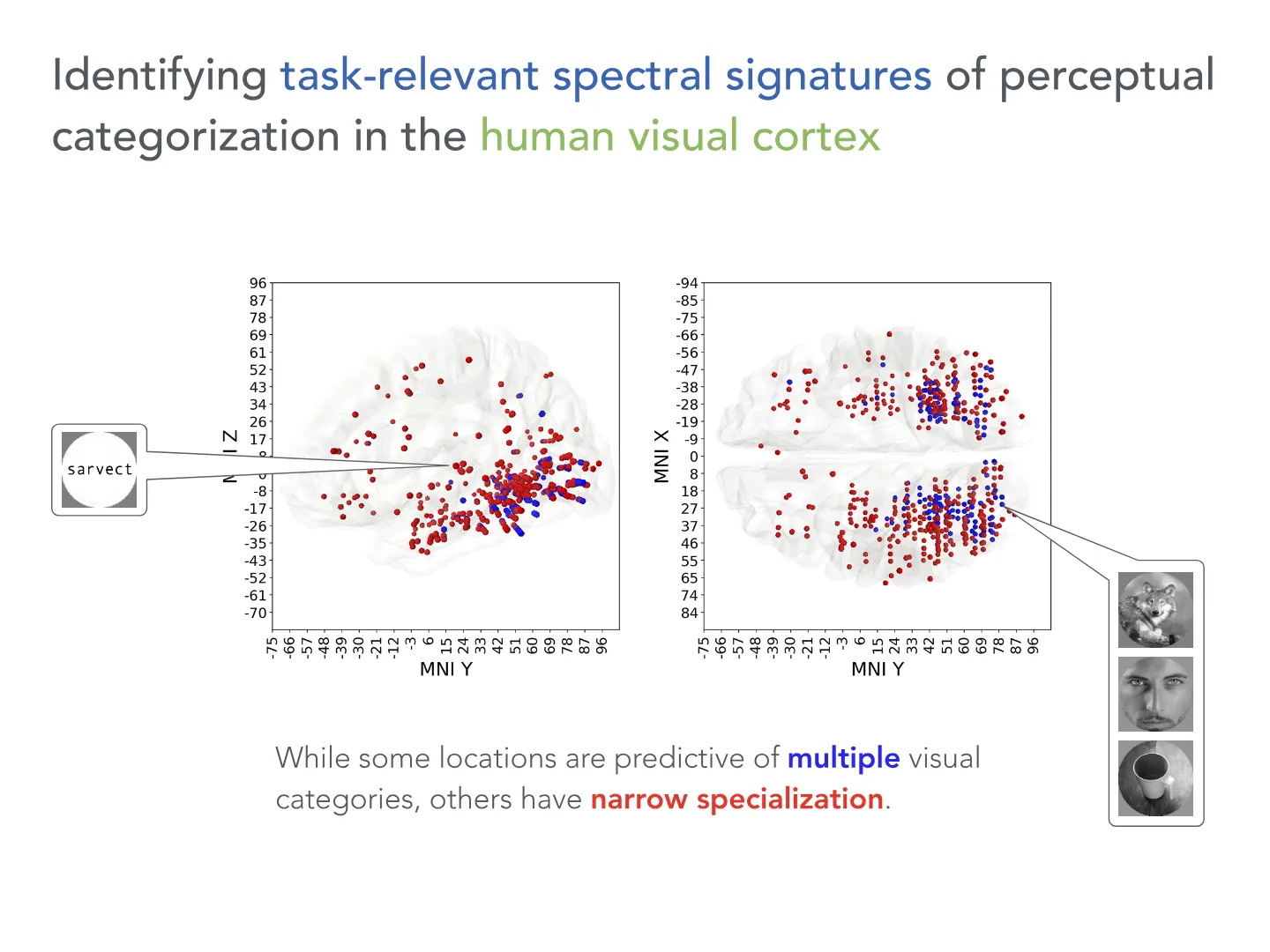
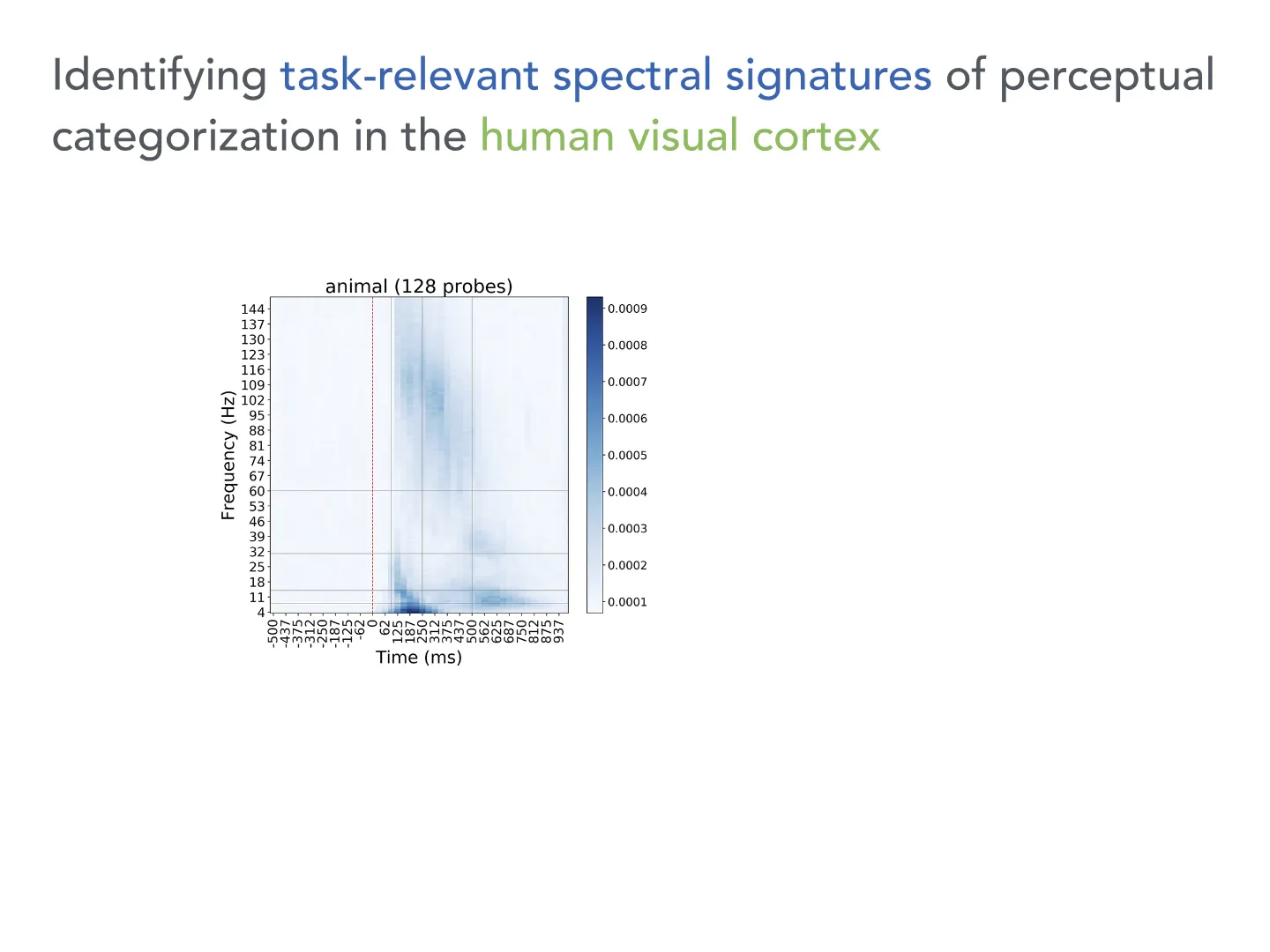
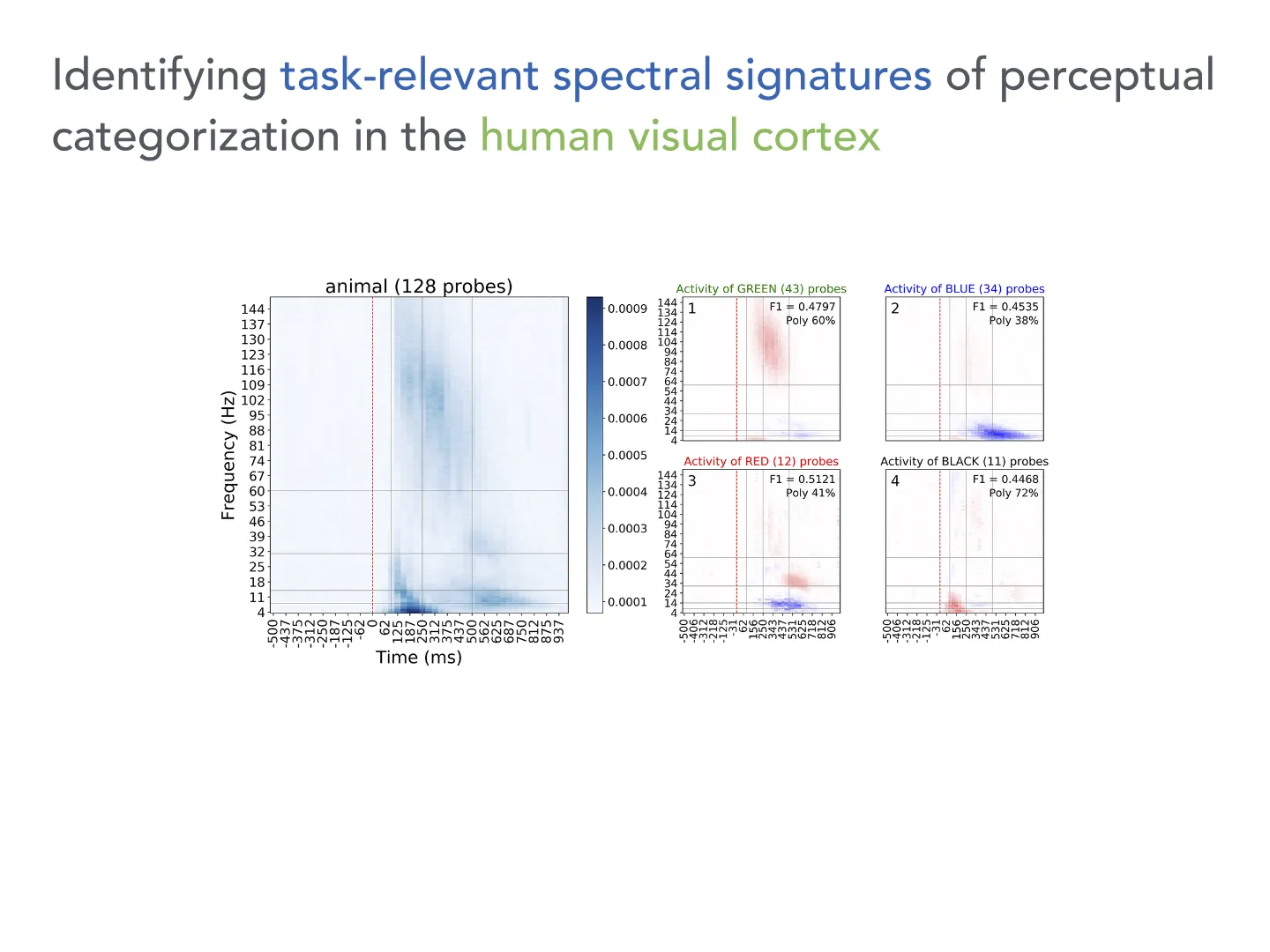
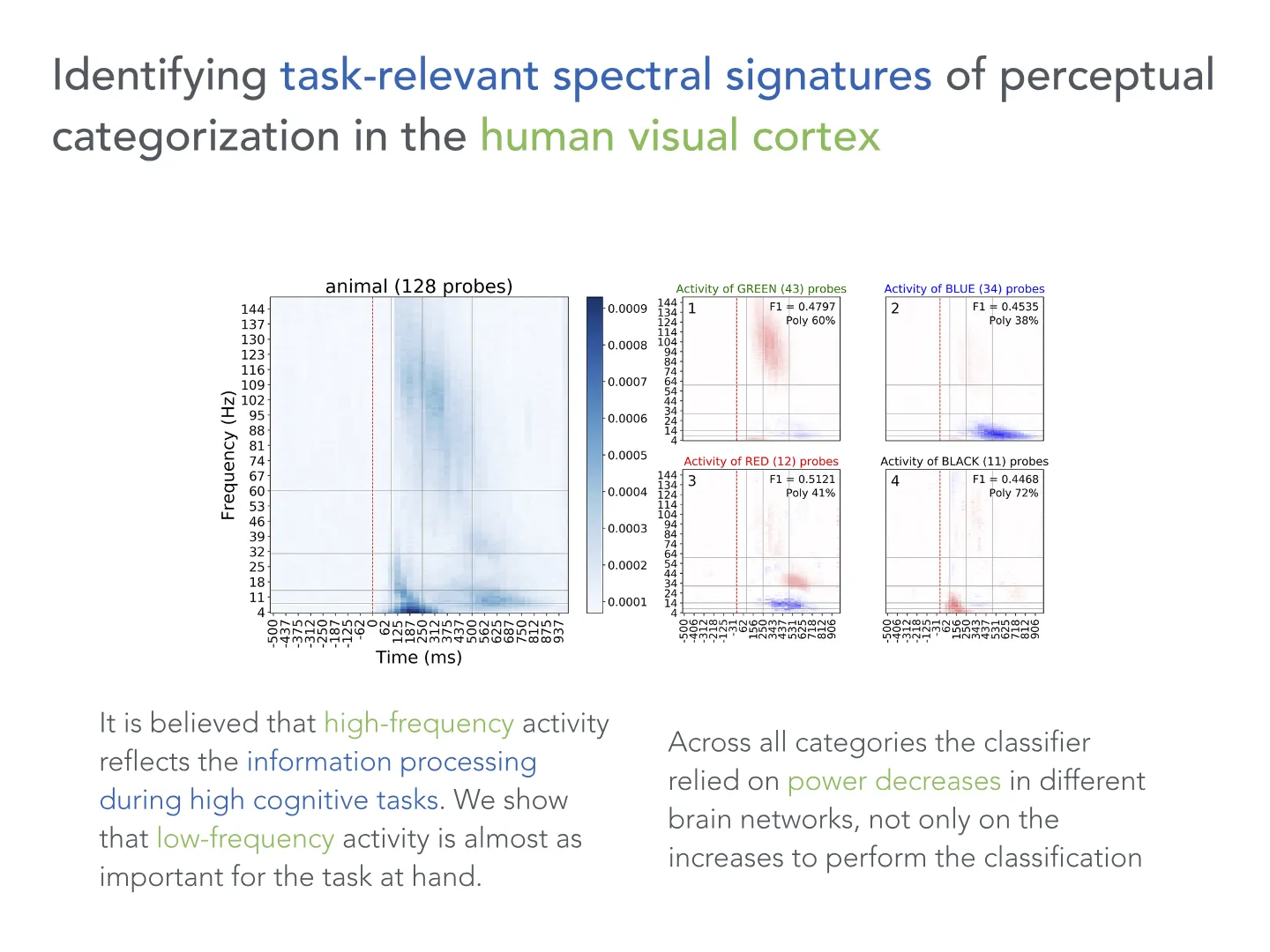
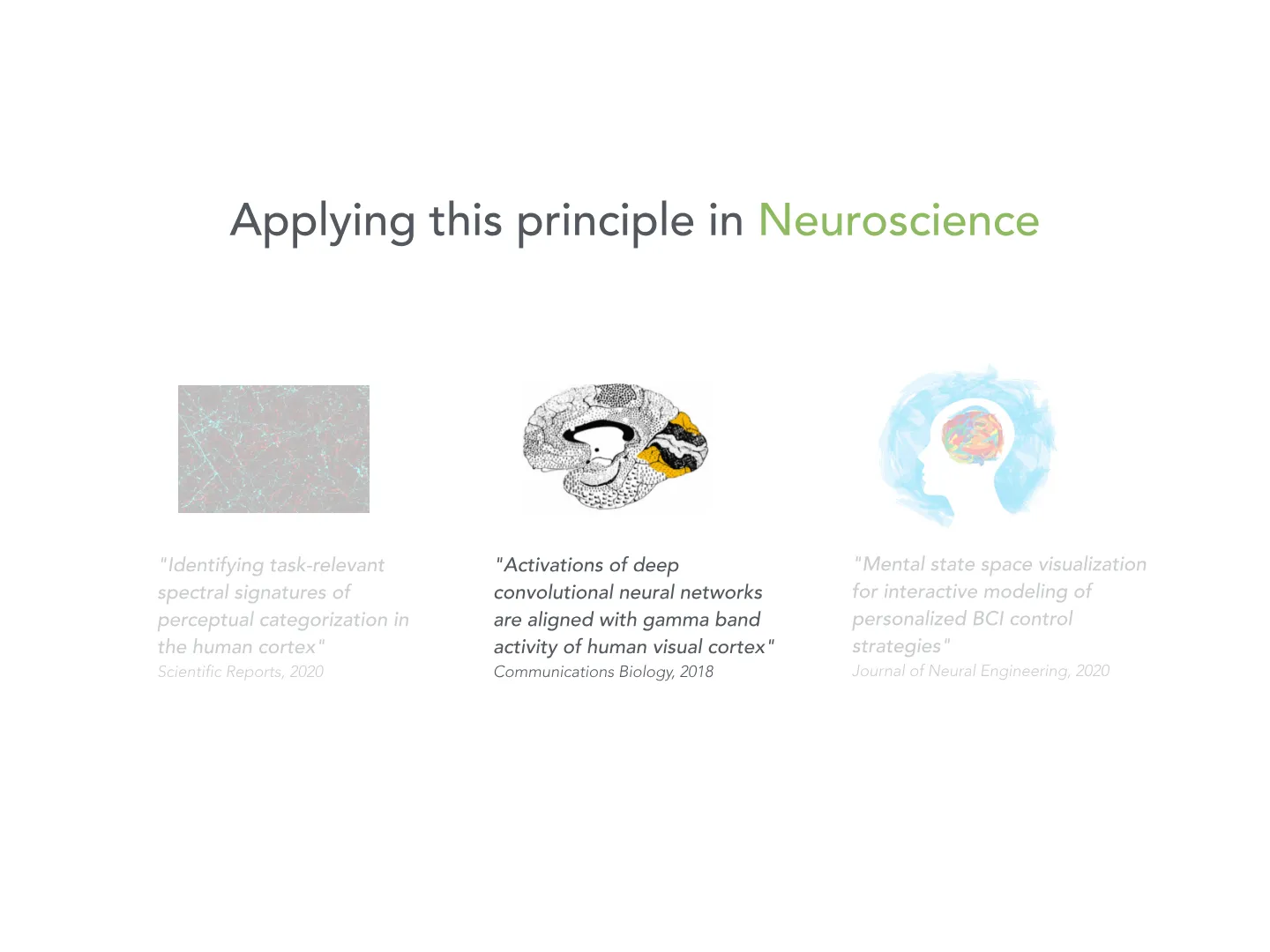
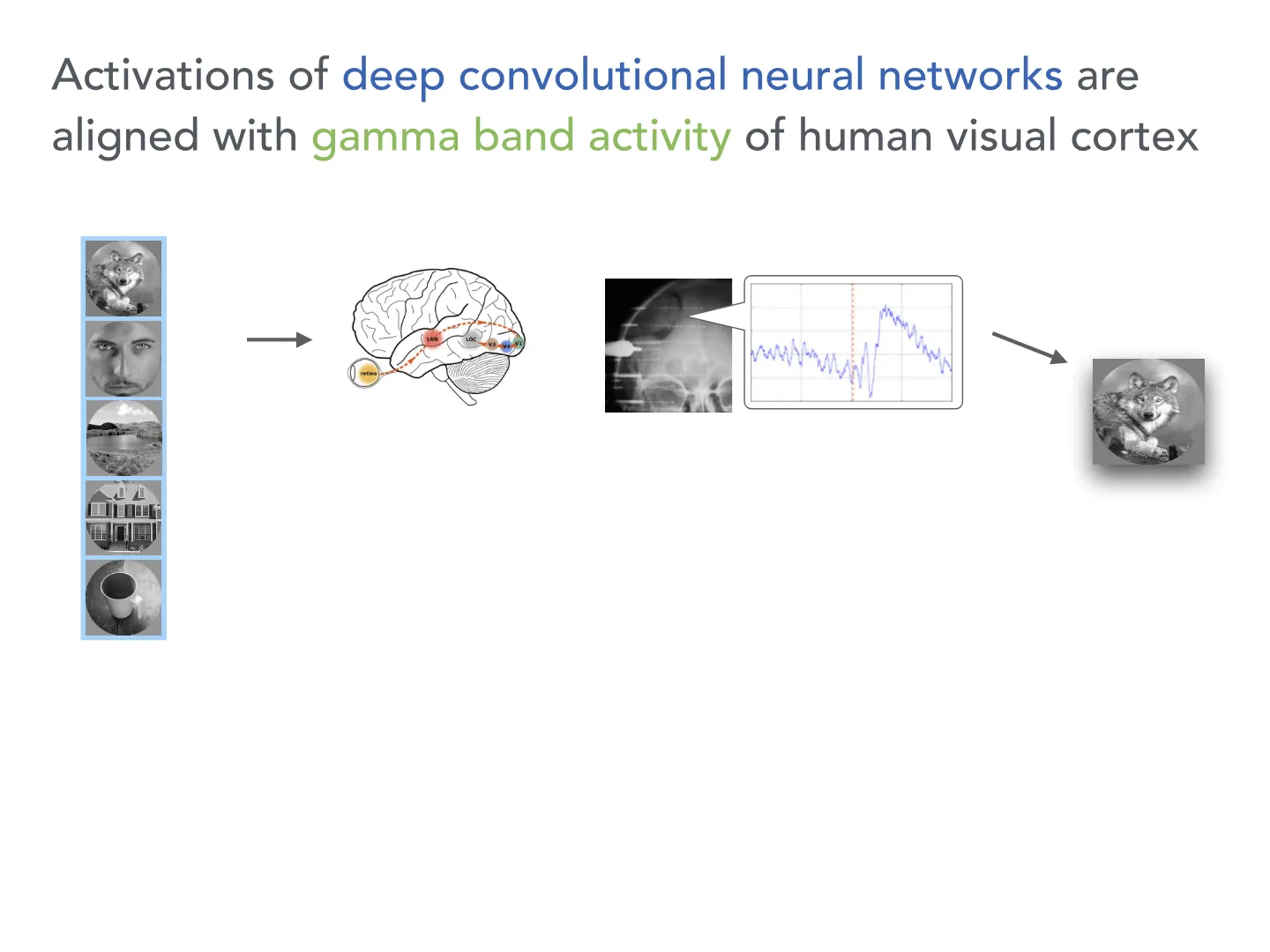
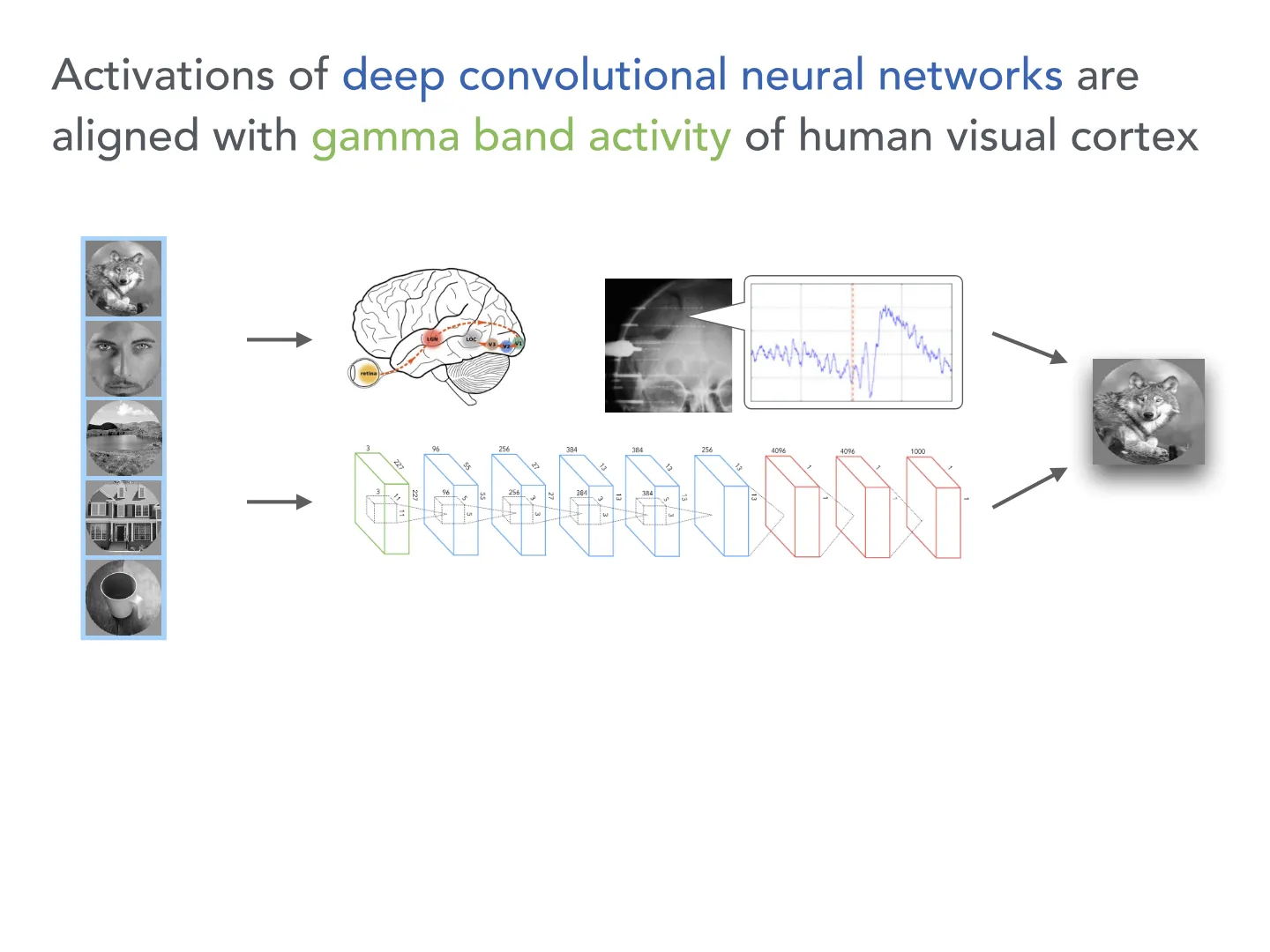
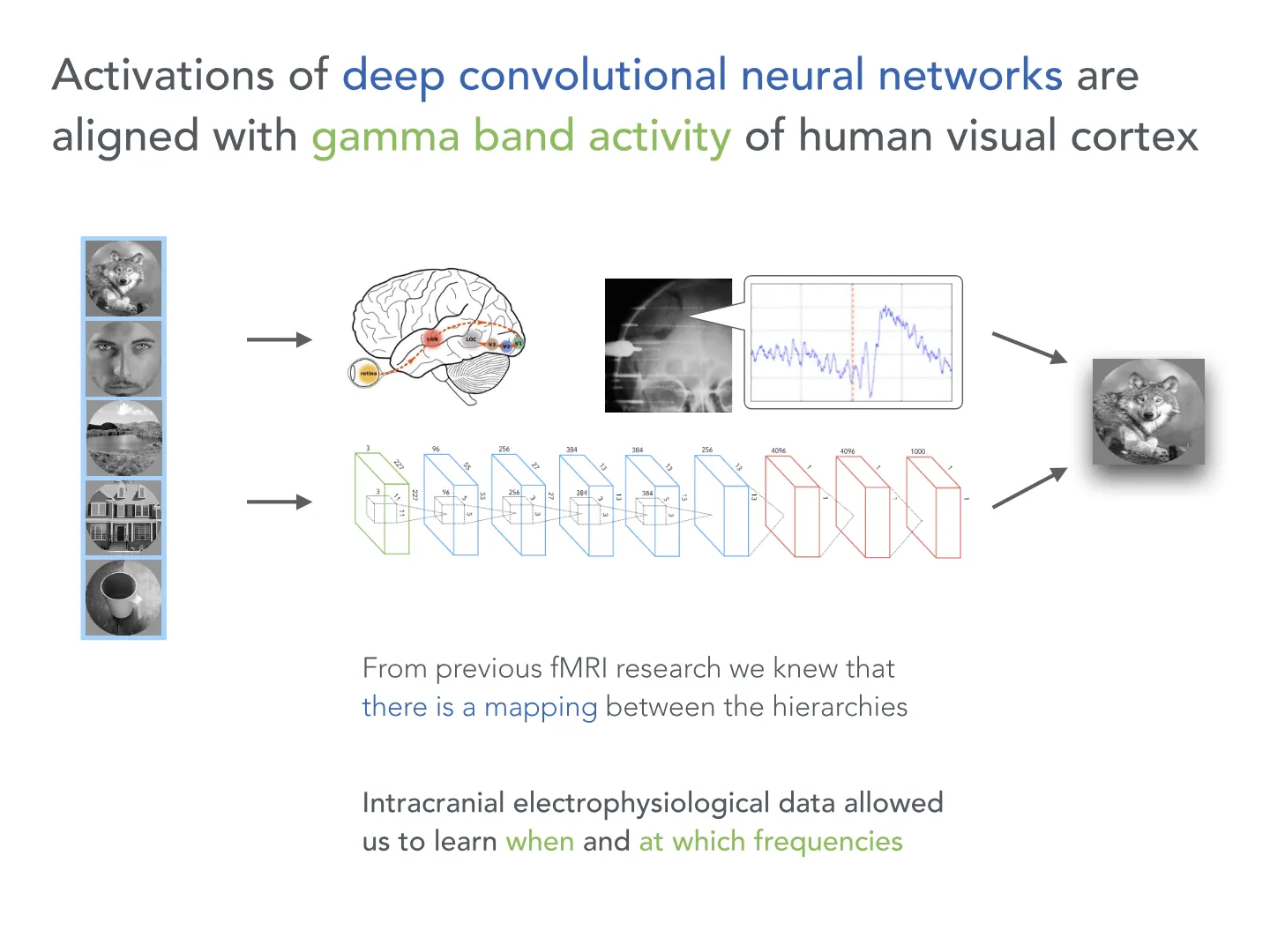
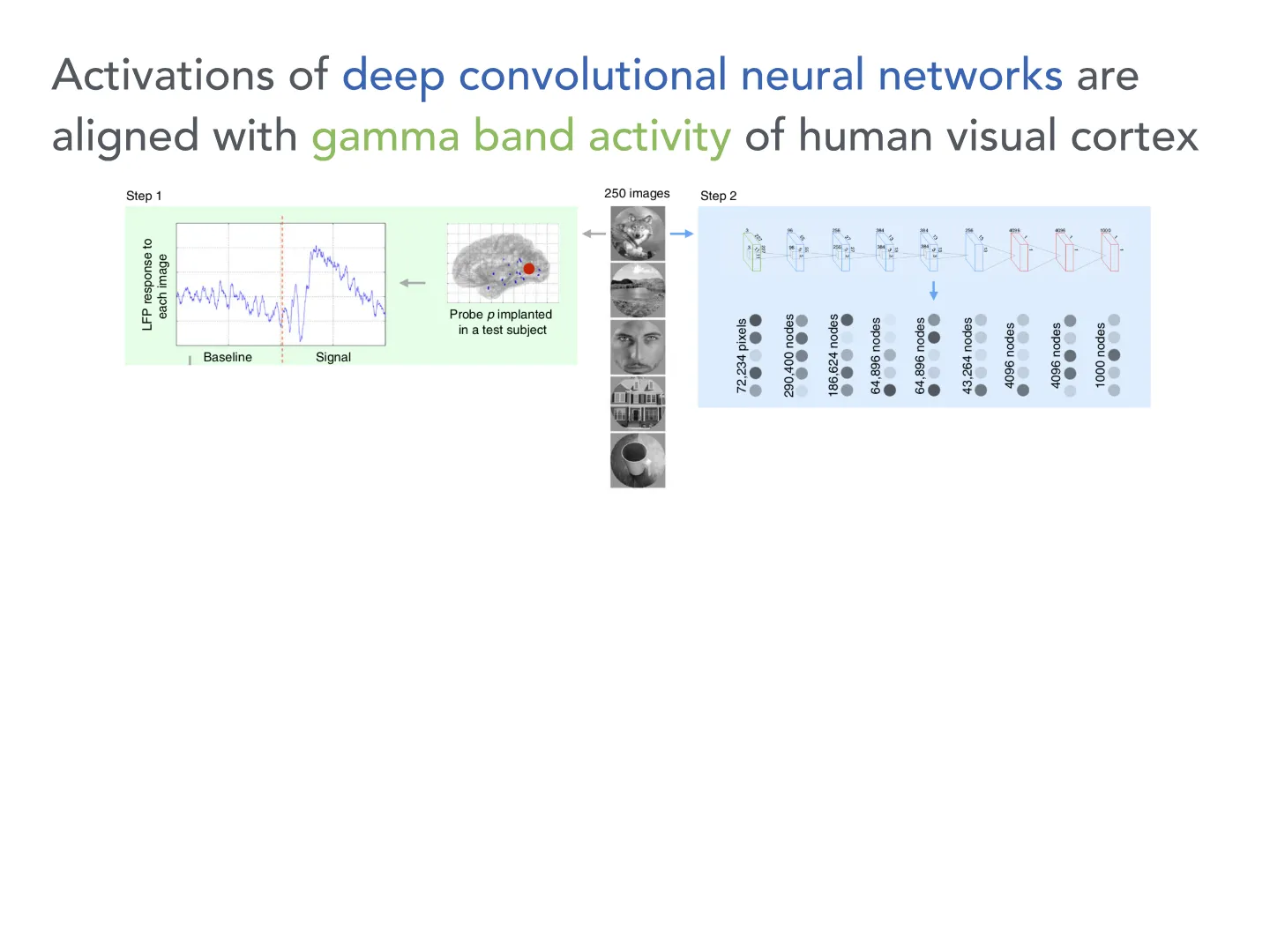
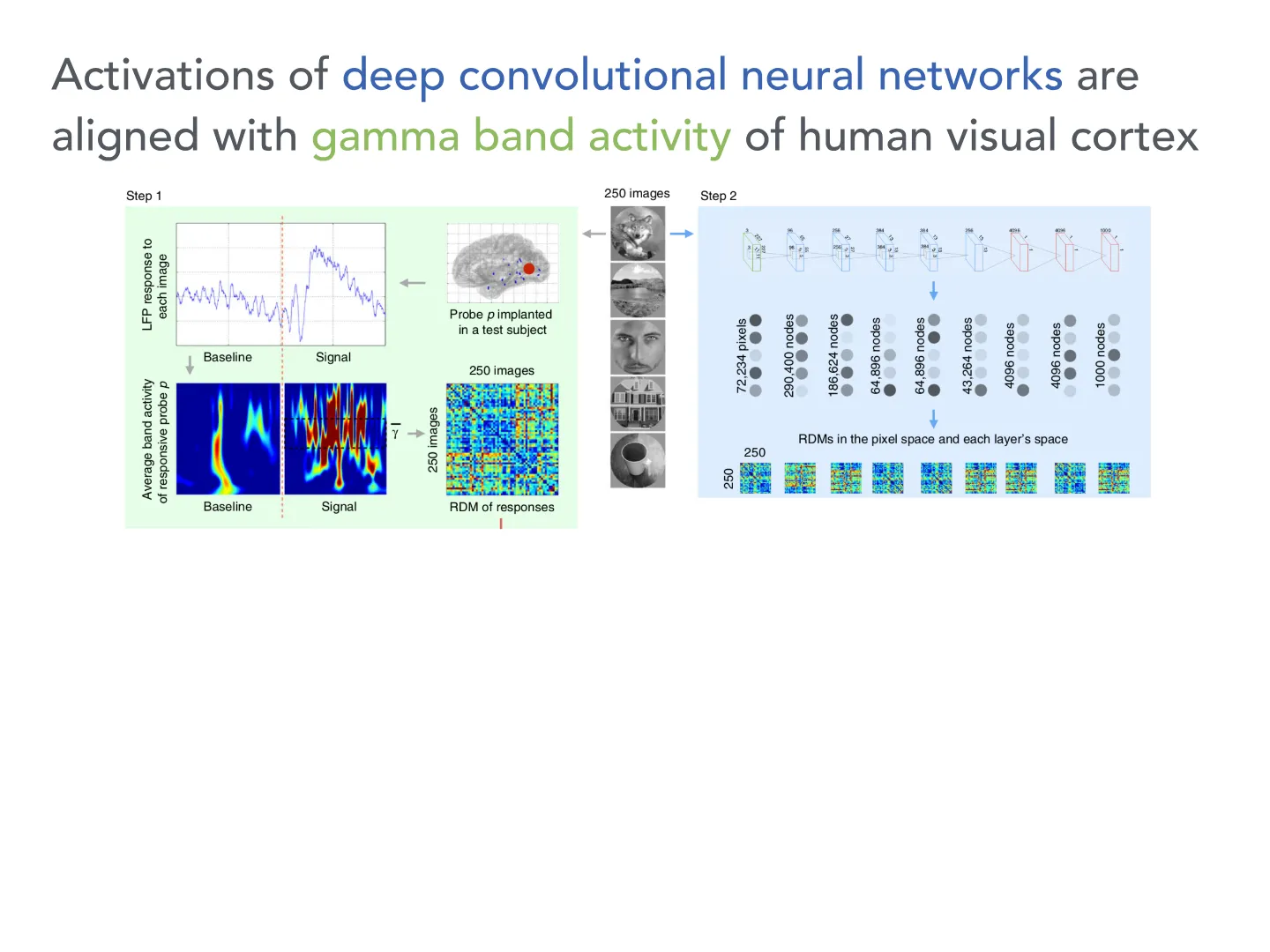
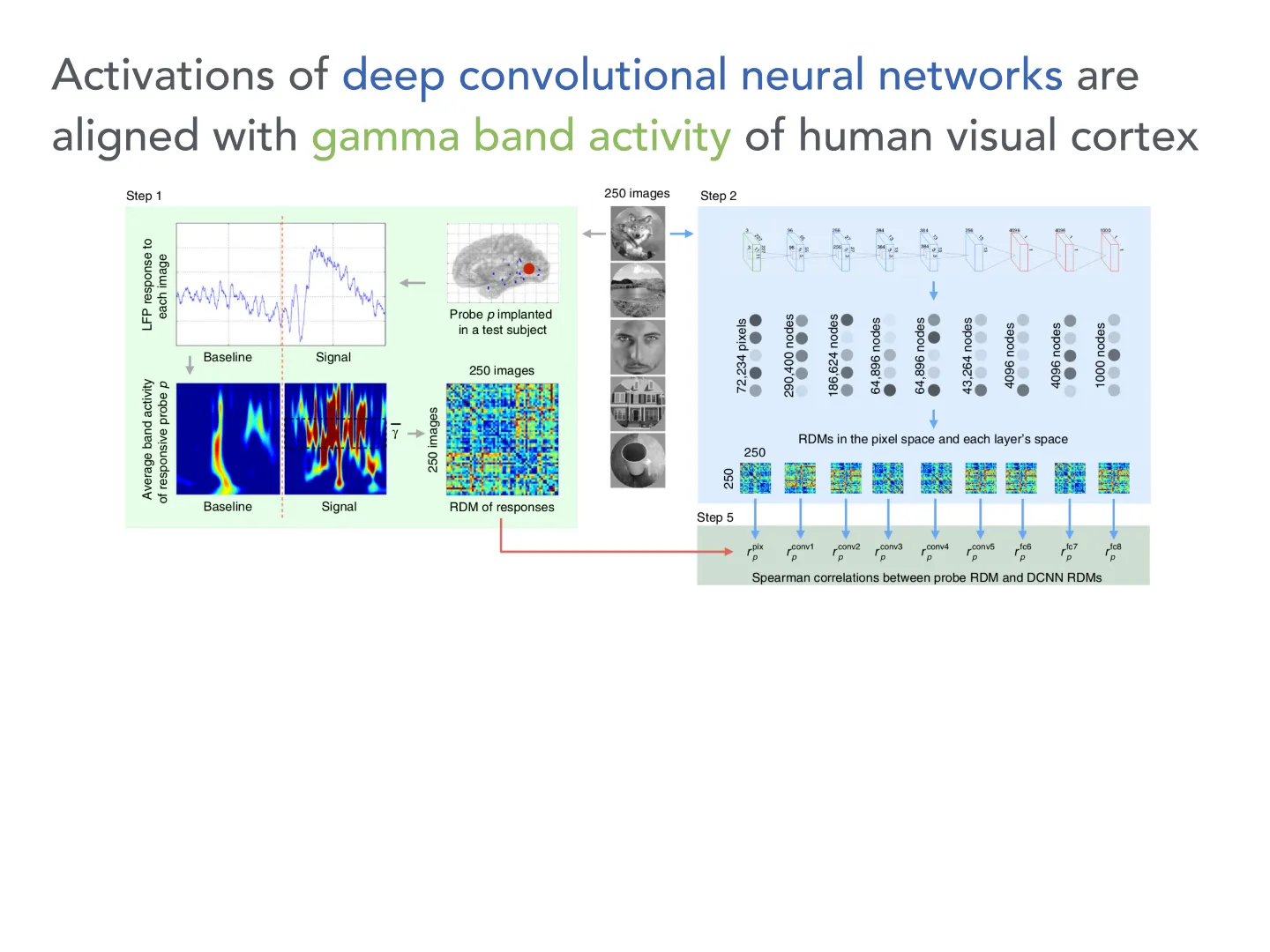
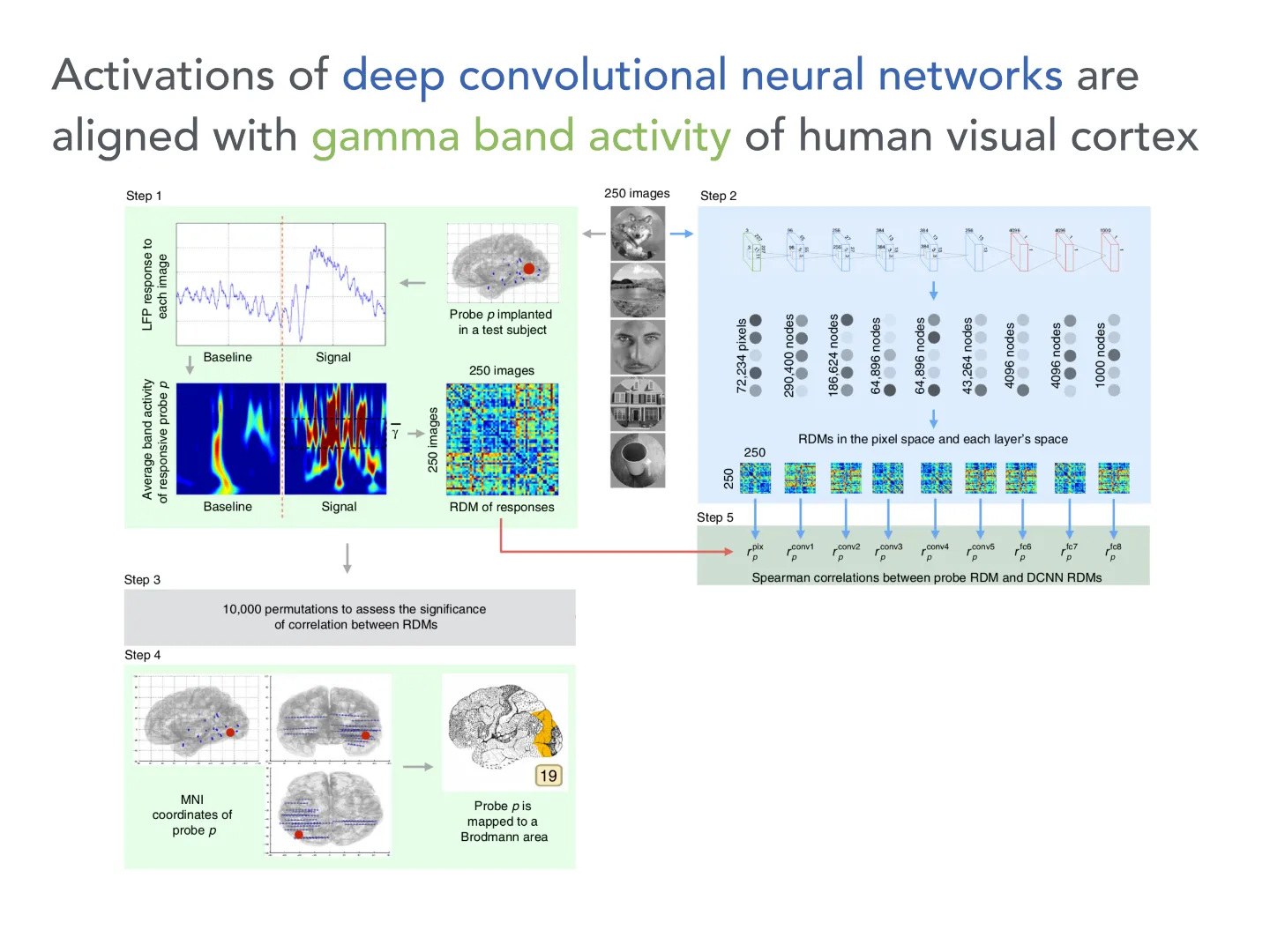
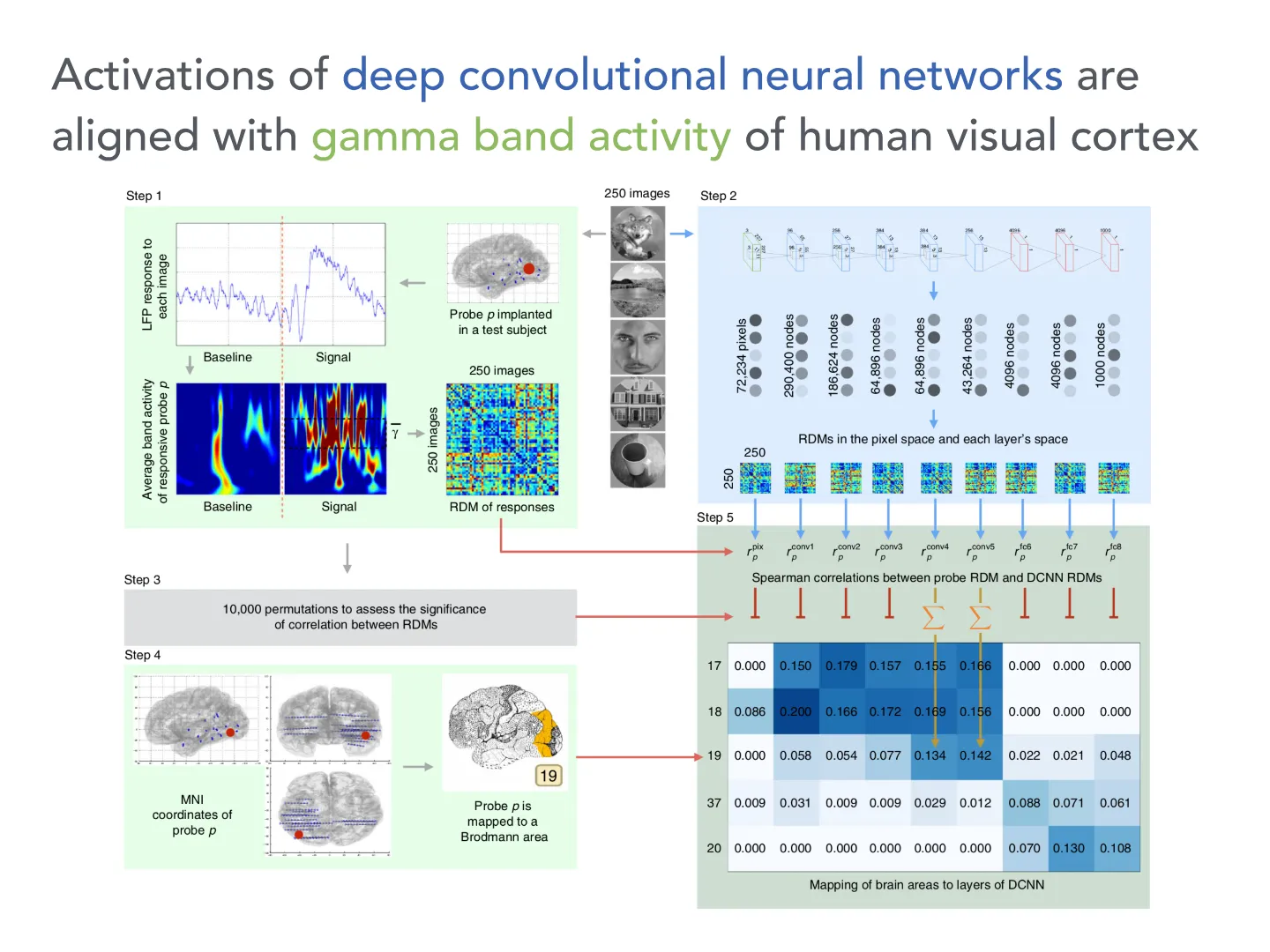
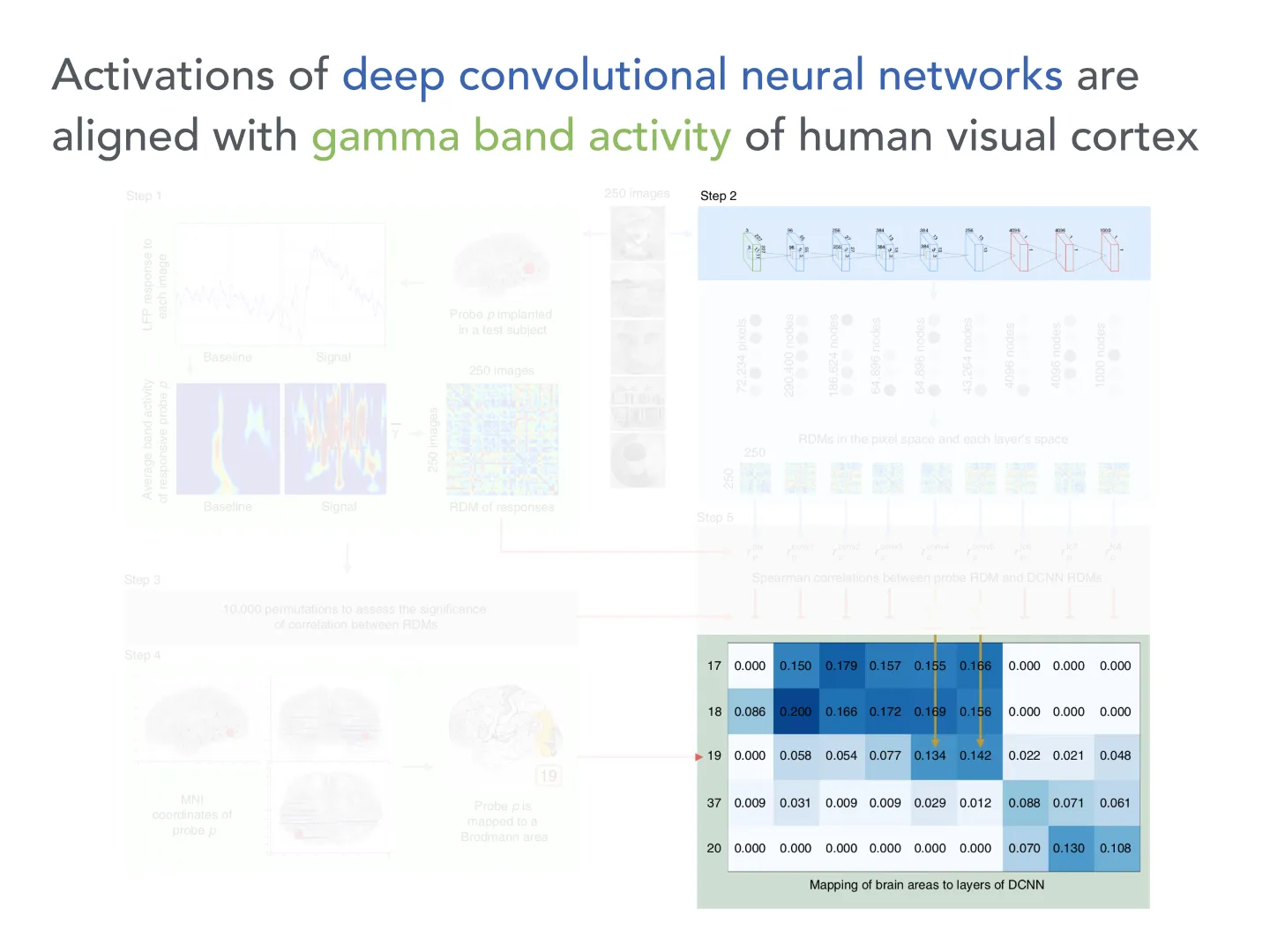
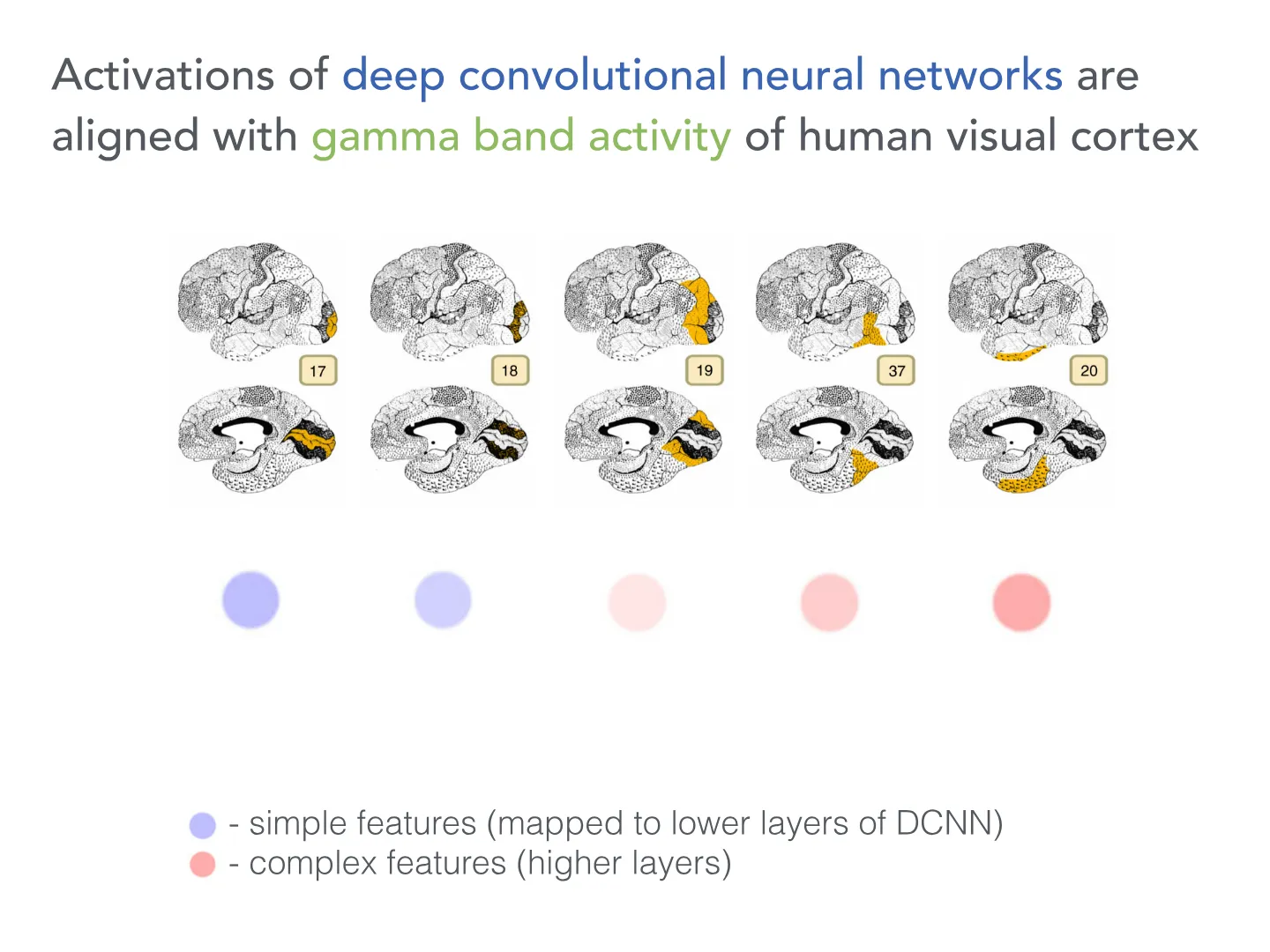
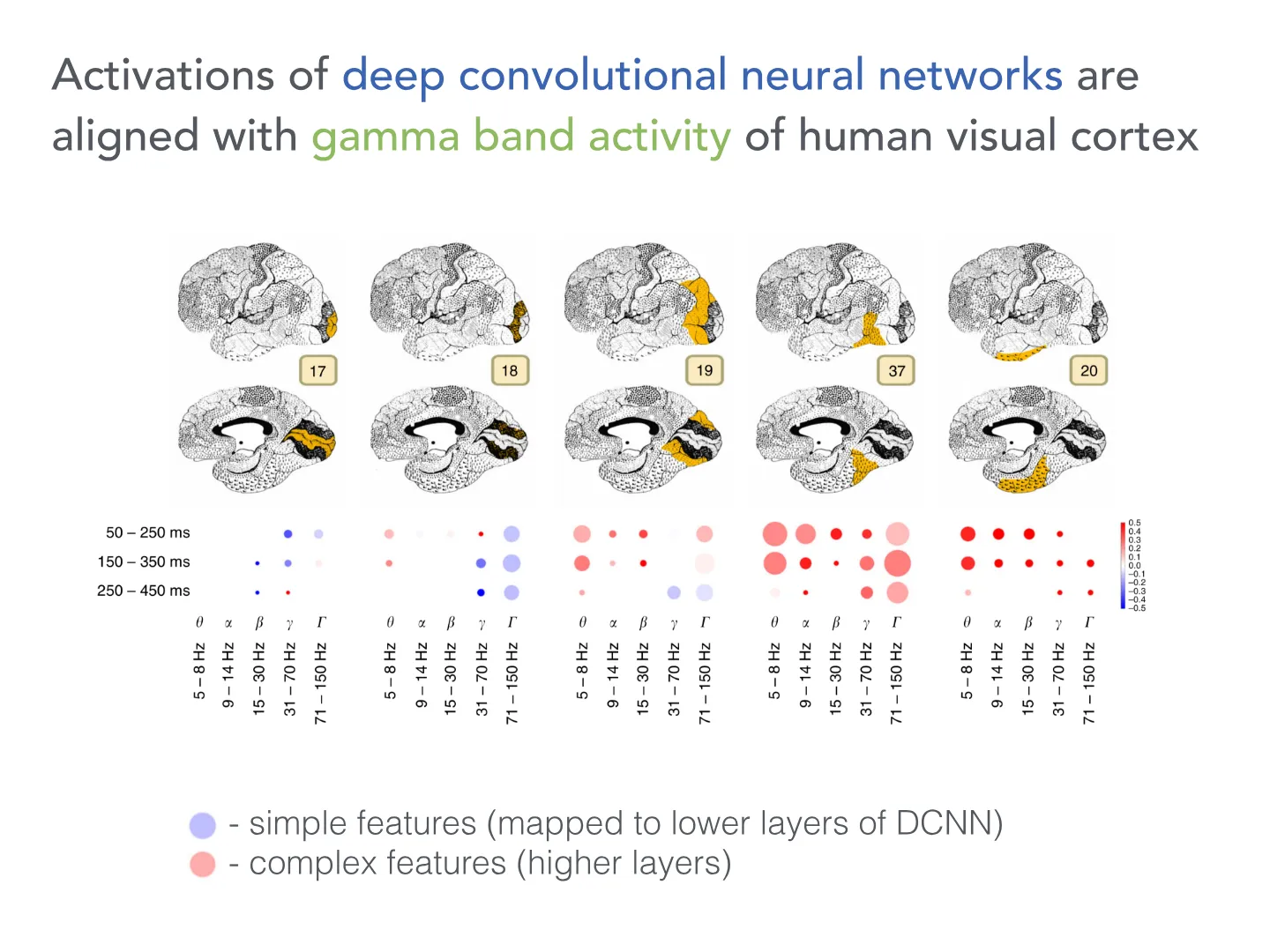
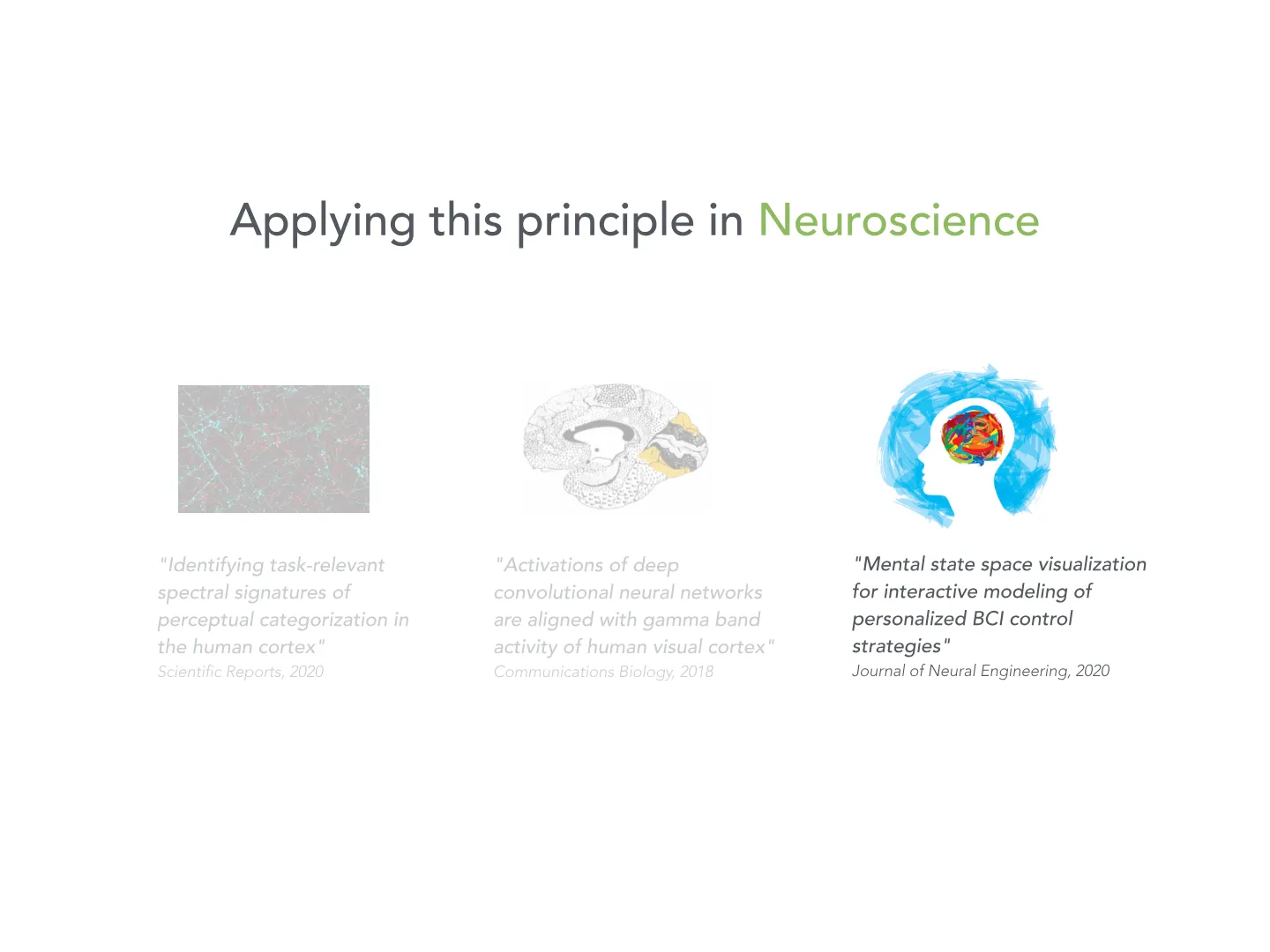
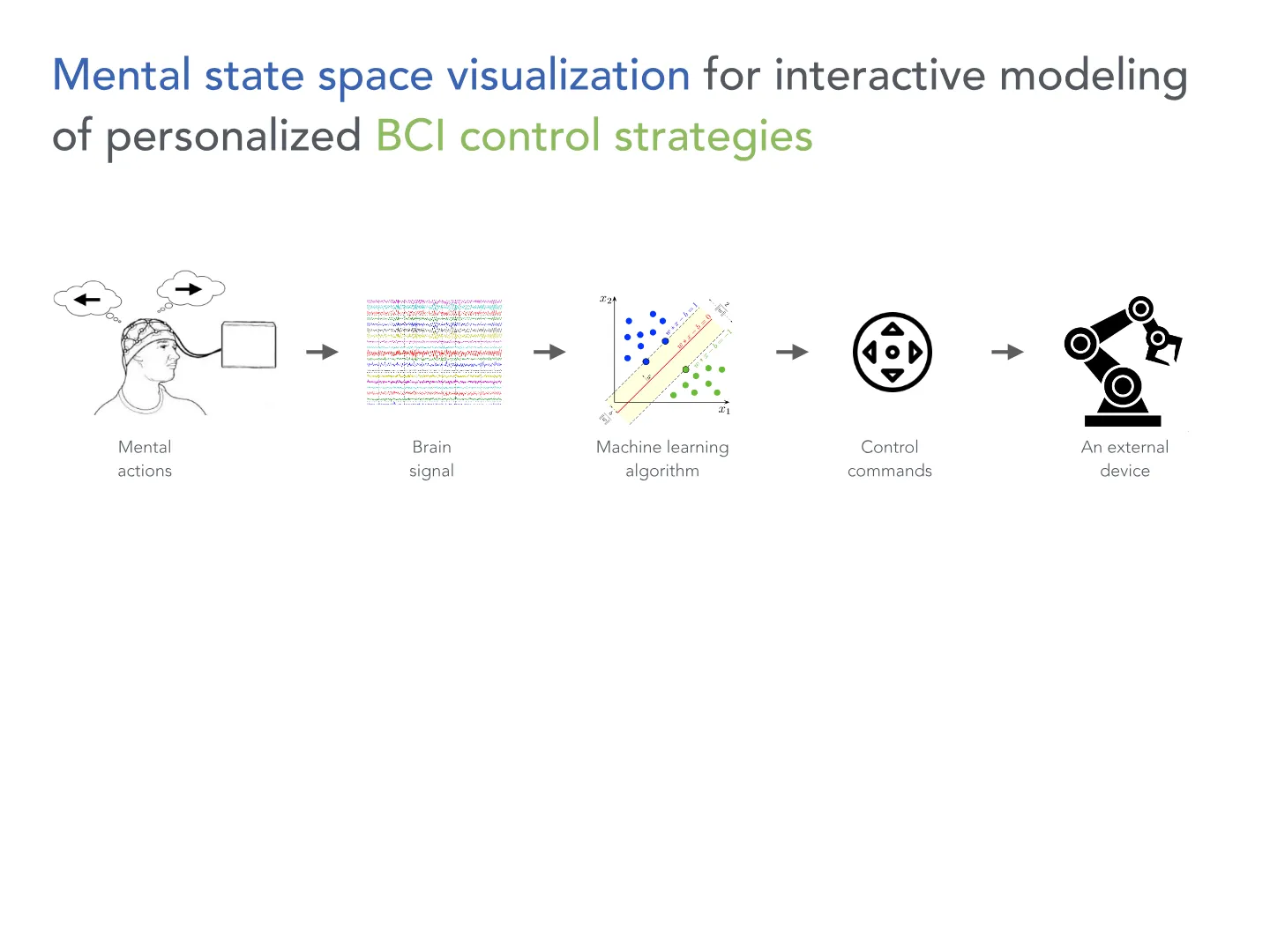
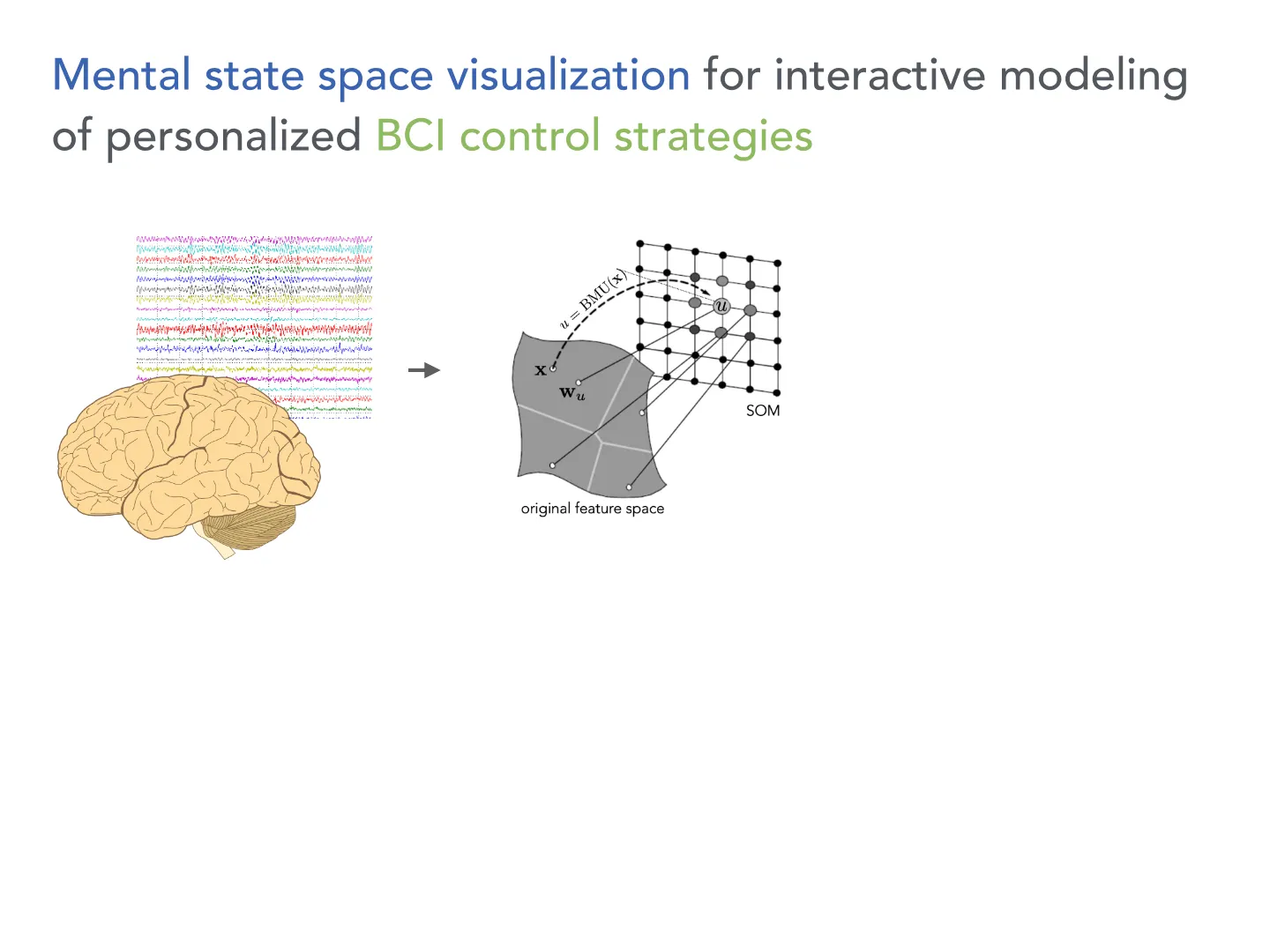
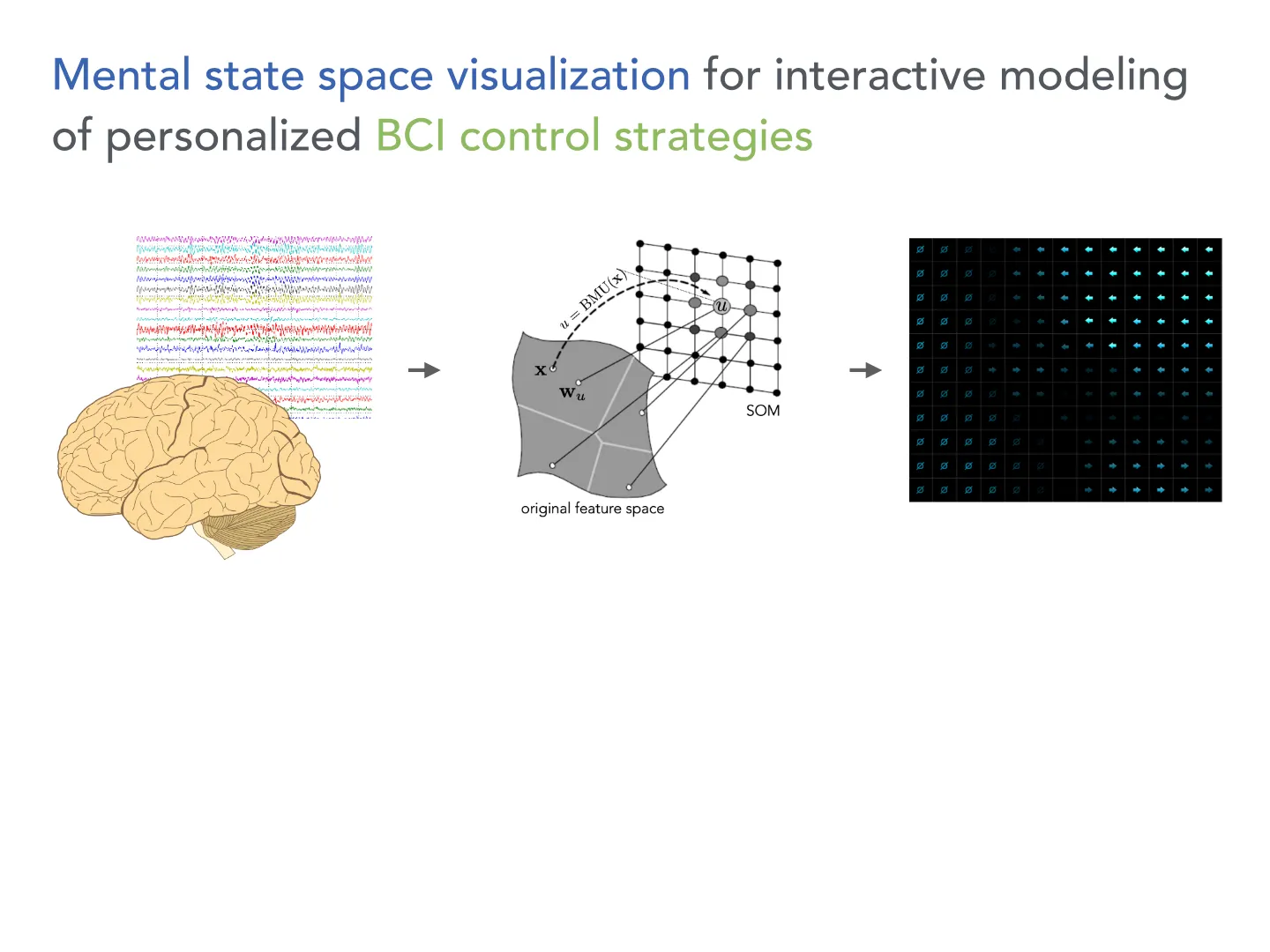
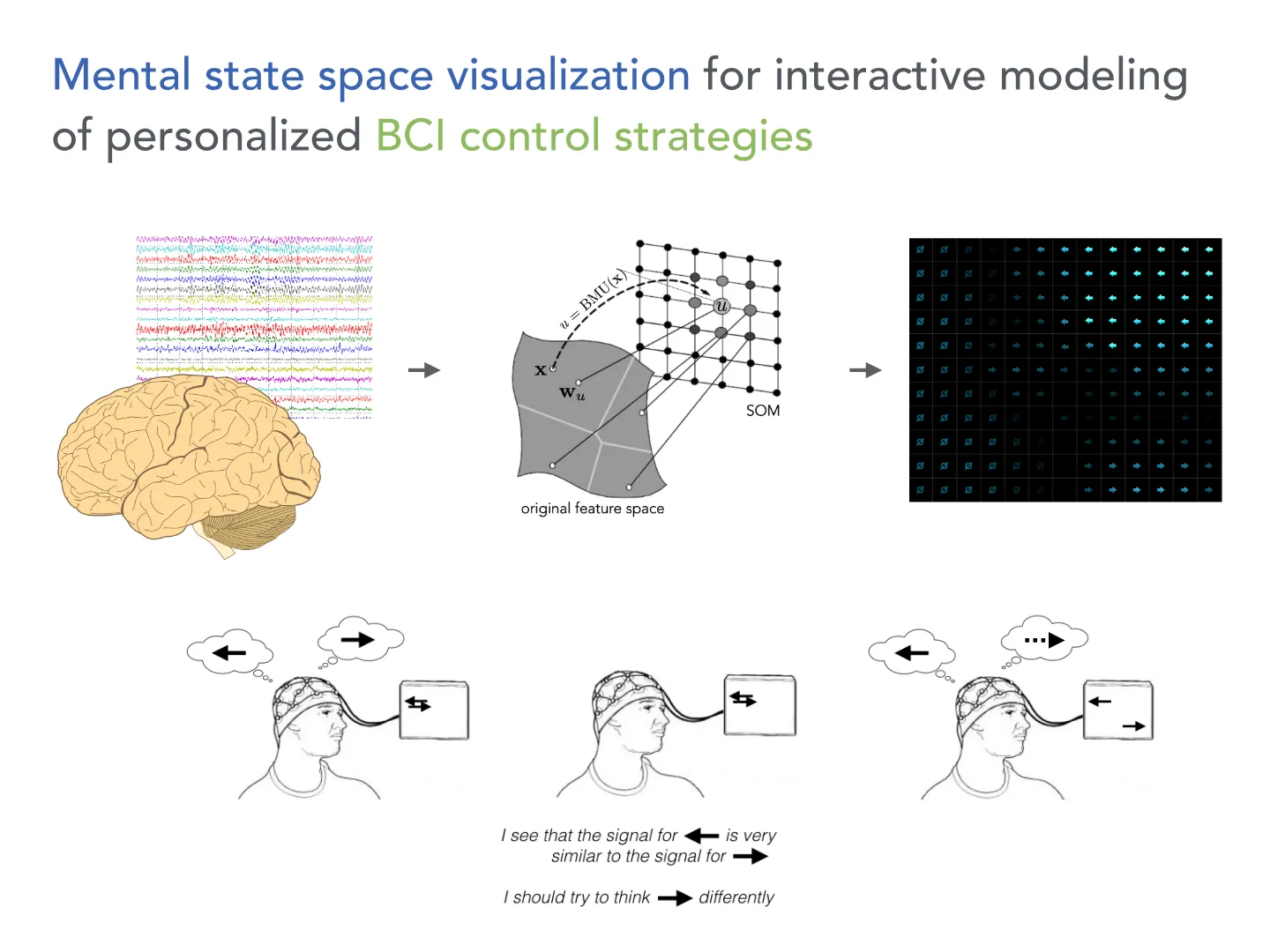
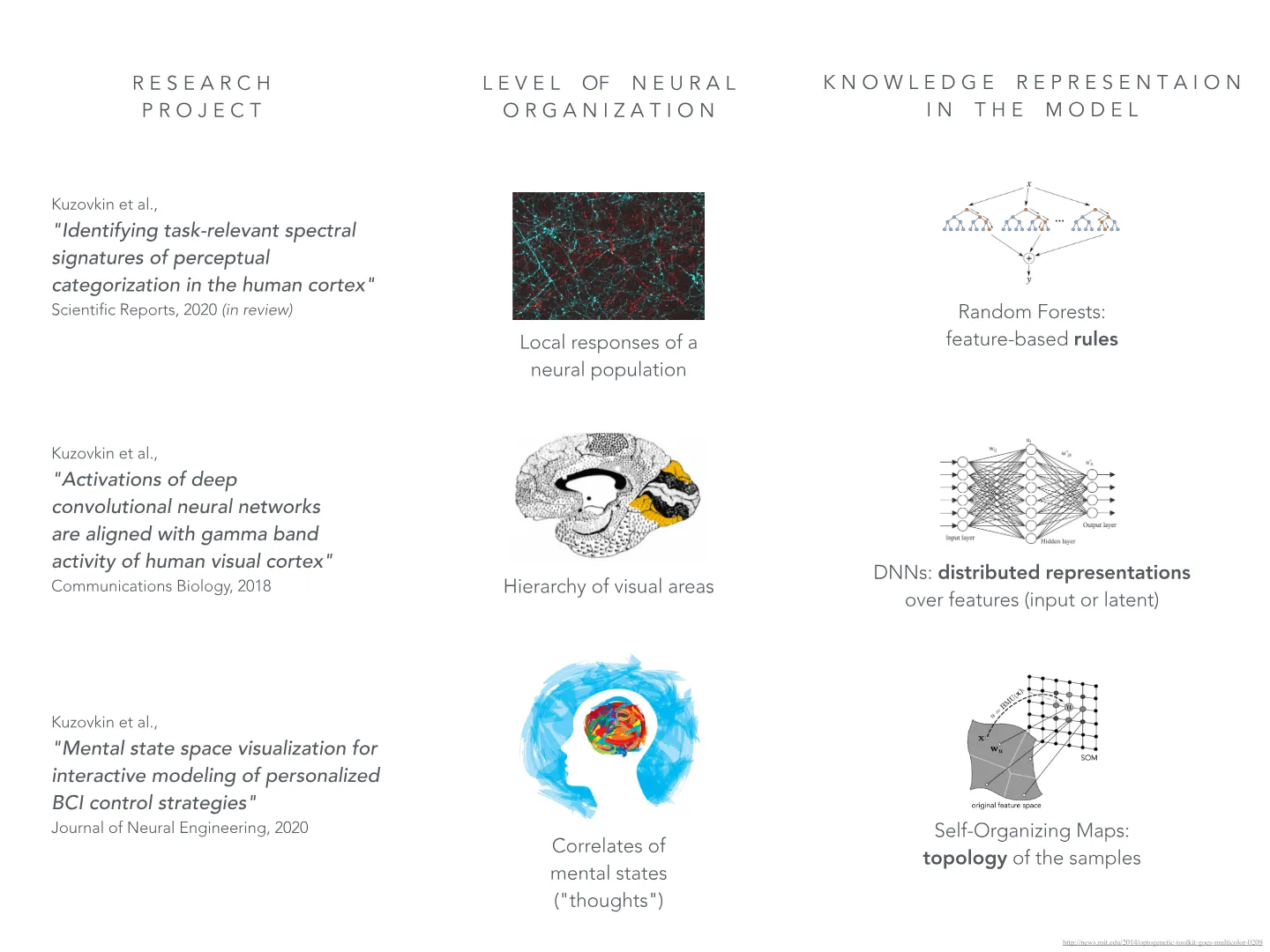
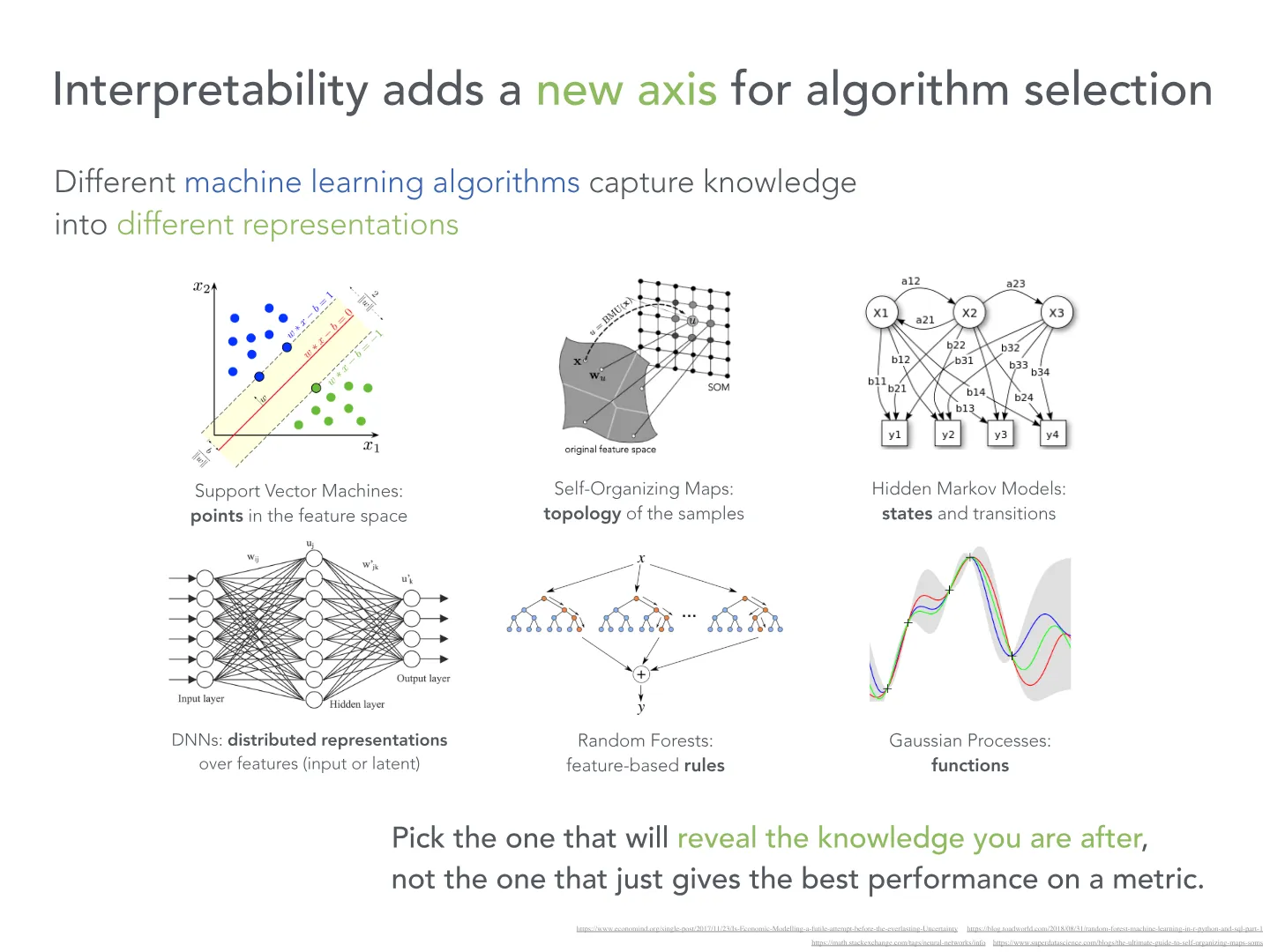
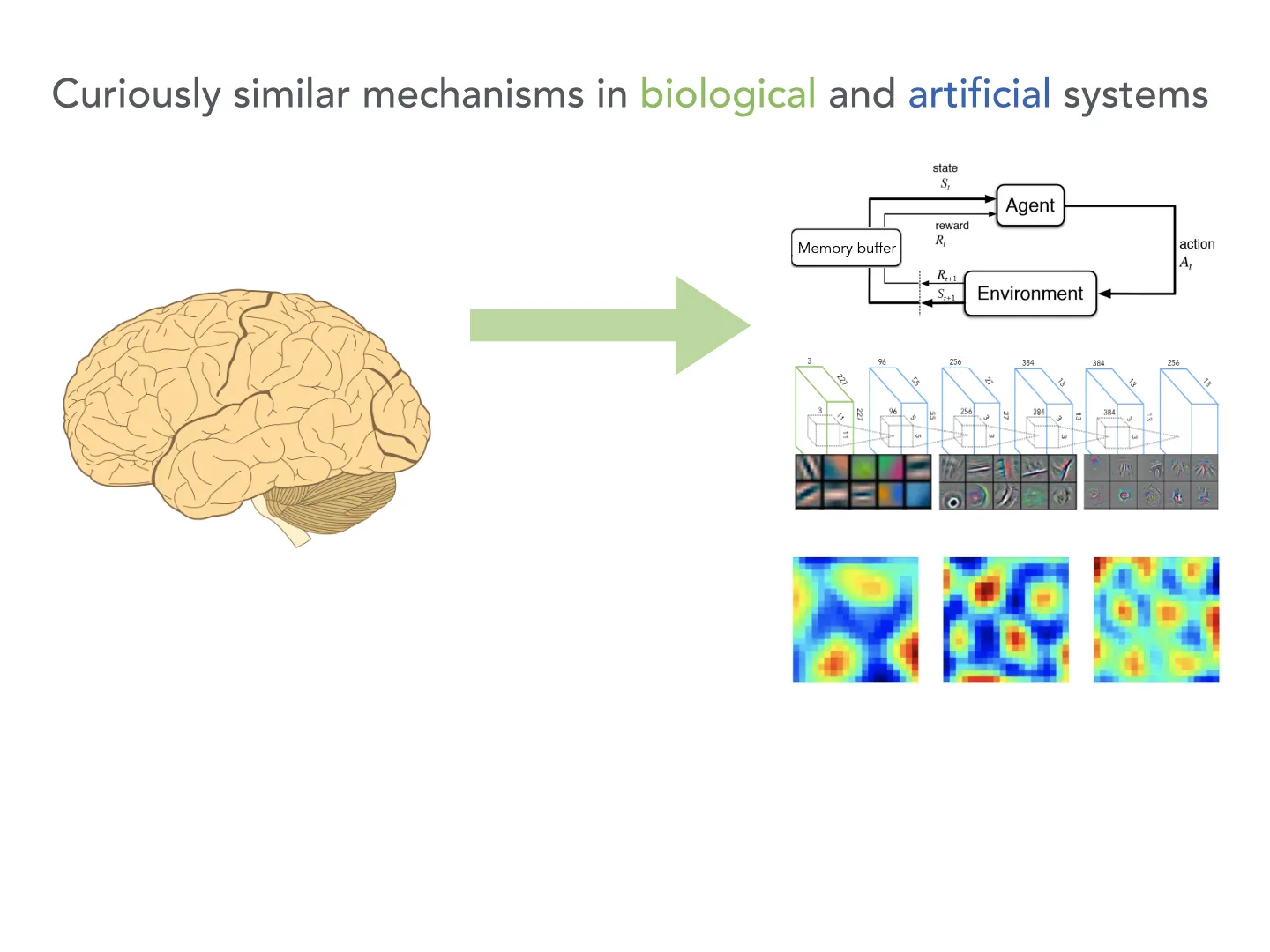
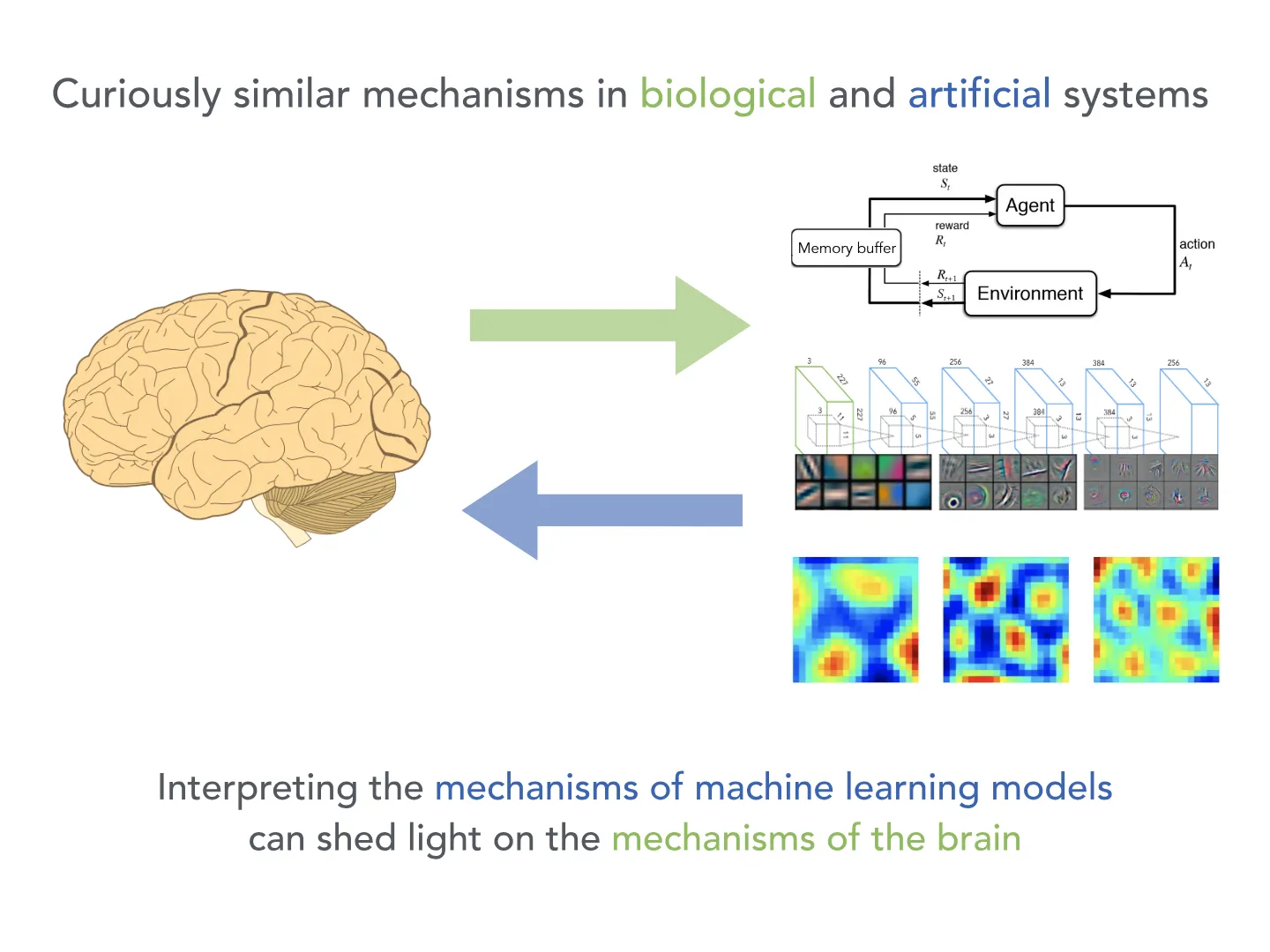
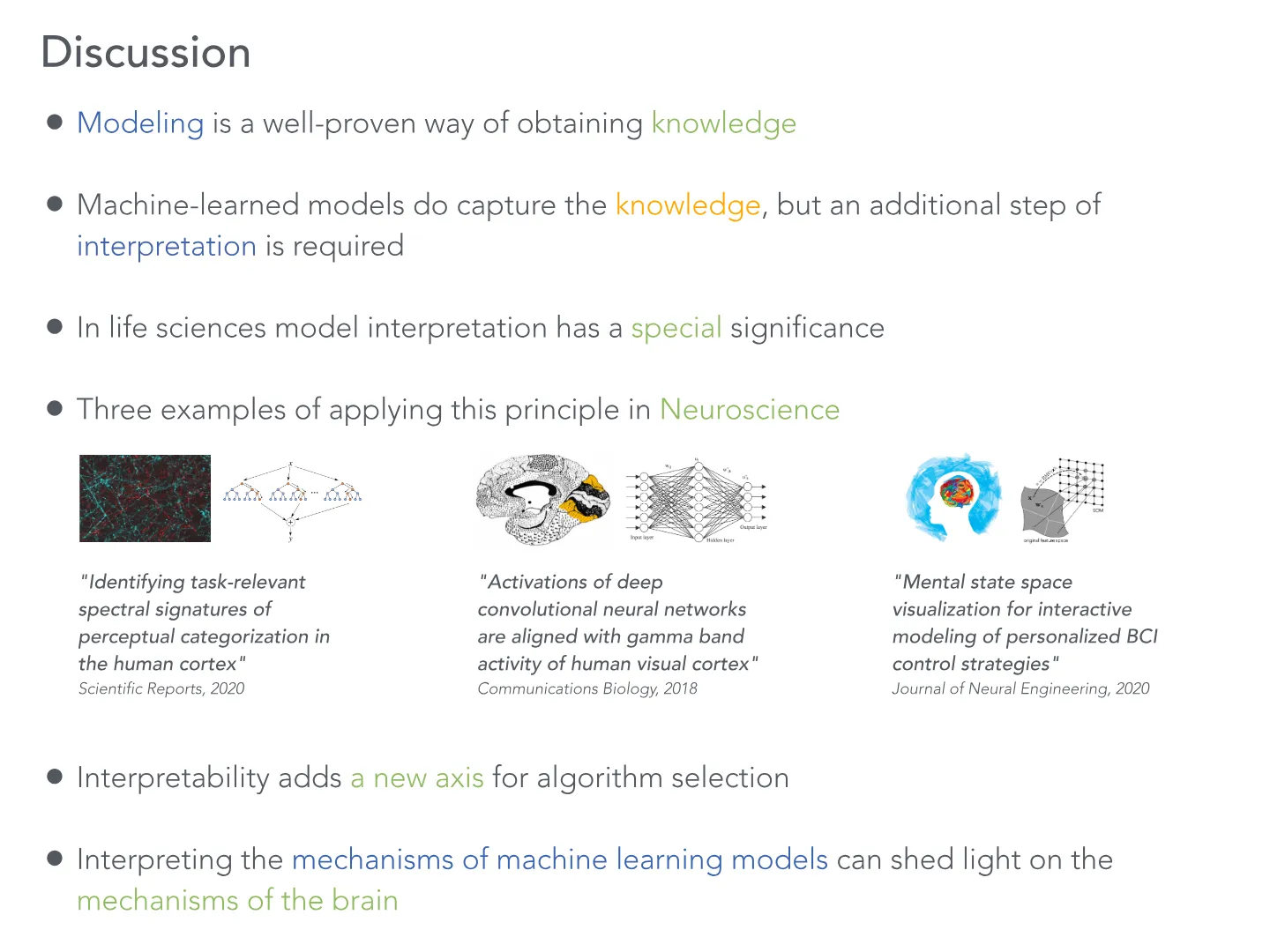
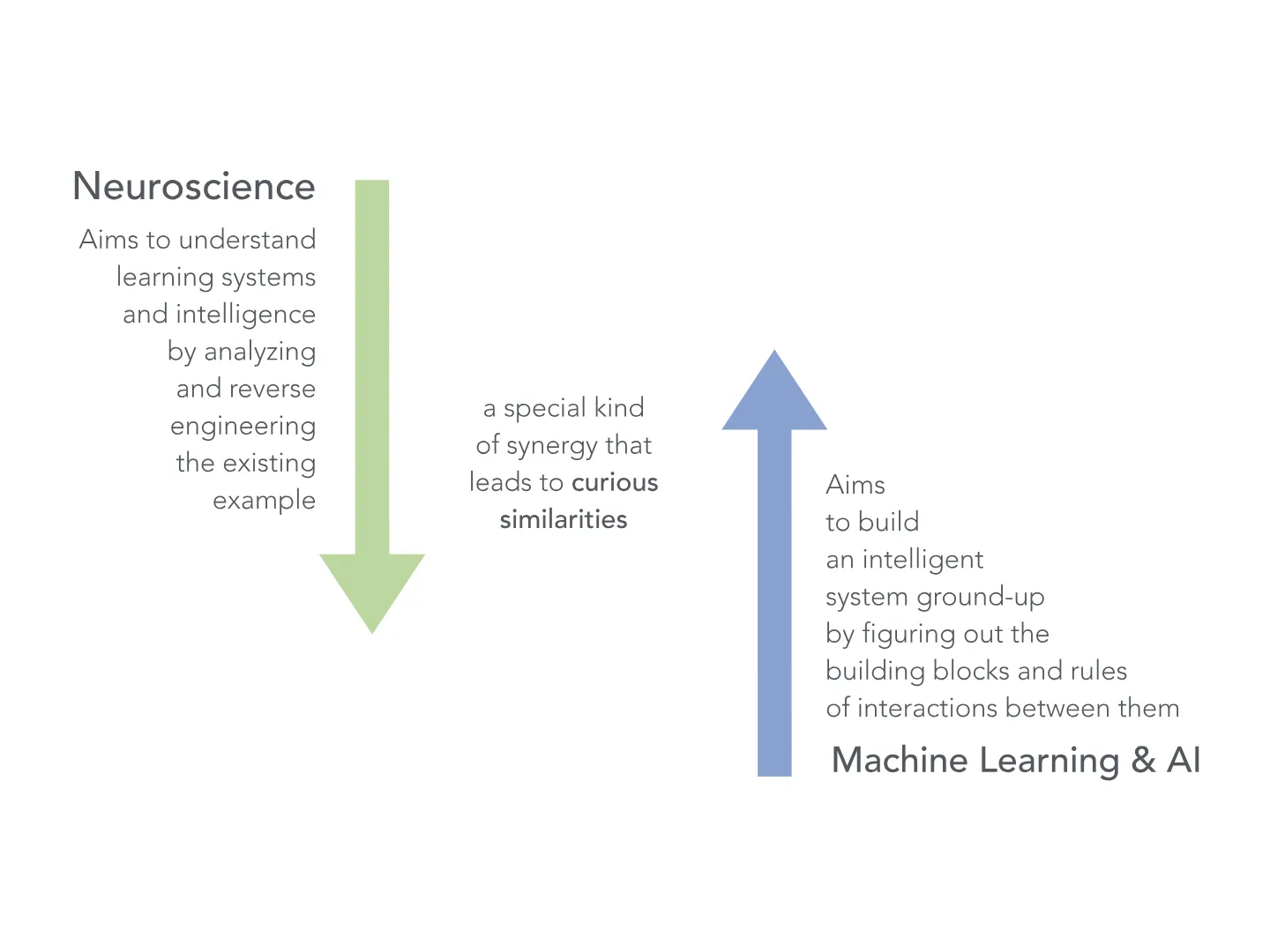
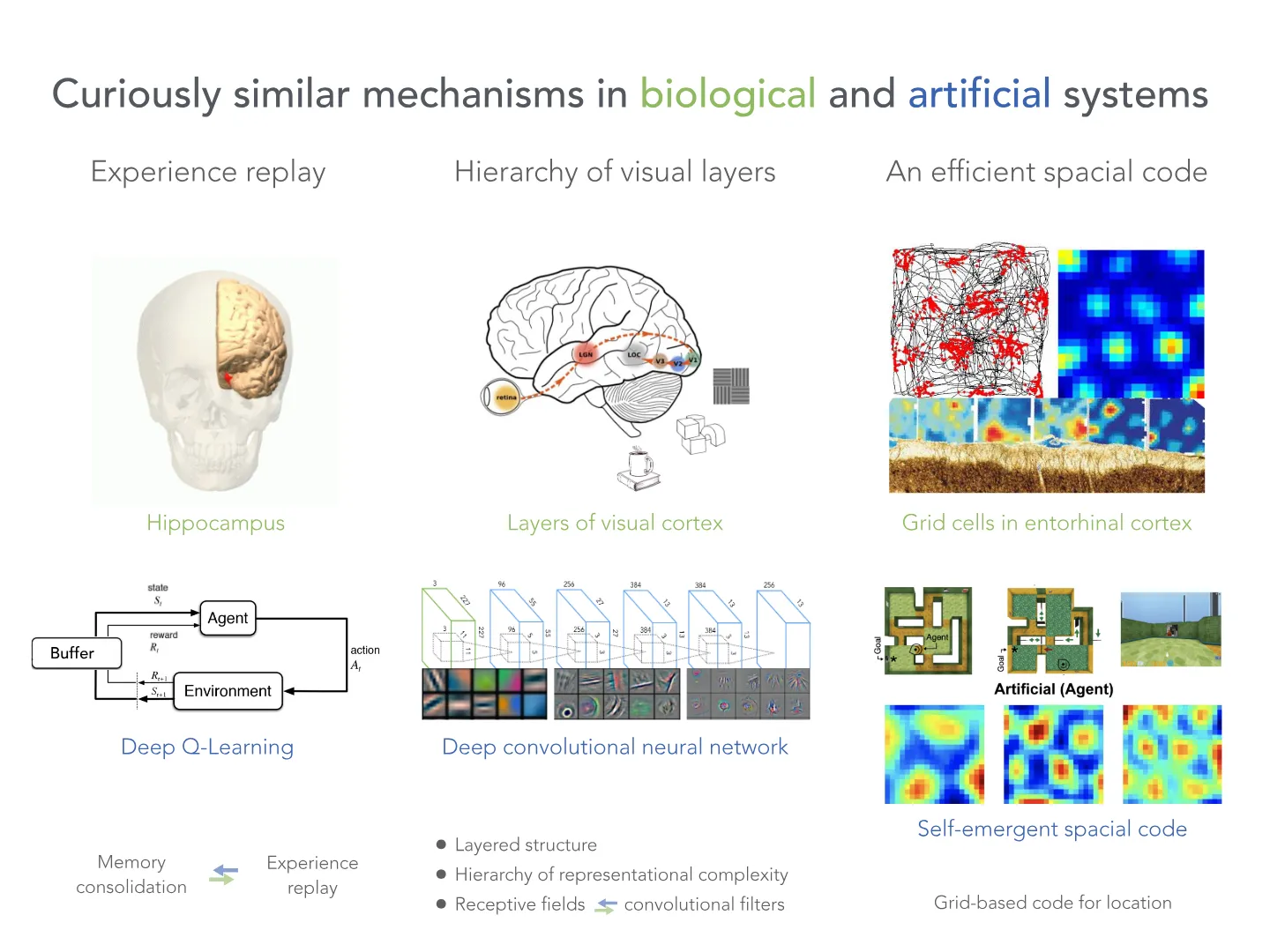
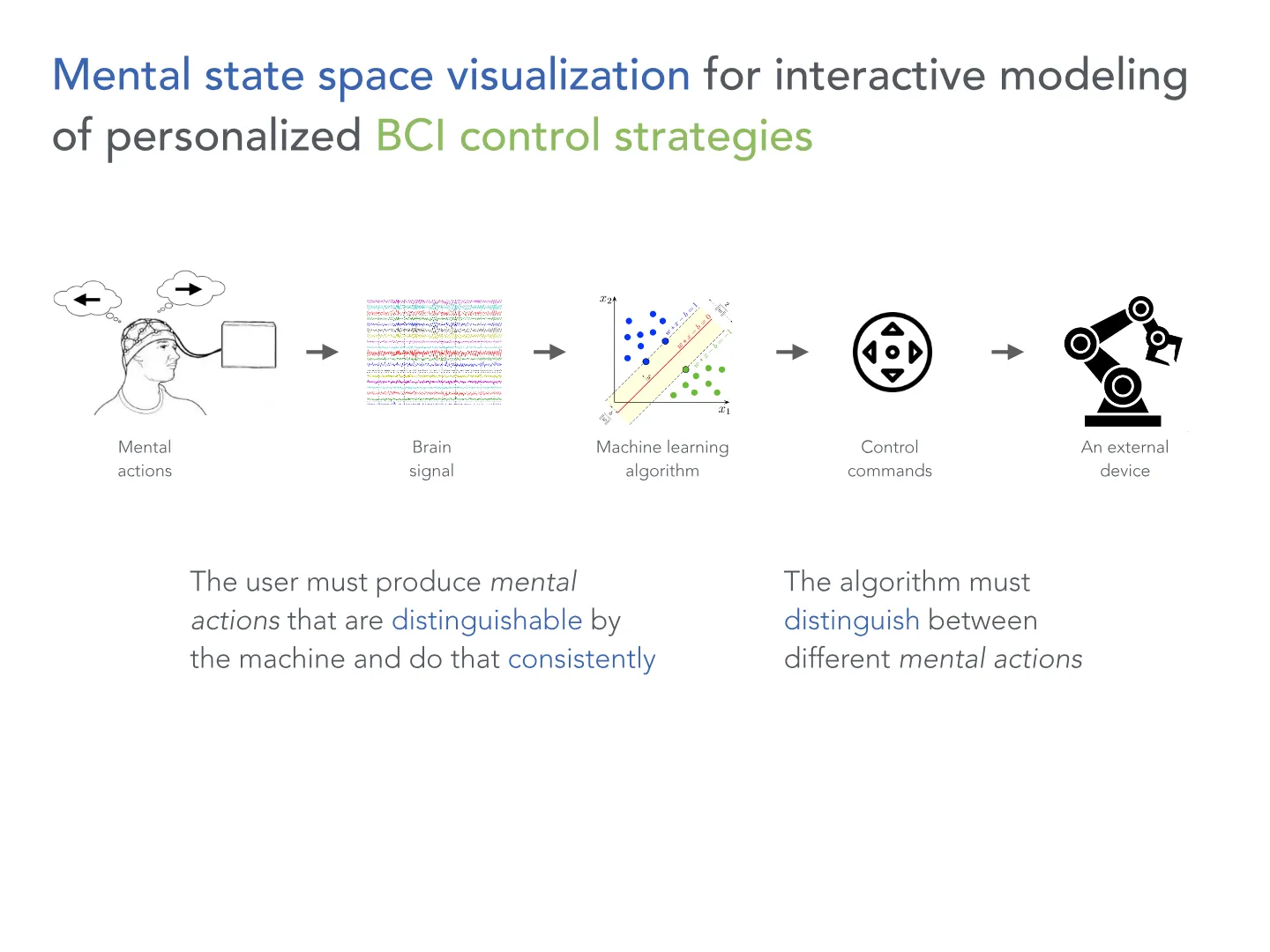
Slide 1 of 54: Understanding Information Processing in Human Brain by Interpreting Machine Learning Models Ilya Kuzovkin All models are wrong, but some are useful. – George E. P. Box Supervised by Raul VicenteSlide 2 of 54: http://ircamera.as.arizona.edu/NatSci102/NatSci102/lectures/kepler.htm https://www.helioseducore.com/keplers-laws-of-planetary-motion Modeling is a well-proven way of obtaining knowledge…Slide 3 of 54: http://ircamera.as.arizona.edu/NatSci102/NatSci102/lectures/kepler.htm Johannes Kepler Tycho Brahe's observations 27 years D A T A A L G O R I T H M M O D E L https://www.helioseducore.com/keplers-laws-of-planetary-motion Modeling is a well-proven way of obtaining knowledge…Slide 4 of 54: http://ircamera.as.arizona.edu/NatSci102/NatSci102/lectures/kepler.htm Johannes Kepler Tycho Brahe's observations 27 years D A T A A L G O R I T H M M O D E L https://www.helioseducore.com/keplers-laws-of-planetary-motion Modeling is a well-proven way of obtaining knowledge…Slide 5 of 54: http://ircamera.as.arizona.edu/NatSci102/NatSci102/lectures/kepler.htm Johannes Kepler Tycho Brahe's observations 27 years D A T A A L G O R I T H M M O D E L https://www.helioseducore.com/keplers-laws-of-planetary-motion Modeling is a well-proven way of obtaining knowledge…Slide 6 of 54: http://ircamera.as.arizona.edu/NatSci102/NatSci102/lectures/kepler.htm Johannes Kepler Tycho Brahe's observations 27 years D A T A A L G O R I T H M M O D E L https://www.helioseducore.com/keplers-laws-of-planetary-motion Modeling is a well-proven way of obtaining knowledge…Slide 7 of 54: In life sciences model interpretation has a special significance https://www.sciencenewsforstudents.org/article/life-earth-mostly-green https://www.youtube.com/watch?v=Evsqy0a_Lrk https://www.sciencemag.org/news/2018/08/scientists-tweak-dna-viable-human-embryos…Slide 8 of 54: In life sciences model interpretation has a special significance Interpretability in ML • Trust in model's decision • Legal transparency • Debugging https://www.sciencenewsforstudents.org/article/life-earth-mostly-green https://www.youtube.com/watch?v=Evsqy0a_Lrk…Slide 9 of 54: In life sciences model interpretation has a special significance Interpretability in ML • Trust in model's decision • Legal transparency • Debugging https://www.sciencenewsforstudents.org/article/life-earth-mostly-green https://www.youtube.com/watch?v=Evsqy0a_Lrk…Slide 10 of 54: In life sciences model interpretation has a special significance At this point the model knows something about the world that the scientist does not Interpretability in ML • Trust in model's decision • Legal transparency • Debugging…Slide 11 of 54: In life sciences model interpretation has a special significance At this point the model knows something about the world that the scientist does not Interpretability in ML • Trust in model's decision • Legal transparency • Debugging • Articulating the knowledge about the…Slide 12 of 54: In life sciences model interpretation has a special significance At this point the model knows something about the world that the scientist does not Interpretability in ML • Trust in model's decision • Legal transparency • Debugging • Articulating the knowledge about the…Slide 13 of 54: "Identifying task-relevant spectral signatures of perceptual categorization in the human cortex" Scientific Reports, 2020 "Activations of deep convolutional neural networks are aligned with gamma band activity of human visual cortex" Communications Biology, 2018 "Mental state…Slide 14 of 54: Identifying task-relevant spectral signatures of perceptual categorization in the human visual cortex 100 patients 12,000 electrodesSlide 15 of 54: Identifying task-relevant spectral signatures of perceptual categorization in the human visual cortex 100 patients 12,000 electrodes 4,528,400 responses 400 images from 8 categoriesSlide 16 of 54: Identifying task-relevant spectral signatures of perceptual categorization in the human visual cortex 100 patients 12,000 electrodes 4,528,400 responses 400 images from 8 categories x = { f 1 , f 2 , . . . , f 3504 , . . . , f 7008 }Slide 17 of 54: Identifying task-relevant spectral signatures of perceptual categorization in the human visual cortex 100 patients 12,000 electrodes 4,528,400 responses 400 images from 8 categories x = { f 1 , f 2 , . . . , f 3504 , . . . , f 7008 } Which parts of this brain activity are…Slide 18 of 54: Identifying task-relevant spectral signatures of perceptual categorization in the human visual cortex 100 patients 12,000 electrodes 4,528,400 responses 400 images from 8 categories x = { f 1 , f 2 , . . . , f 3504 , . . . , f 7008 } Feature importance map Which parts of this…Slide 19 of 54: Identifying task-relevant spectral signatures of perceptual categorization in the human visual cortex Multiple brain regions respond when a stimulus is shown, but only a small fraction (5%) are predictive of a category.Slide 20 of 54: Identifying task-relevant spectral signatures of perceptual categorization in the human visual cortex While some locations are predictive of multiple visual categories, others have narrow specialization .Slide 21 of 54: Identifying task-relevant spectral signatures of perceptual categorization in the human visual cortexSlide 22 of 54: Identifying task-relevant spectral signatures of perceptual categorization in the human visual cortexSlide 23 of 54: Identifying task-relevant spectral signatures of perceptual categorization in the human visual cortex It is believed that high-frequency activity reflects the information processing during high cognitive tasks. We show that low-frequency activity is almost as important for the…Slide 24 of 54: "Identifying task-relevant spectral signatures of perceptual categorization in the human cortex" Scientific Reports, 2020 "Activations of deep convolutional neural networks are aligned with gamma band activity of human visual cortex" Communications Biology, 2018 "Mental state…Slide 25 of 54: Activations of deep convolutional neural networks are aligned with gamma band activity of human visual cortexSlide 26 of 54: Activations of deep convolutional neural networks are aligned with gamma band activity of human visual cortexSlide 27 of 54: Activations of deep convolutional neural networks are aligned with gamma band activity of human visual cortex From previous fMRI research we knew that there is a mapping between the hierarchies Intracranial electrophysiological data allowed us to learn when and at which…Slide 28 of 54: Activations of deep convolutional neural networks are aligned with gamma band activity of human visual cortexSlide 29 of 54: Activations of deep convolutional neural networks are aligned with gamma band activity of human visual cortexSlide 30 of 54: Activations of deep convolutional neural networks are aligned with gamma band activity of human visual cortexSlide 31 of 54: Activations of deep convolutional neural networks are aligned with gamma band activity of human visual cortexSlide 32 of 54: Activations of deep convolutional neural networks are aligned with gamma band activity of human visual cortexSlide 33 of 54: Activations of deep convolutional neural networks are aligned with gamma band activity of human visual cortexSlide 34 of 54: - simple features (mapped to lower layers of DCNN) - complex features (higher layers) Activations of deep convolutional neural networks are aligned with gamma band activity of human visual cortexSlide 35 of 54: - simple features (mapped to lower layers of DCNN) - complex features (higher layers) Activations of deep convolutional neural networks are aligned with gamma band activity of human visual cortexSlide 36 of 54: "Identifying task-relevant spectral signatures of perceptual categorization in the human cortex" Scientific Reports, 2020 "Activations of deep convolutional neural networks are aligned with gamma band activity of human visual cortex" Communications Biology, 2018 "Mental state…Slide 37 of 54: Mental state space visualization for interactive modeling of personalized BCI control strategies Mental actions Machine learning algorithm Control commands An external device Brain signalSlide 38 of 54: Mental state space visualization for interactive modeling of personalized BCI control strategies Mental actions Machine learning algorithm Control commands An external device Brain signal The algorithm must distinguish between different mental actions The user must produce…Slide 39 of 54: Mental state space visualization for interactive modeling of personalized BCI control strategies Mental actions Machine learning algorithm Control commands An external device Neural signal The algorithm must distinguish between different mental actions The user must produce…Slide 40 of 54: Mental state space visualization for interactive modeling of personalized BCI control strategiesSlide 41 of 54: Mental state space visualization for interactive modeling of personalized BCI control strategiesSlide 42 of 54: Mental state space visualization for interactive modeling of personalized BCI control strategiesSlide 43 of 54: L E V E L OF N E U R A L O R G A N I Z A T I O N K N O W L E D G E R E P R E S E N T A I O N I N T H E M O D E L Random Forests: feature-based rules Self-Organizing Maps: topology of the samples DNNs: distributed representations over features (input or latent)…Slide 44 of 54: Interpretability adds a new axis for algorithm selection Different machine learning algorithms capture knowledge into different representations Pick the one that will reveal the knowledge you are after, not the one that just gives the best performance on a metric. Support Vector…Slide 45 of 54: Memory buffer Curiously similar mechanisms in biological and artificial systemsSlide 46 of 54: Interpreting the mechanisms of machine learning models can shed light on the mechanisms of the brain Memory buffer Curiously similar mechanisms in biological and artificial systemsSlide 47 of 54: • Modeling is a well-proven way of obtaining knowledge • Machine-learned models do capture the knowledge, but an additional step of interpretation is required • In life sciences model interpretation has a special significance • Three examples of applying this principle in…Slide 48 of 54Slide 49 of 54: This would not be possible without the constant flow of ideas born at the seminars, lunch breaks, discussions with Anna Leontjeva, Tambet Matiisen, Jaan Aru, Ardi Tampuu , Kristjan Korjus and all lab members and alumni, students, and co-authors, the support and knowledge given…Slide 50 of 54Slide 51 of 54Slide 52 of 54Slide 53 of 54: Neuroscience Machine Learning & AI Aims to understand learning systems and intelligence by analyzing and reverse engineering the existing example Aims to build an intelligent system ground-up by figuring out the building blocks and rules of interactions between them a special…Slide 54 of 54: Hippocampus Curiously similar mechanisms in biological and artificial systems Experience replay Hierarchy of visual layers An efficient spacial code Memory consolidation Buffer Deep Q-Learning Experience replay Layers of visual cortex Deep convolutional neural network • Layered…
1 / 54

Understanding Information Processing in Human Brain by Interpreting Machine Learning Models – PhD Defense Slides

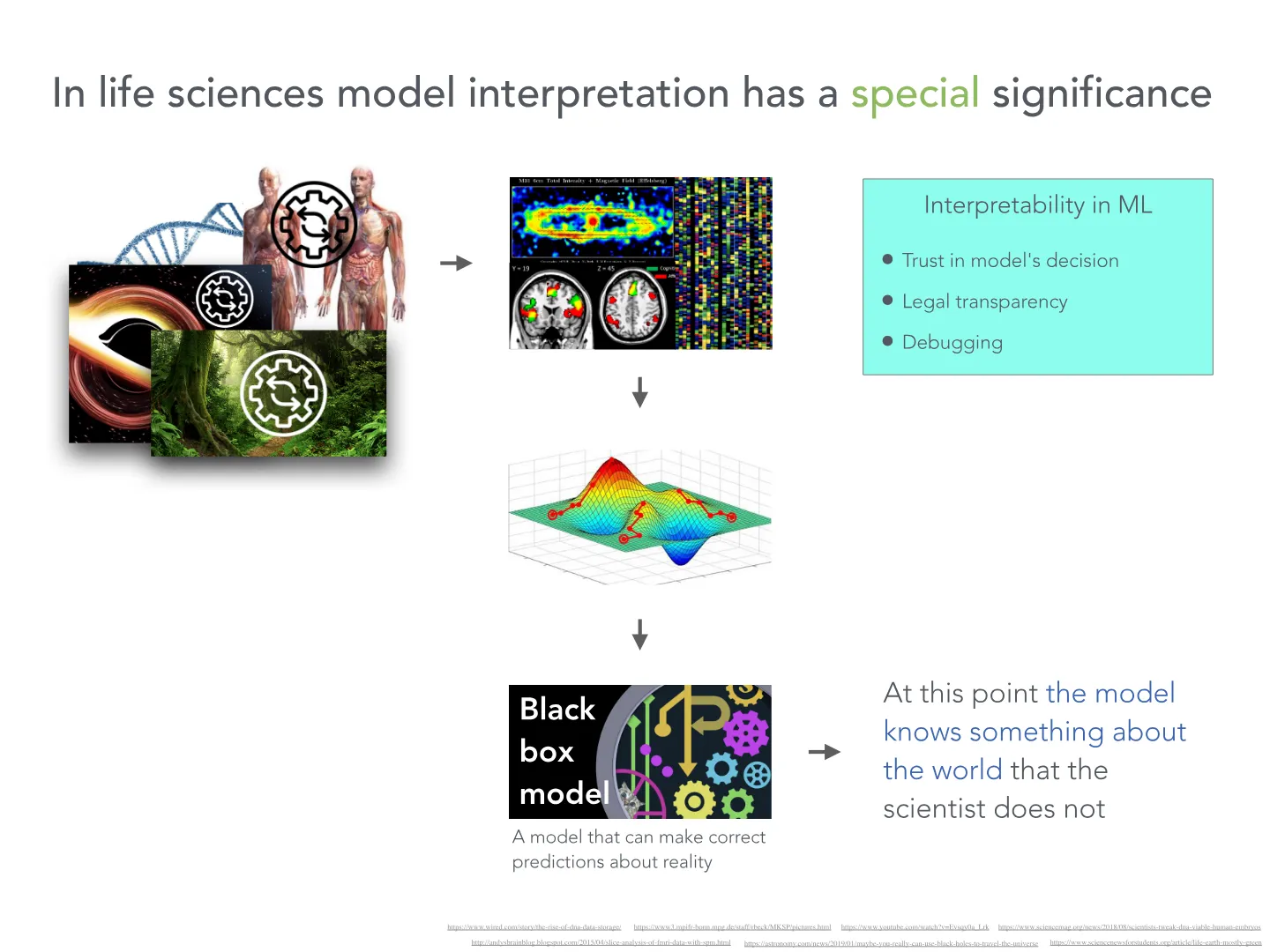
Neuroscience is traditionally a hypothesis-driven discipline: a hypothesis has to be put forward first, before collecting and analyzing the data that will support or invalidate the hypothesis. Given the amount of work that is required to complete a study, the reason for the process being set up in this way has a solid ground. However, with the new ways of automatic knowledge discovery the time that is required to complete the process has decreased and the balance between hypothesis-driven and exploratory, data-driven, approaches is starting to change. In this work we put forward the argument that machine learning algorithms can act as automatic builders of insightful computational models of neurological processes. These methods can build models that rely on much larger arrays of data and explore much more complex relationships than a human modeler could. The tools that exist to estimate a model’s generalization ability act as a test of a model’s elegance and applicability to the general case. The human effort can thus be shifted from manually inferring the knowledge from data to interpreting the models that were produced automatically and articulating their mechanisms into intuitive explanations of reality.
A video recording of the defense procedure at the Institute of Computer Science of the University of Tartu

In Chapter 1 of the thesis we explore the history of the symbiosis between the fields of neuroscience and machine learning, evidencing the fact that those areas of scientific discovery have a lot in common and discoveries in one often lead to progress in another. Chapter 2 explores more formally what it would take to create an intuitive description of a neurological process from a machine-learned model. We discuss the subfield of interpretable machine learning, which provides the tools for in-depth analysis of machine learning models. When applied to neural data, it makes those models into a source of insights about the inner workings of the brain. We then propose a taxonomy of machine learning algorithms that is based on the internal knowledge representation a model relies on to make its predictions.
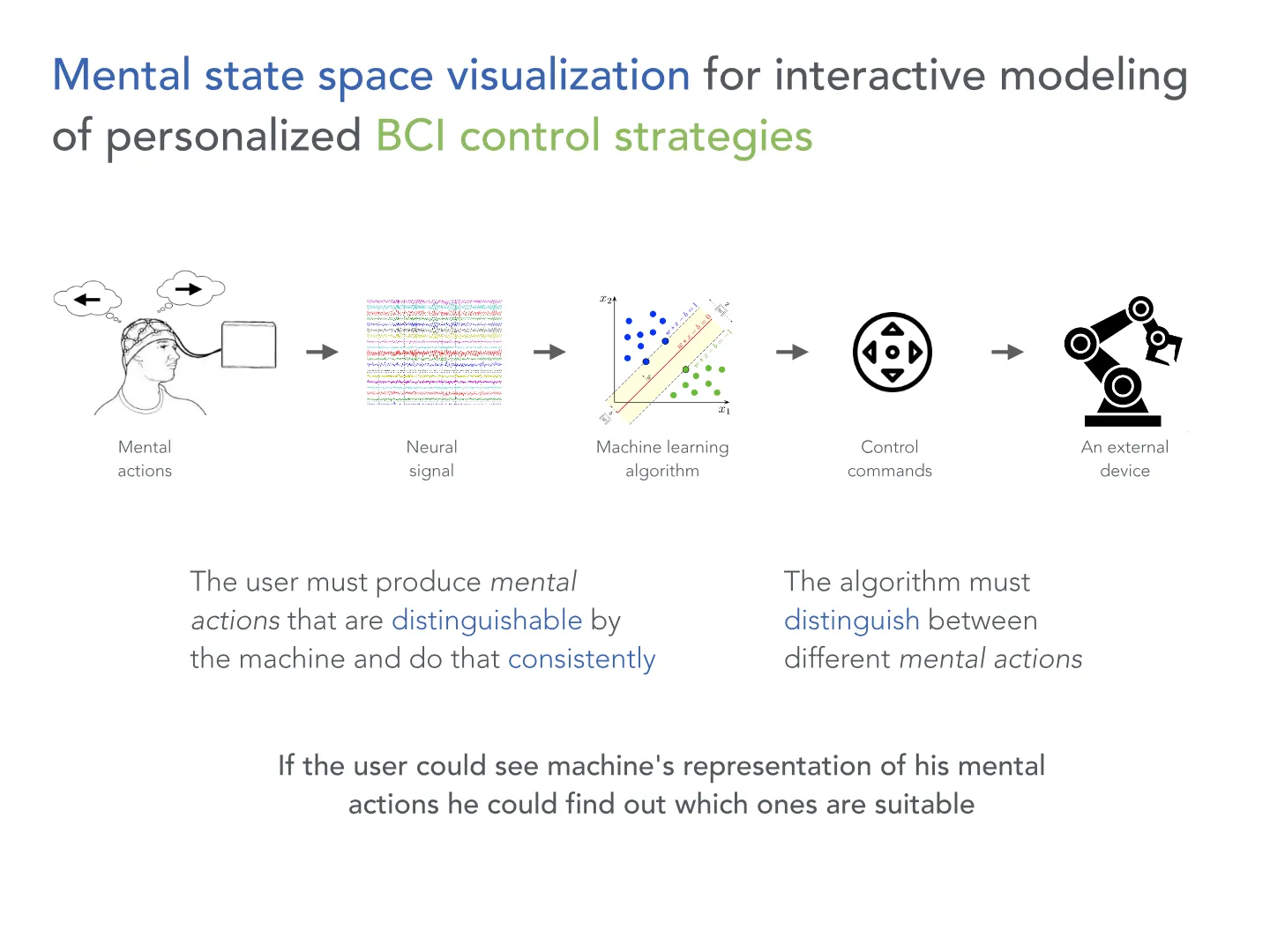
In the following chapters 3, 4 and 5 we provide examples of scientific studies we have conducted to gain knowledge about the human brain by interpreting machine learning models trained on neurological data. The studies present the applicability of the described approach on three different levels of neural organization: Chapter 3 shows how the analysis of a decoder trained on human intracerebral recordings leads to a better understanding of category-specific patterns of activity in the human visual cortex. Chapter 4 compares the structure of the human visual system with the structure of an artificial system of vision by quantifying the similarities between knowledge representations these two systems use. The final chapter makes a step into an even higher level of abstraction and employs a topology-preserving dimensionality reduction technique in conjunction with real-time visualization to explore relative distances between a human subject’s mental states.

With this work we aim to demonstrate that machine learning provides a set of readily available tools to facilitate automatic knowledge discovery in neuroscience, make a step forward in our ways of creating computational models, and highlight the importance and unique areas of applicability of the exploratory data-driven approach to neuroscientific inquiry.

The text of the thesis at arXiv: https://arxiv.org/abs/2010.08715.
Manuscript at the repository of the University of Tartu: https://dspace.ut.ee/handle/10062/68435.

Presentation slides: Ilya-Kuzovkin-PhD-Understanding-Brain-via-Machine-Learning-Models.pdf.
And also at SlideShare https://www.slideshare.net/iljakuzovkin/understanding-information-processing-in-human-brain-by-interpreting-machine-learning-models-phd-thesis-defense.

A video recording of the defense procedure can be seen directly here above or at https://www.uttv.ee/naita?id=30480.