neuroscience · slides · talks & lectures

Machine Learning on Neuroimaging Data
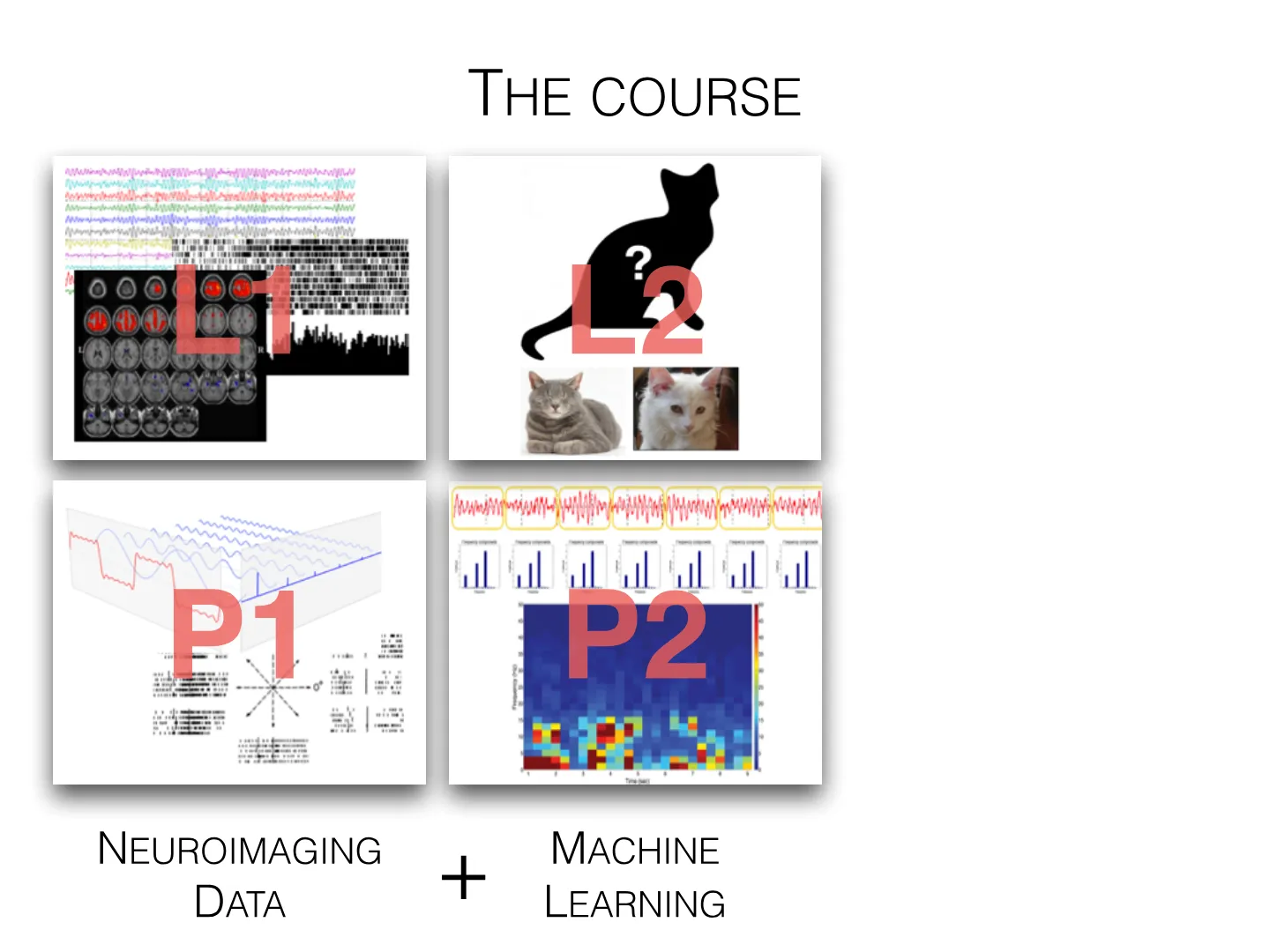
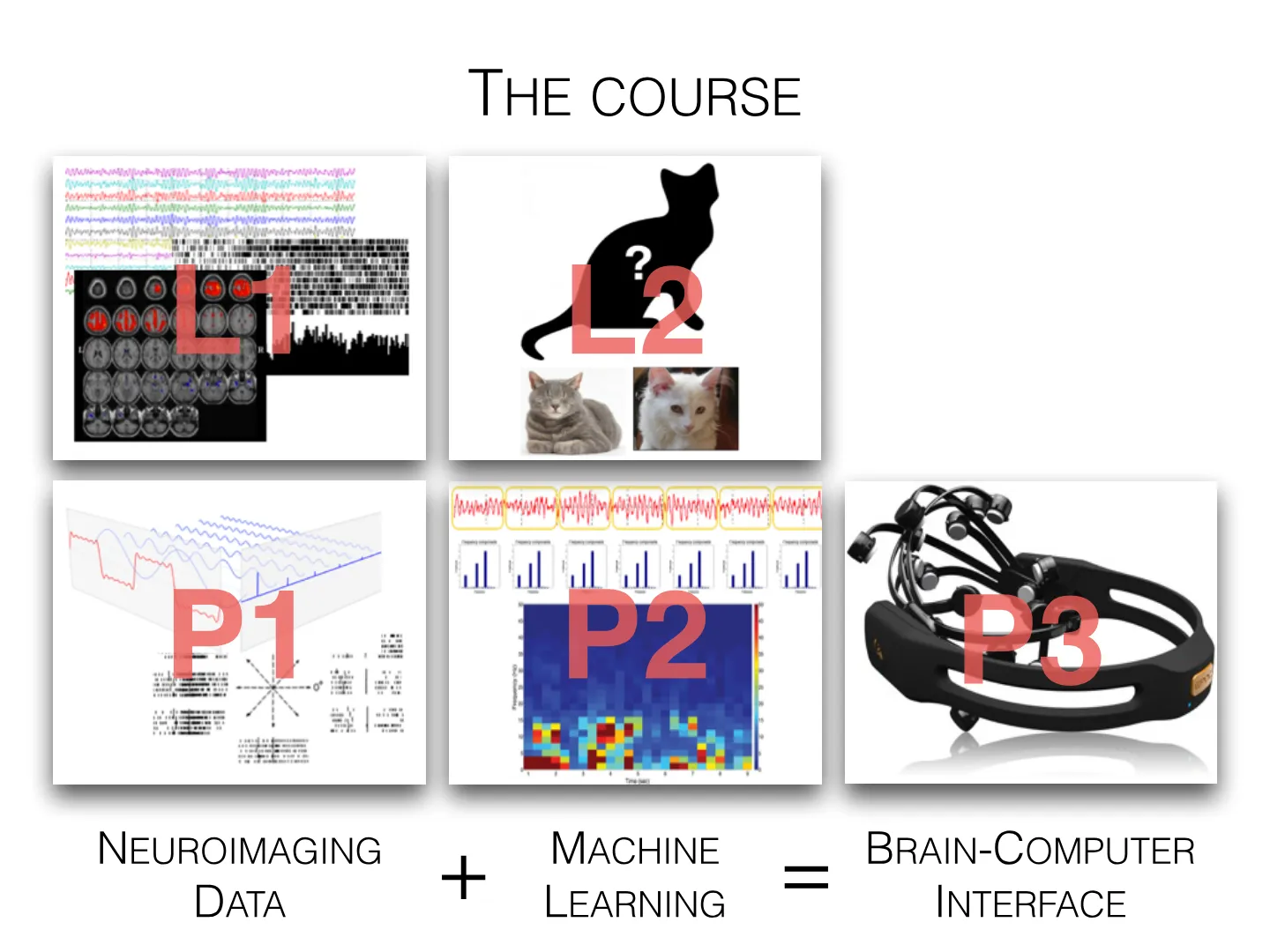
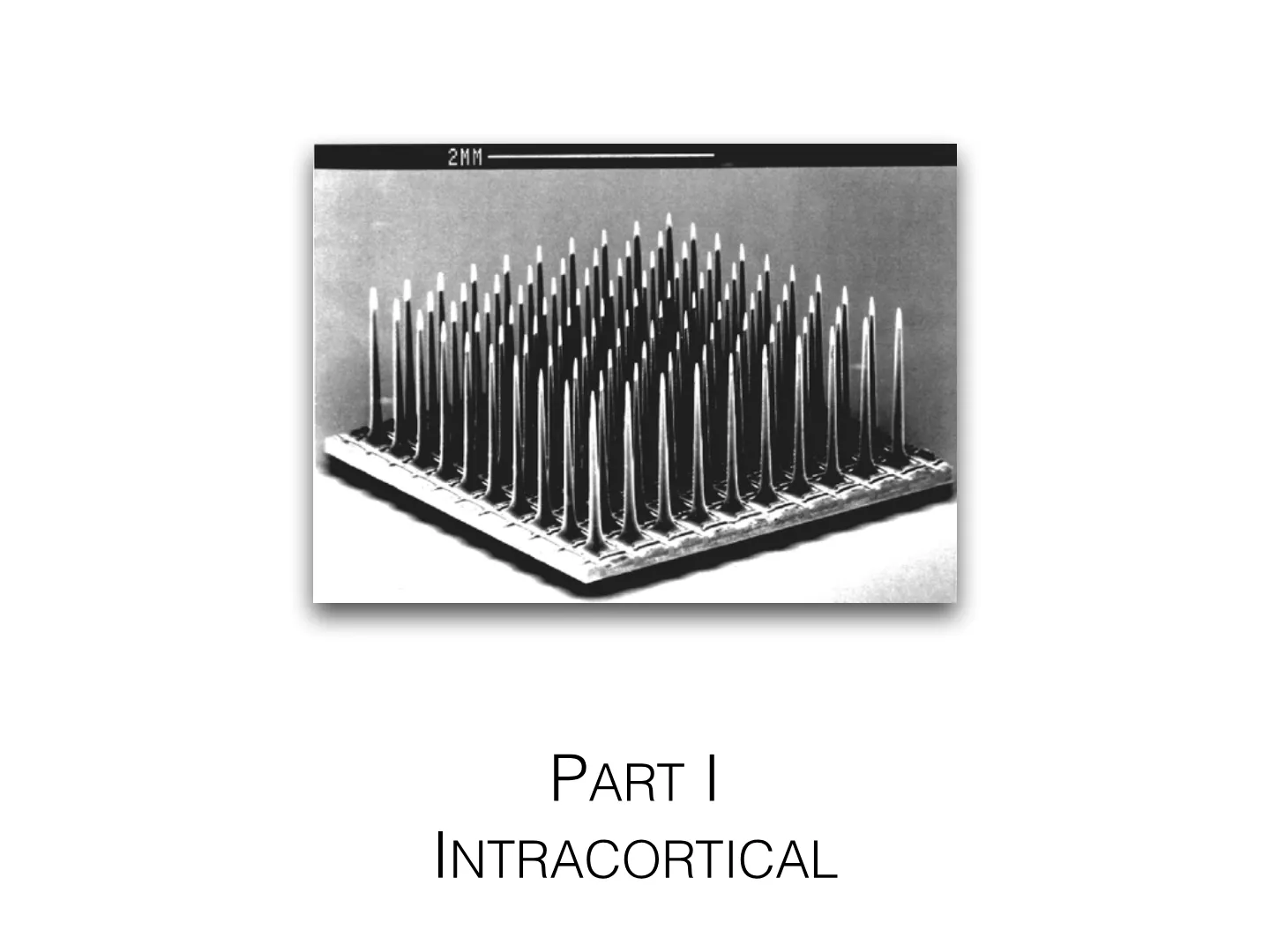
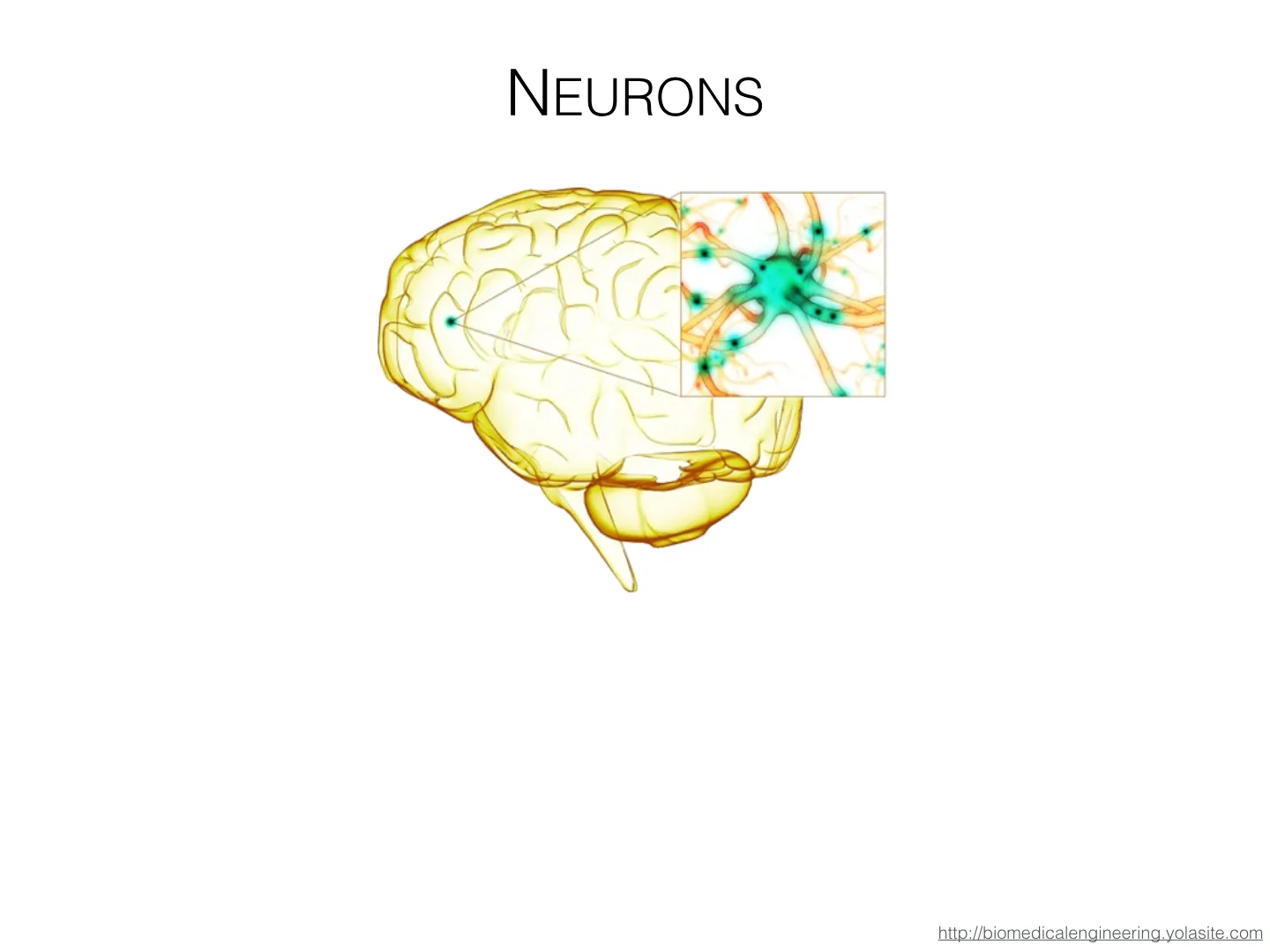
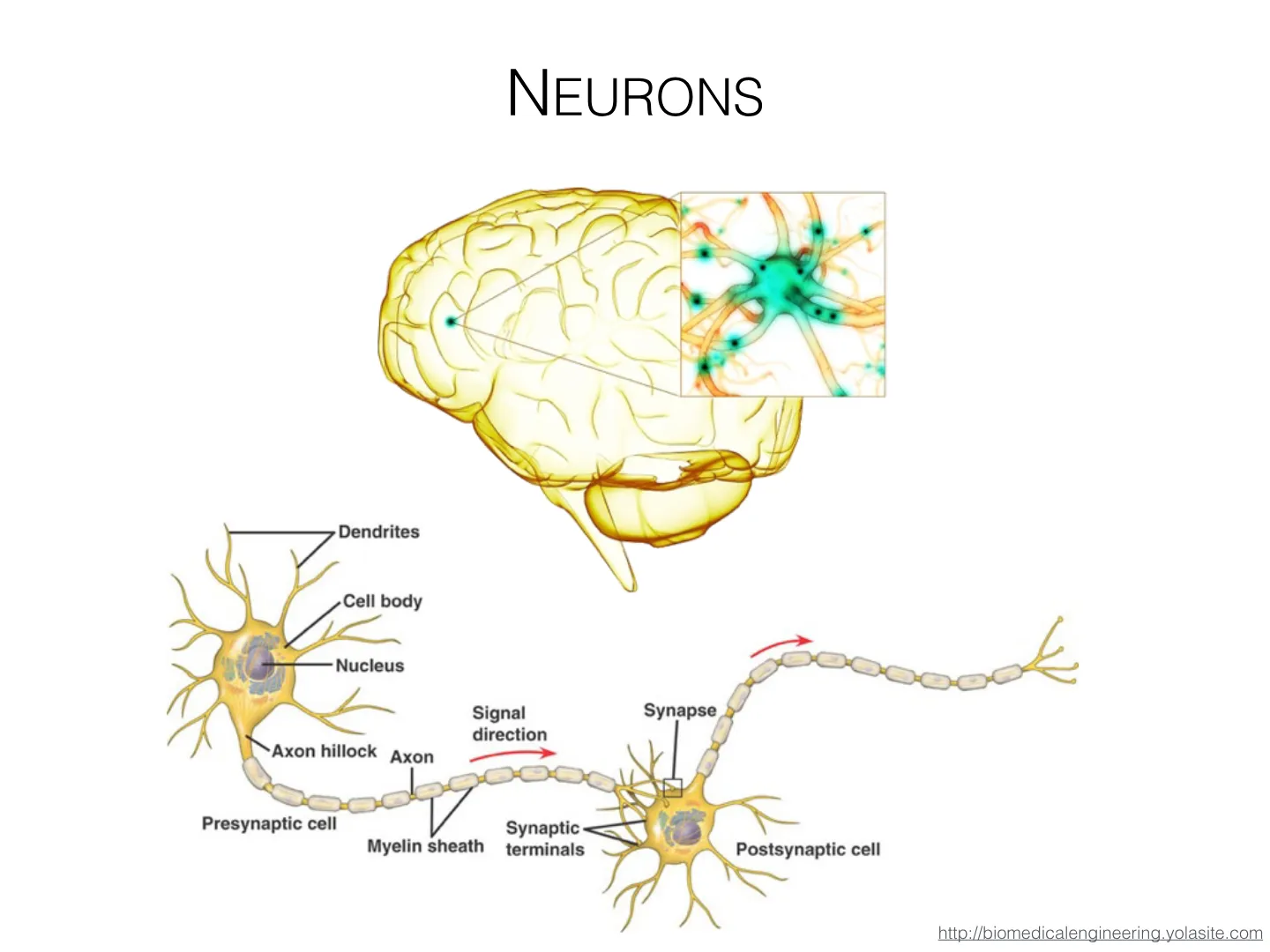
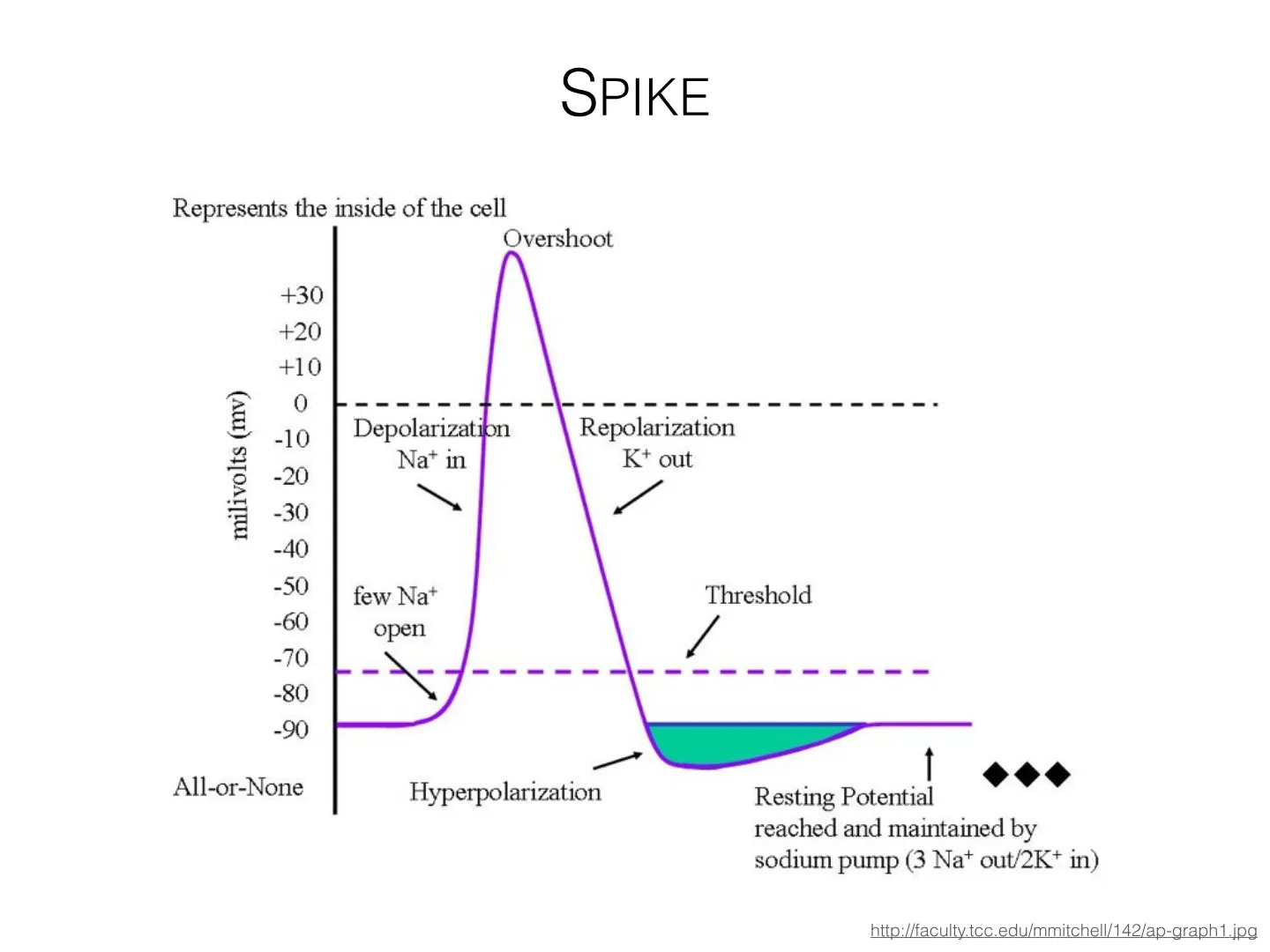
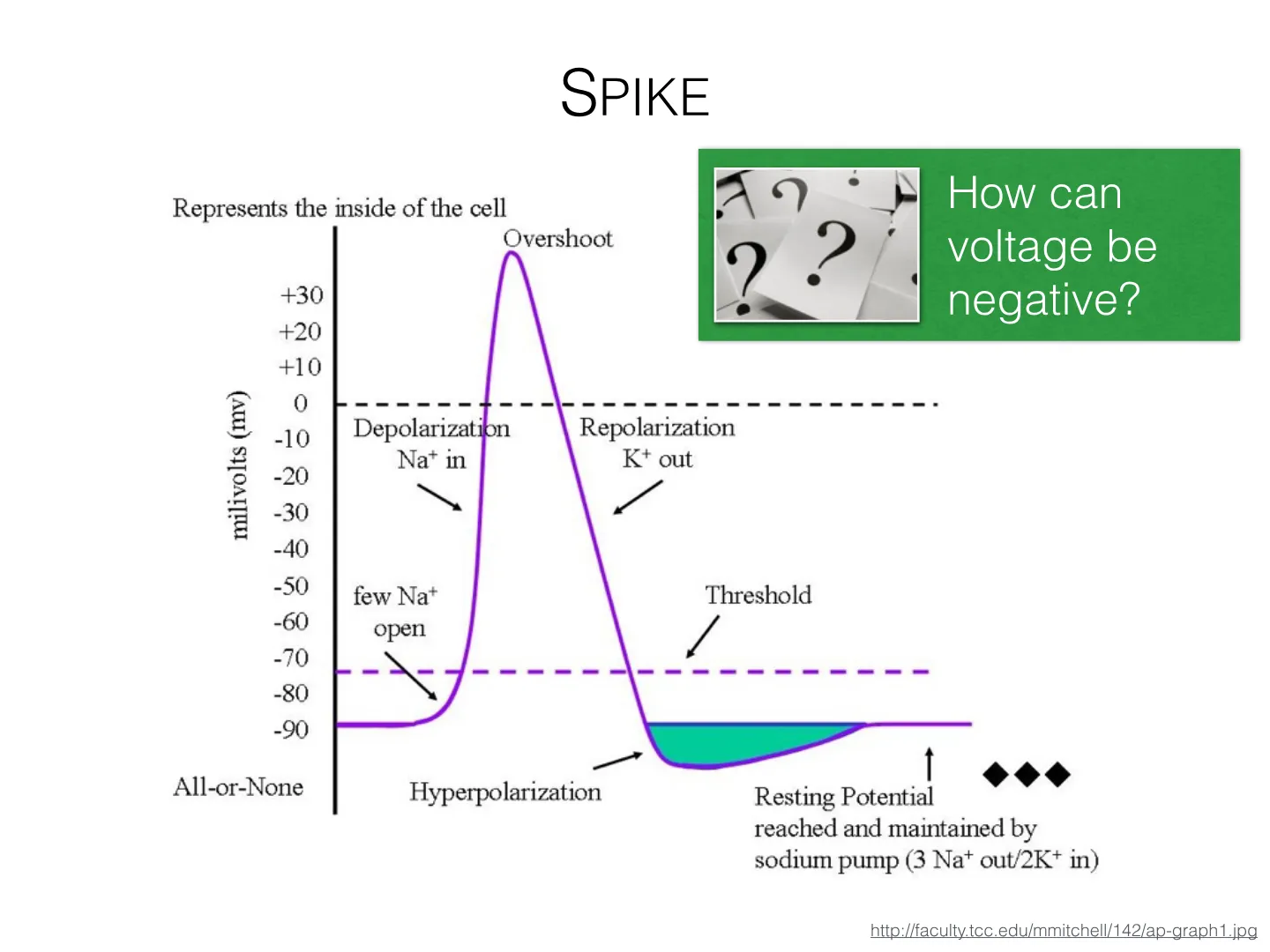
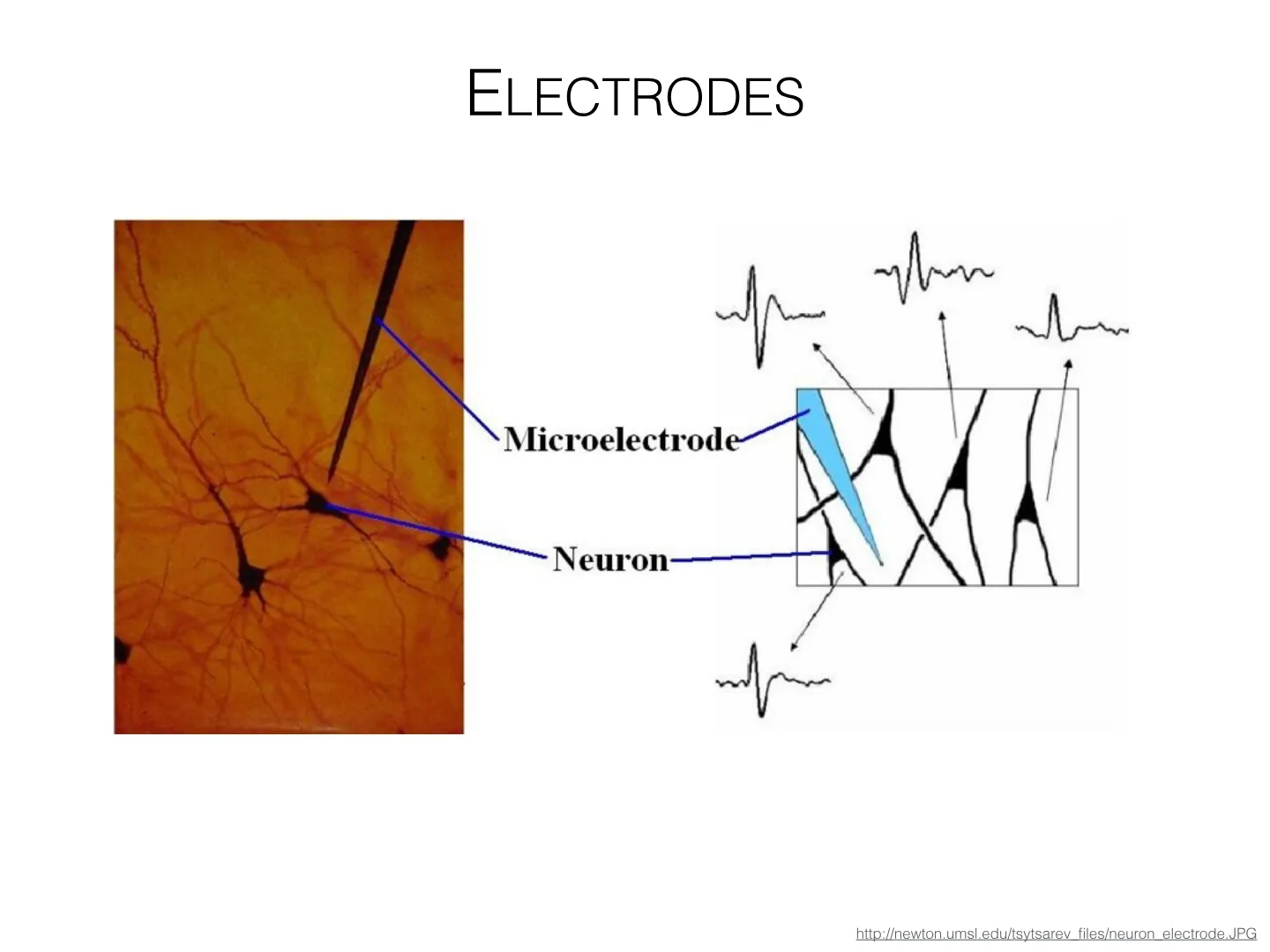
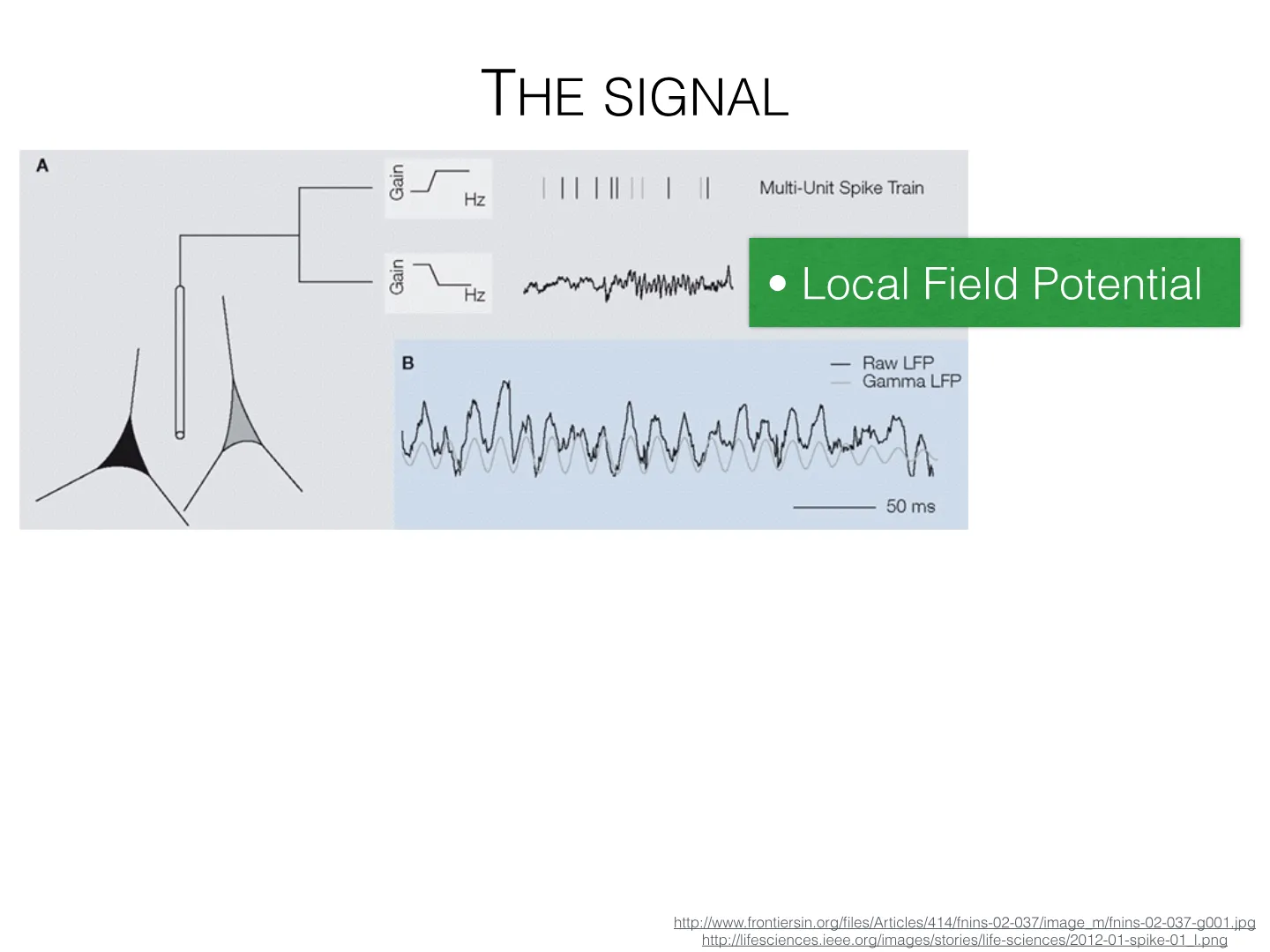
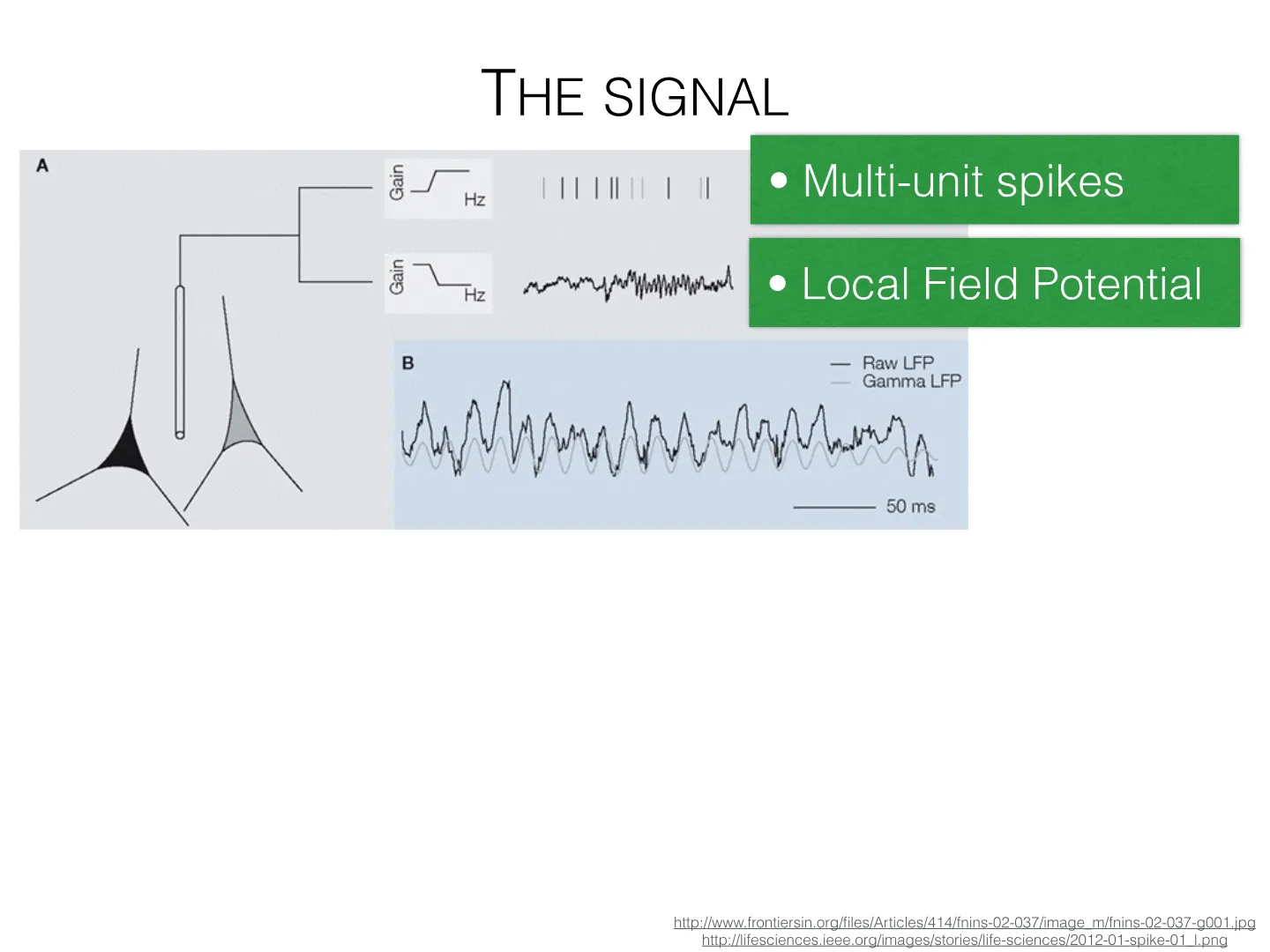
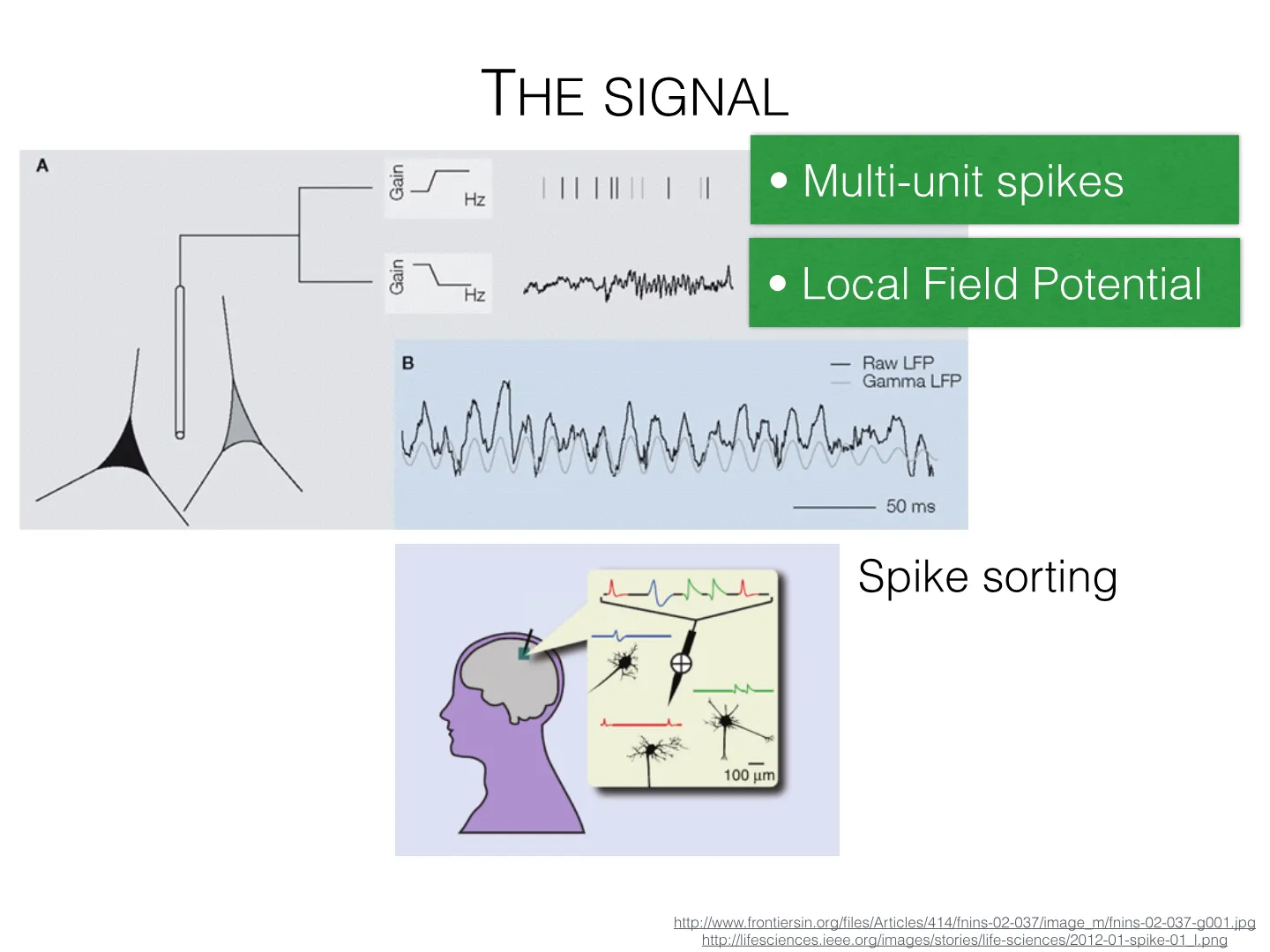
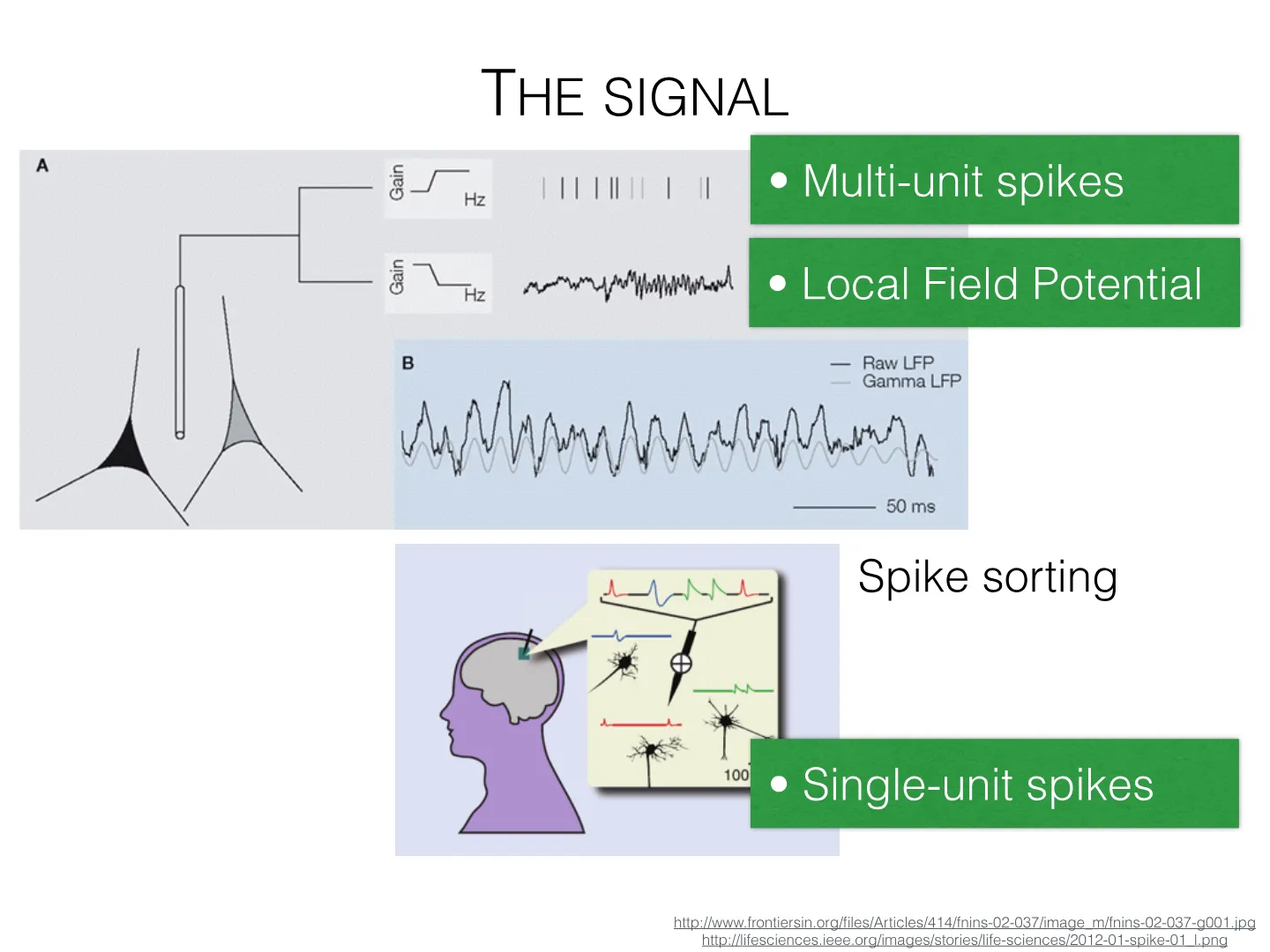
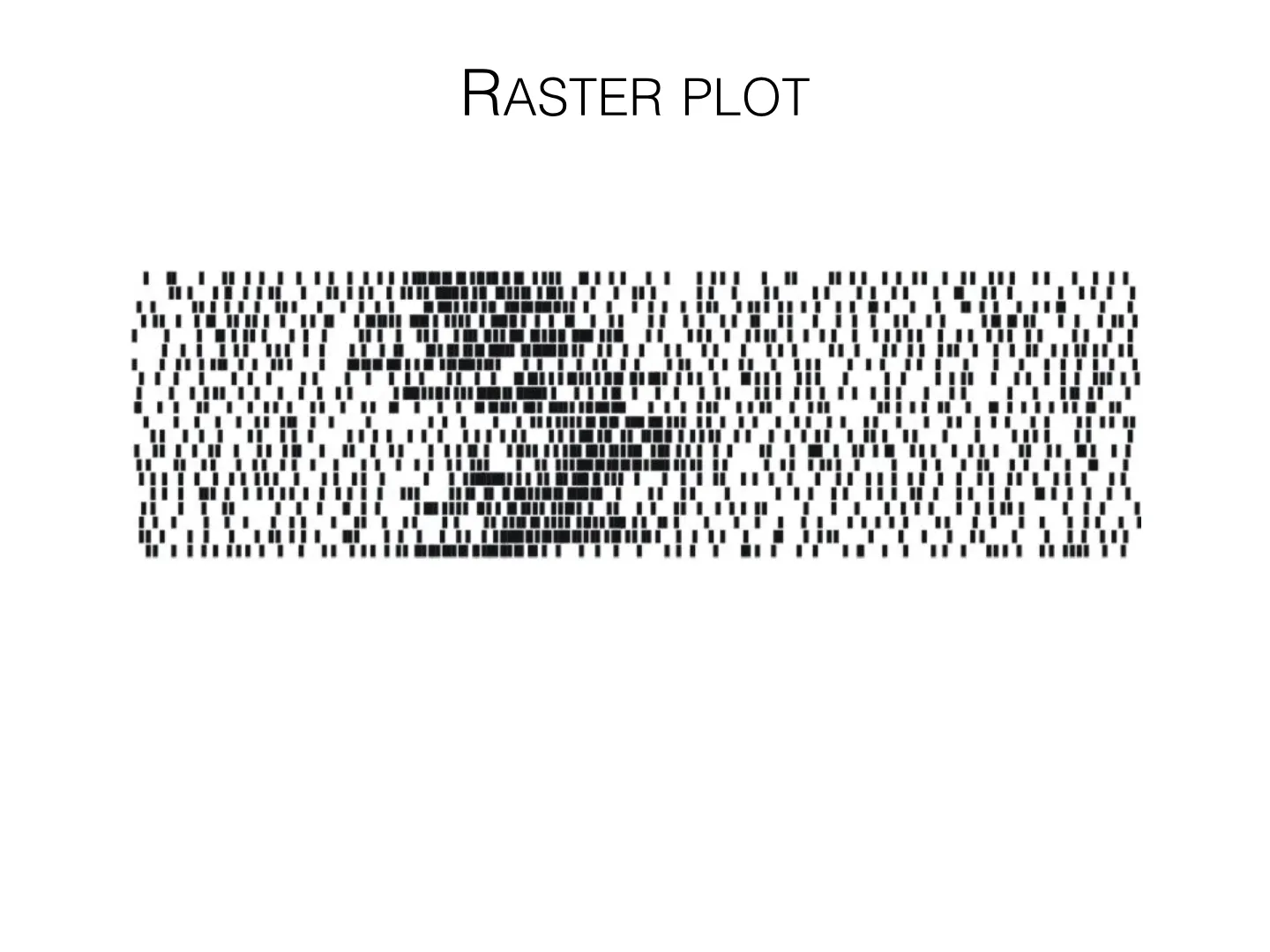
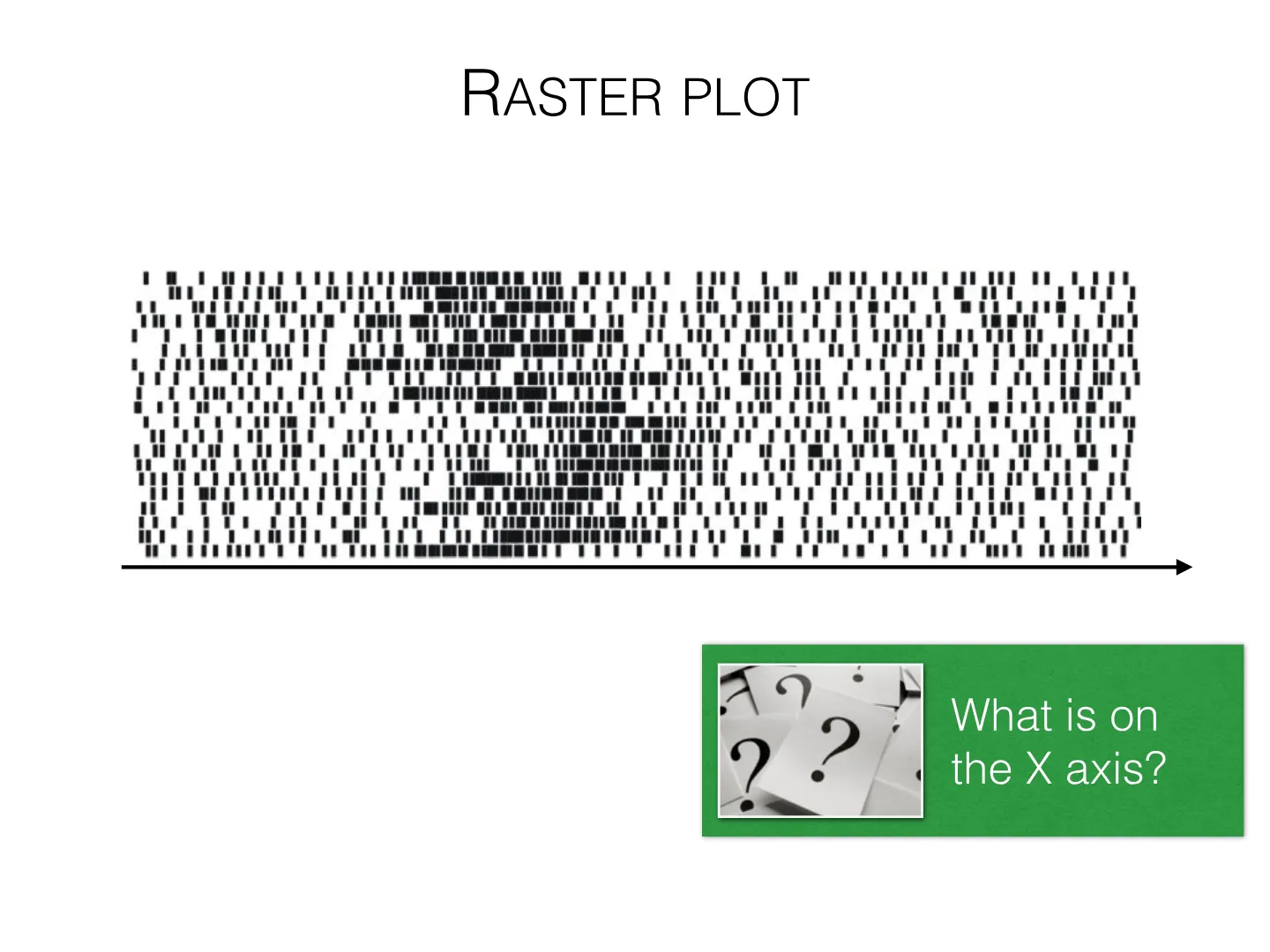
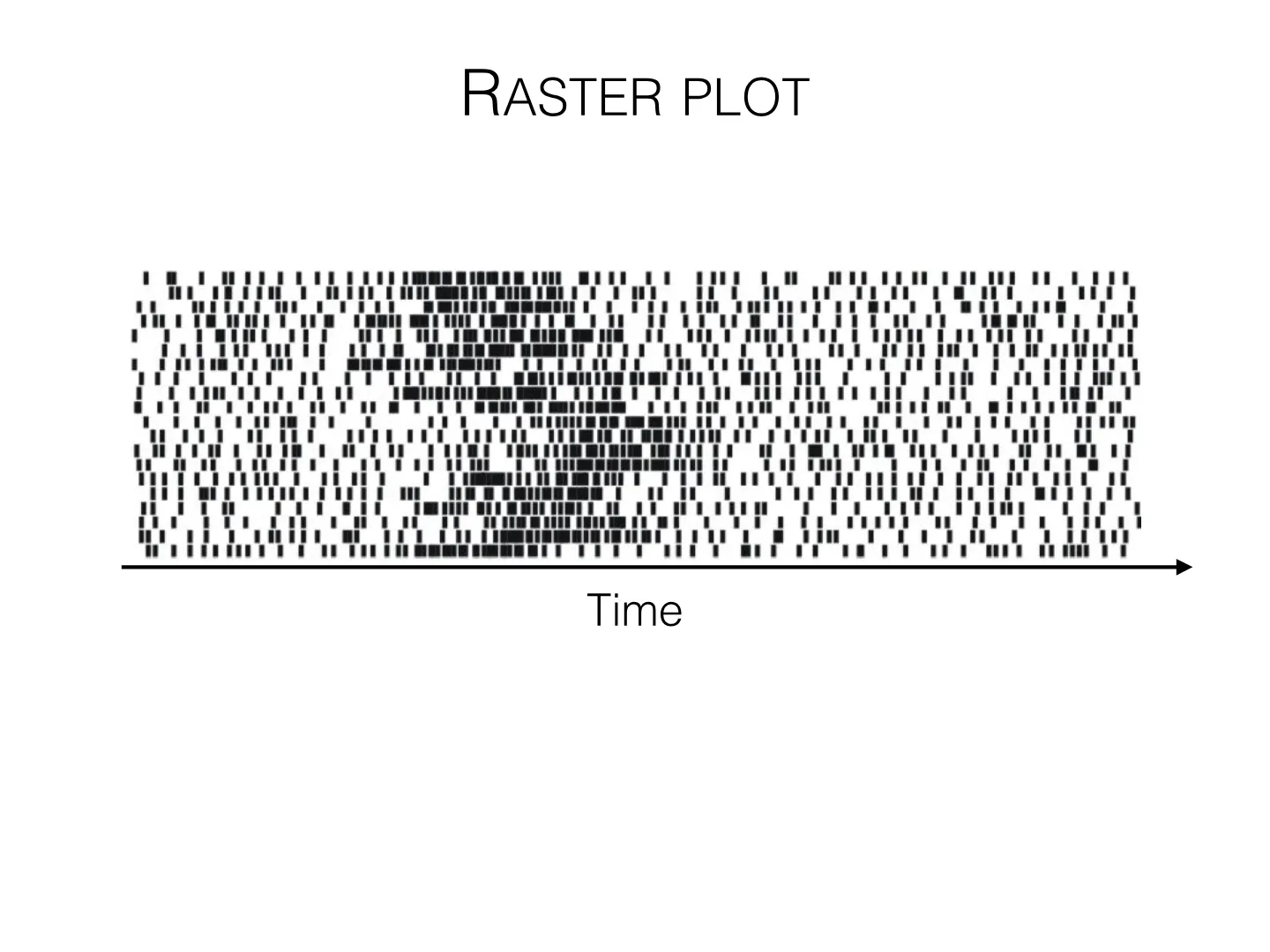
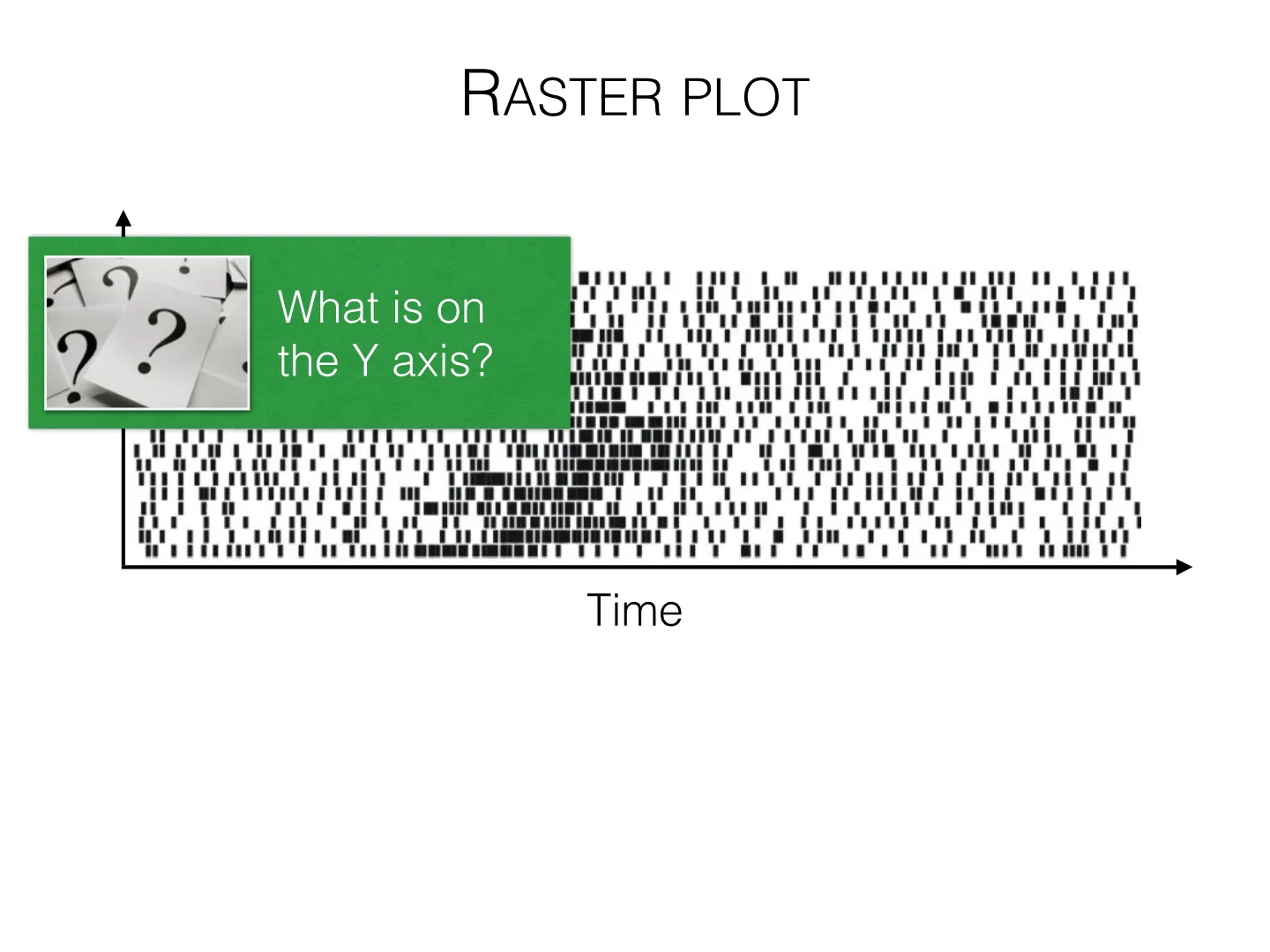
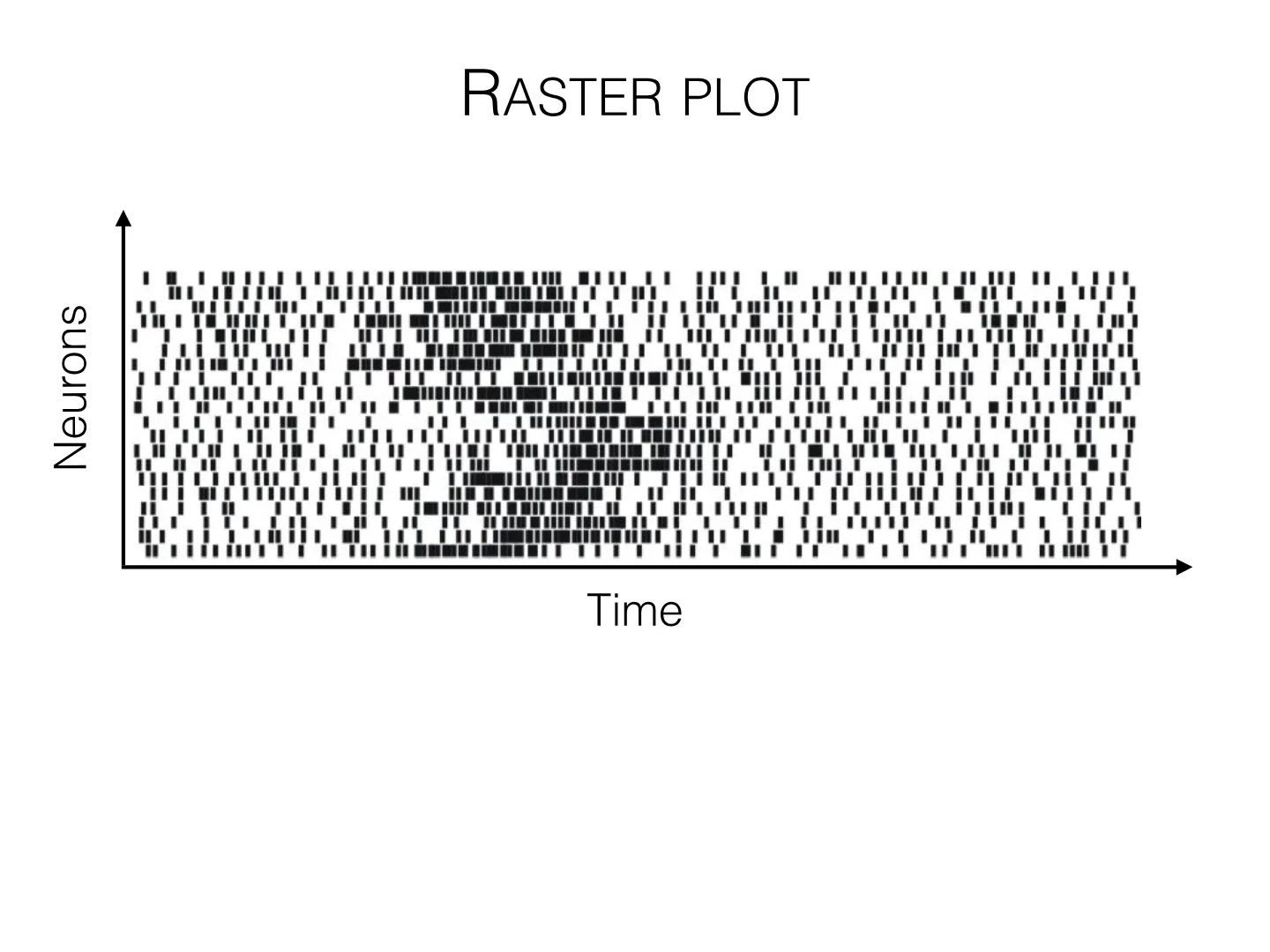
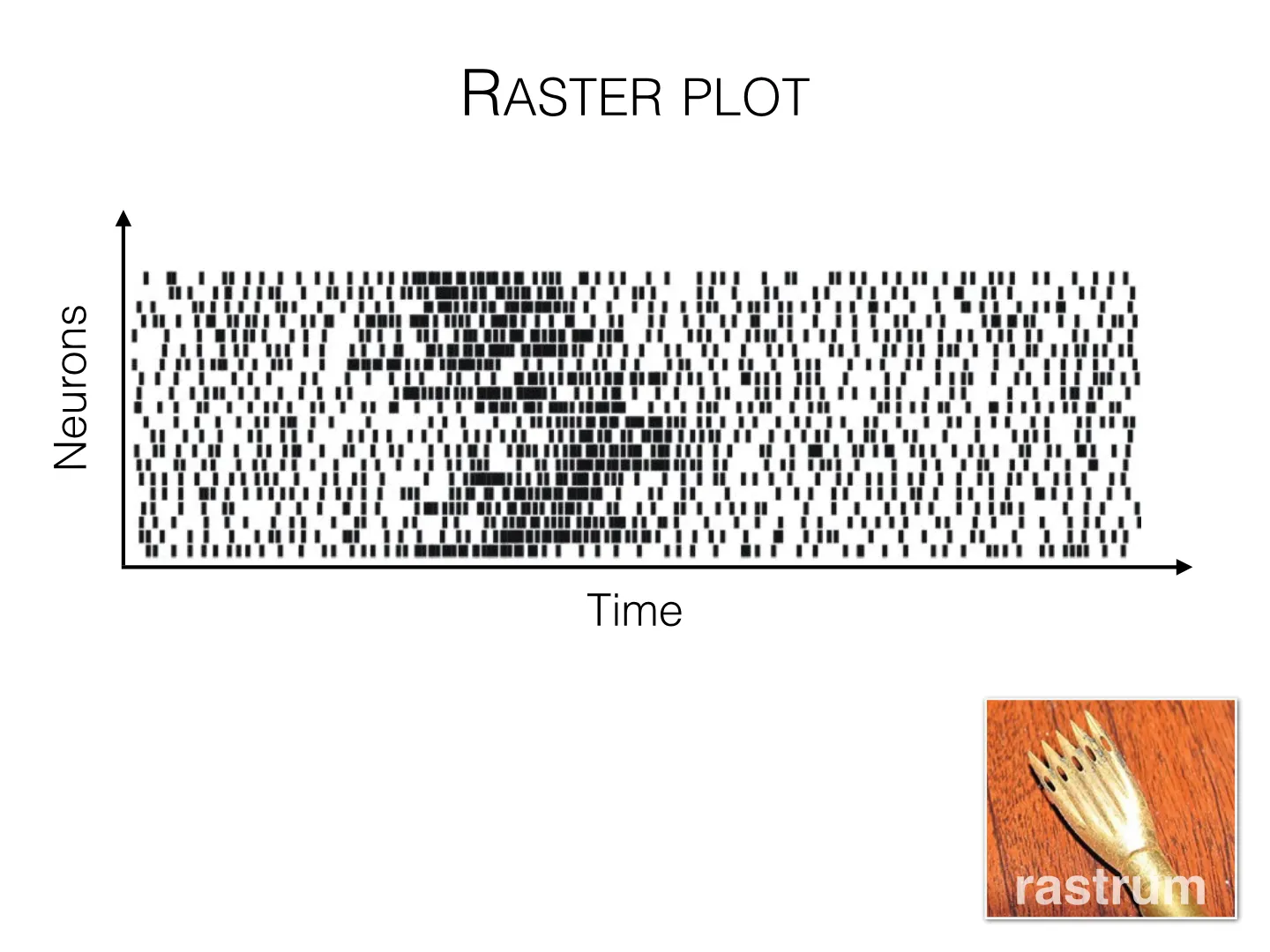
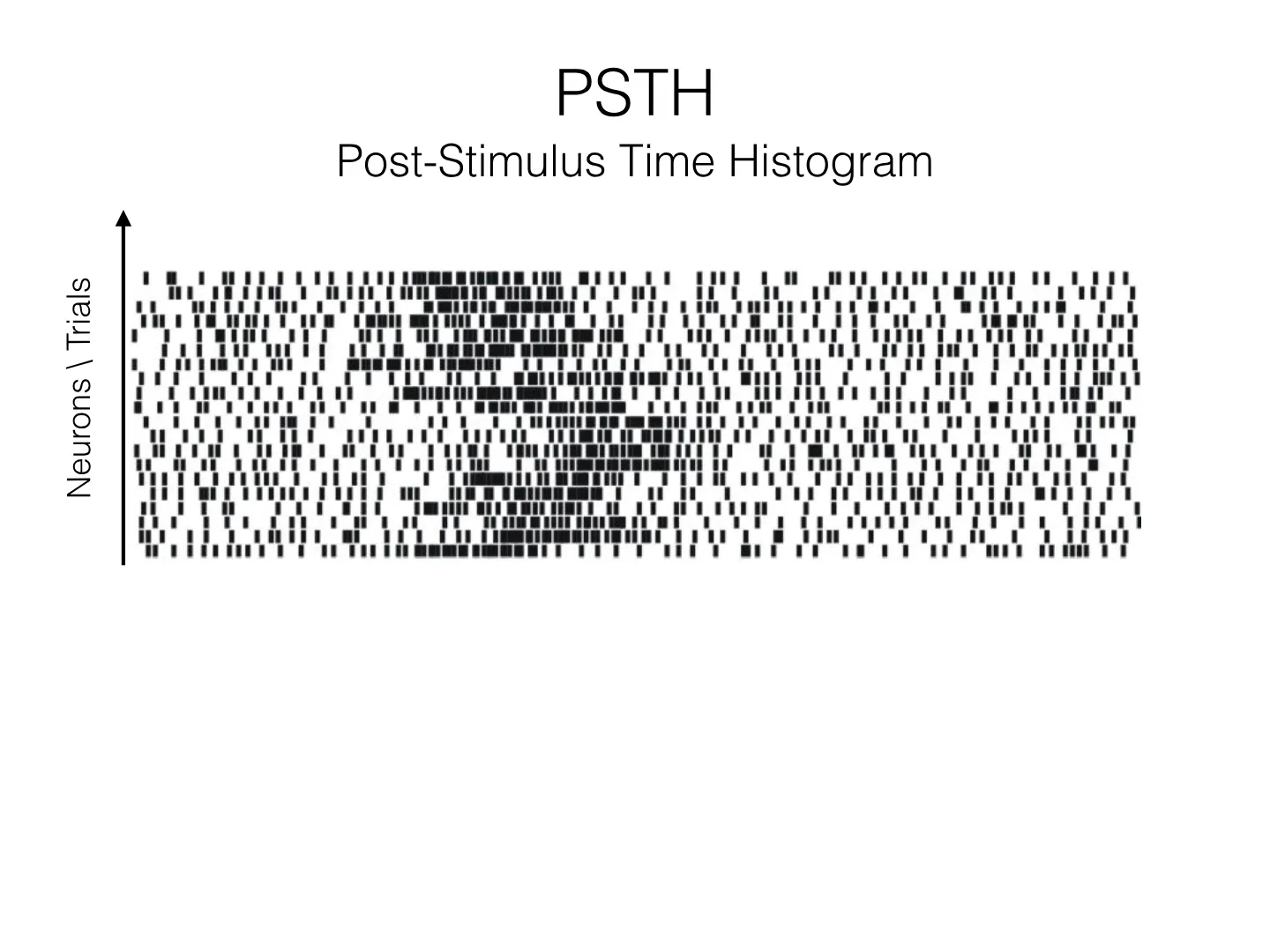
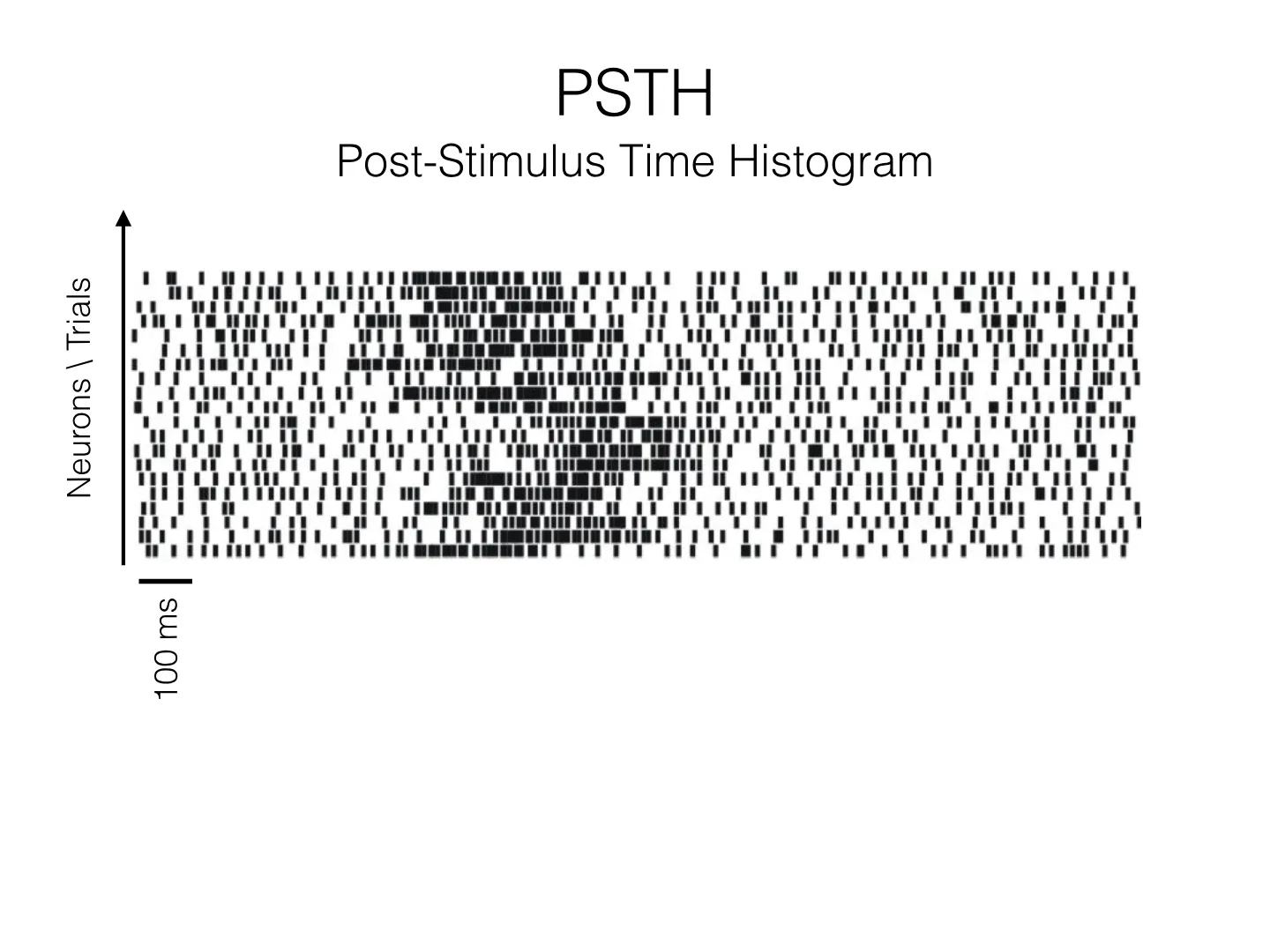
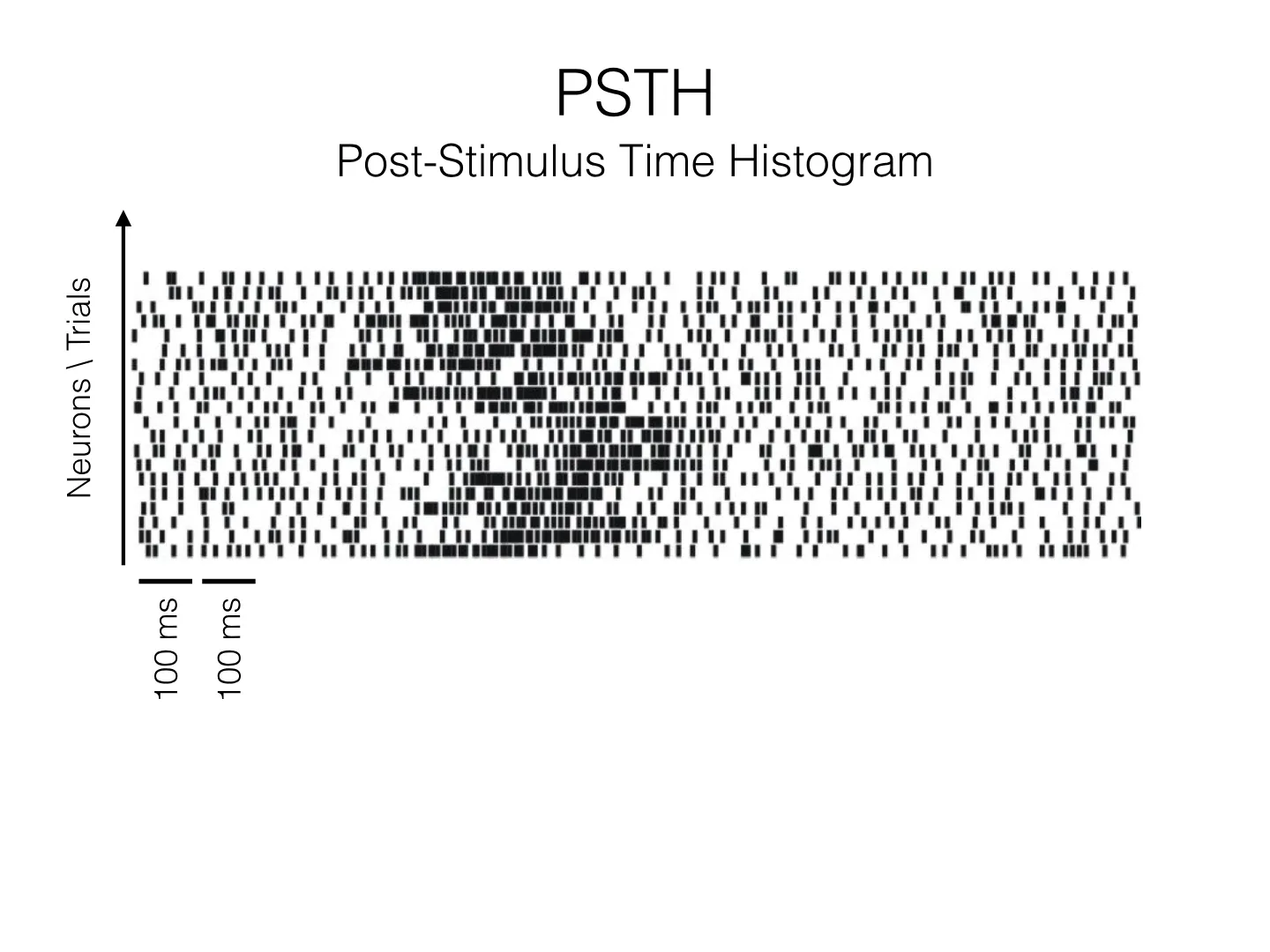
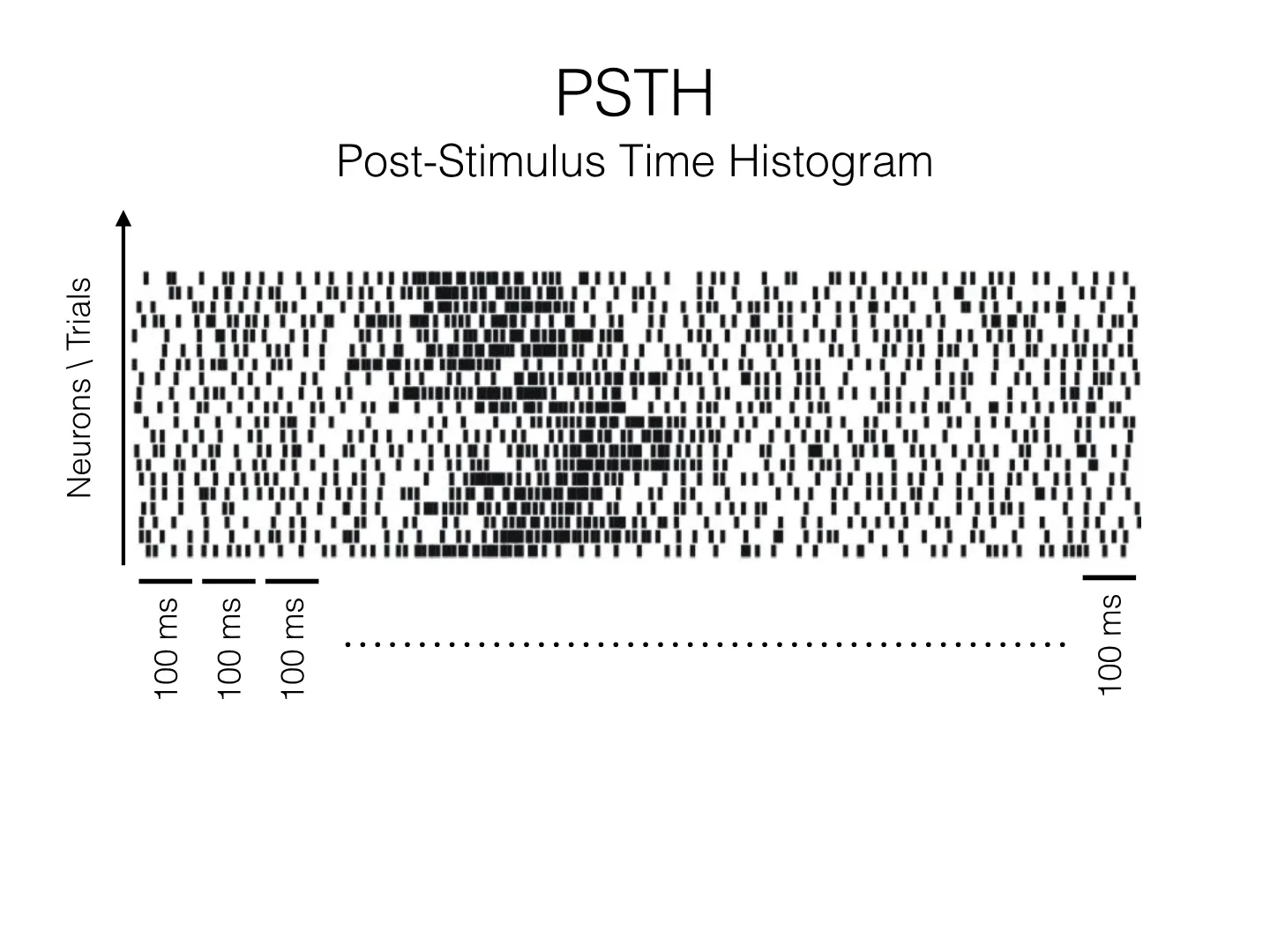
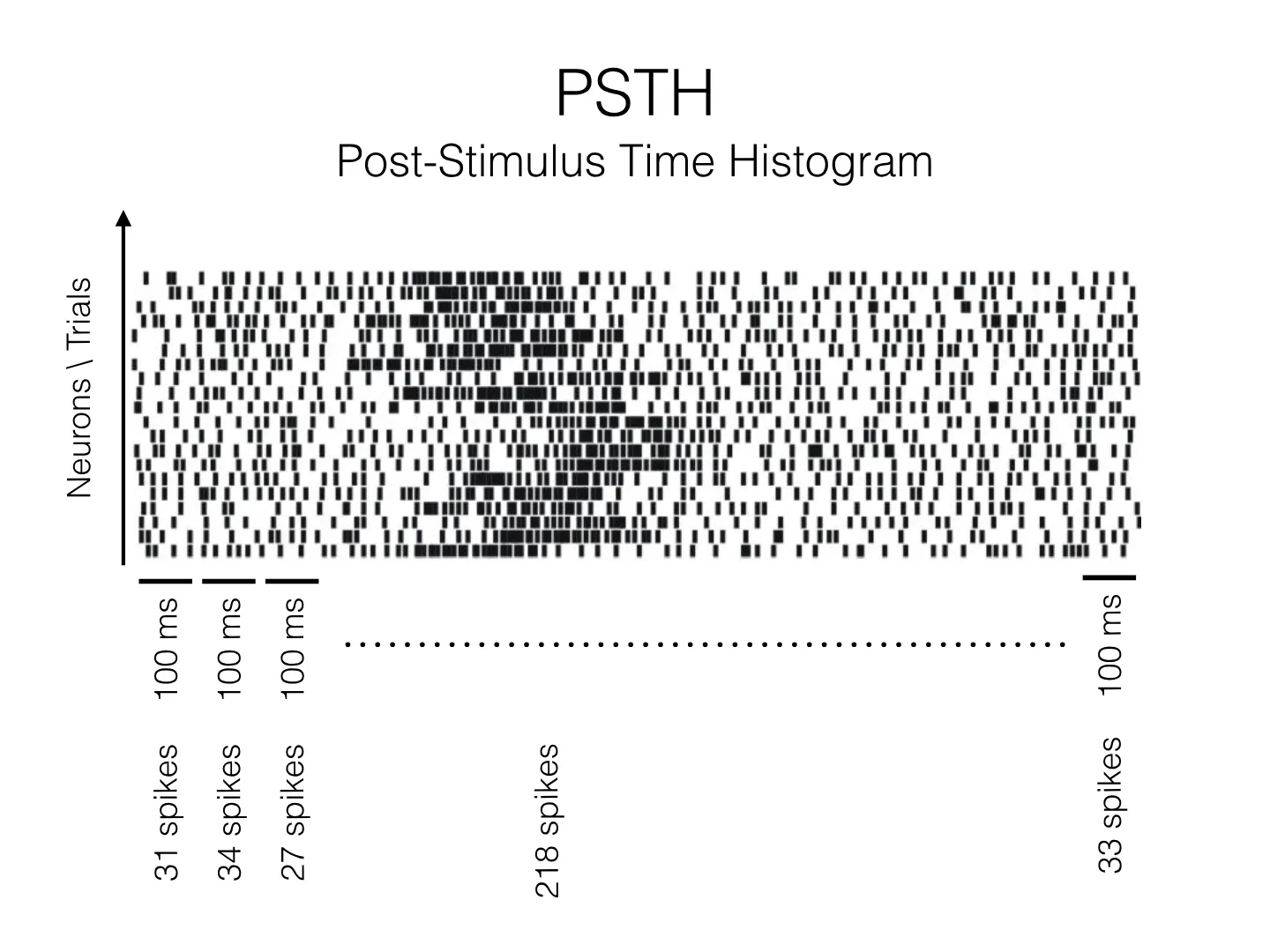
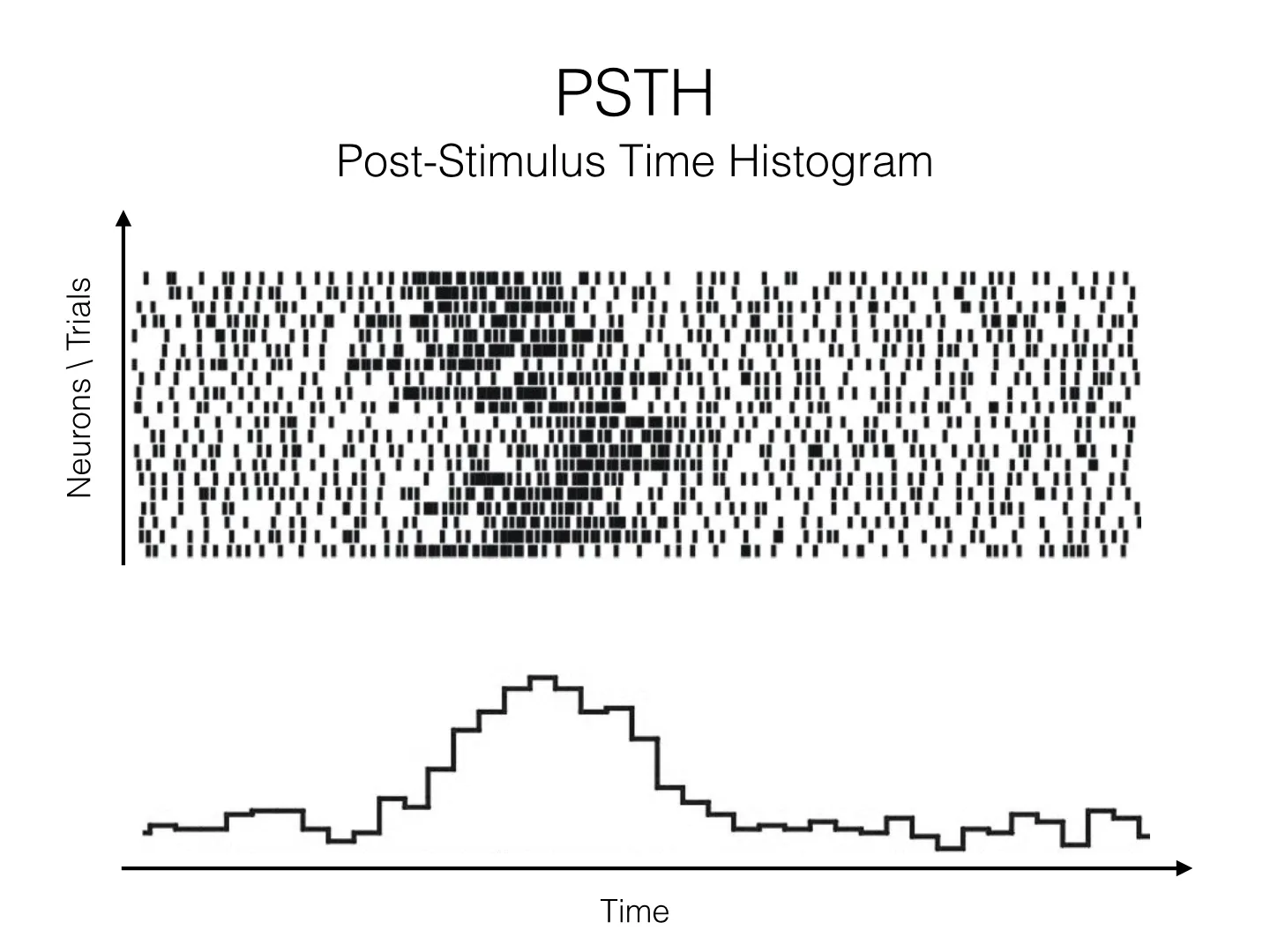
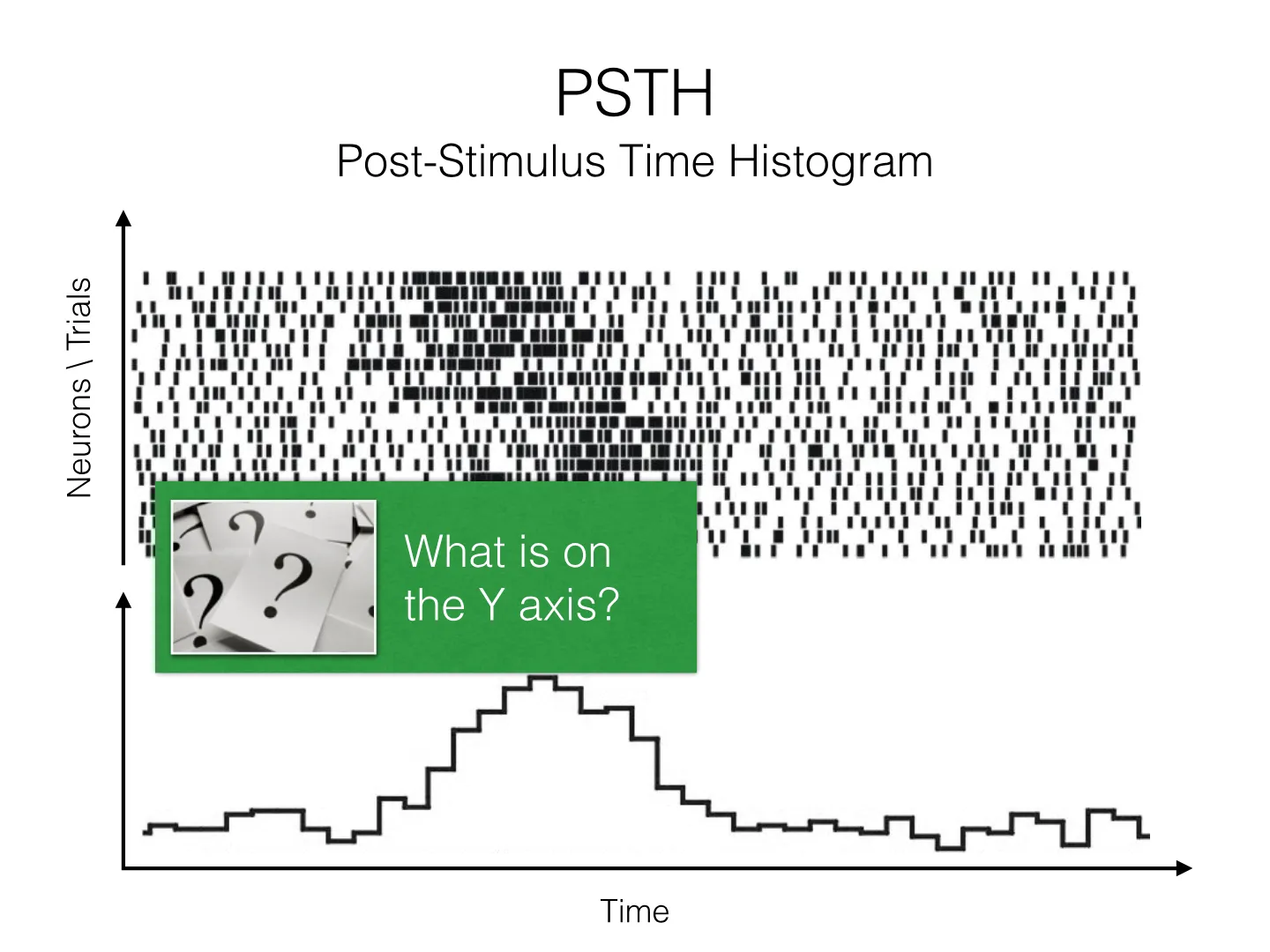
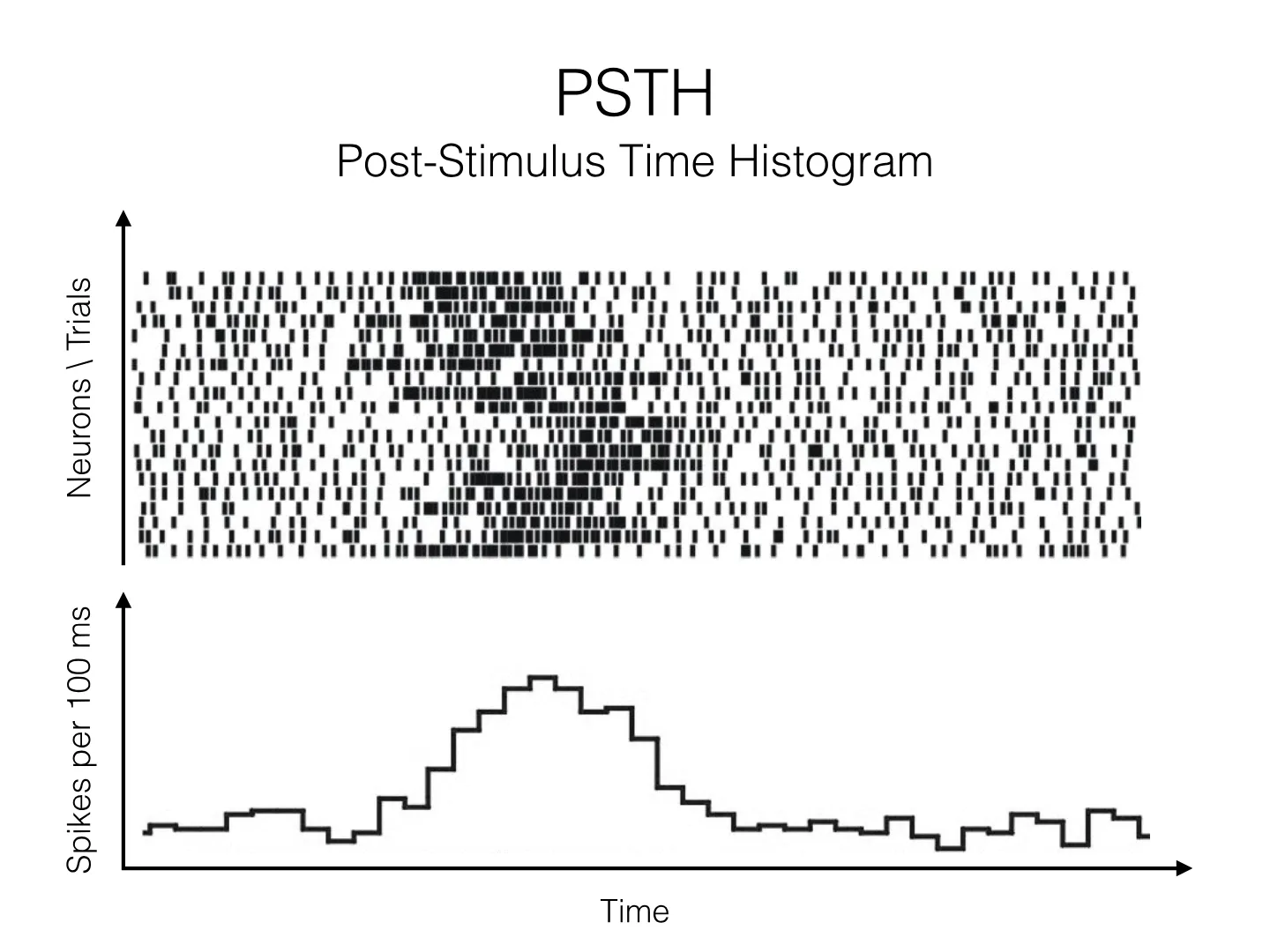
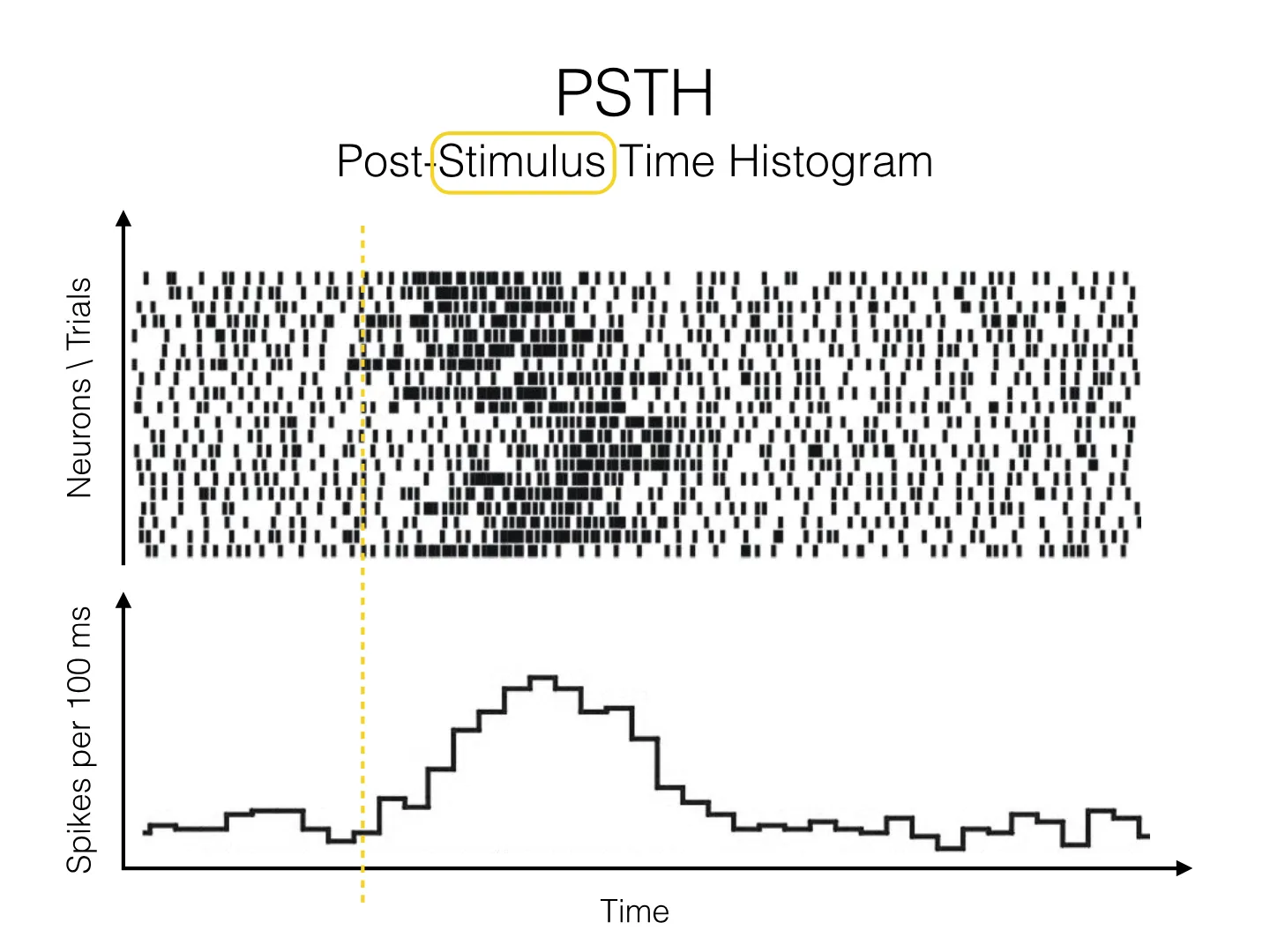
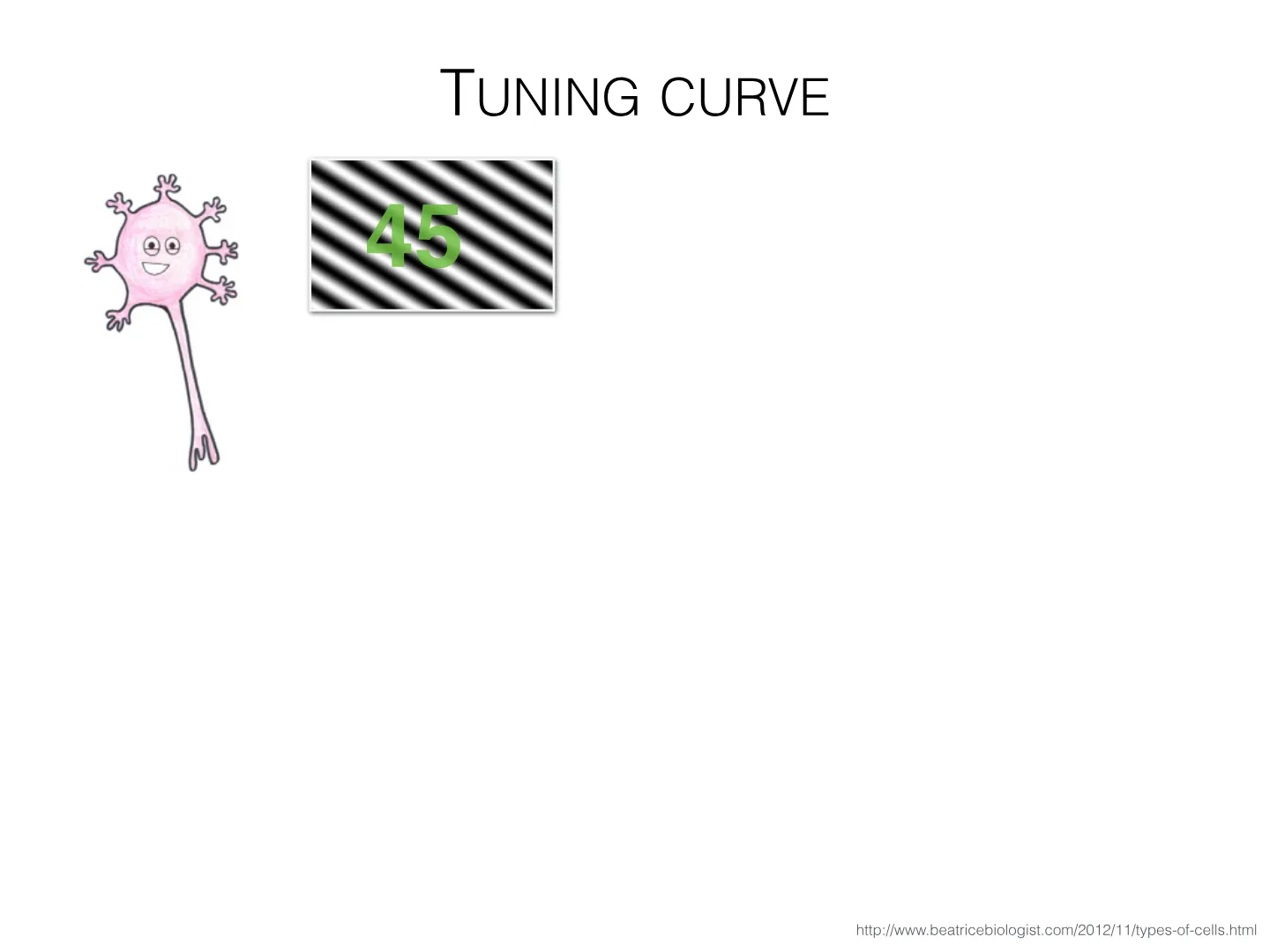
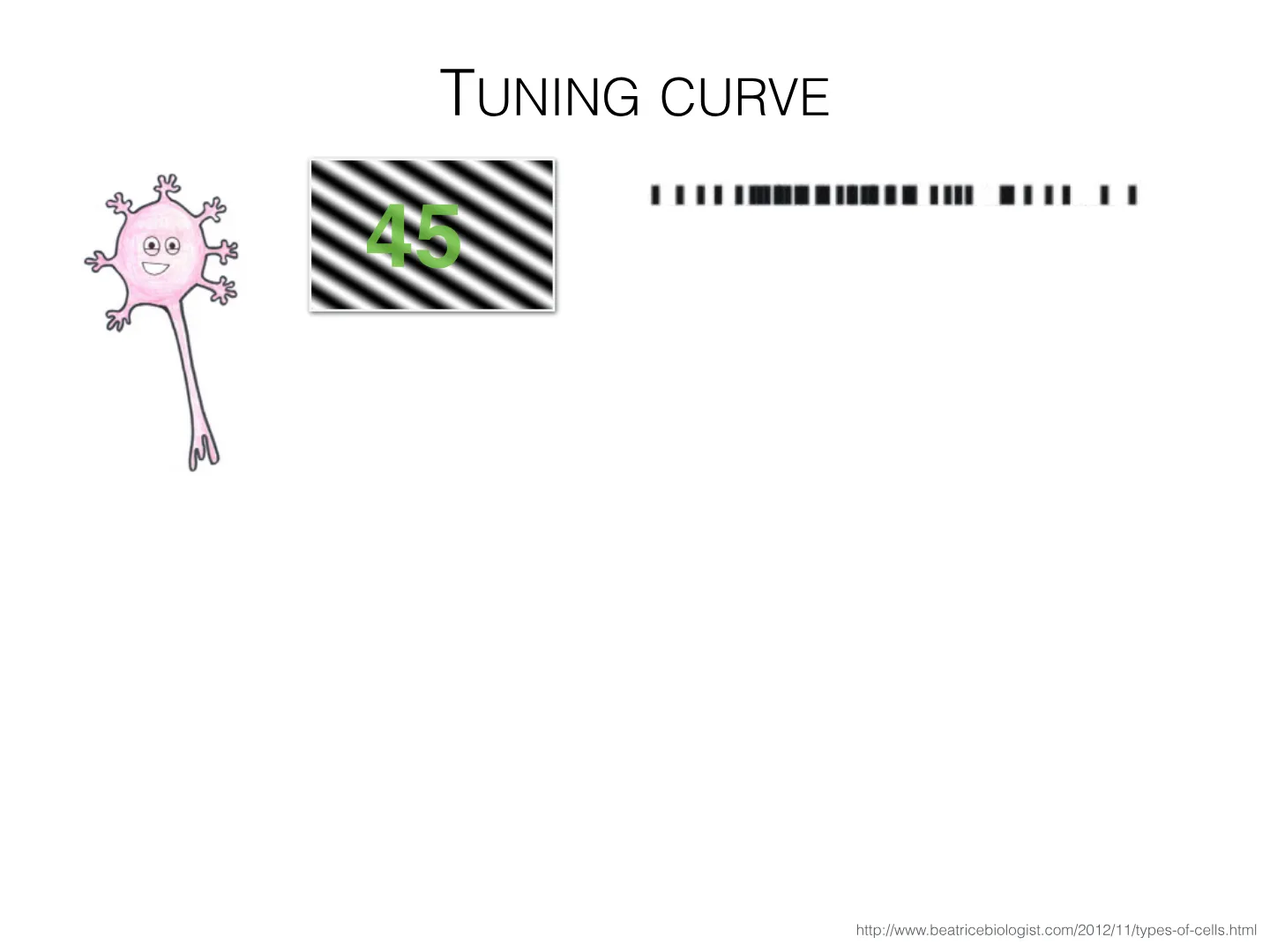
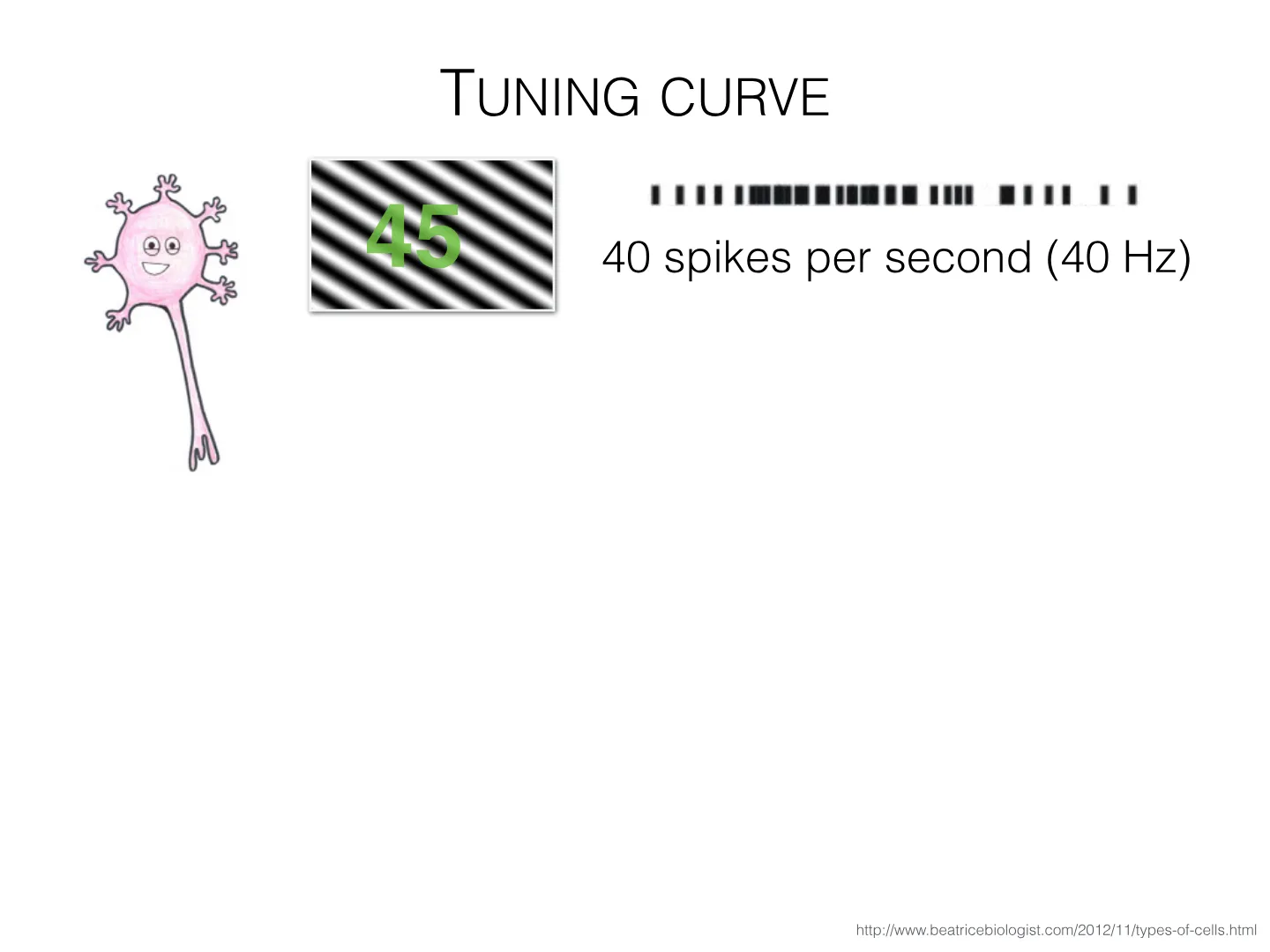
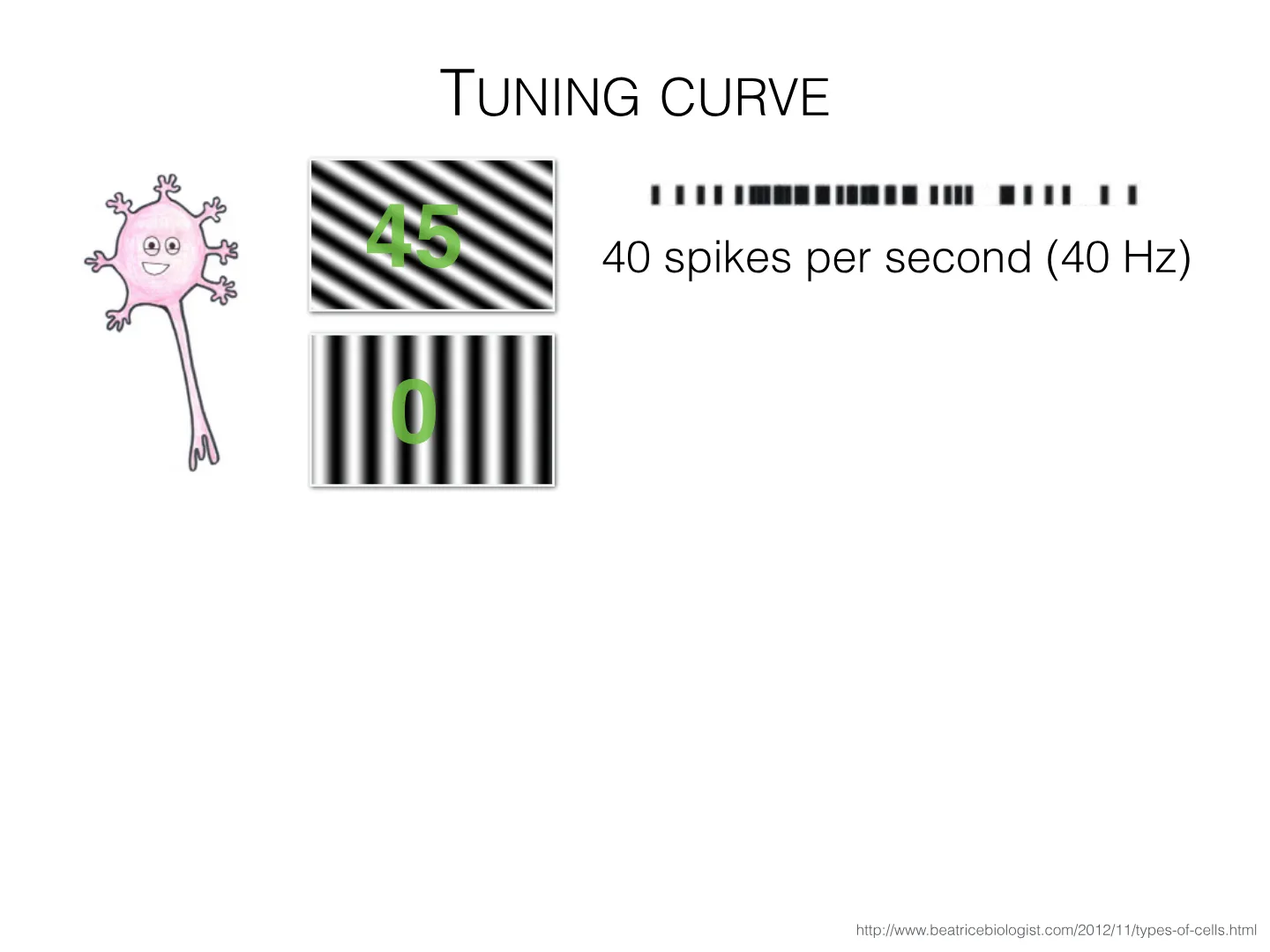
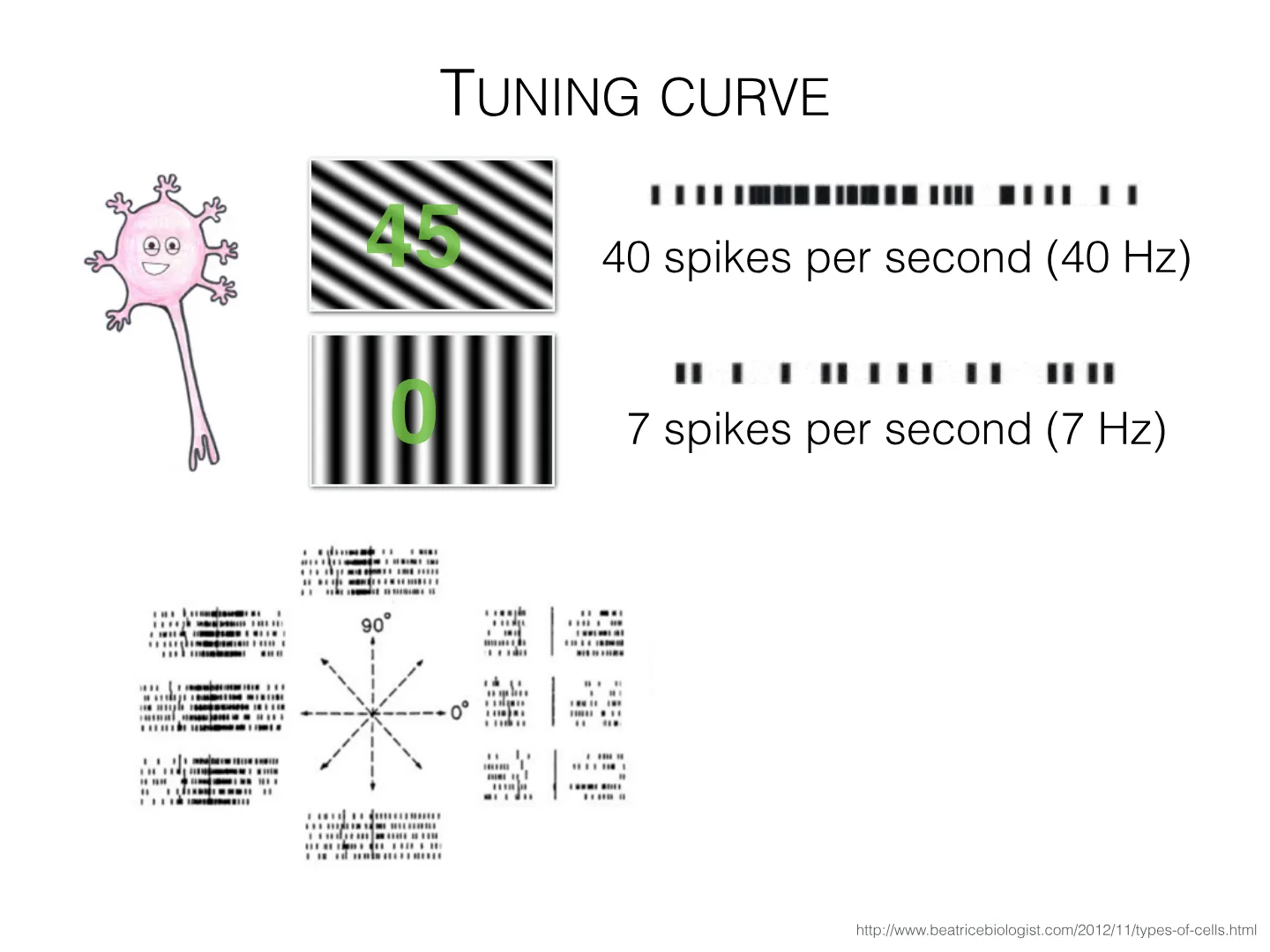
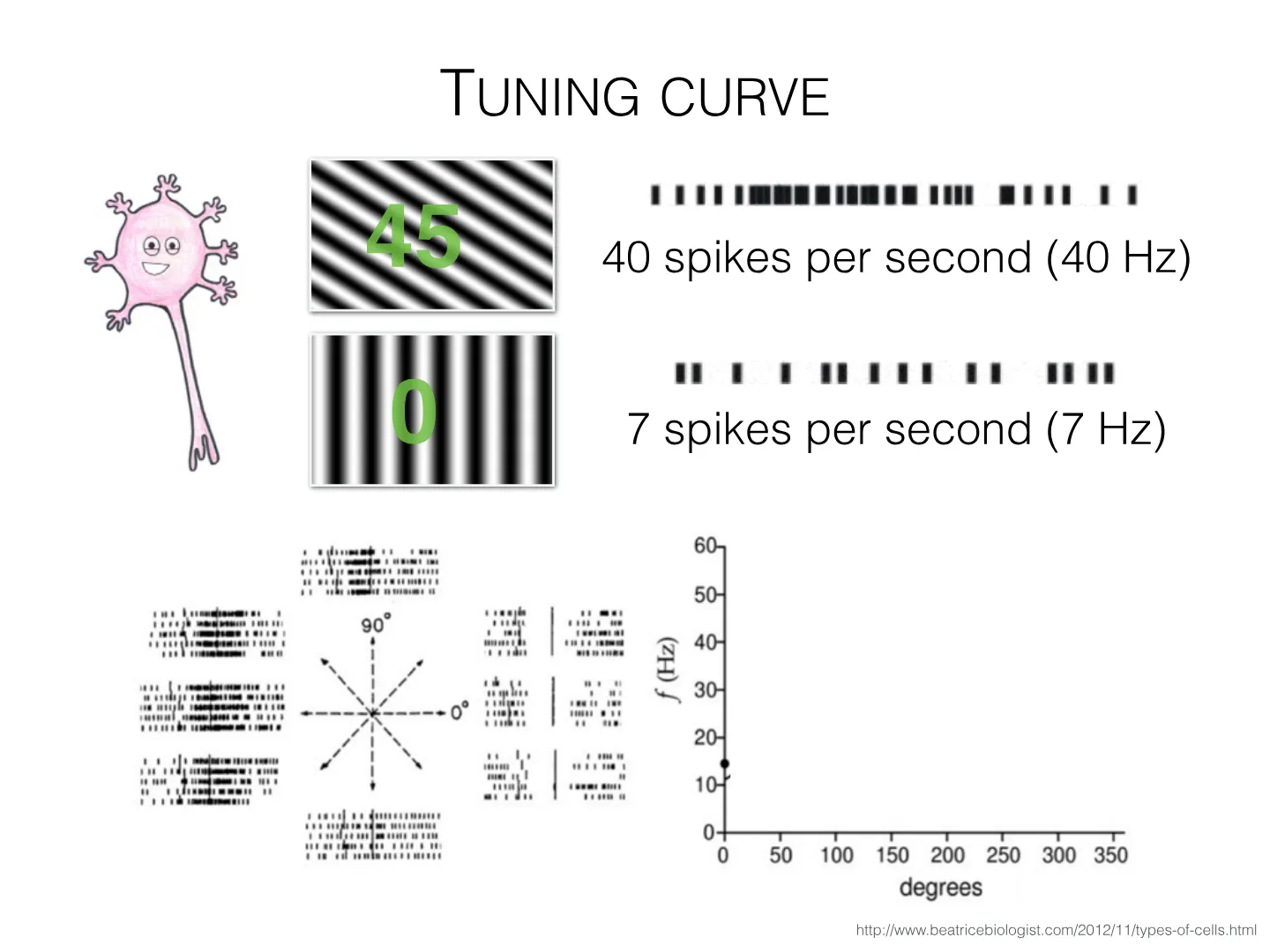
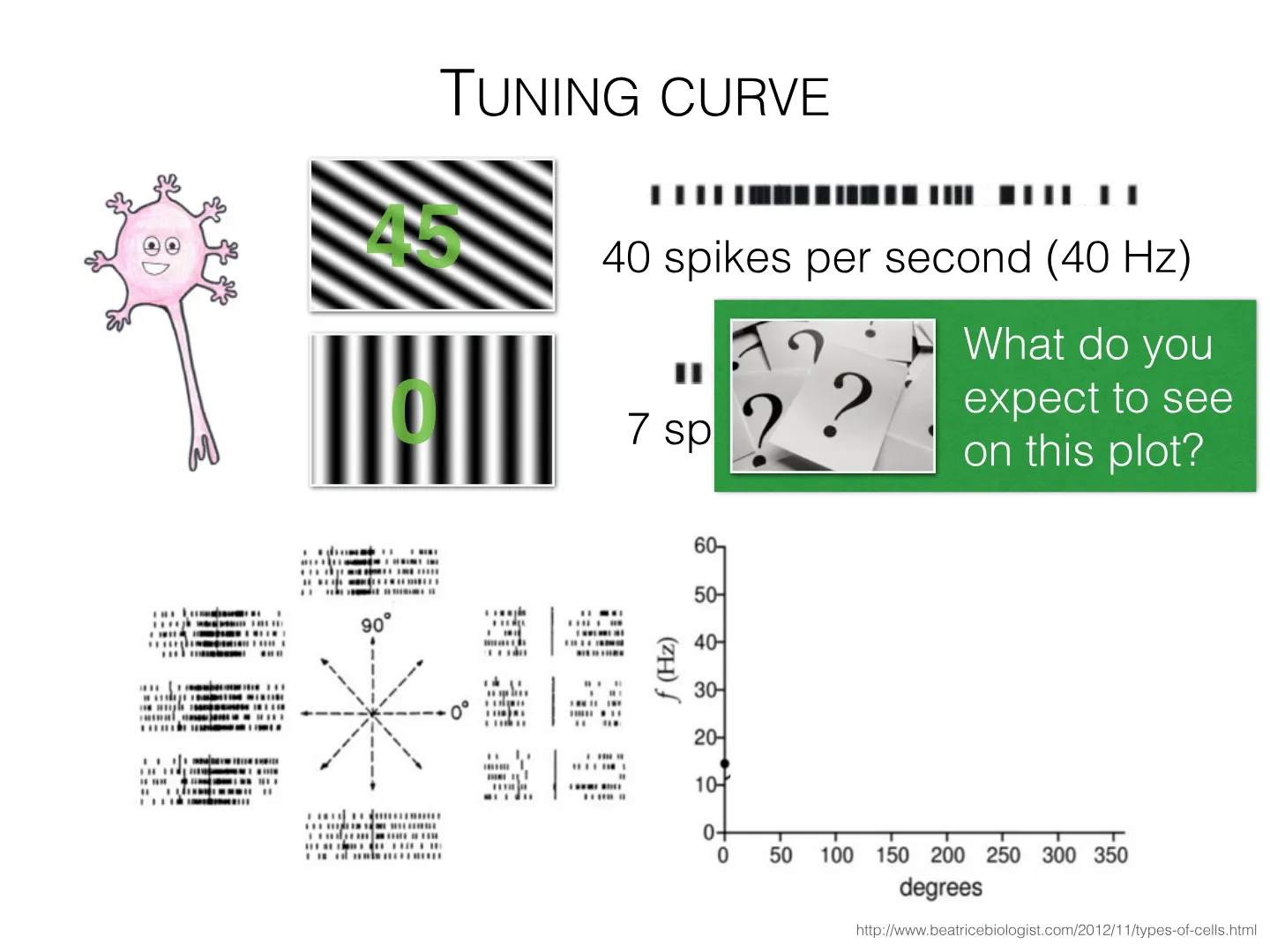
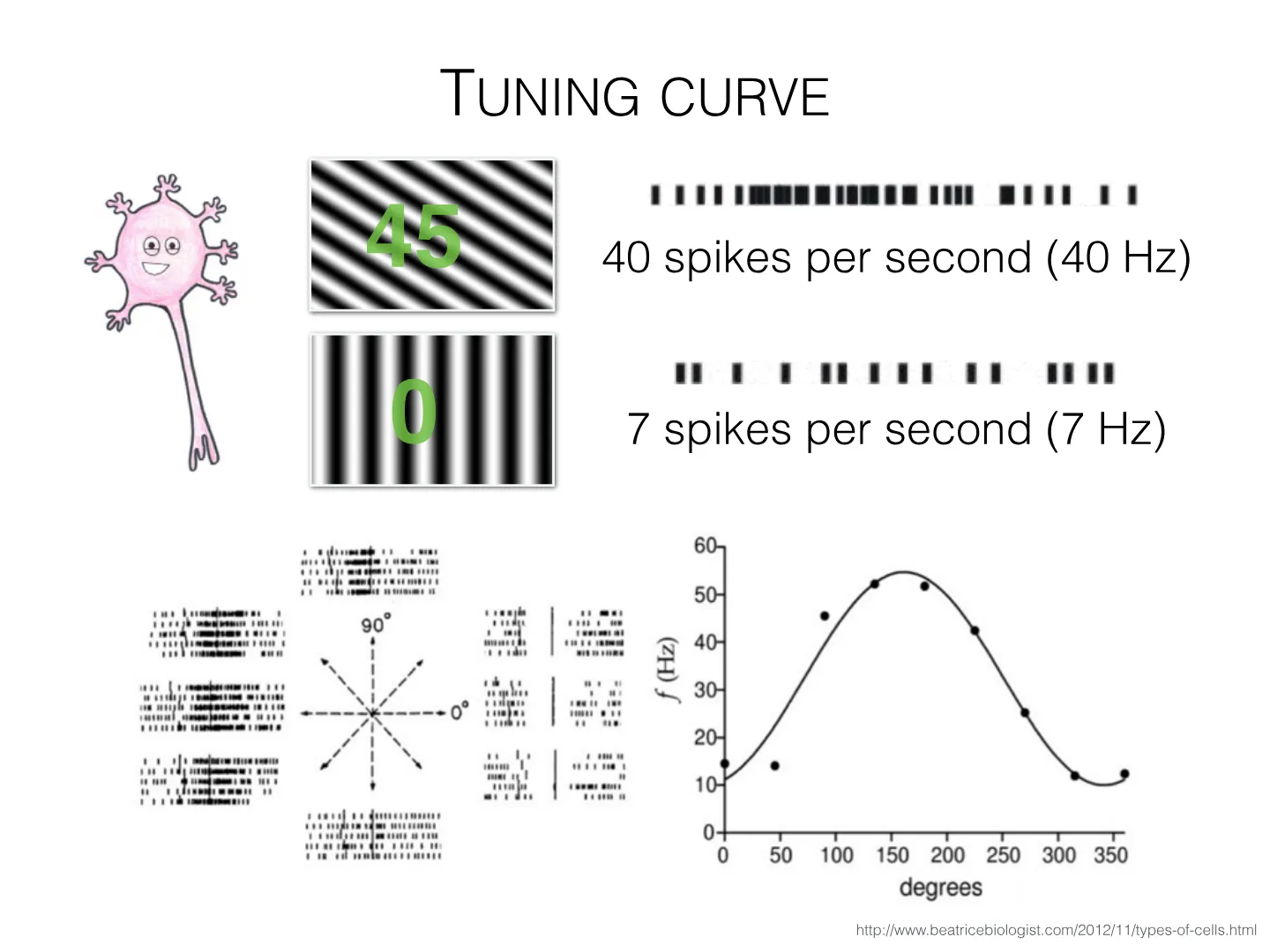
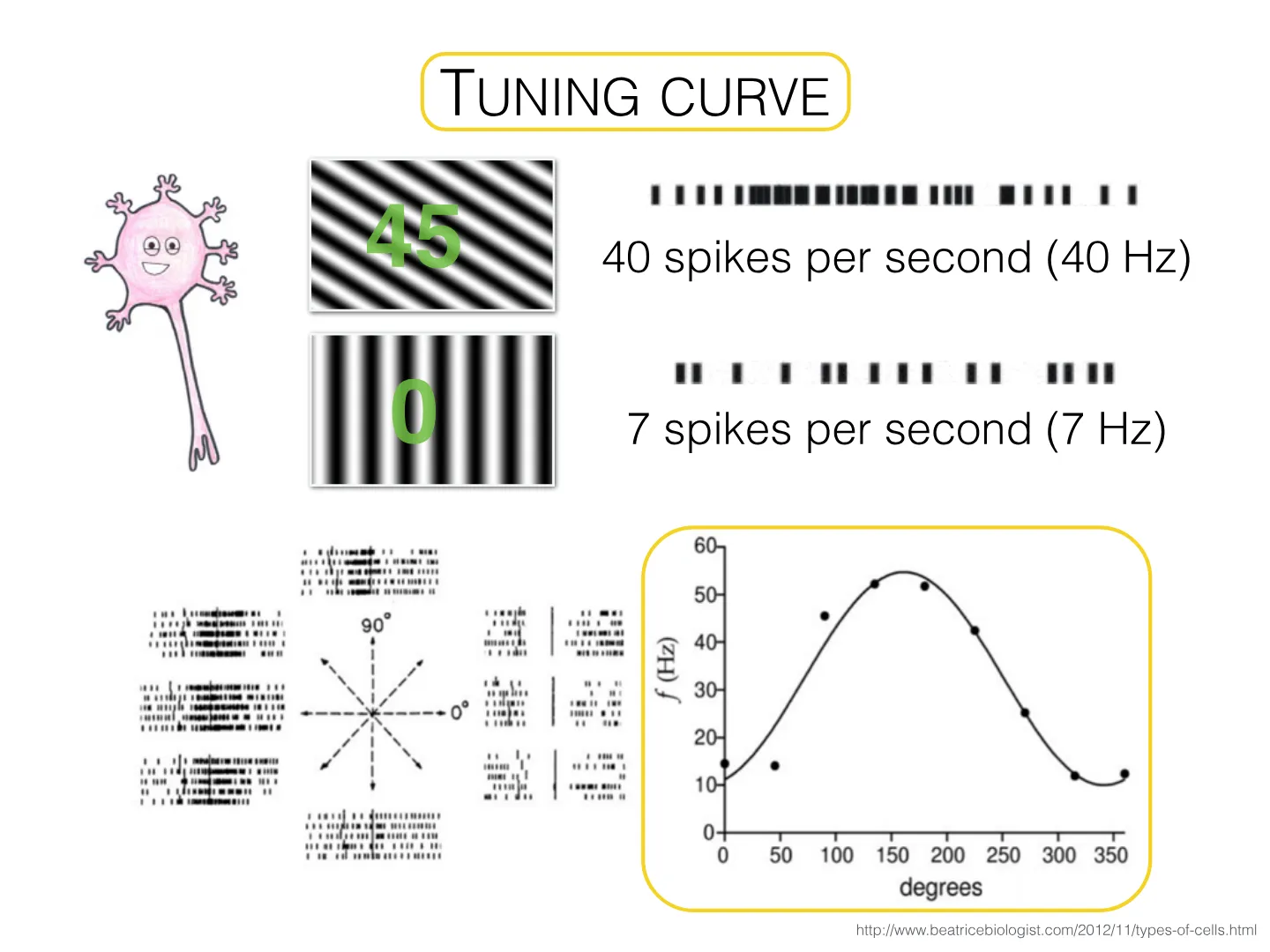
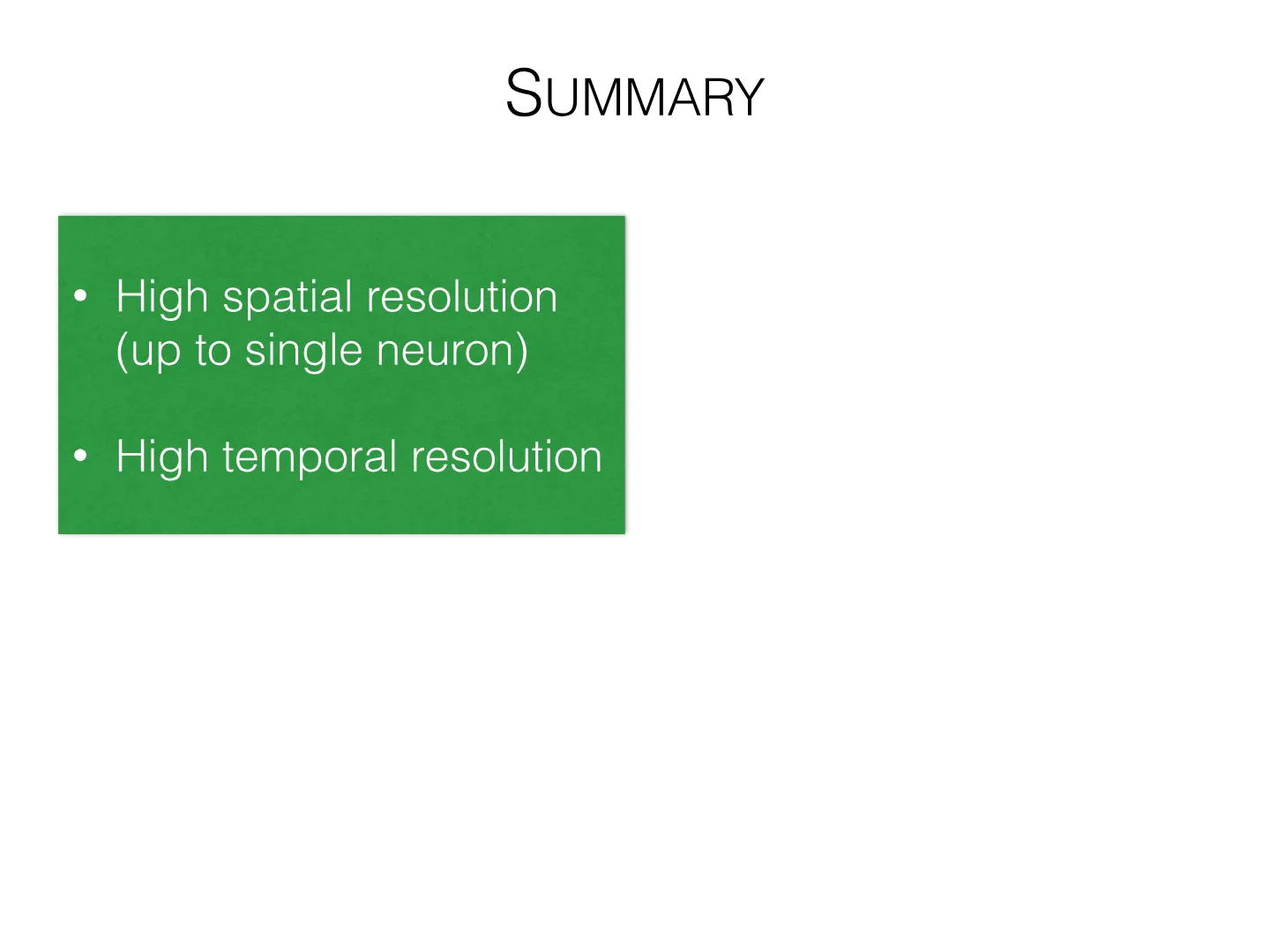
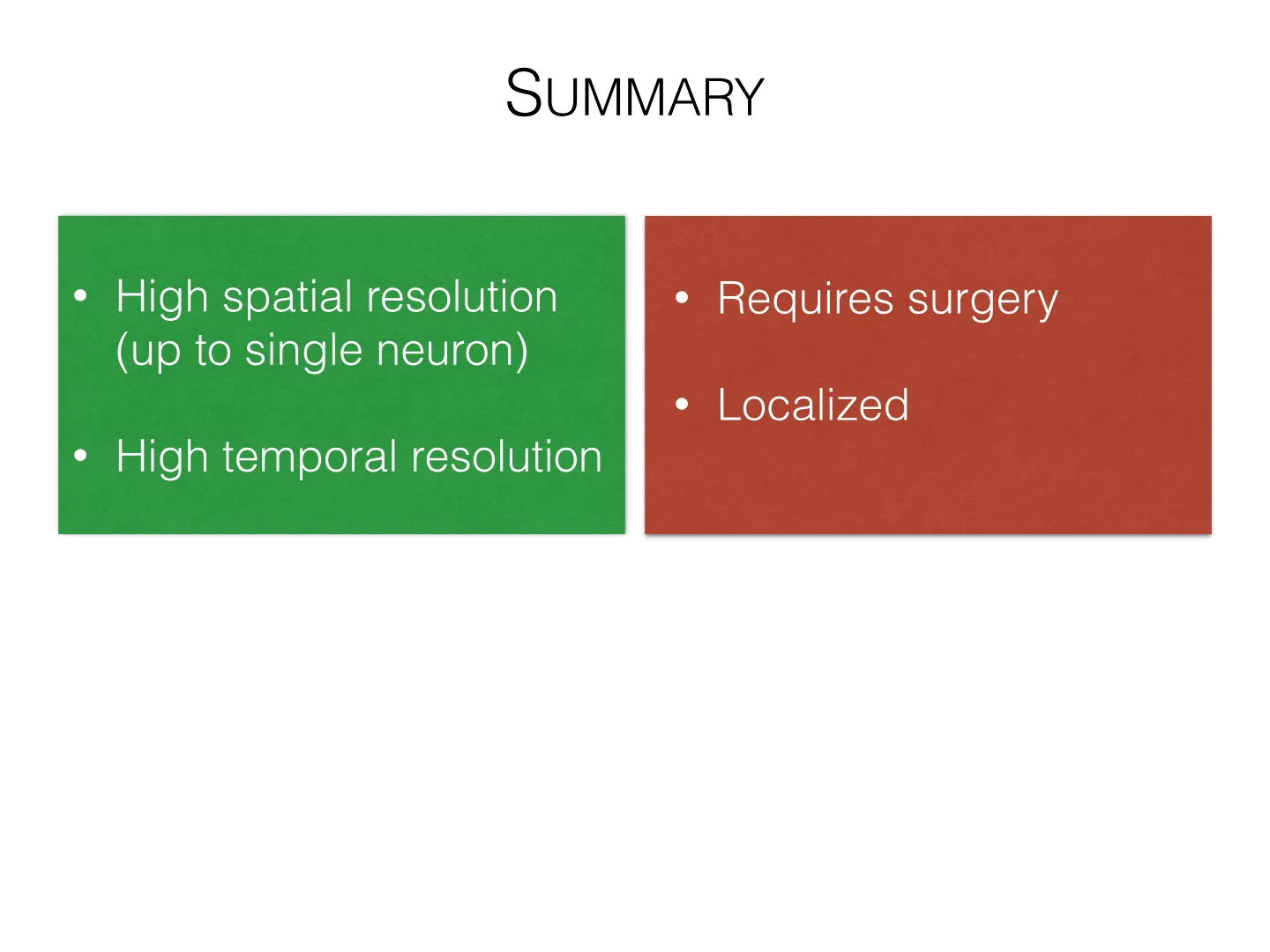
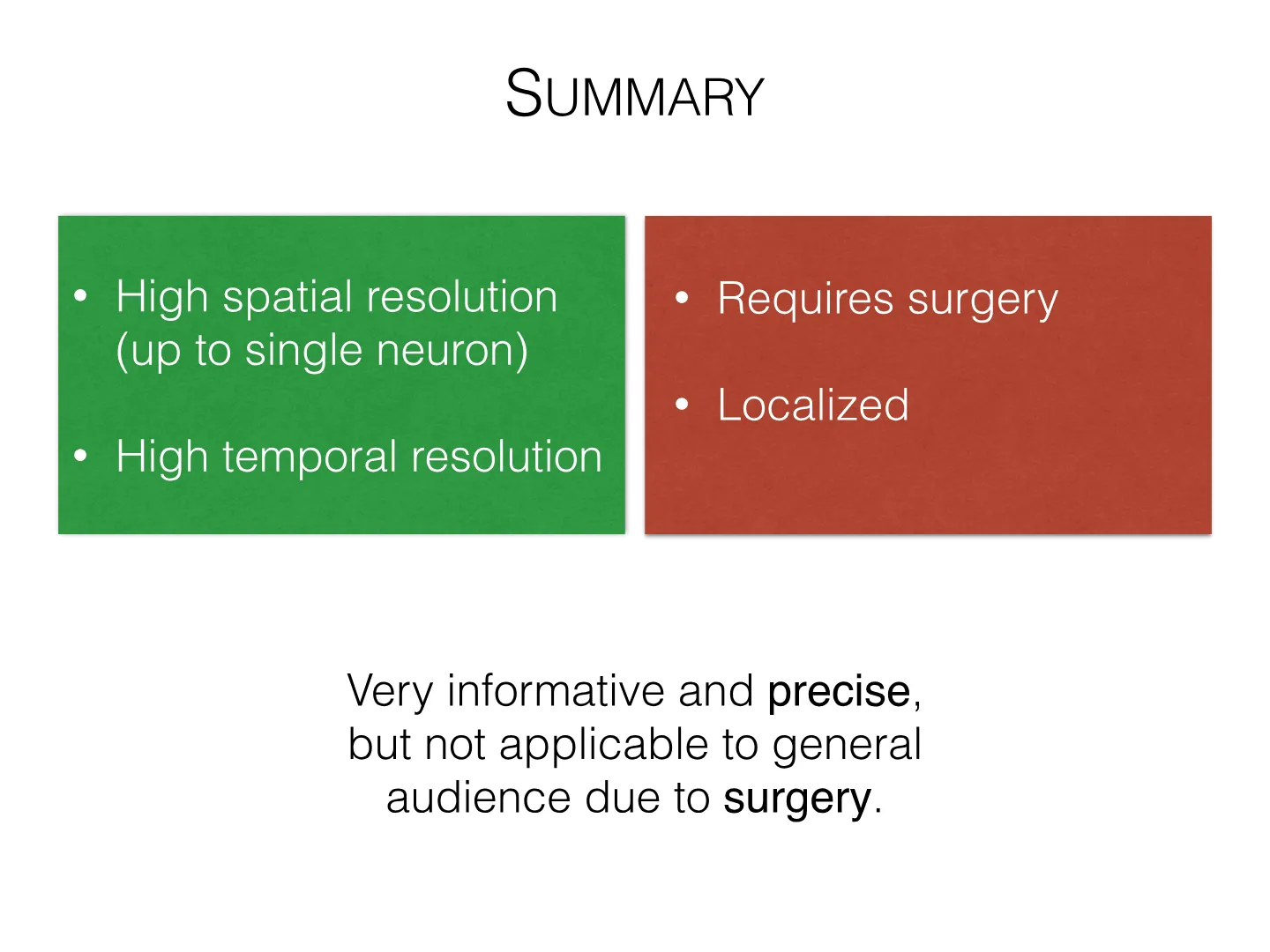
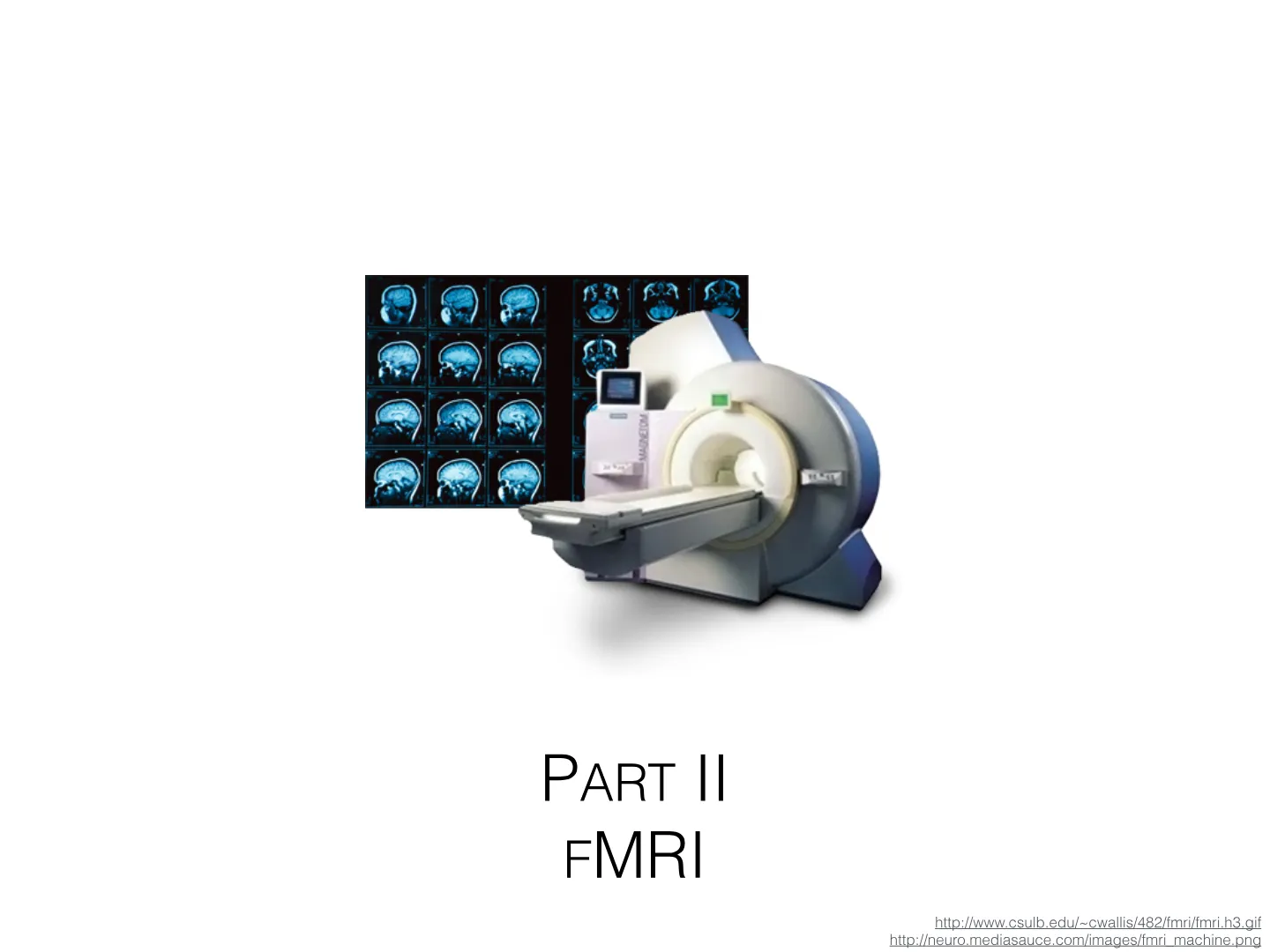
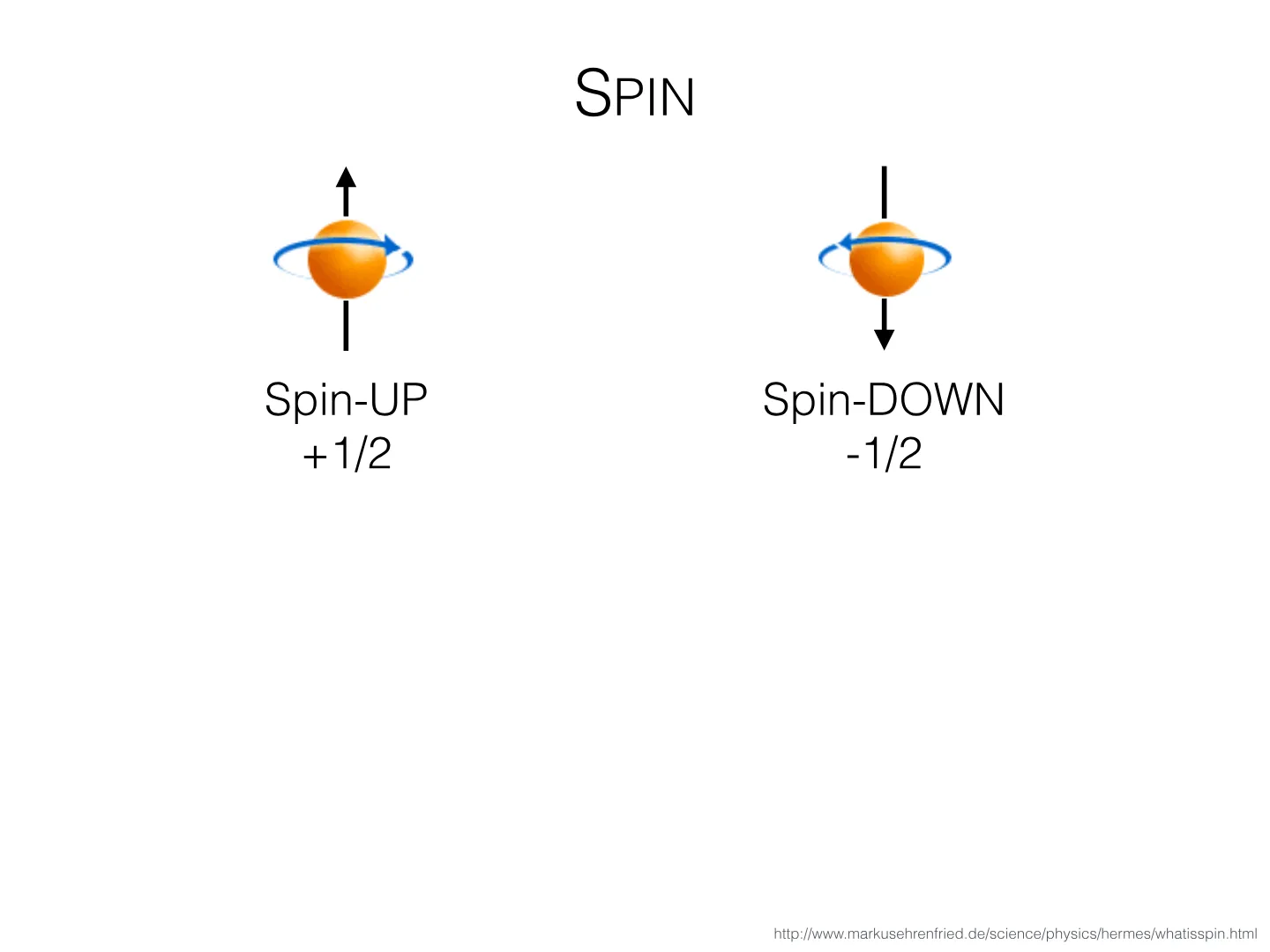
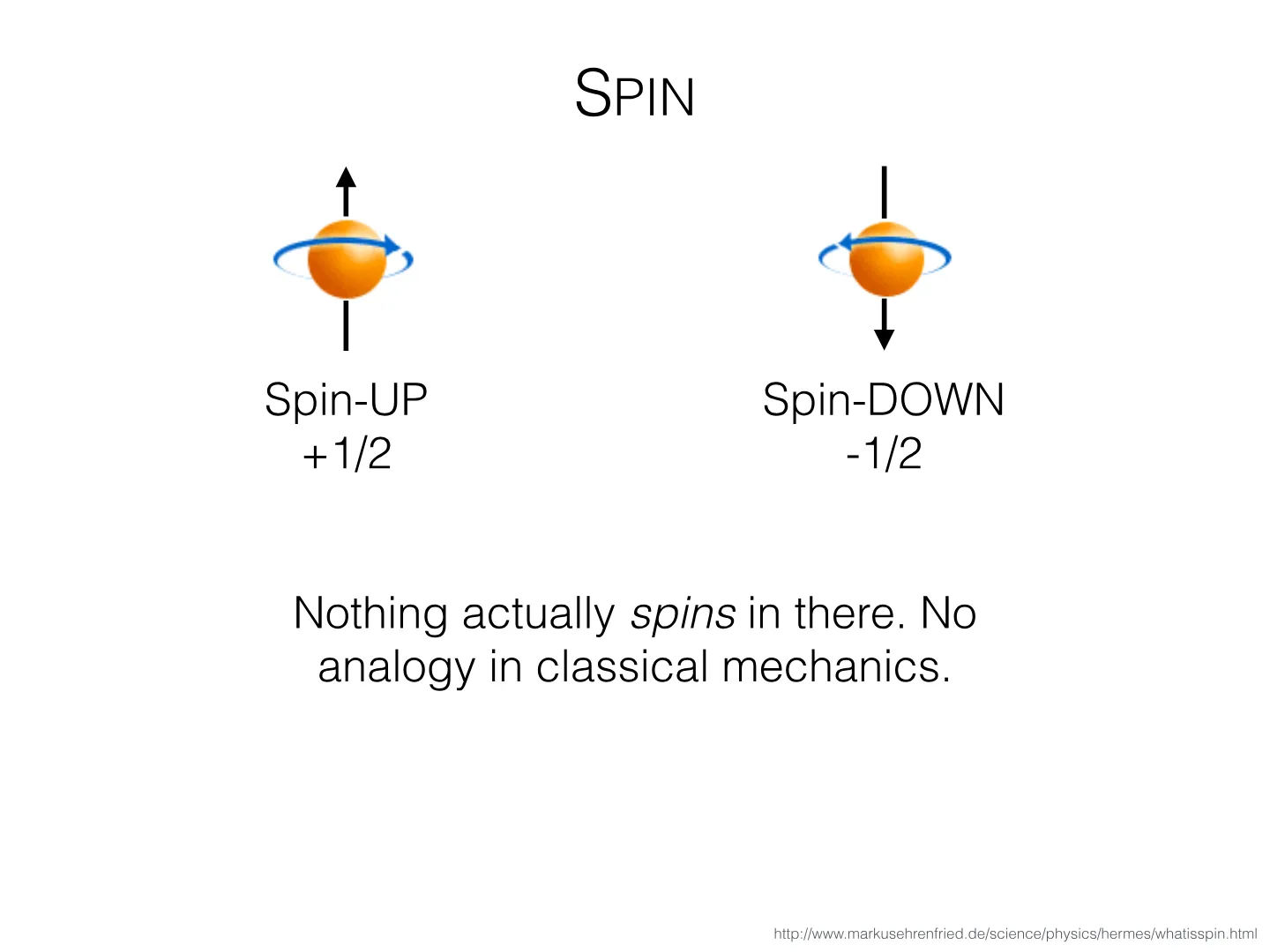
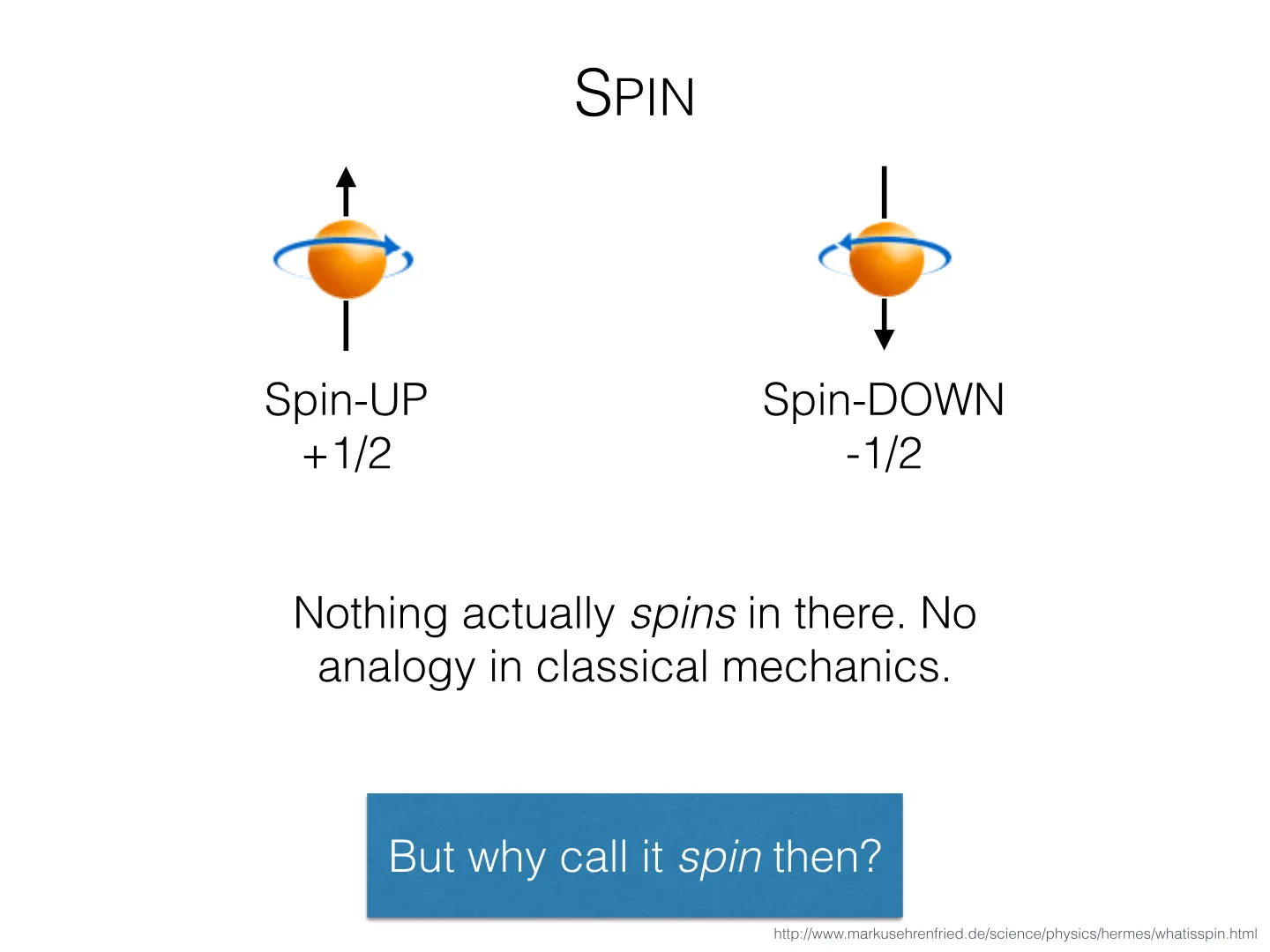
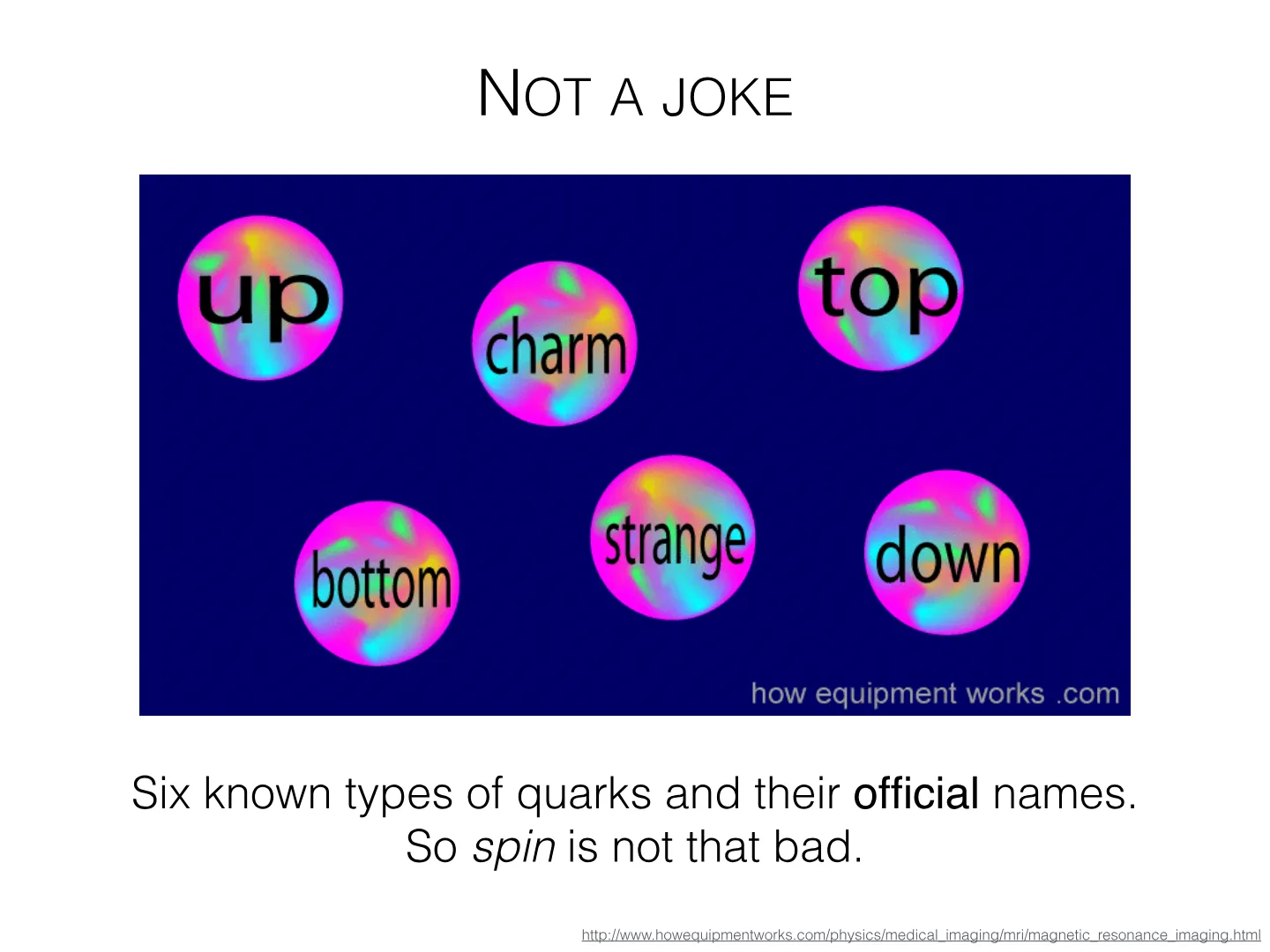
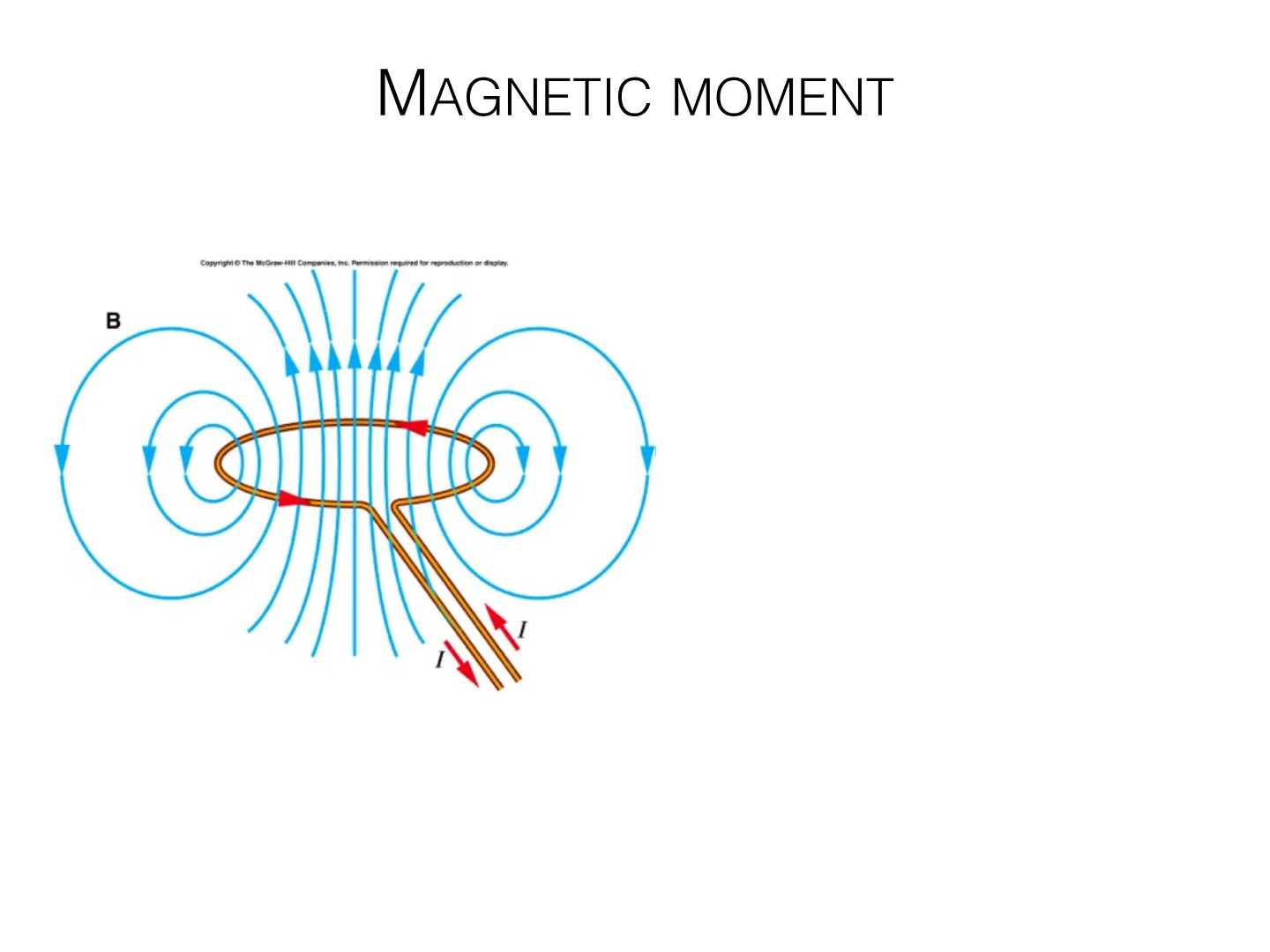
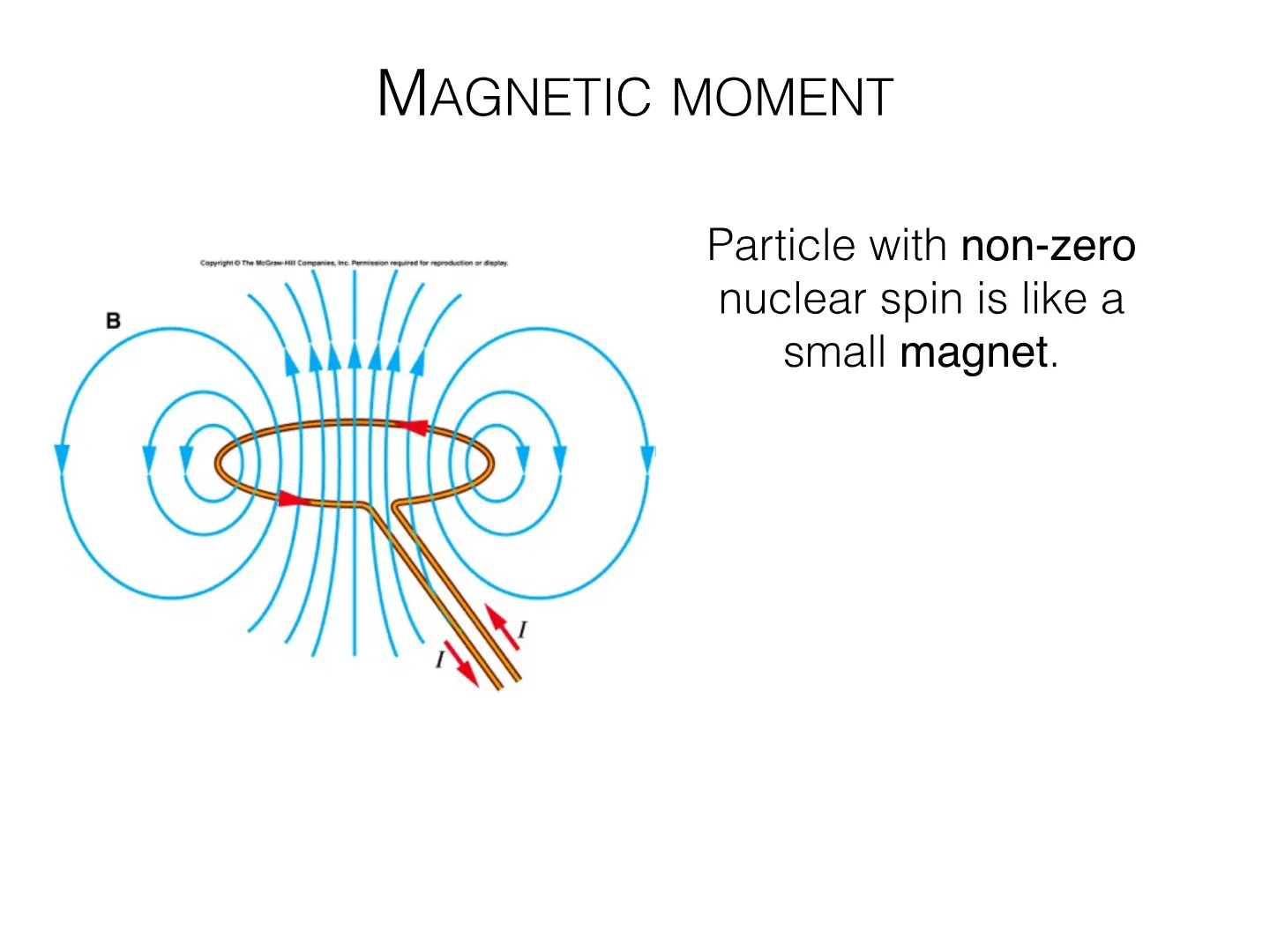
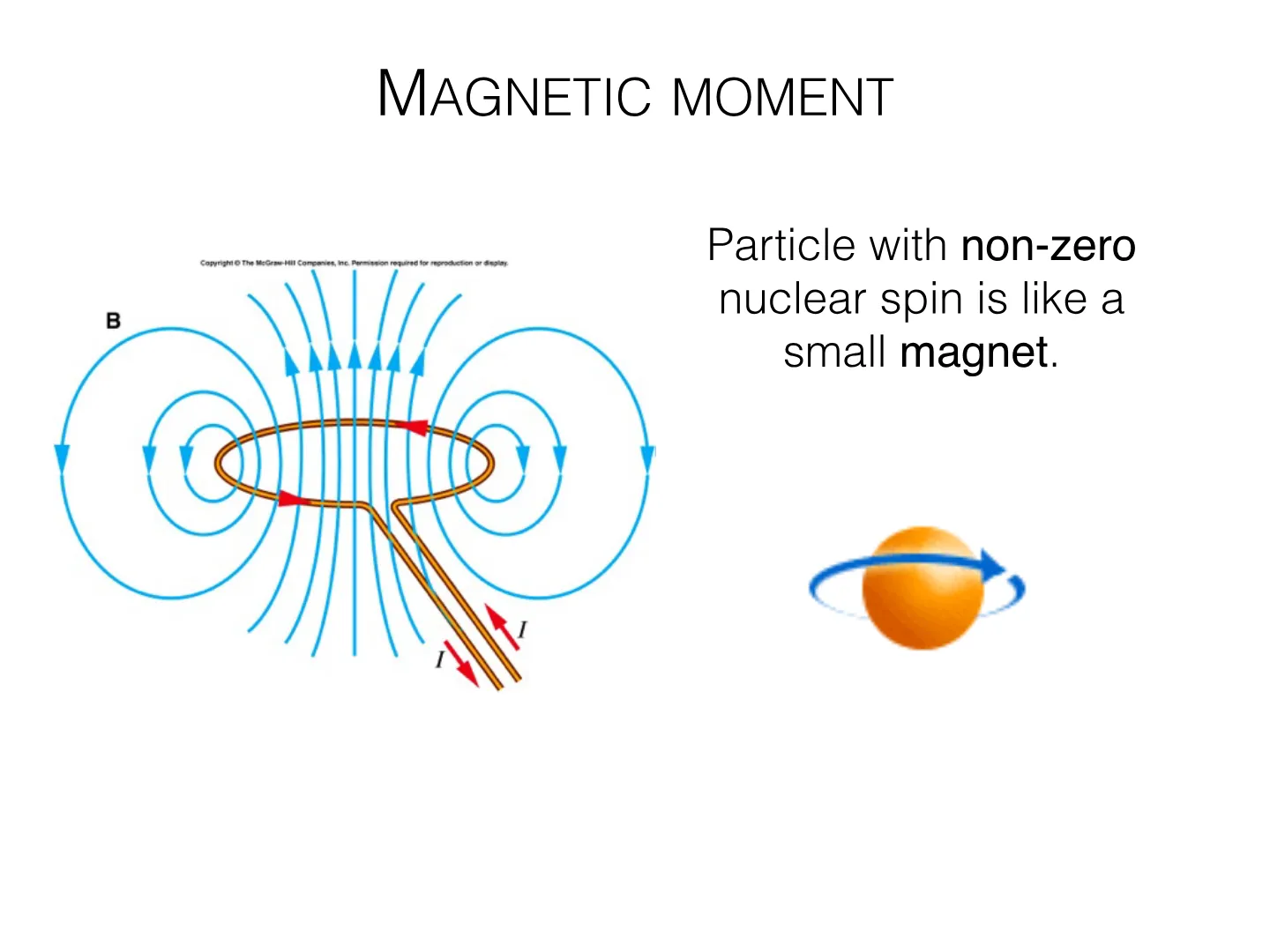
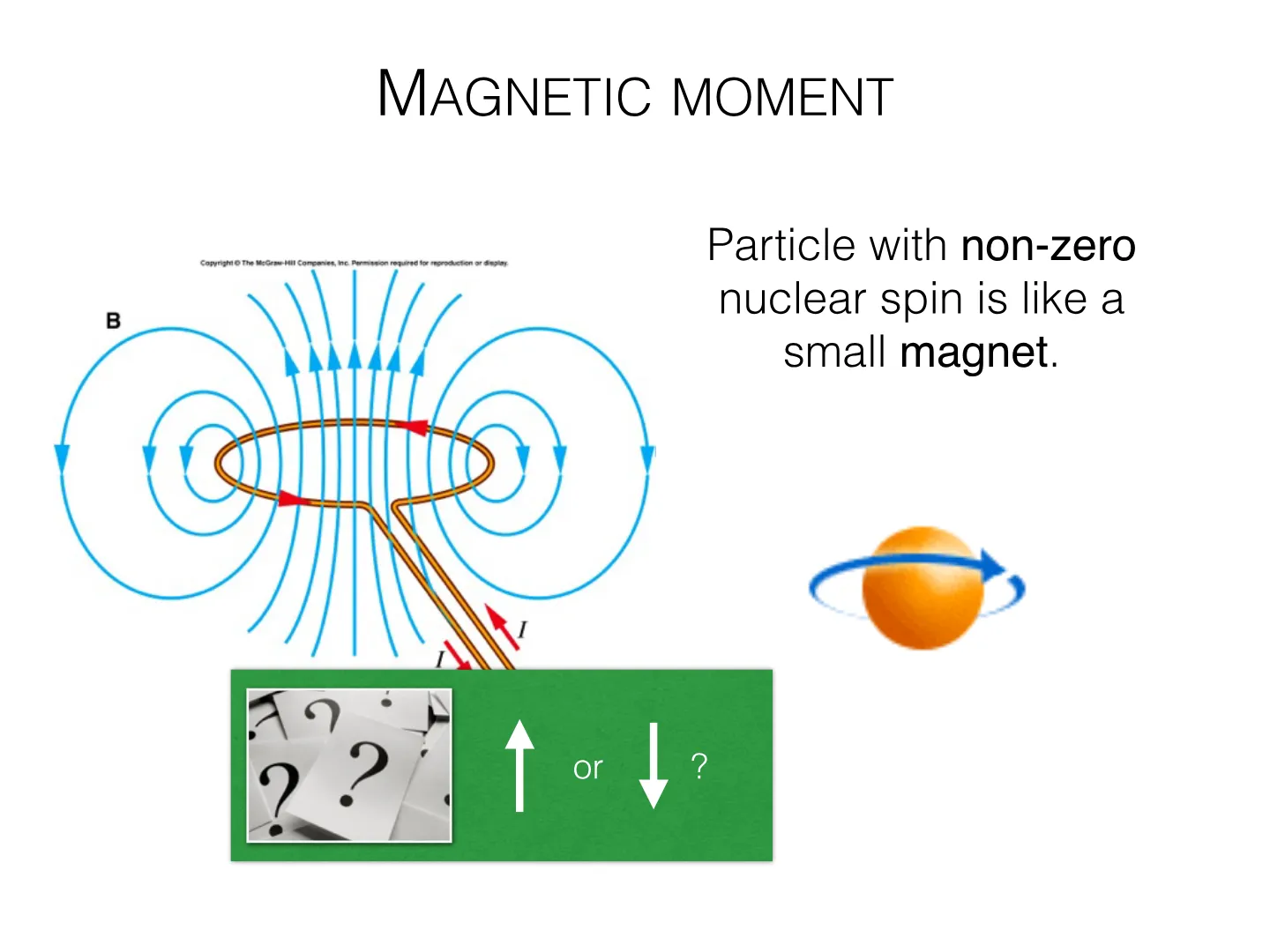
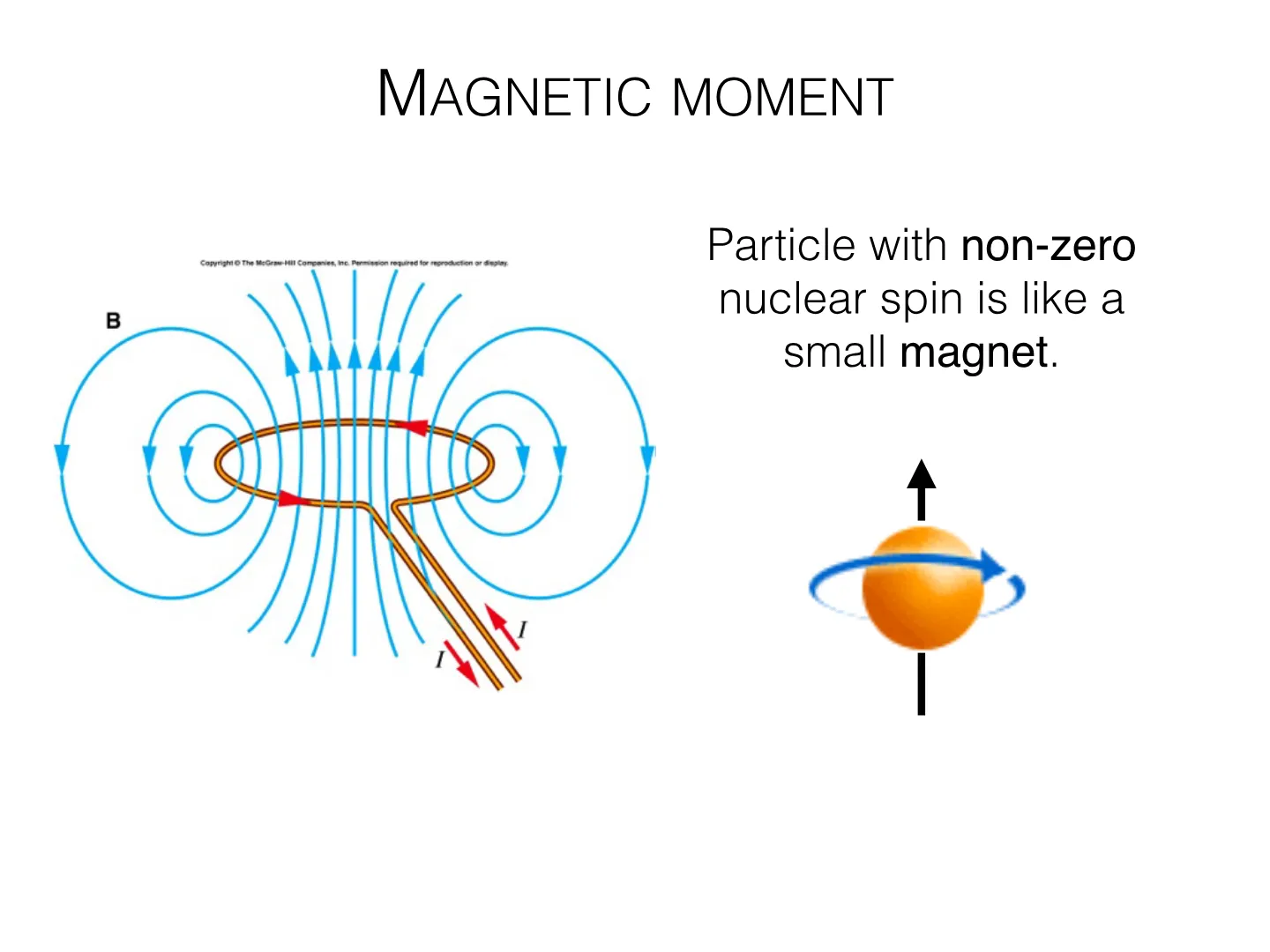
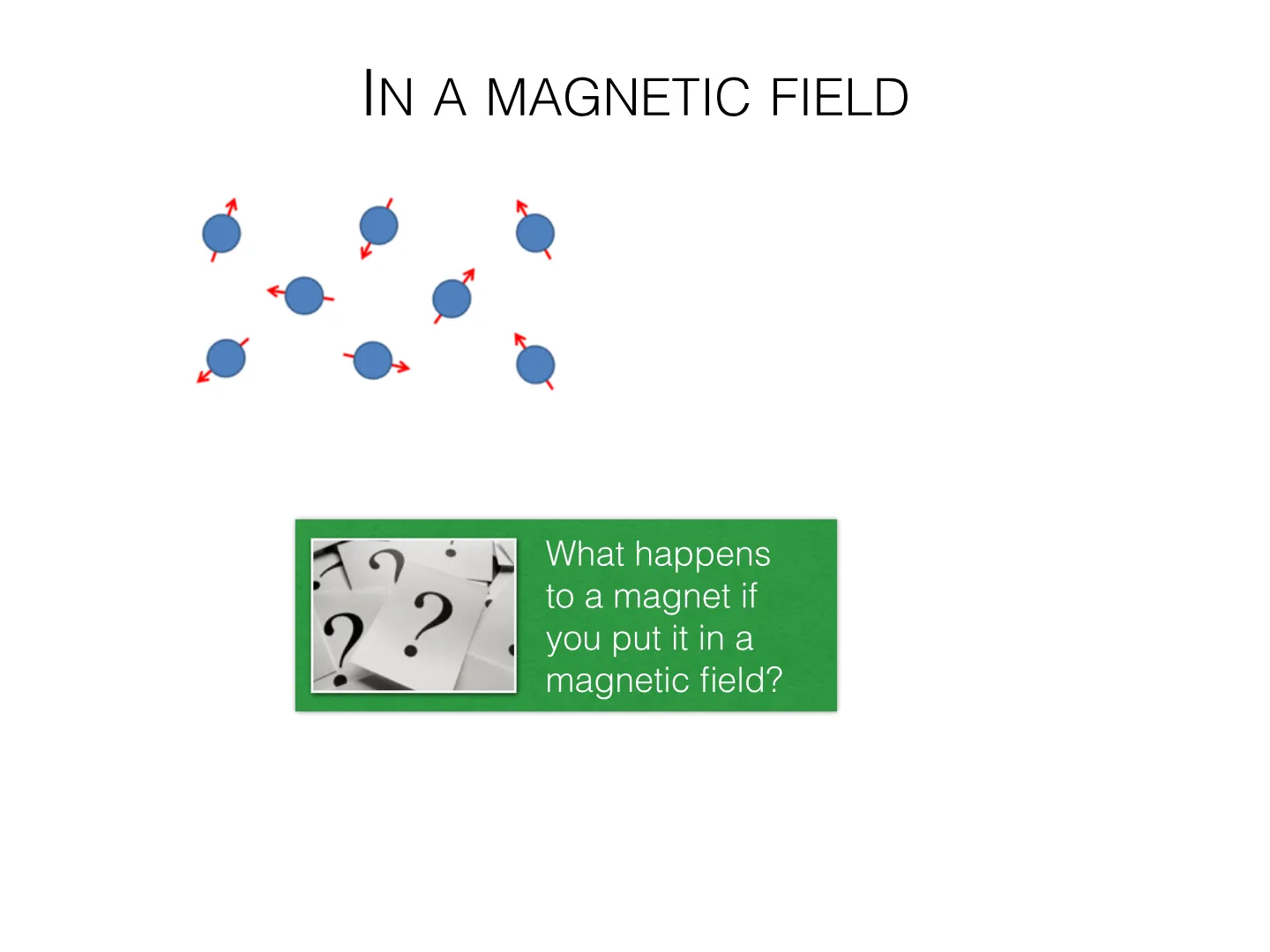
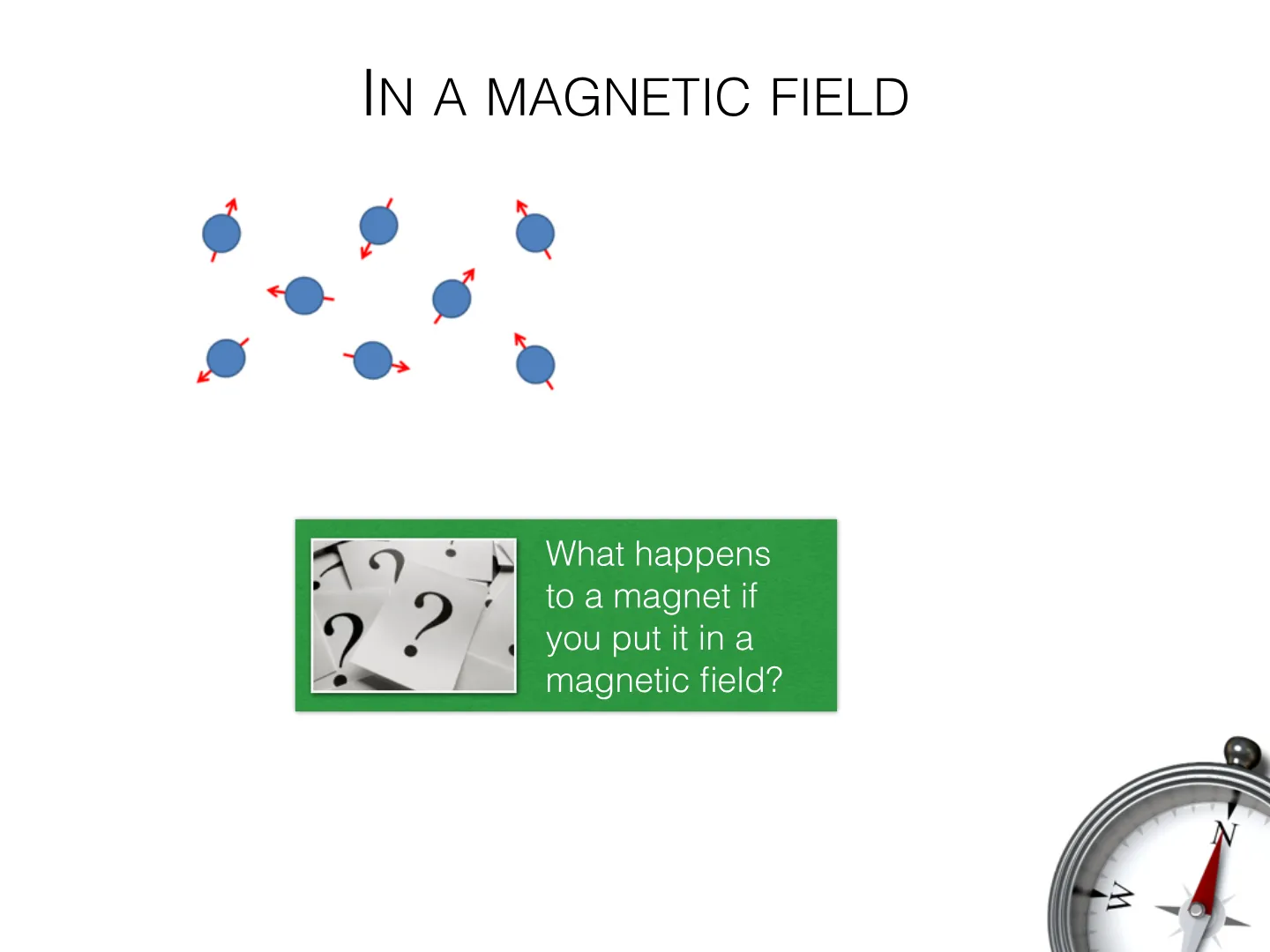
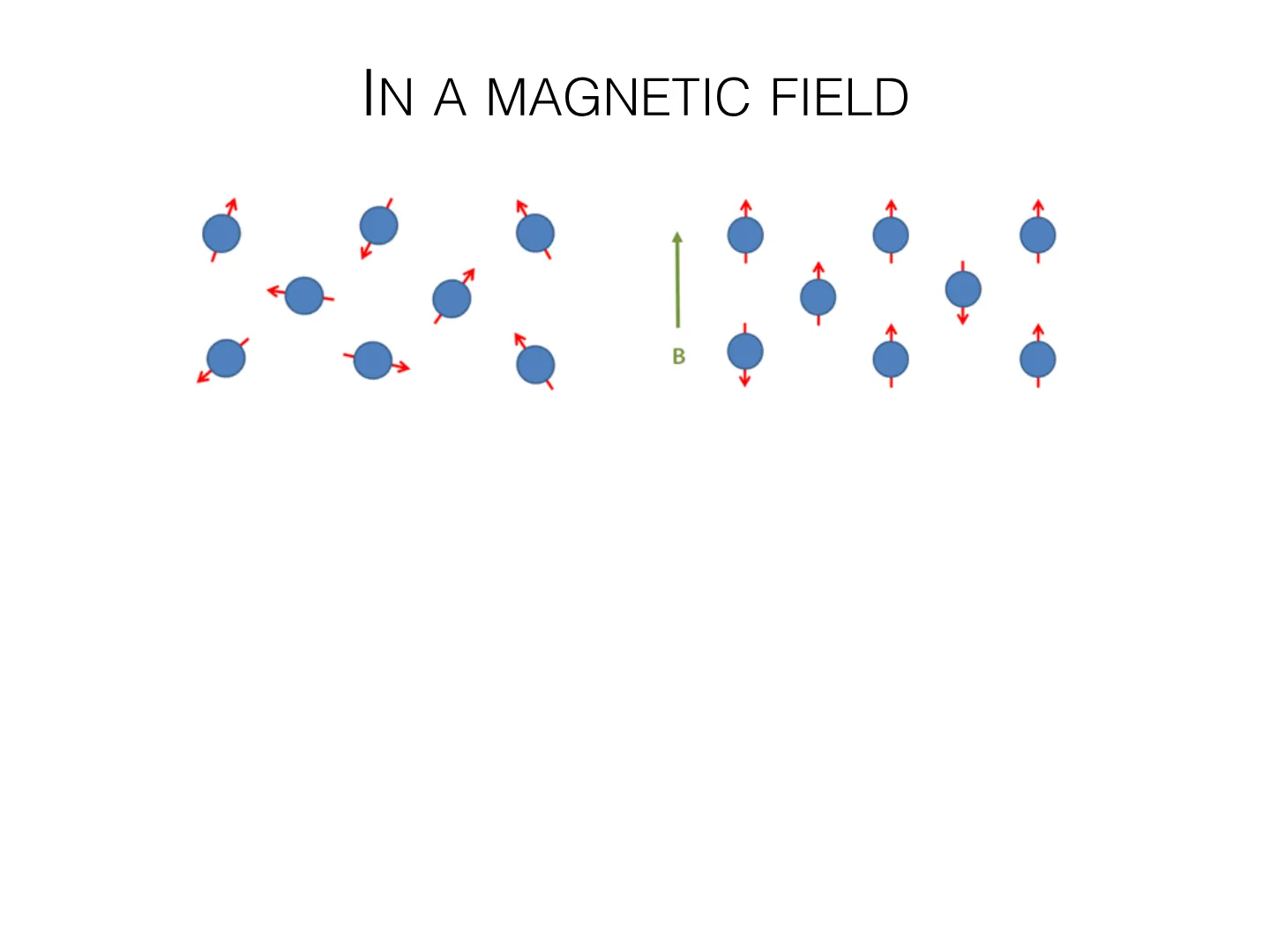
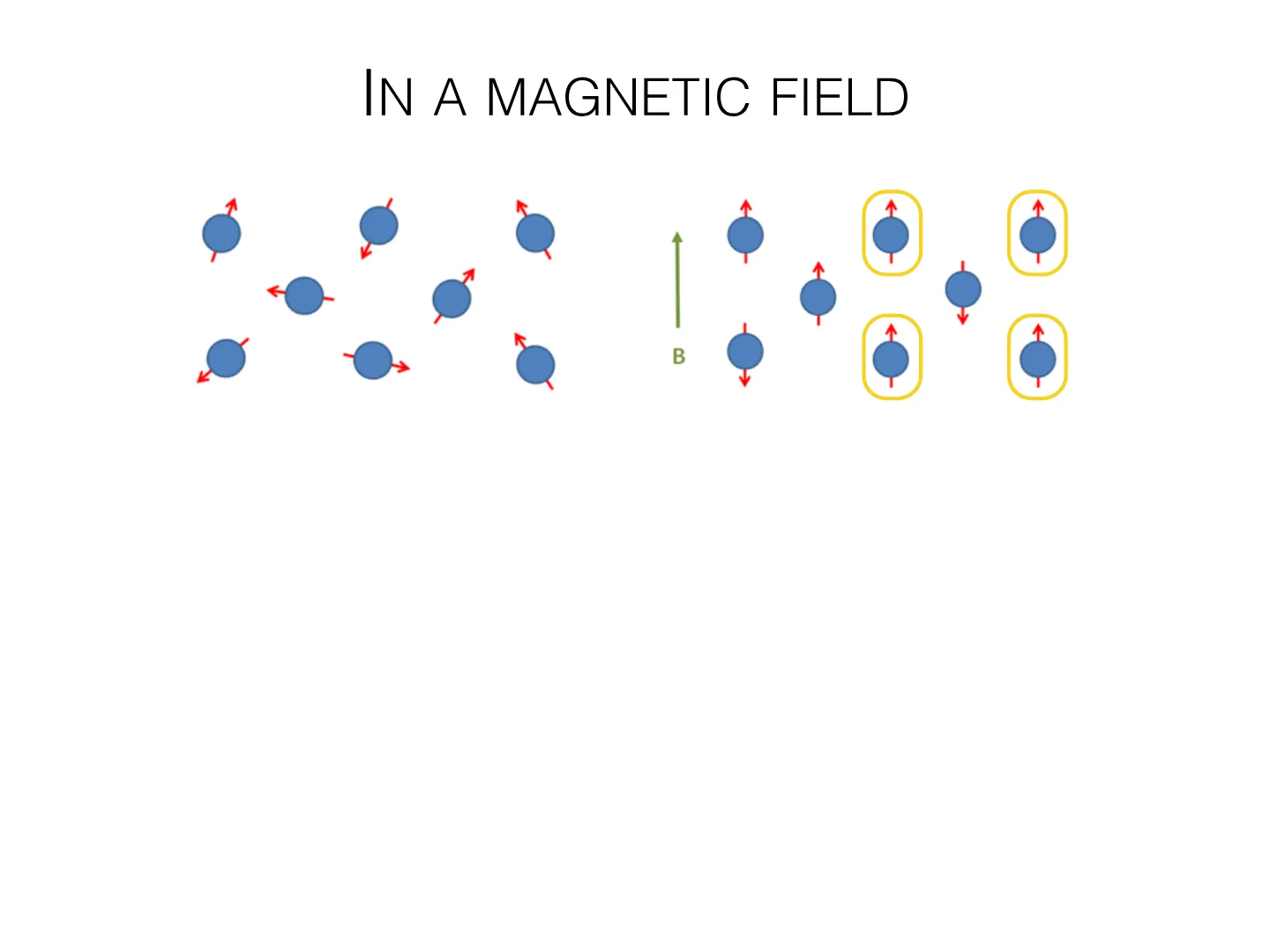
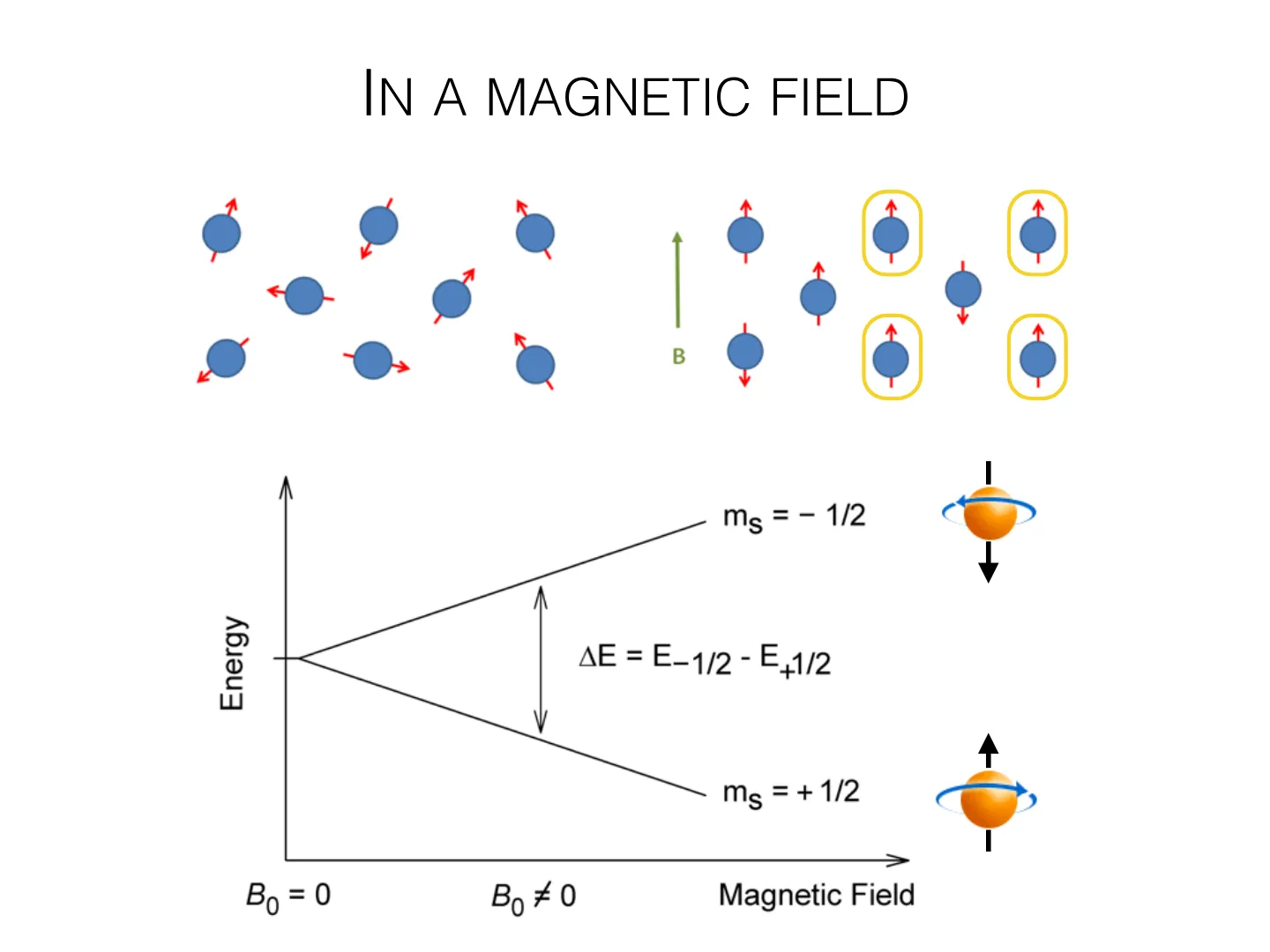
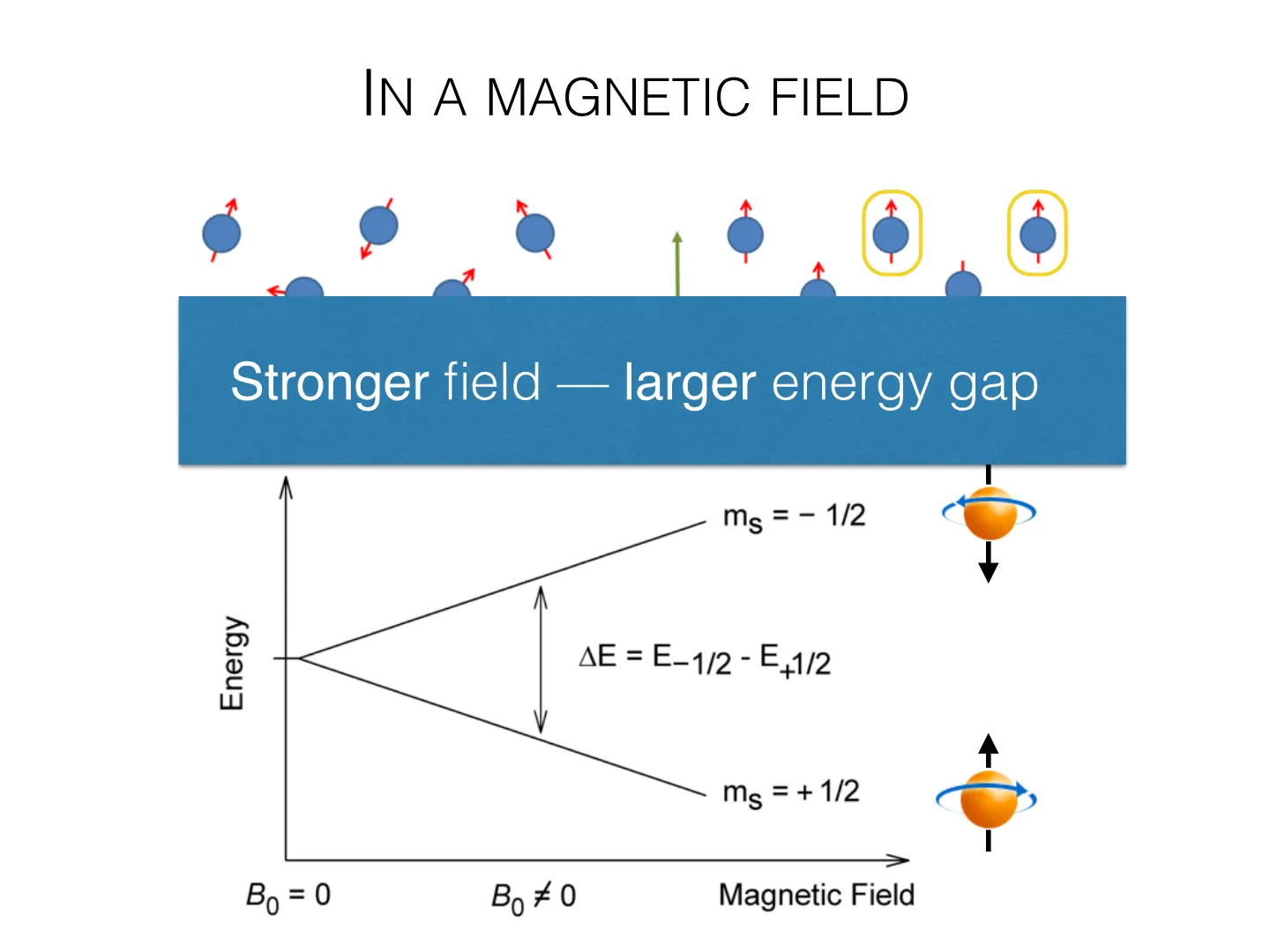
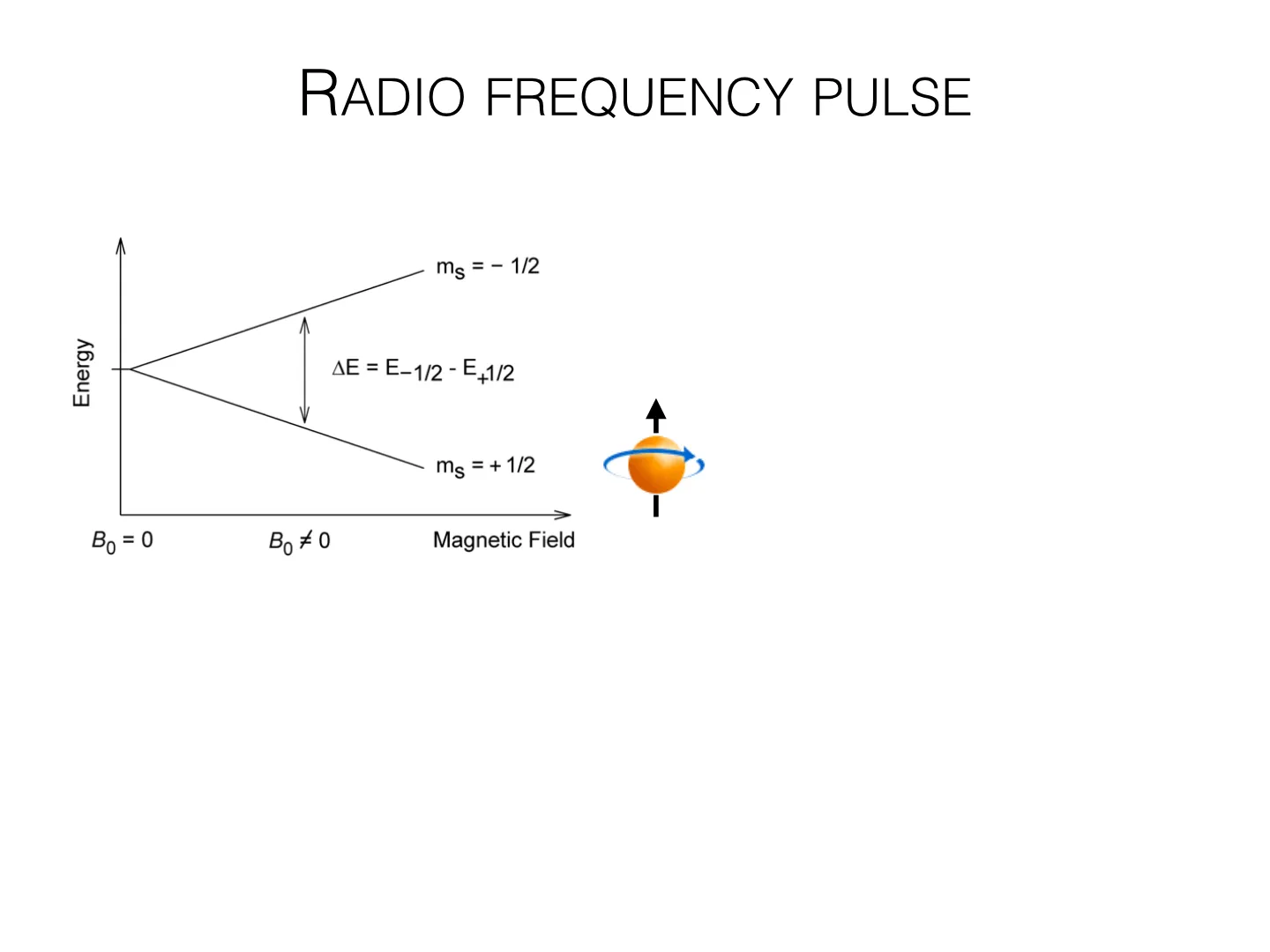
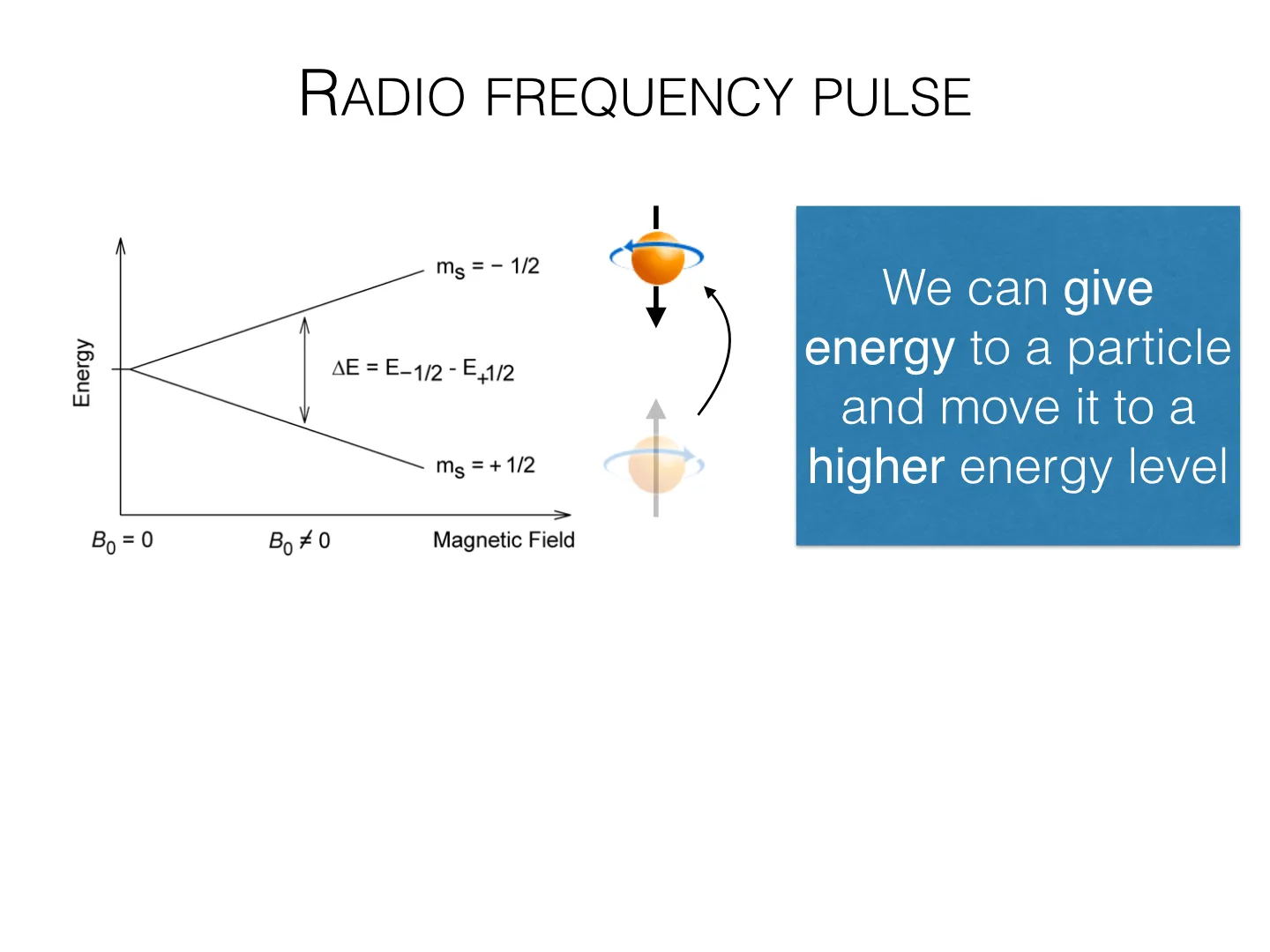
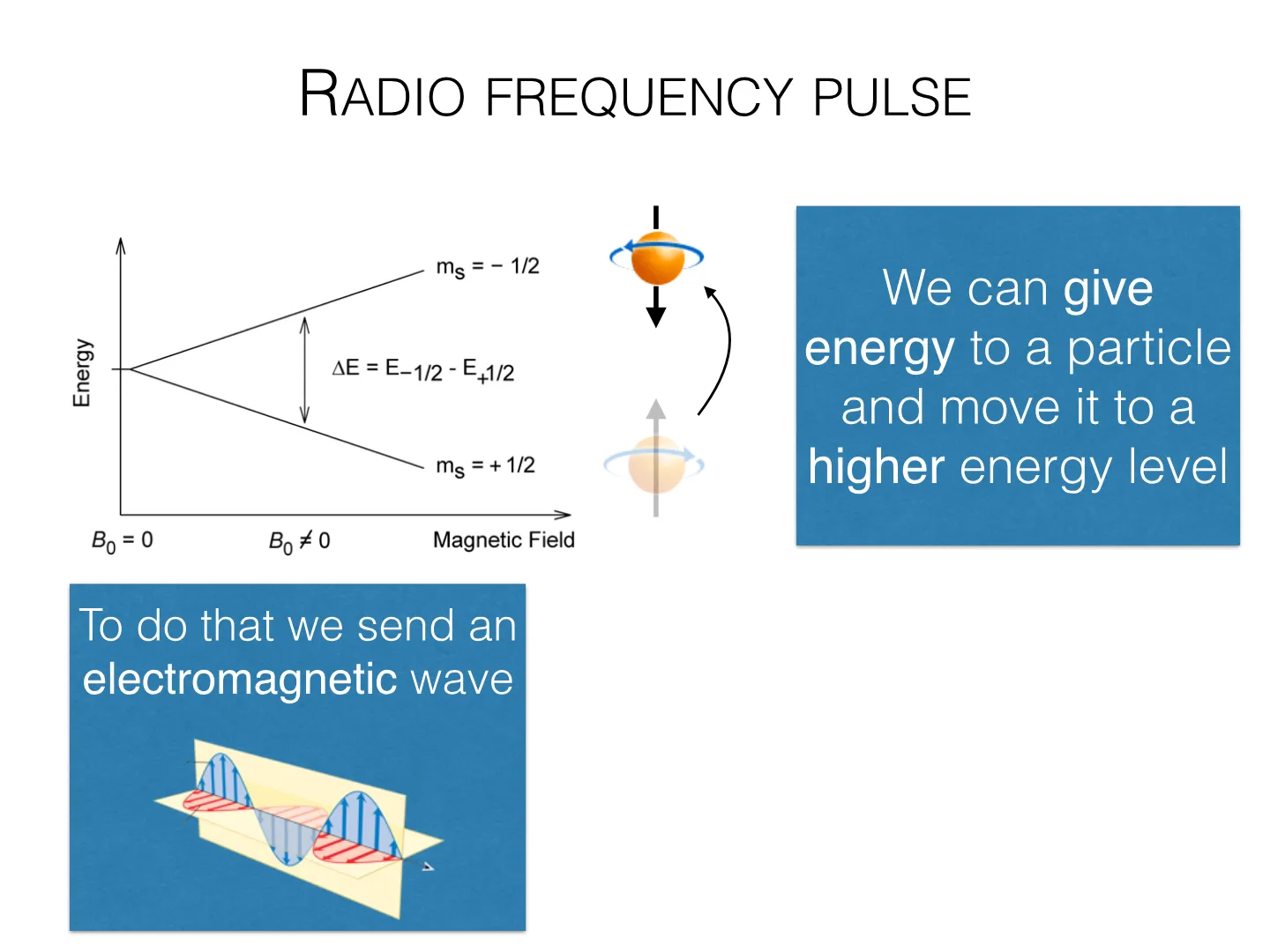
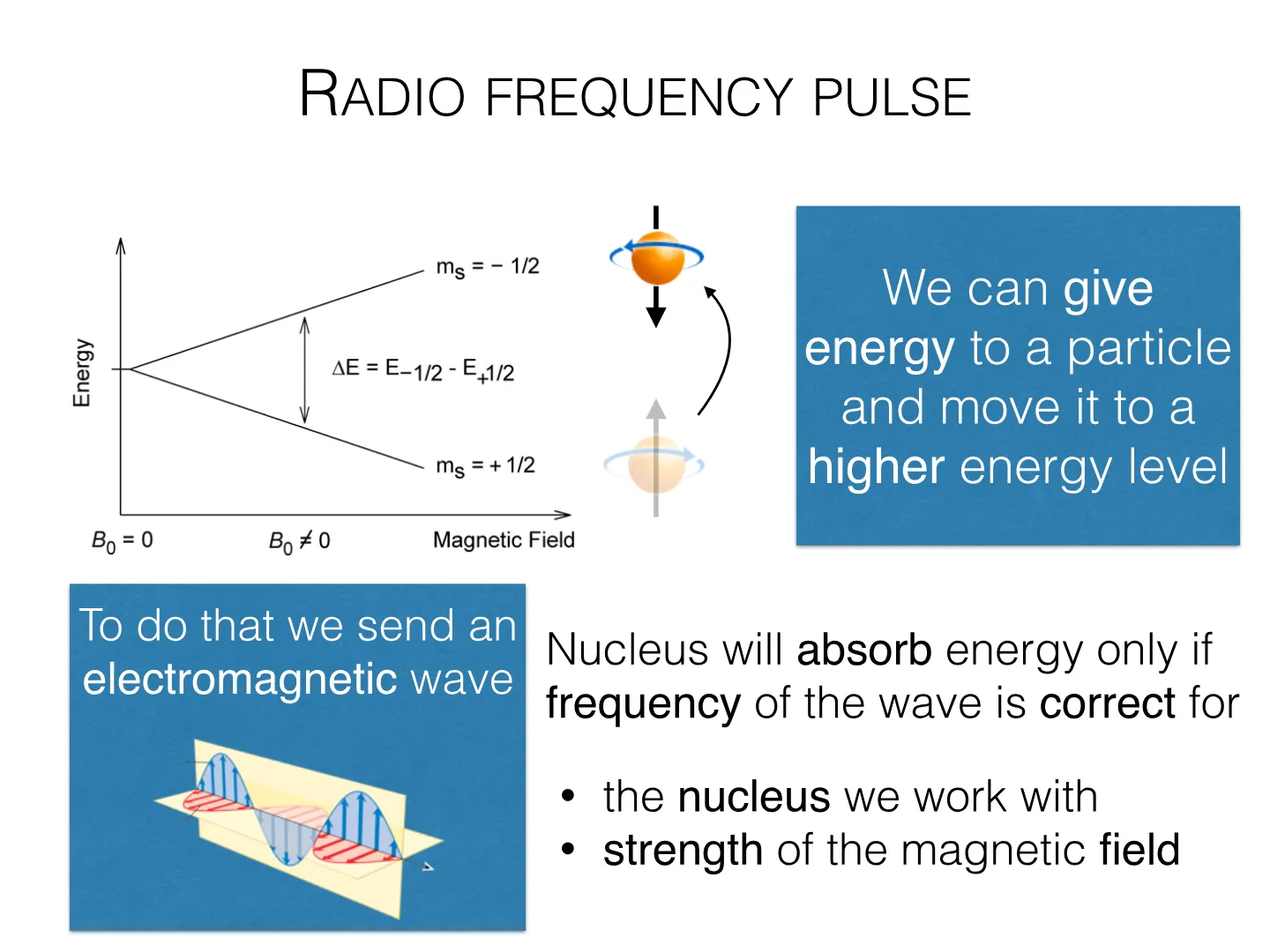
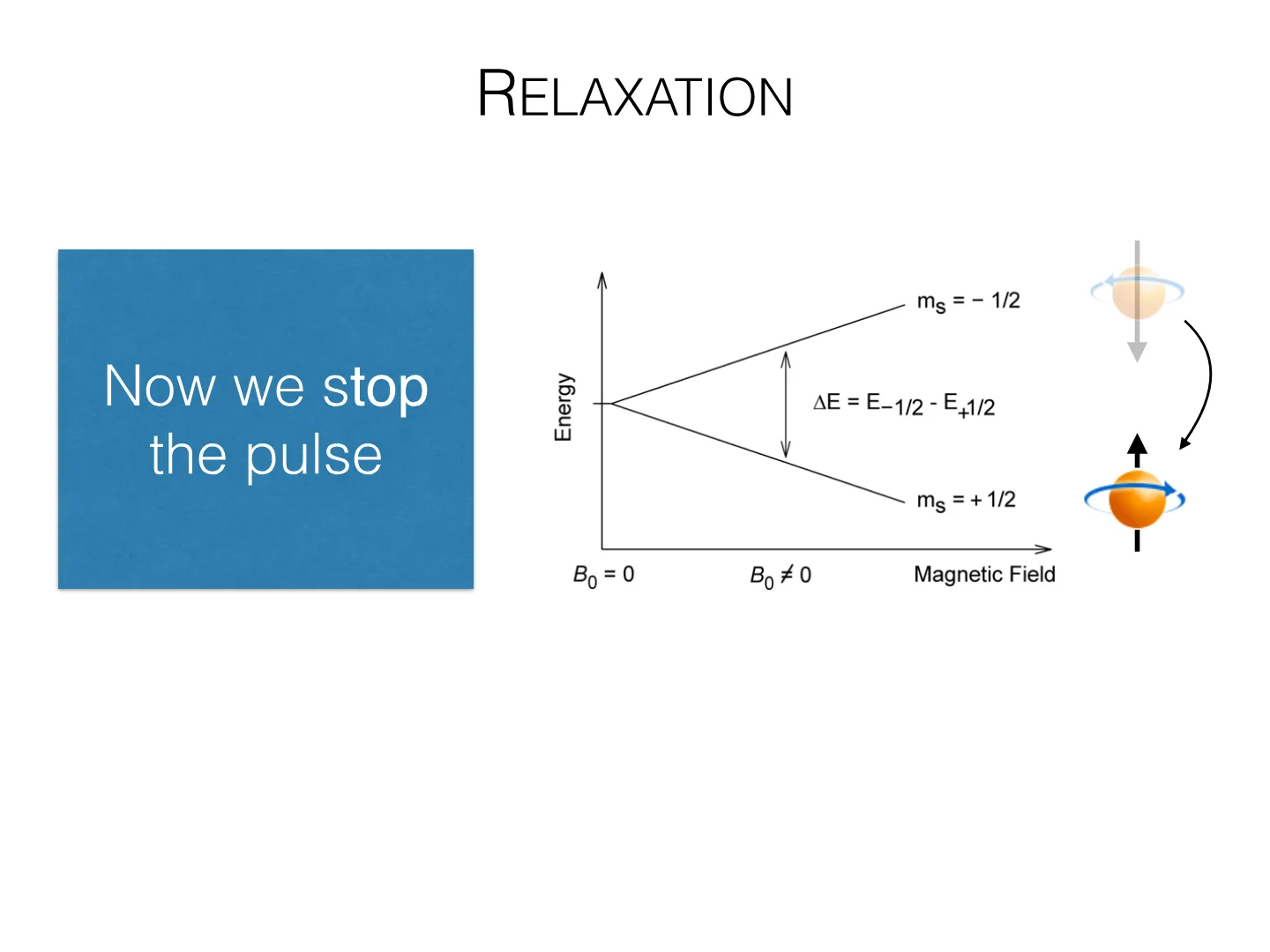
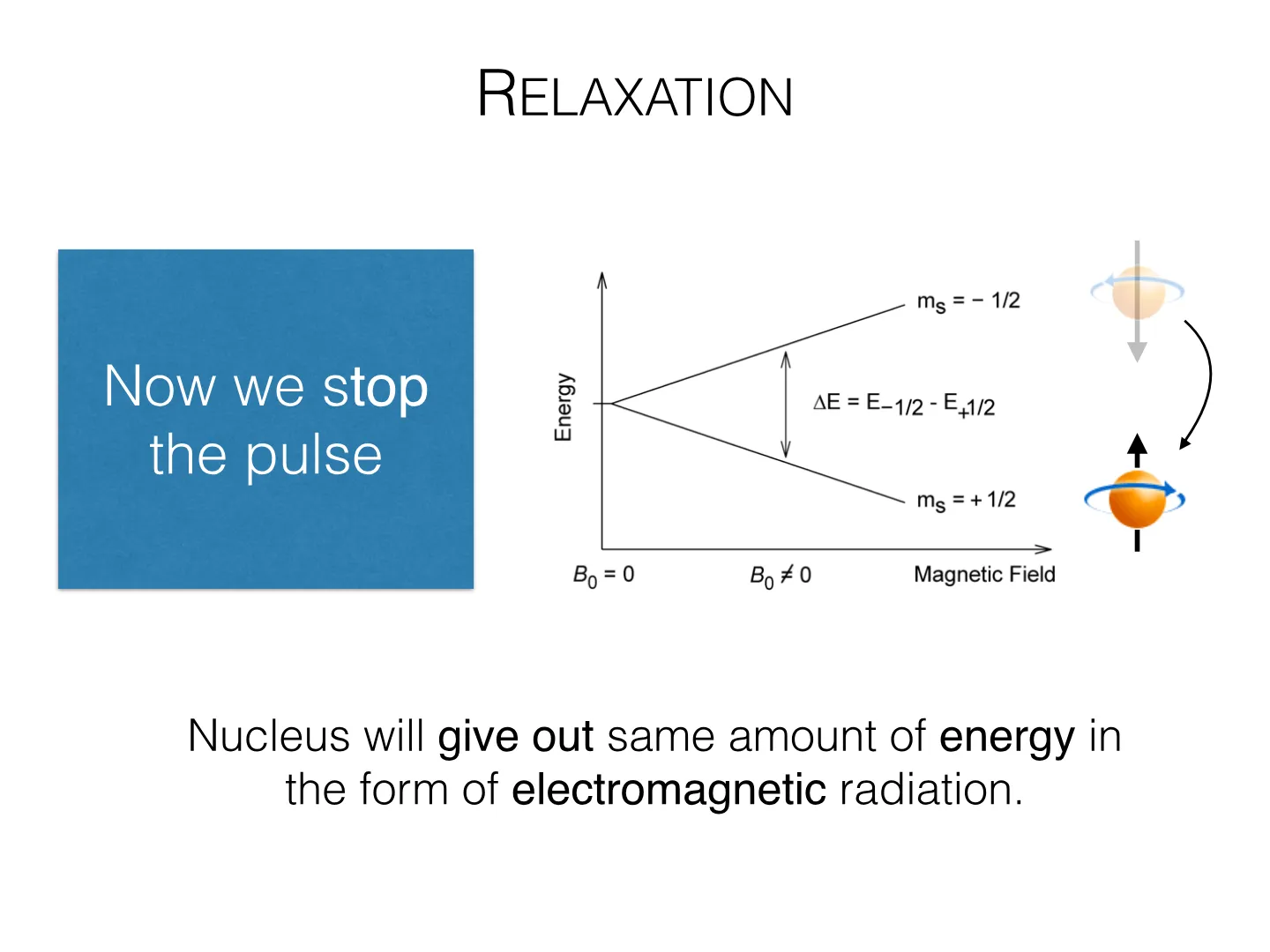
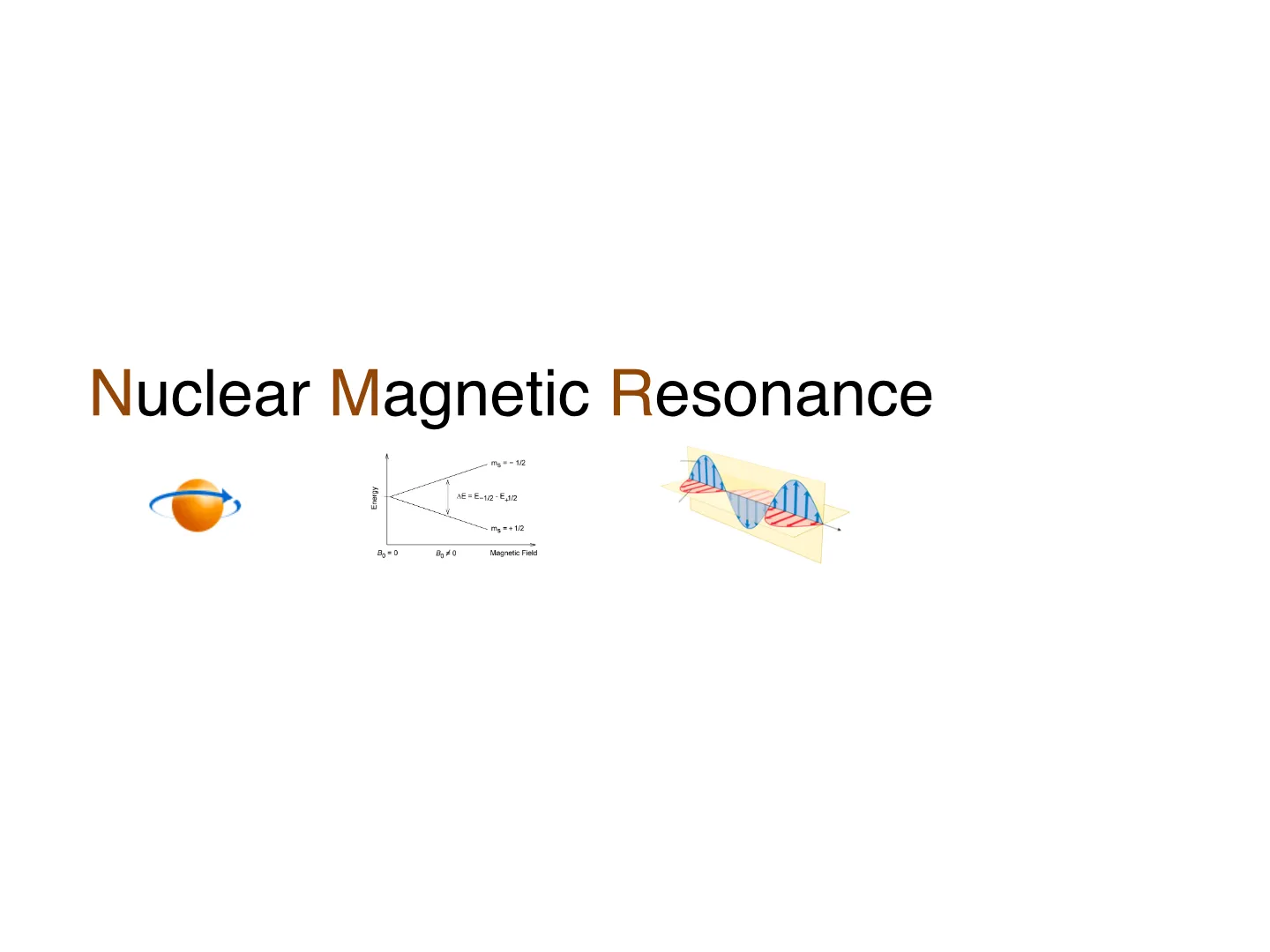
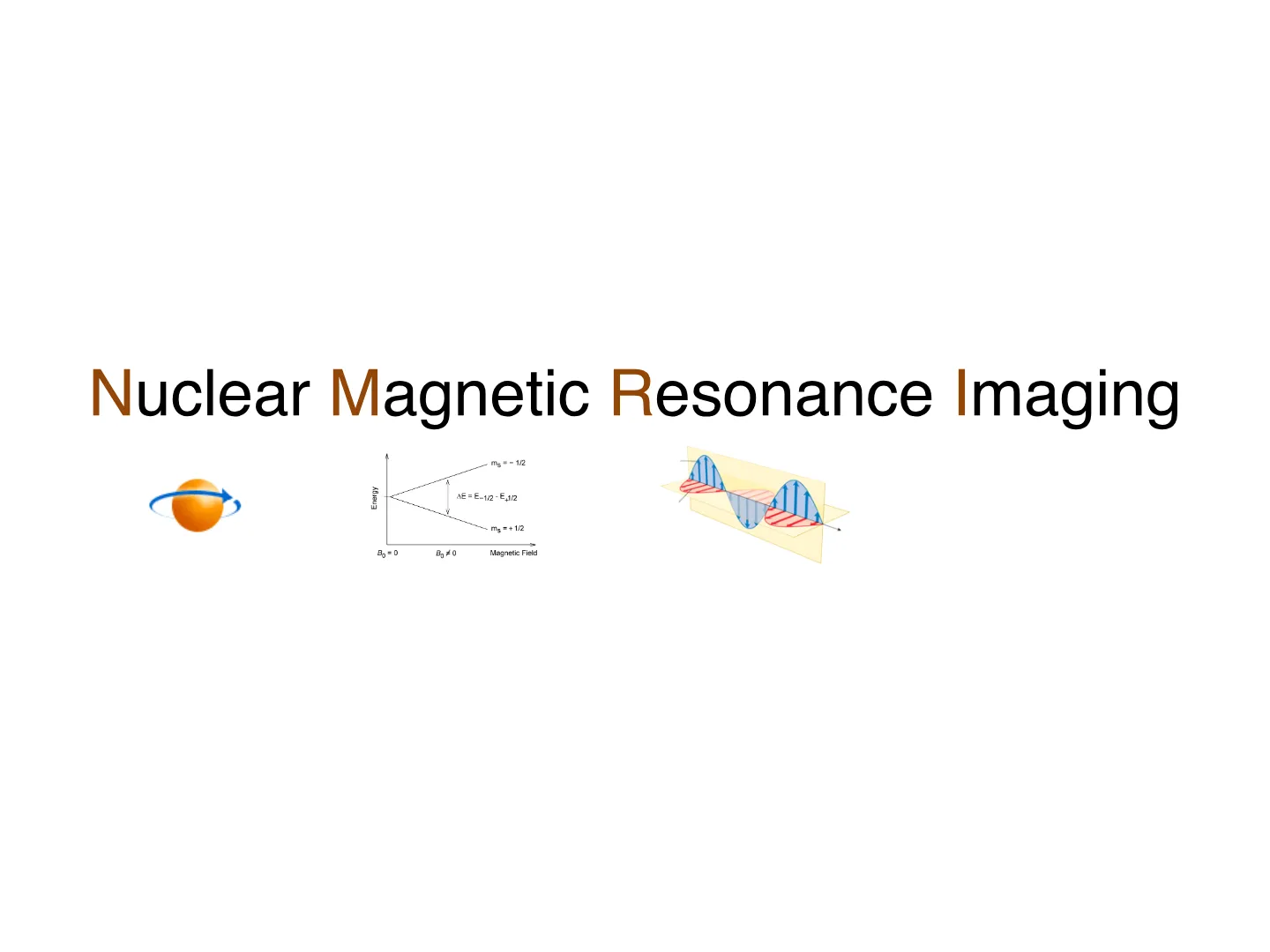
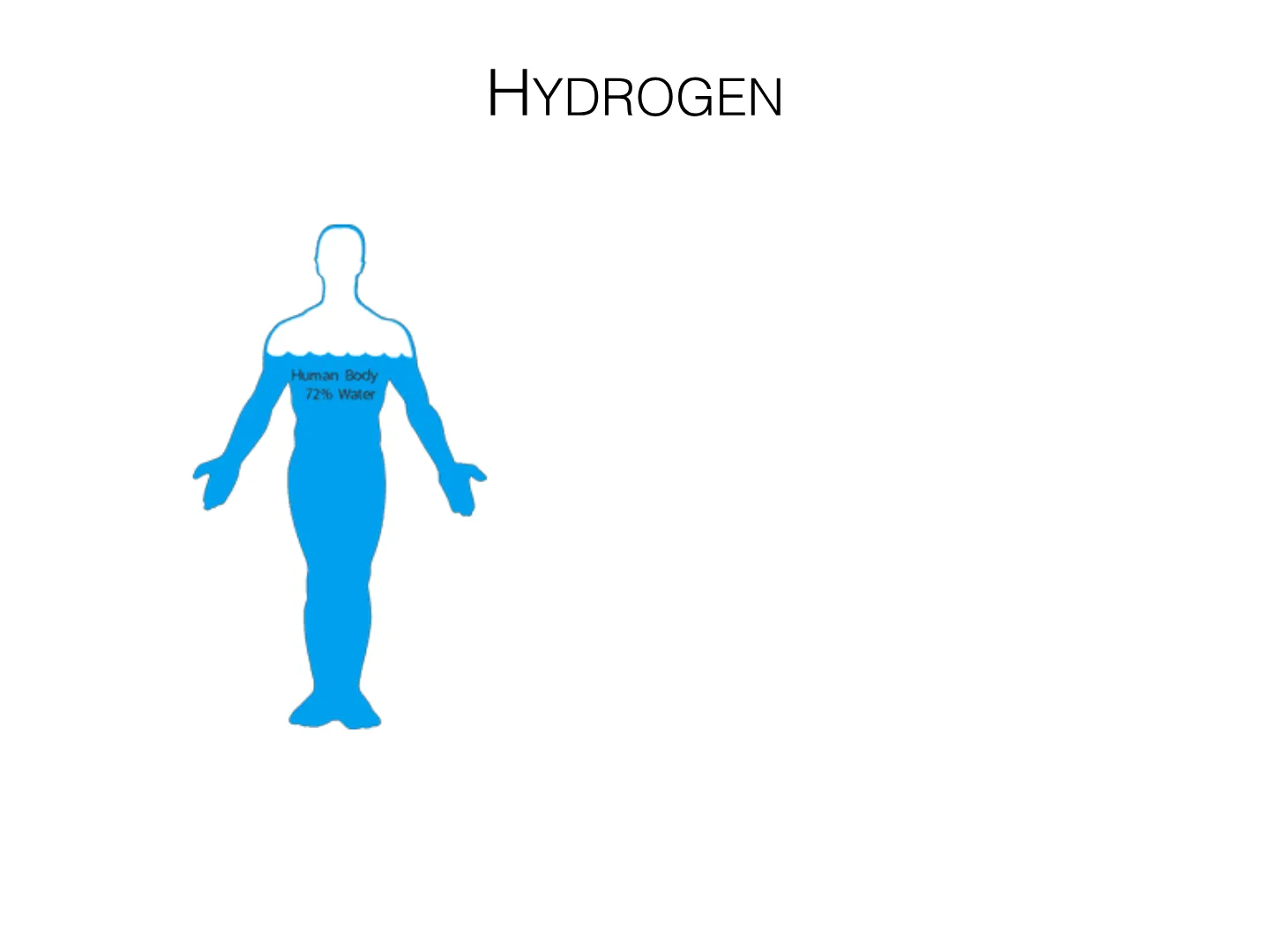
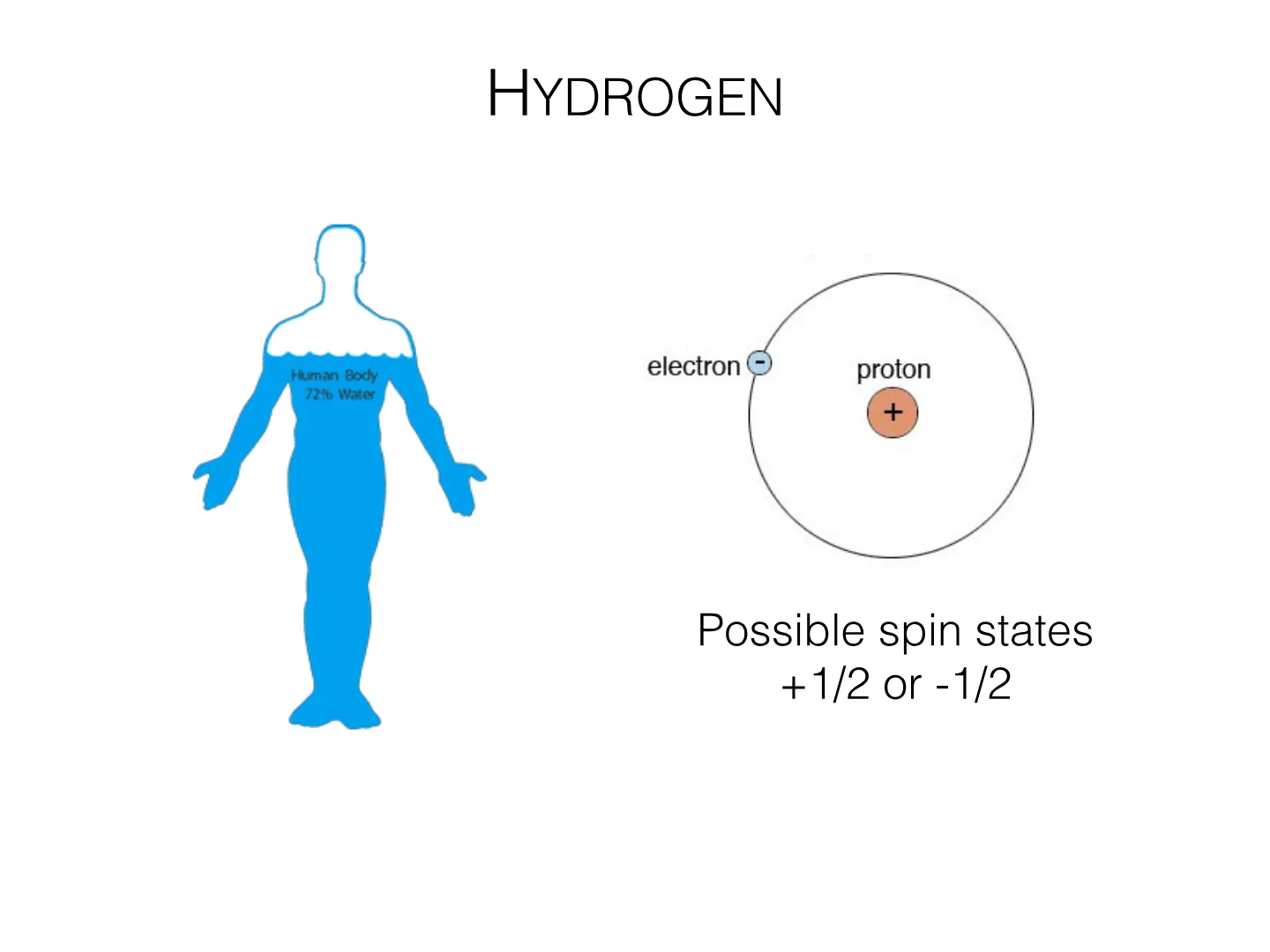
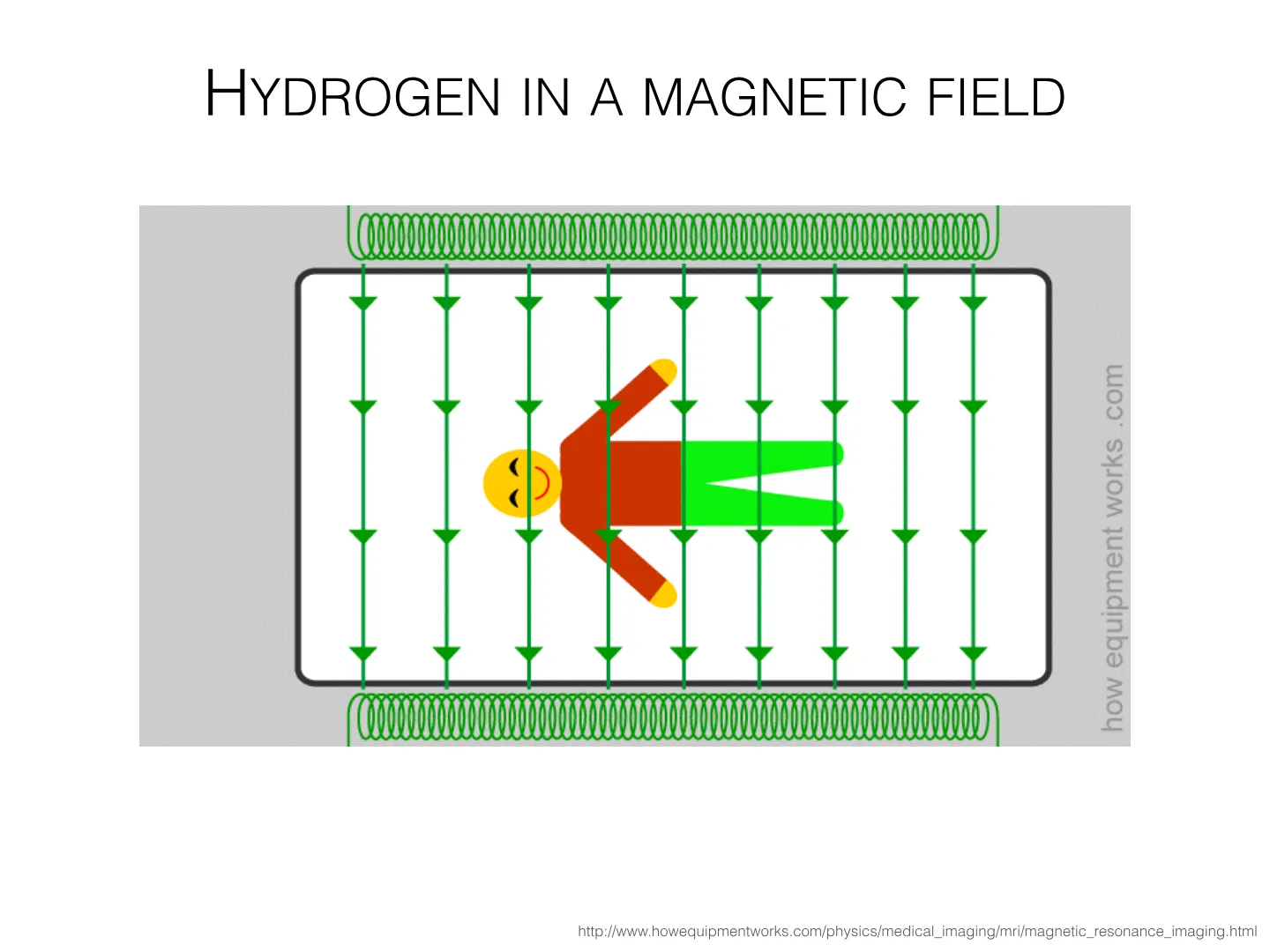
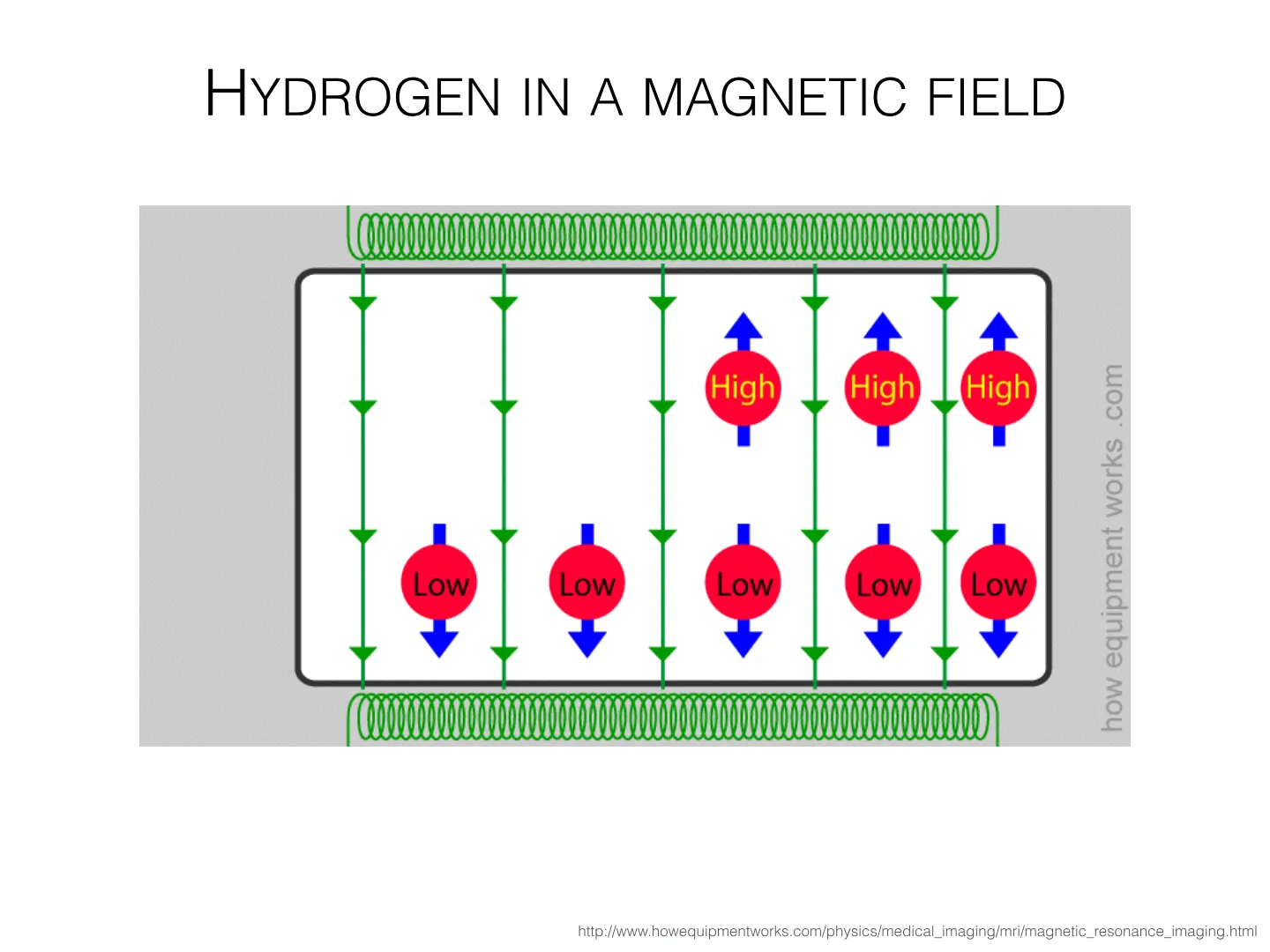
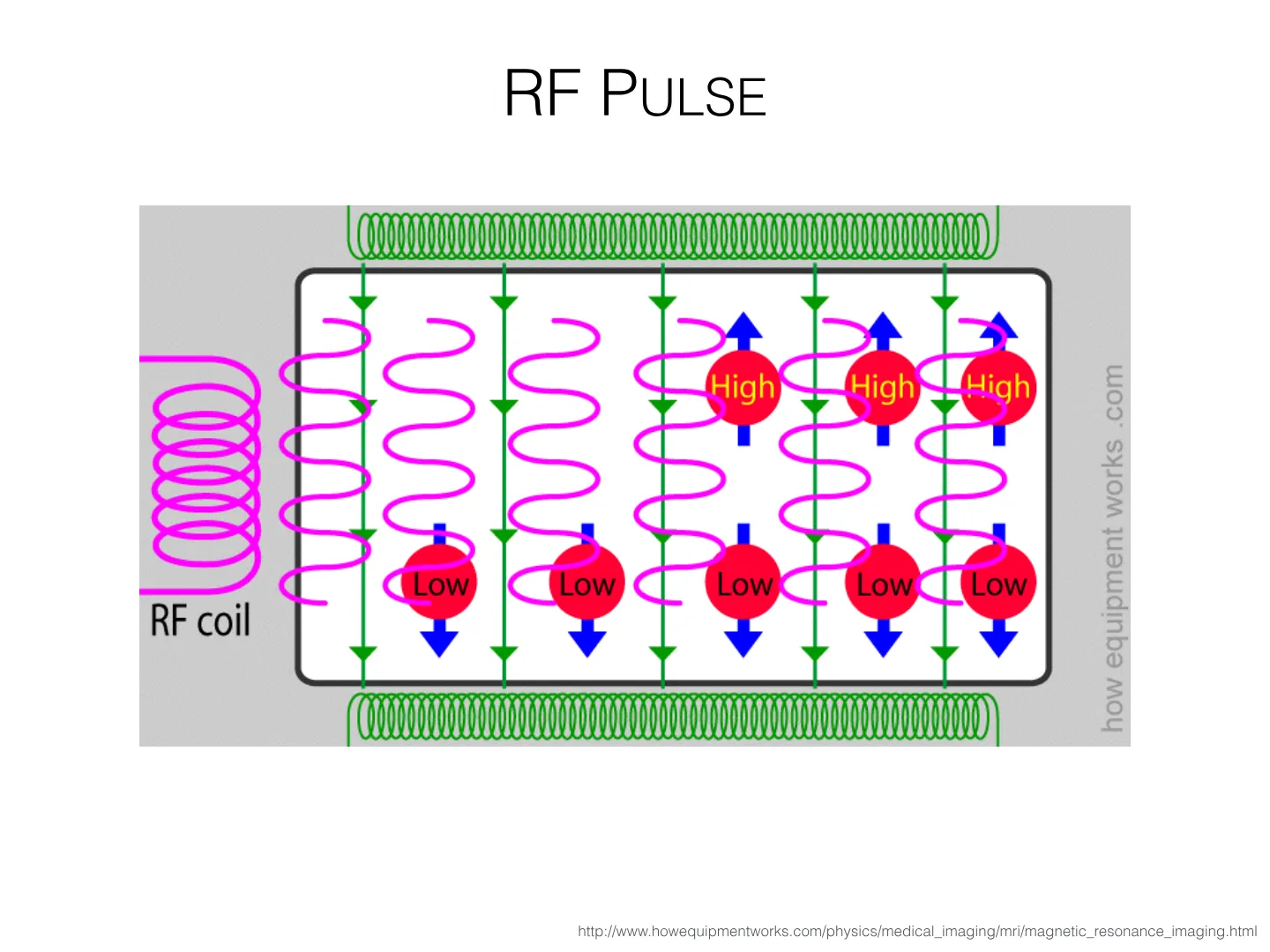
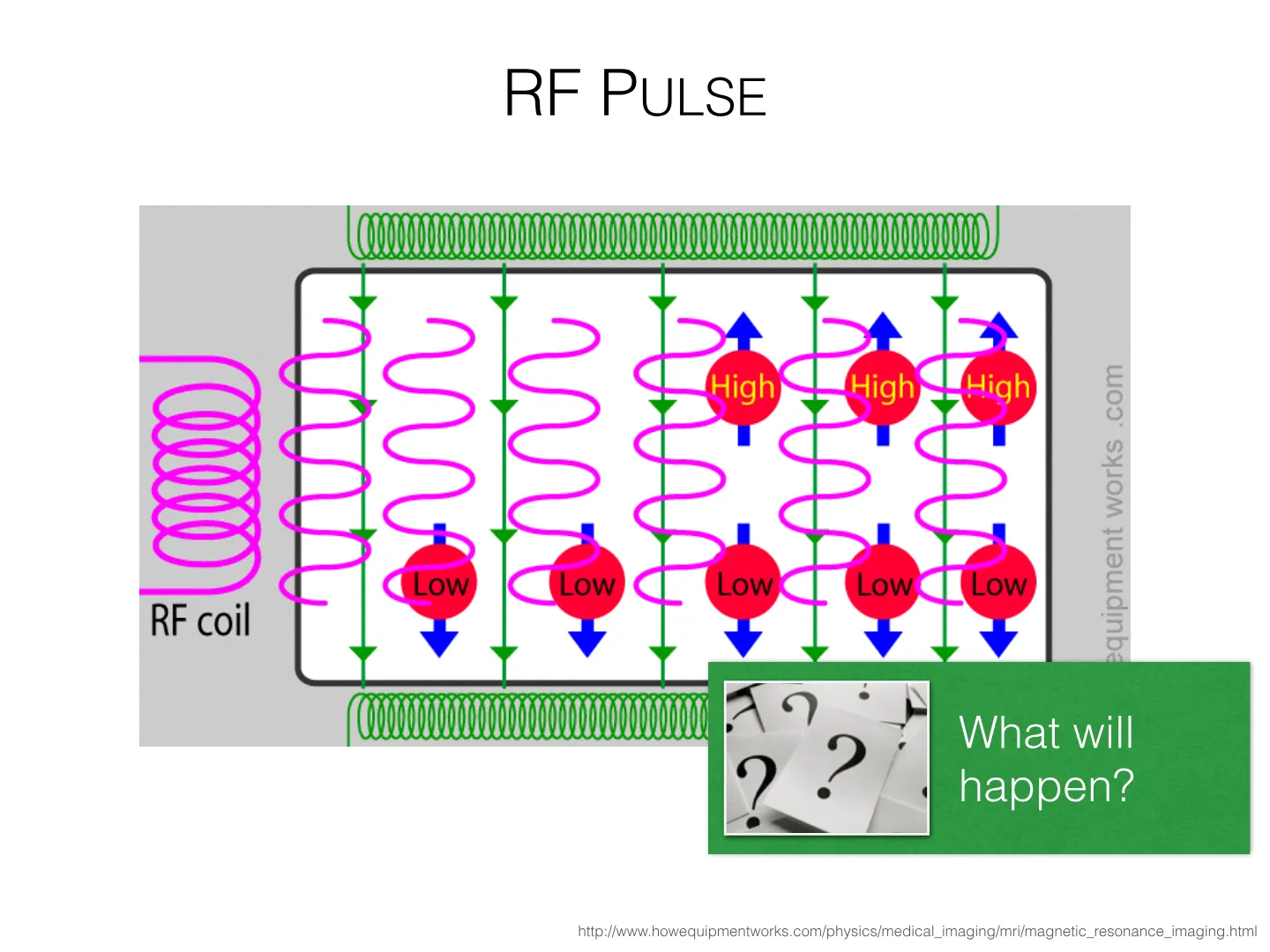
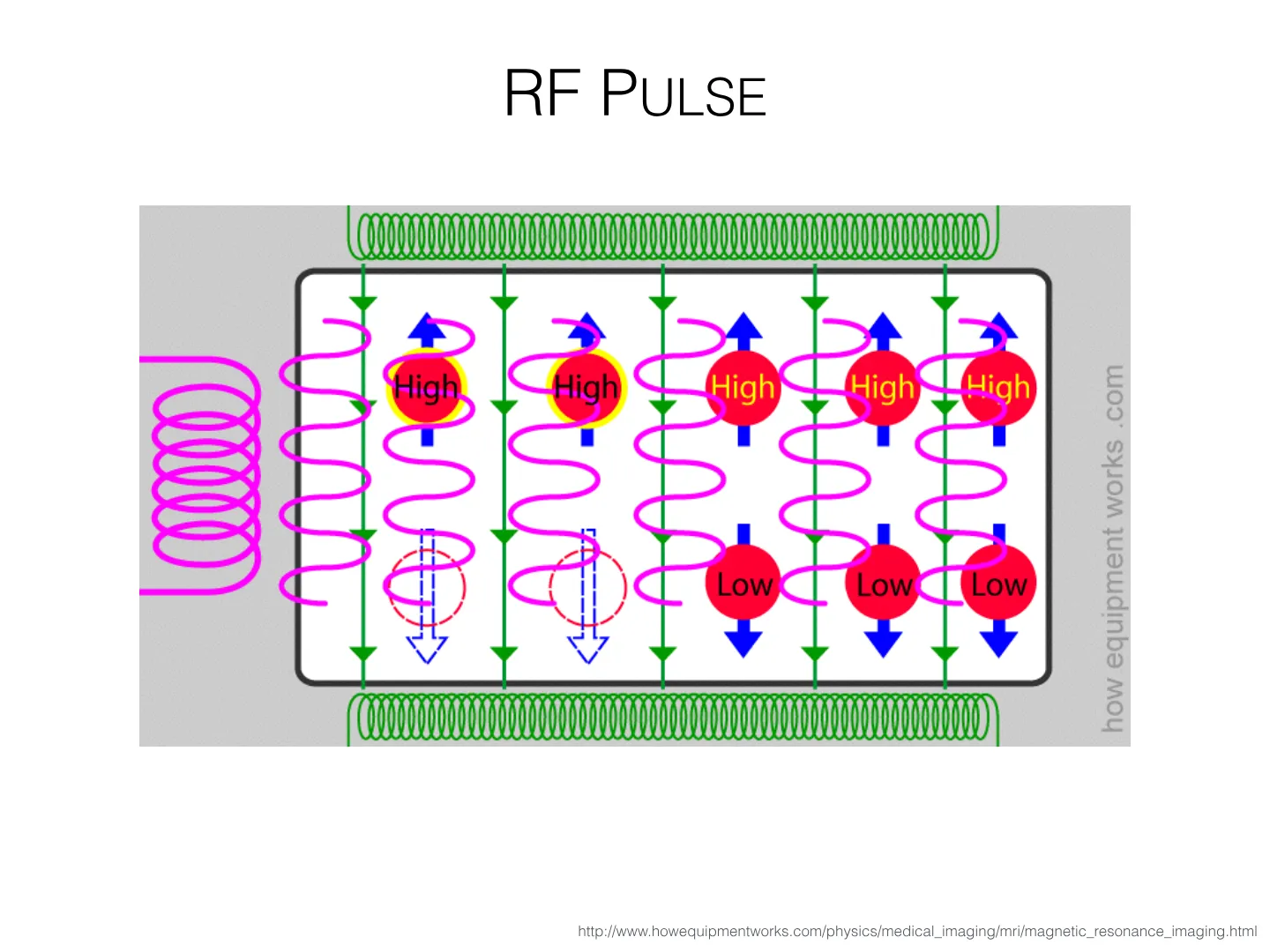
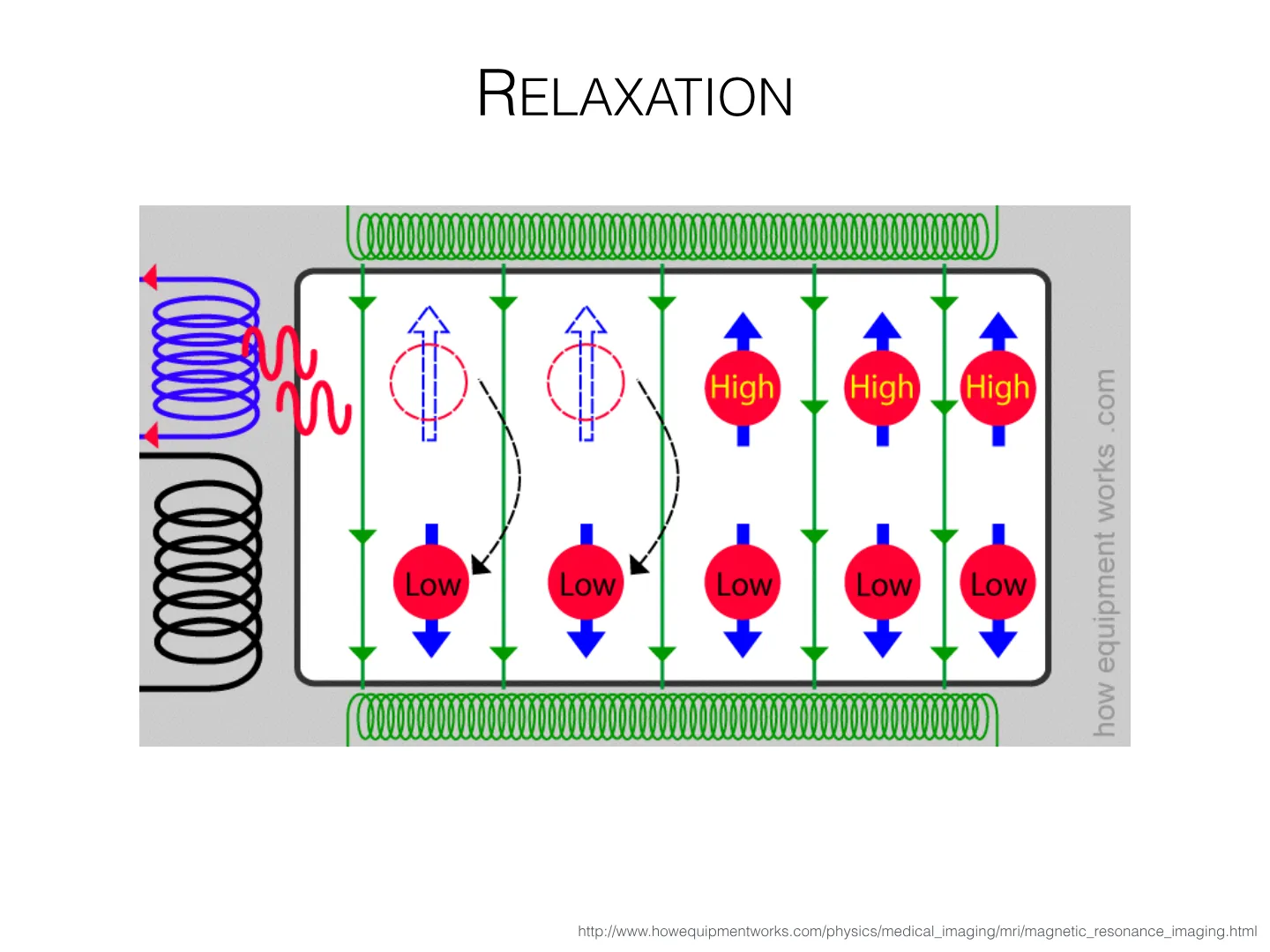
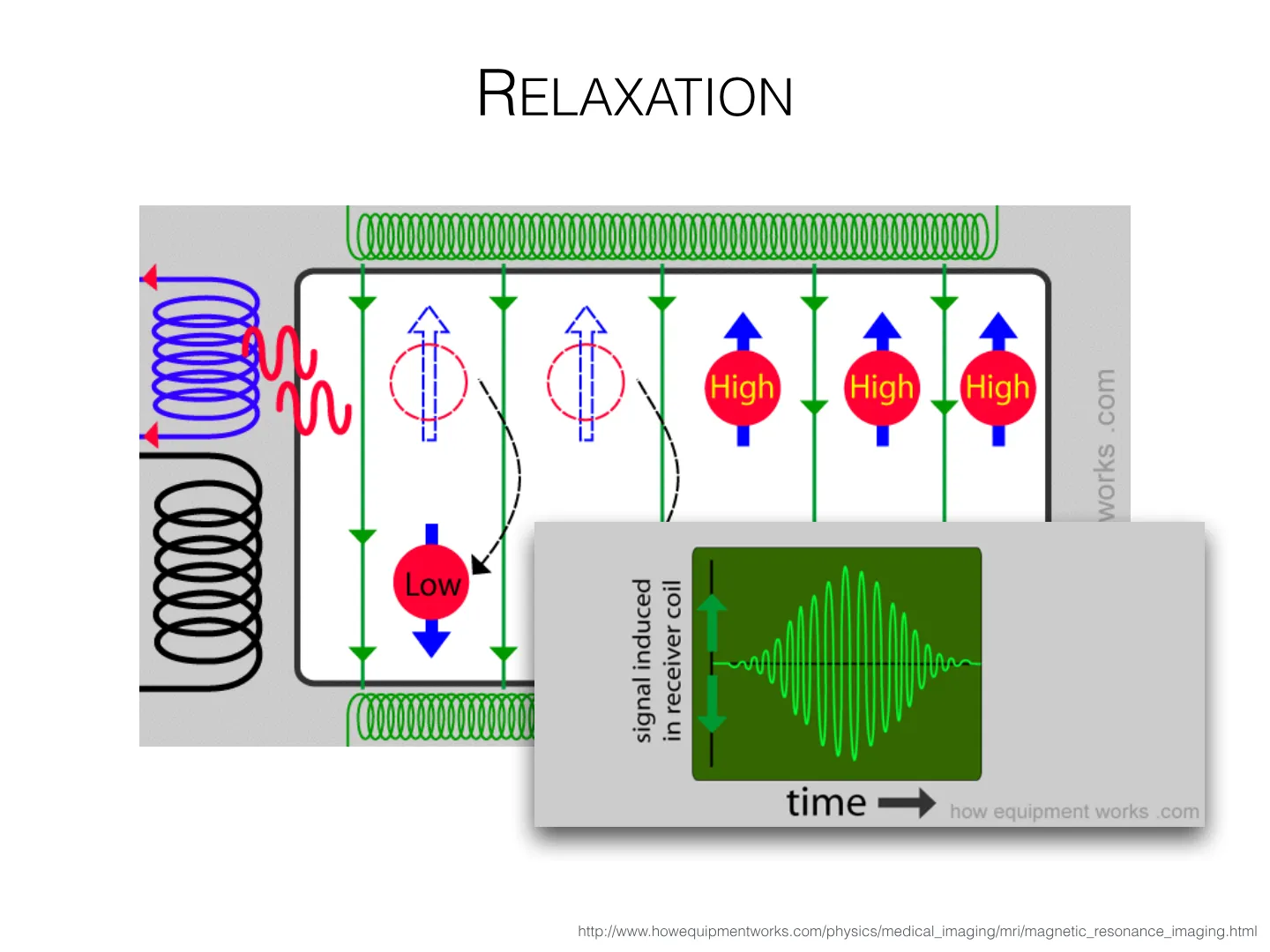
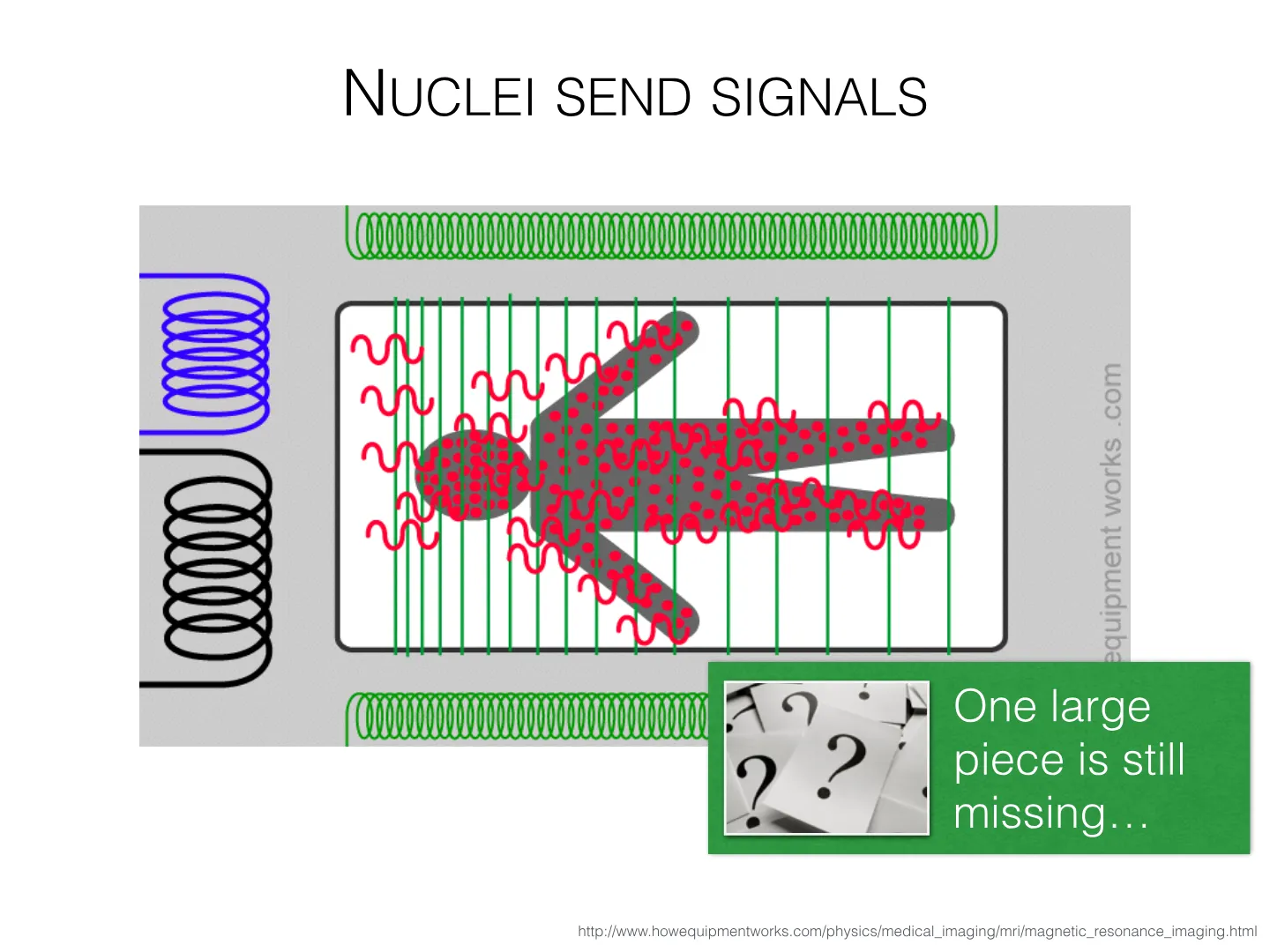
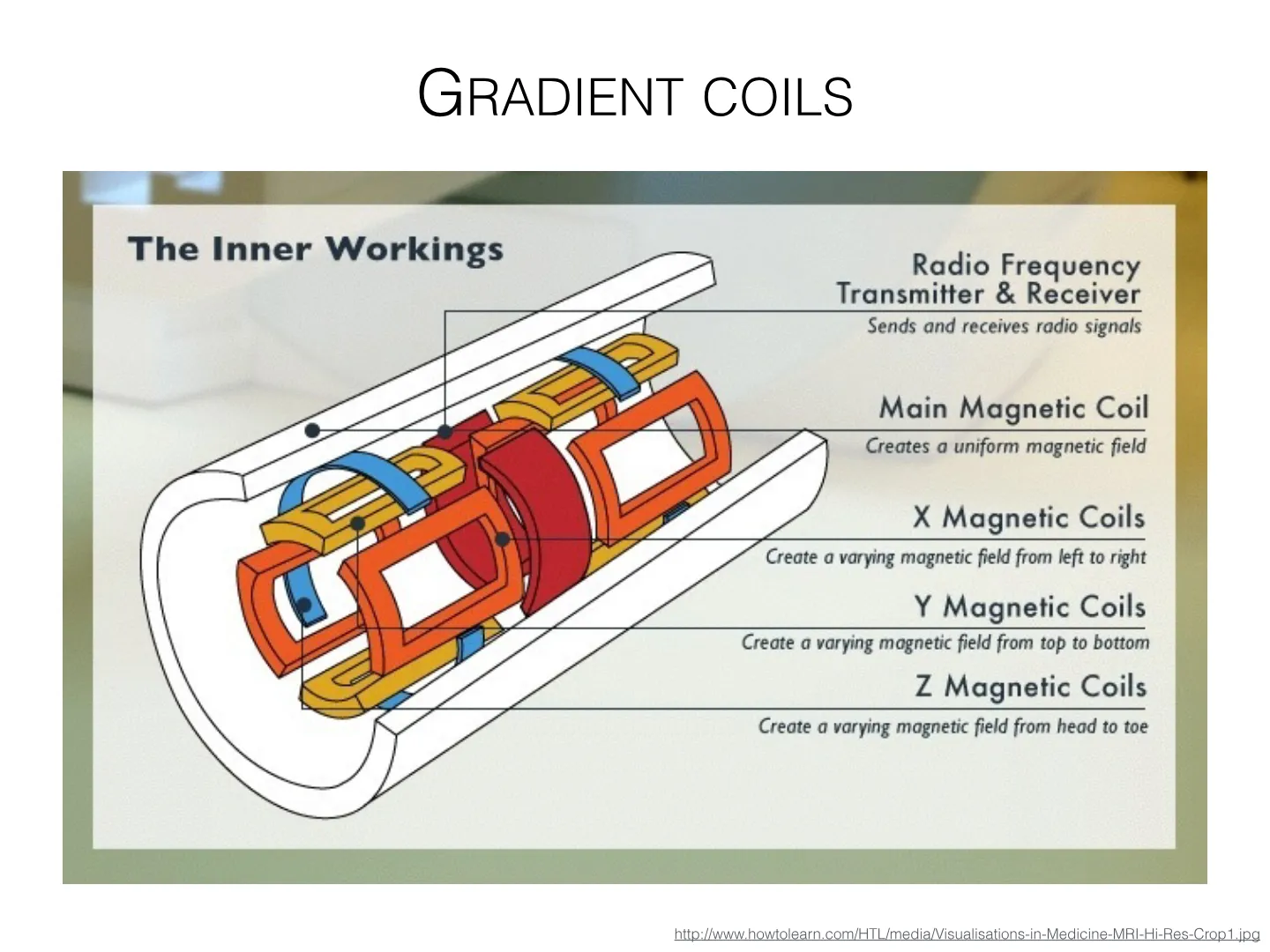
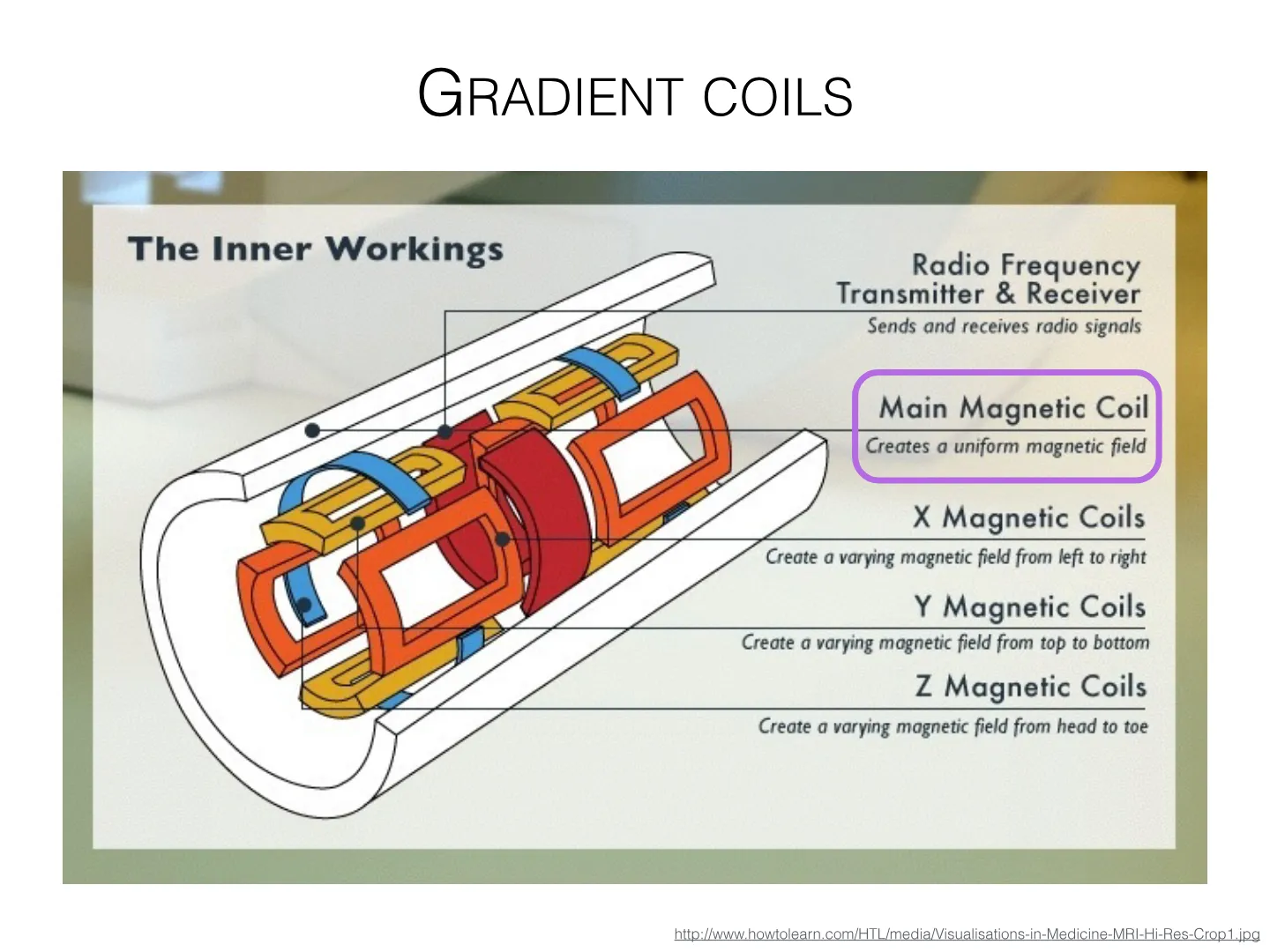
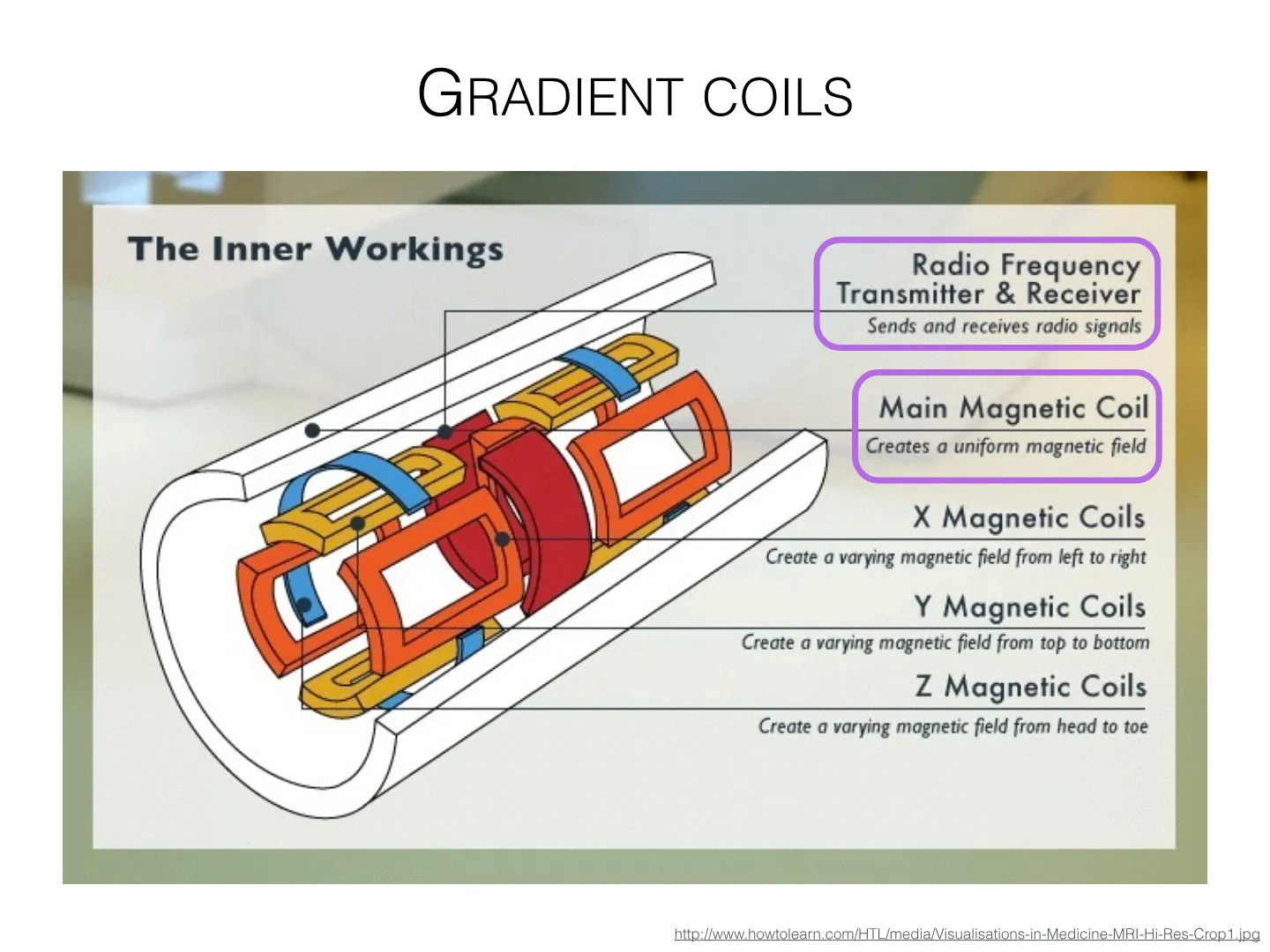
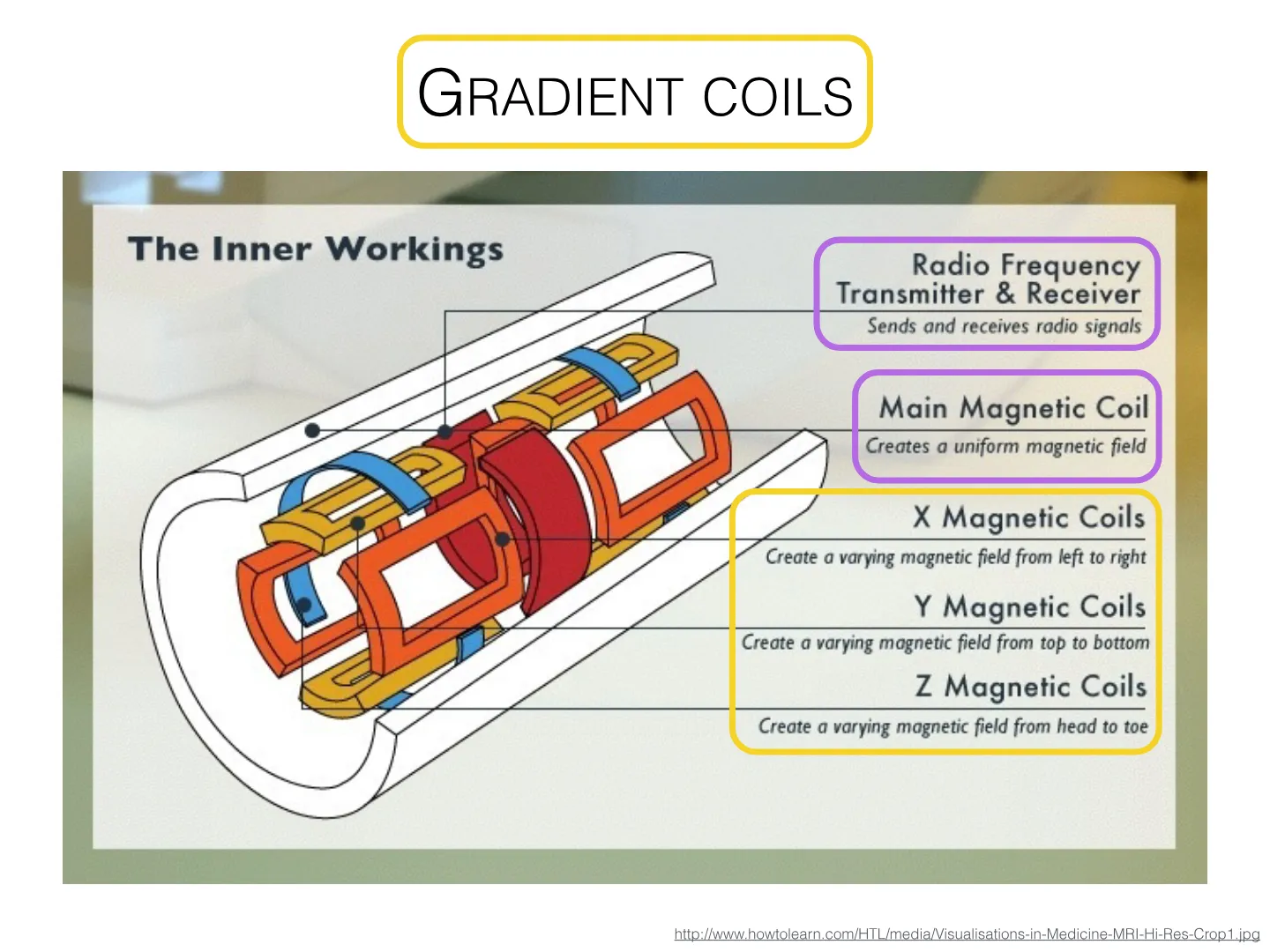
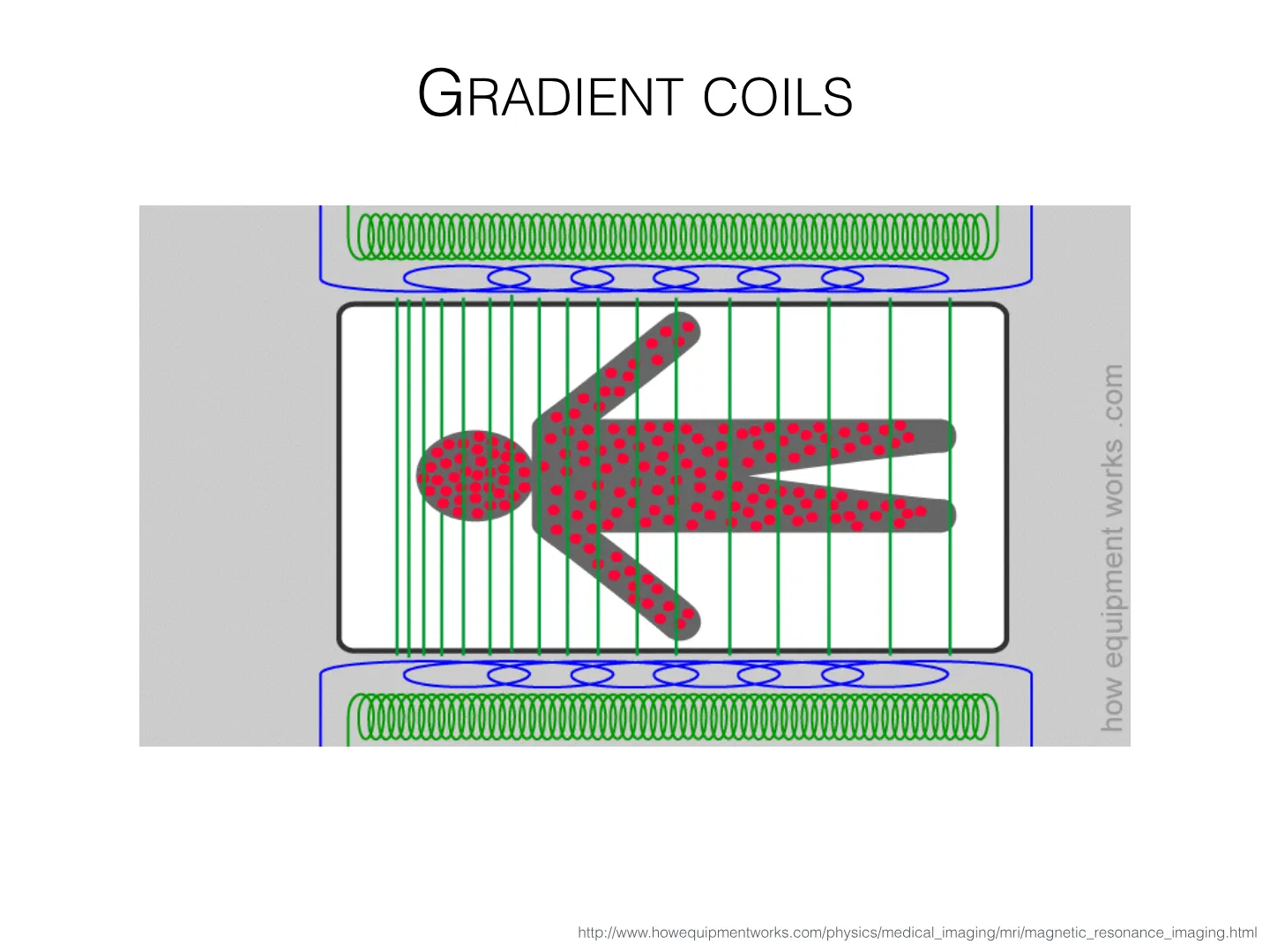
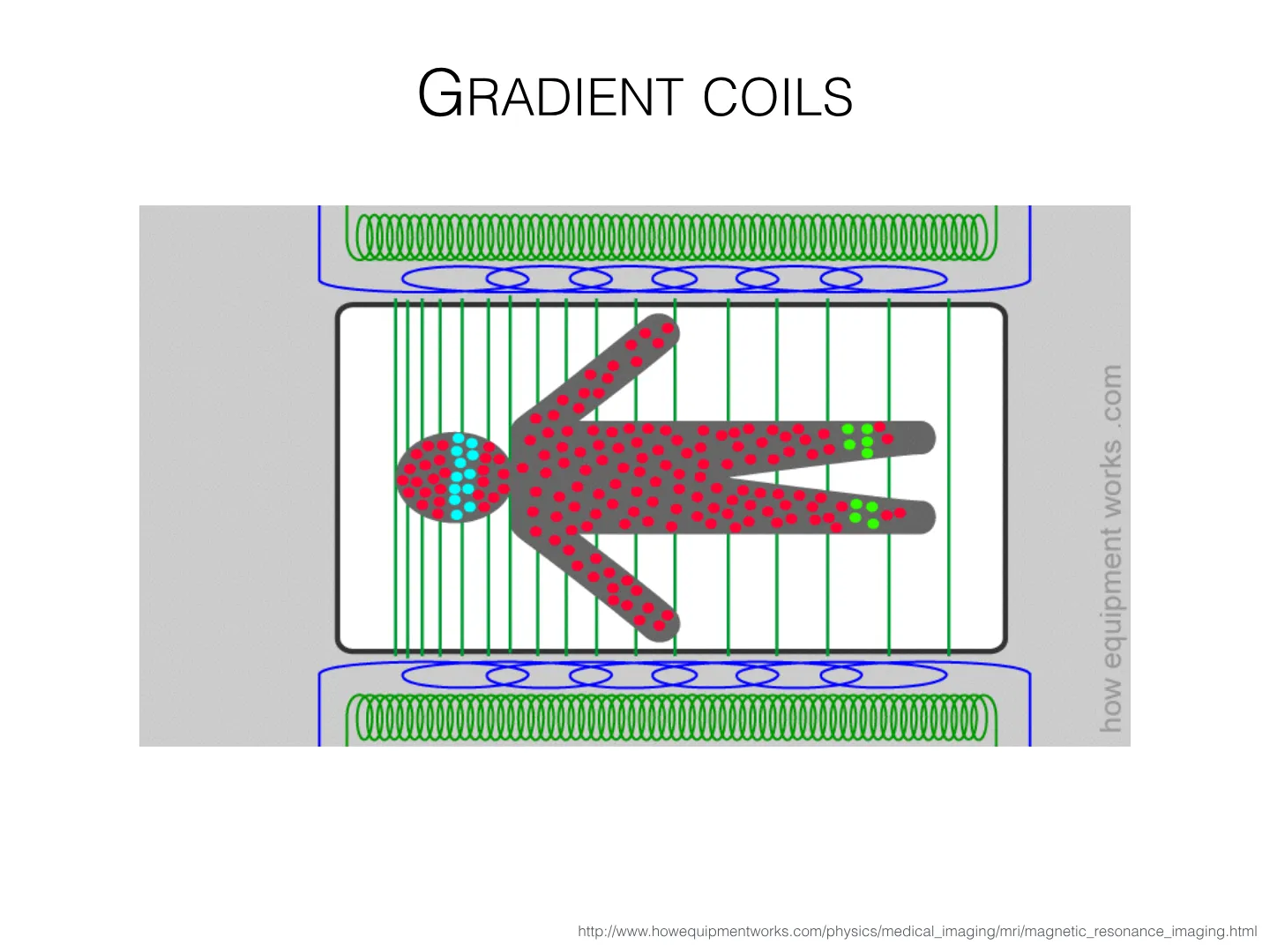
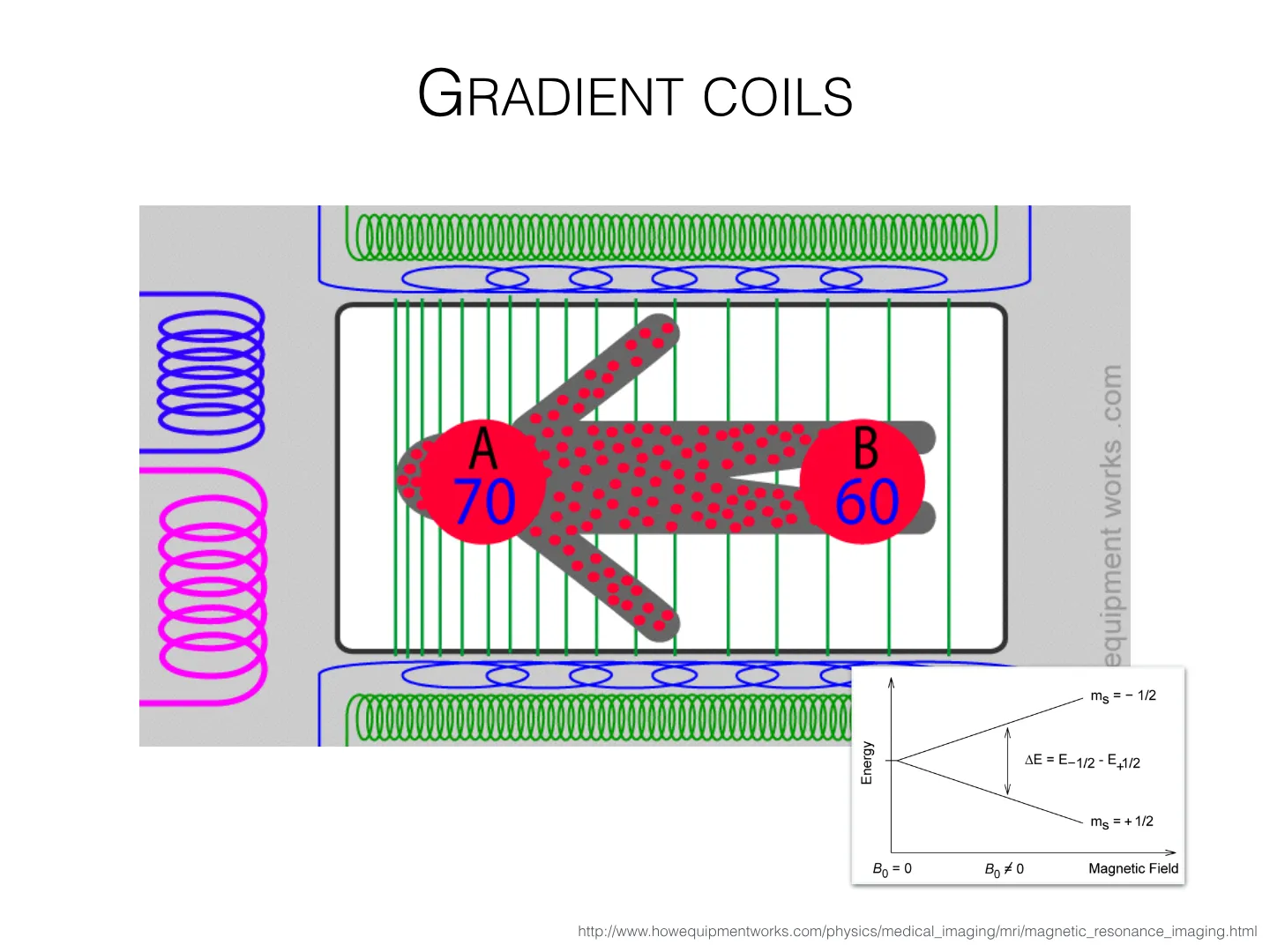
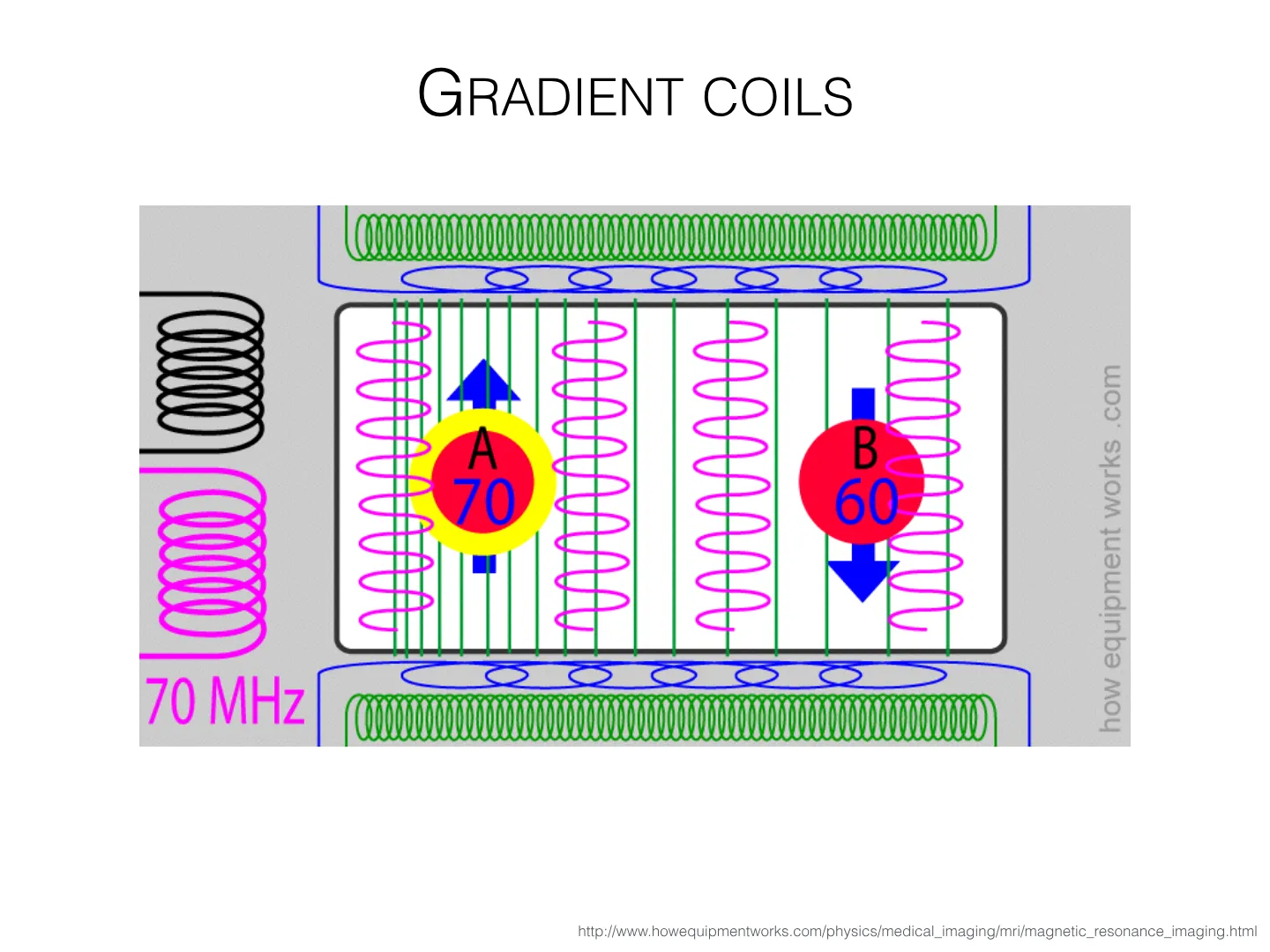
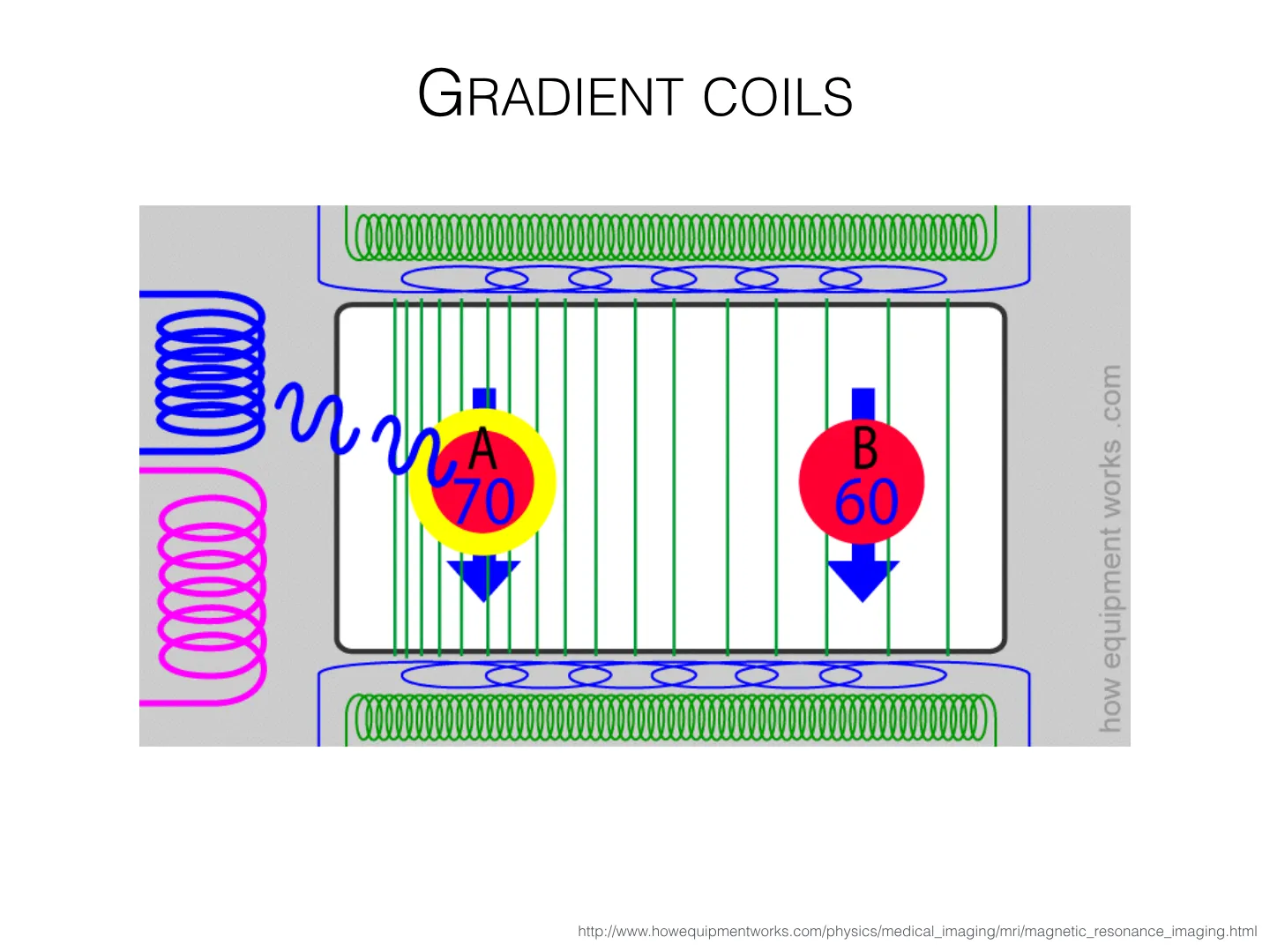
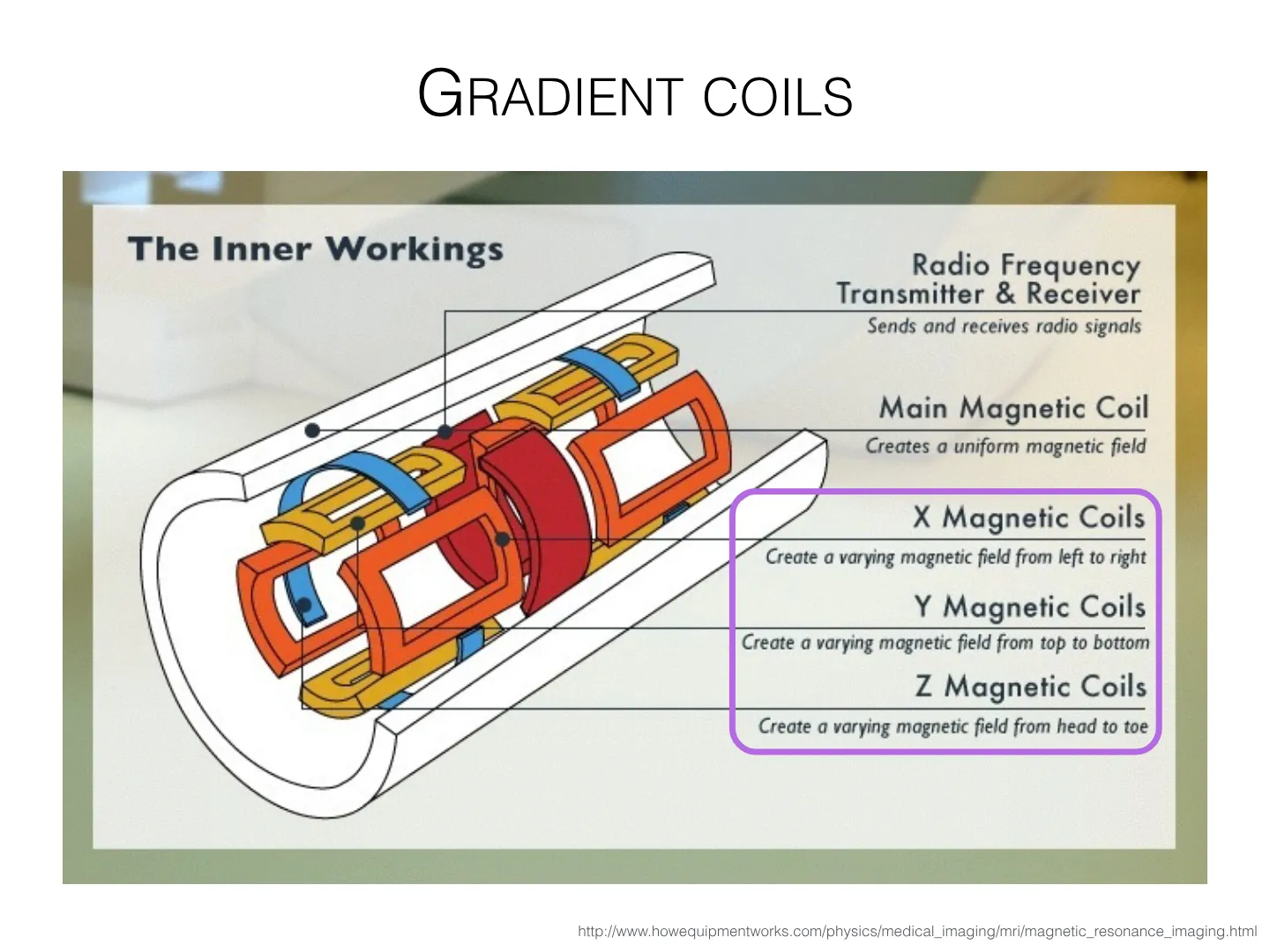
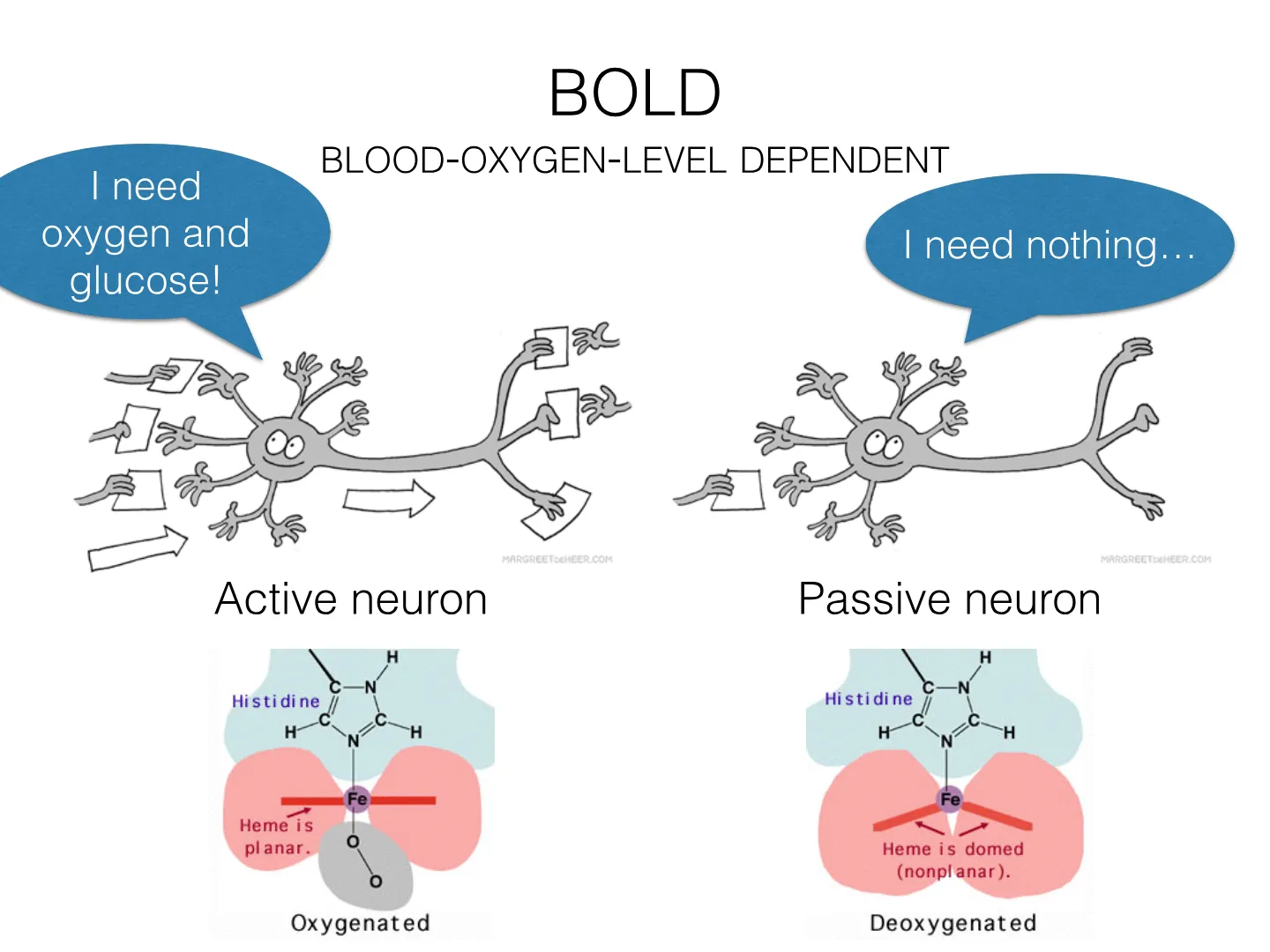
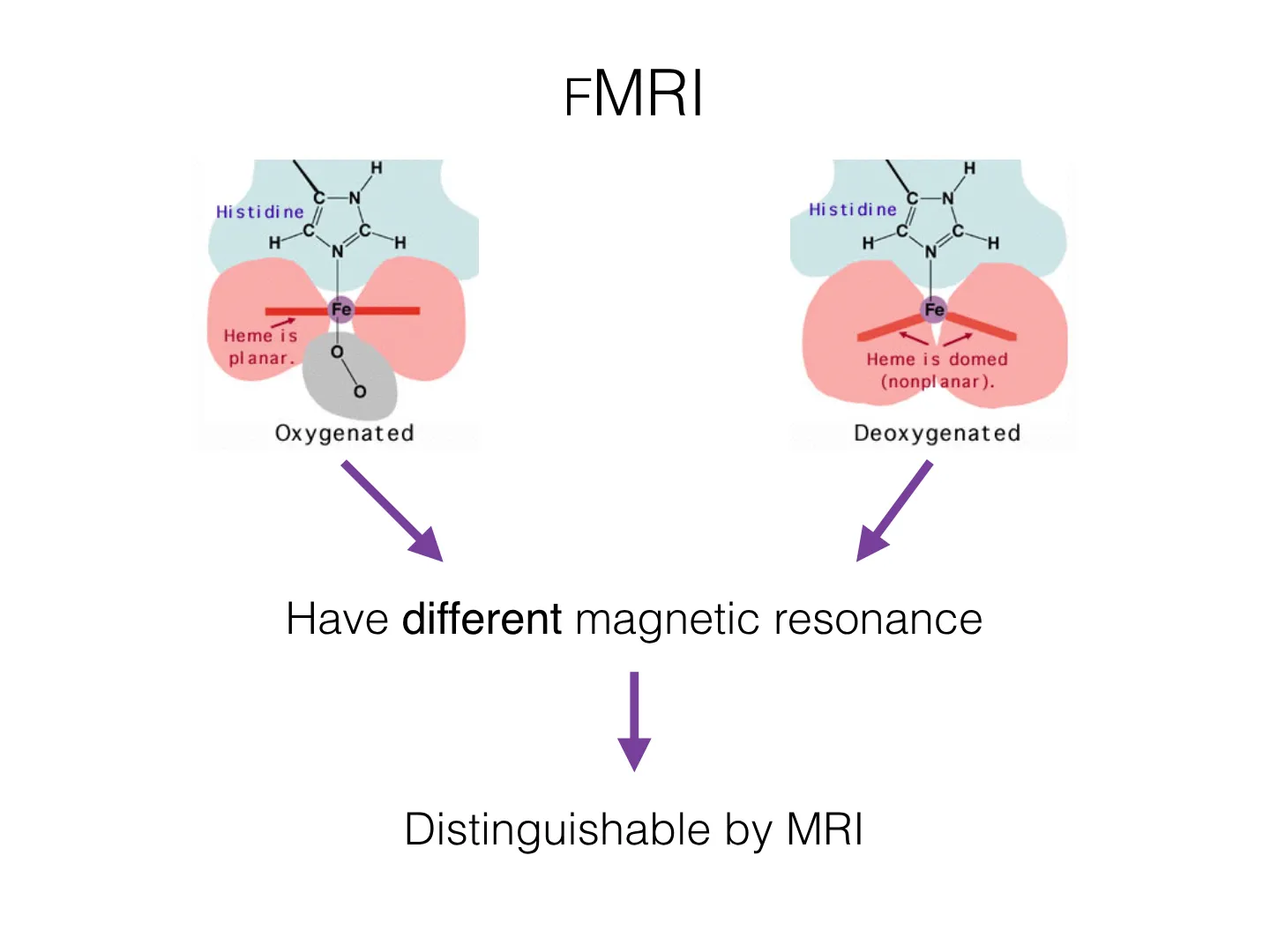
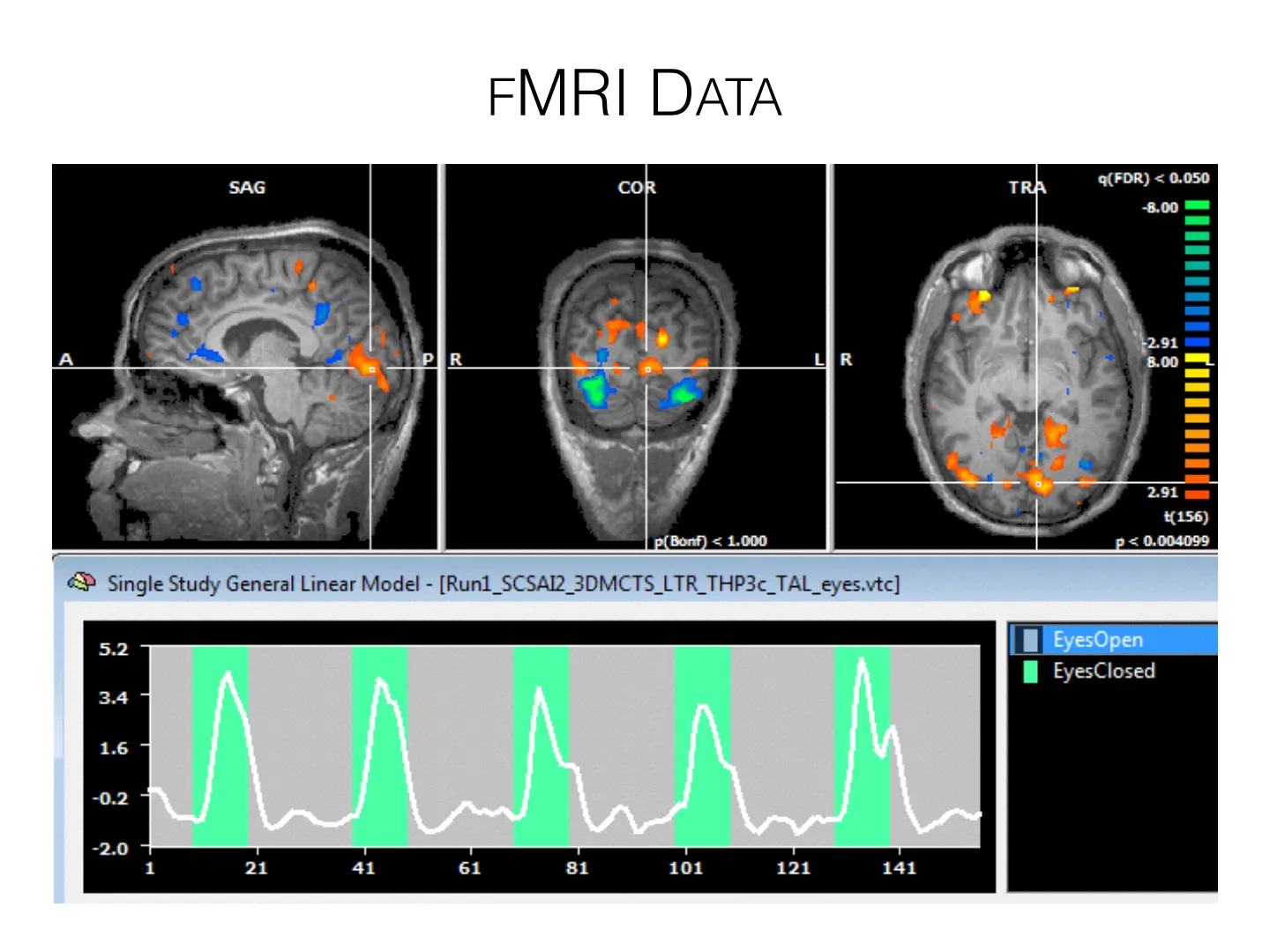
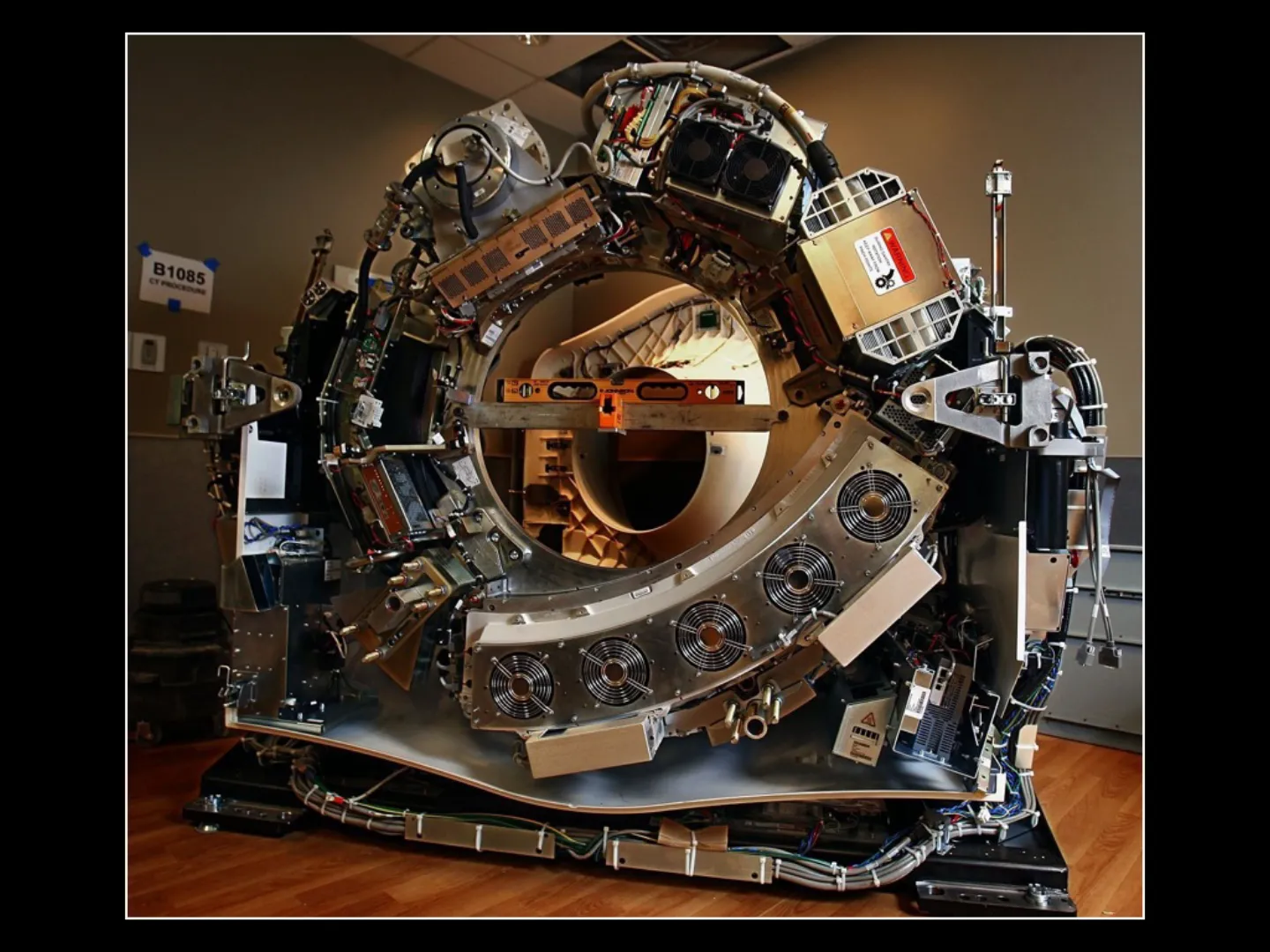
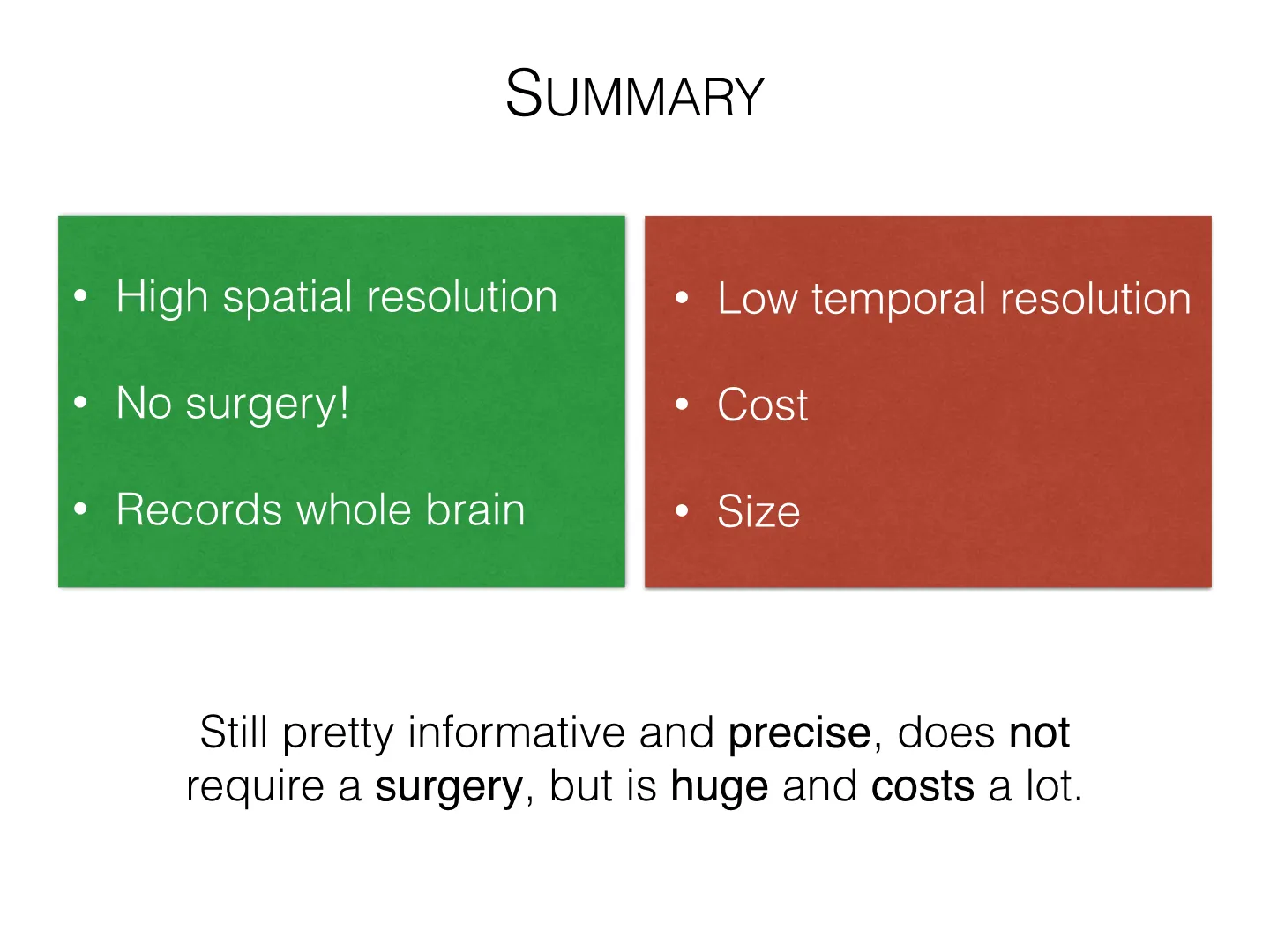
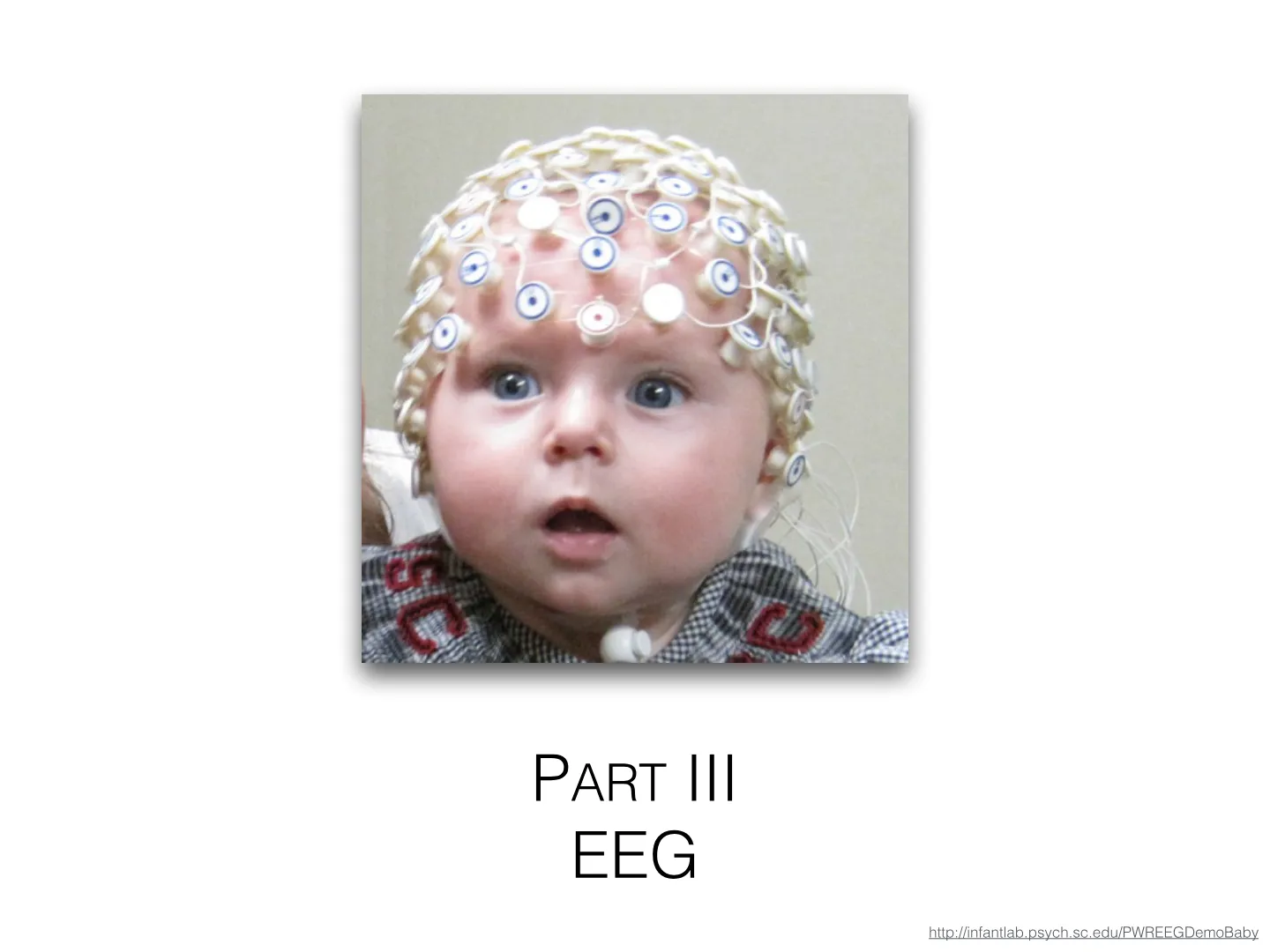
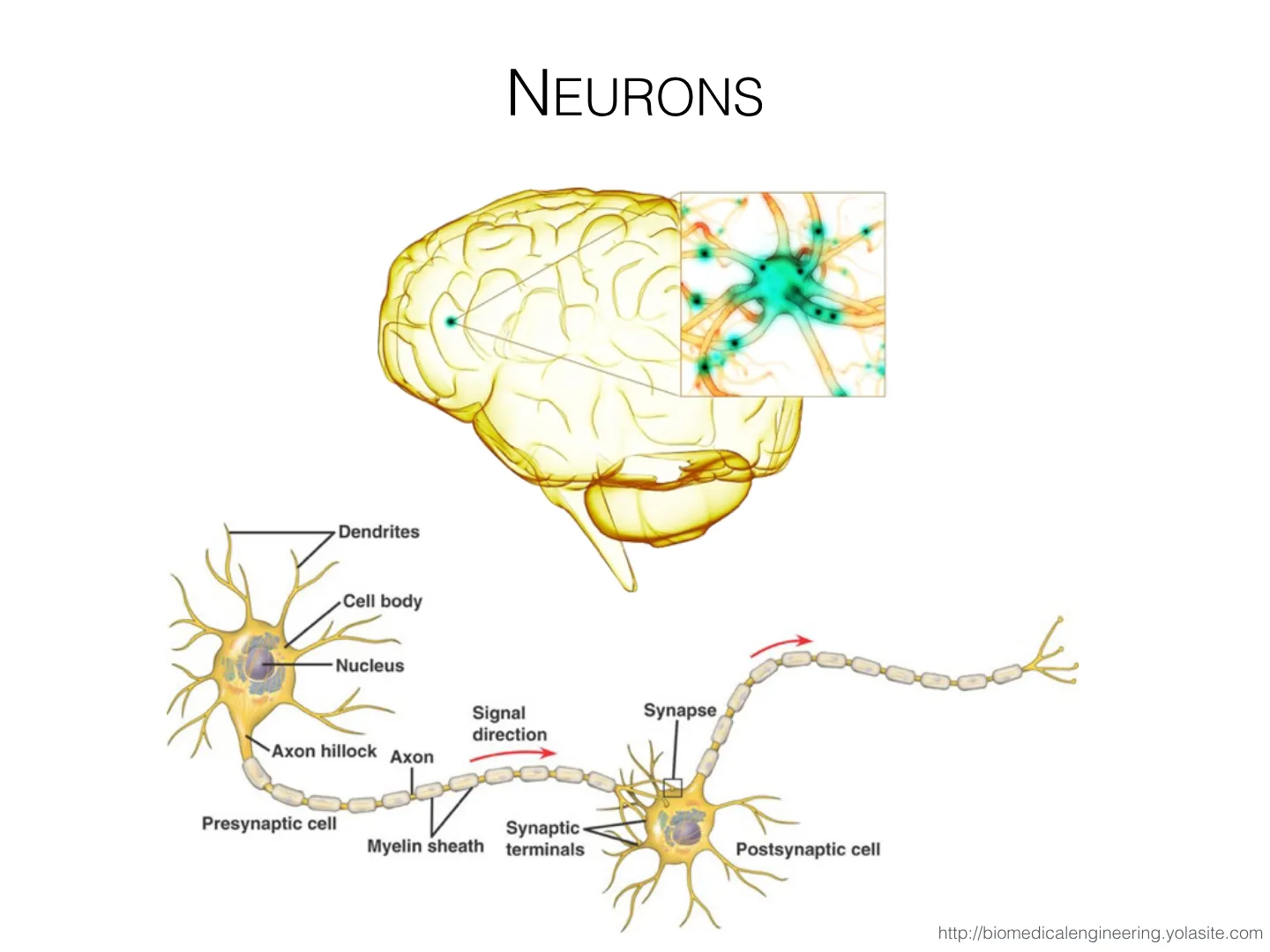
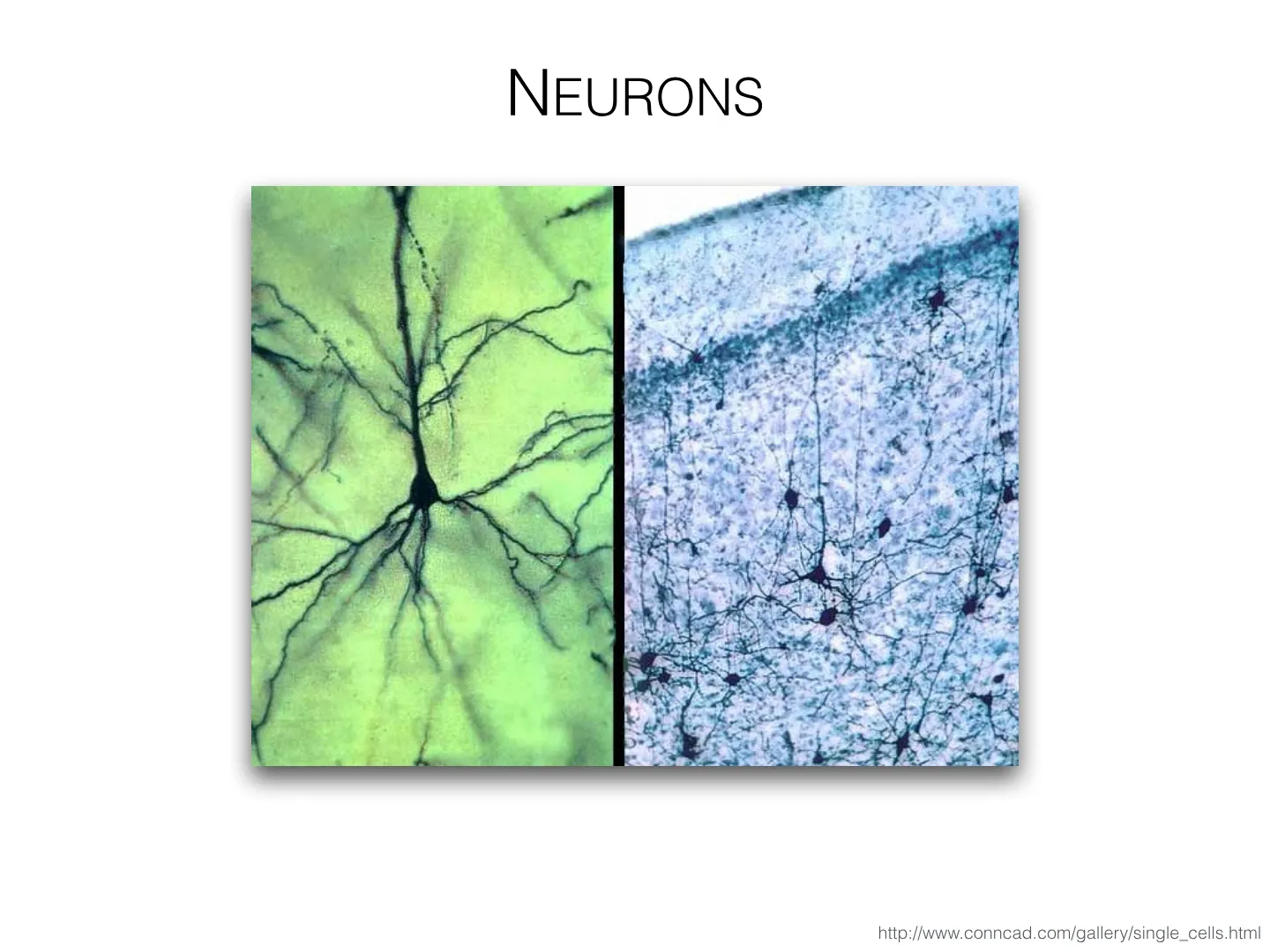
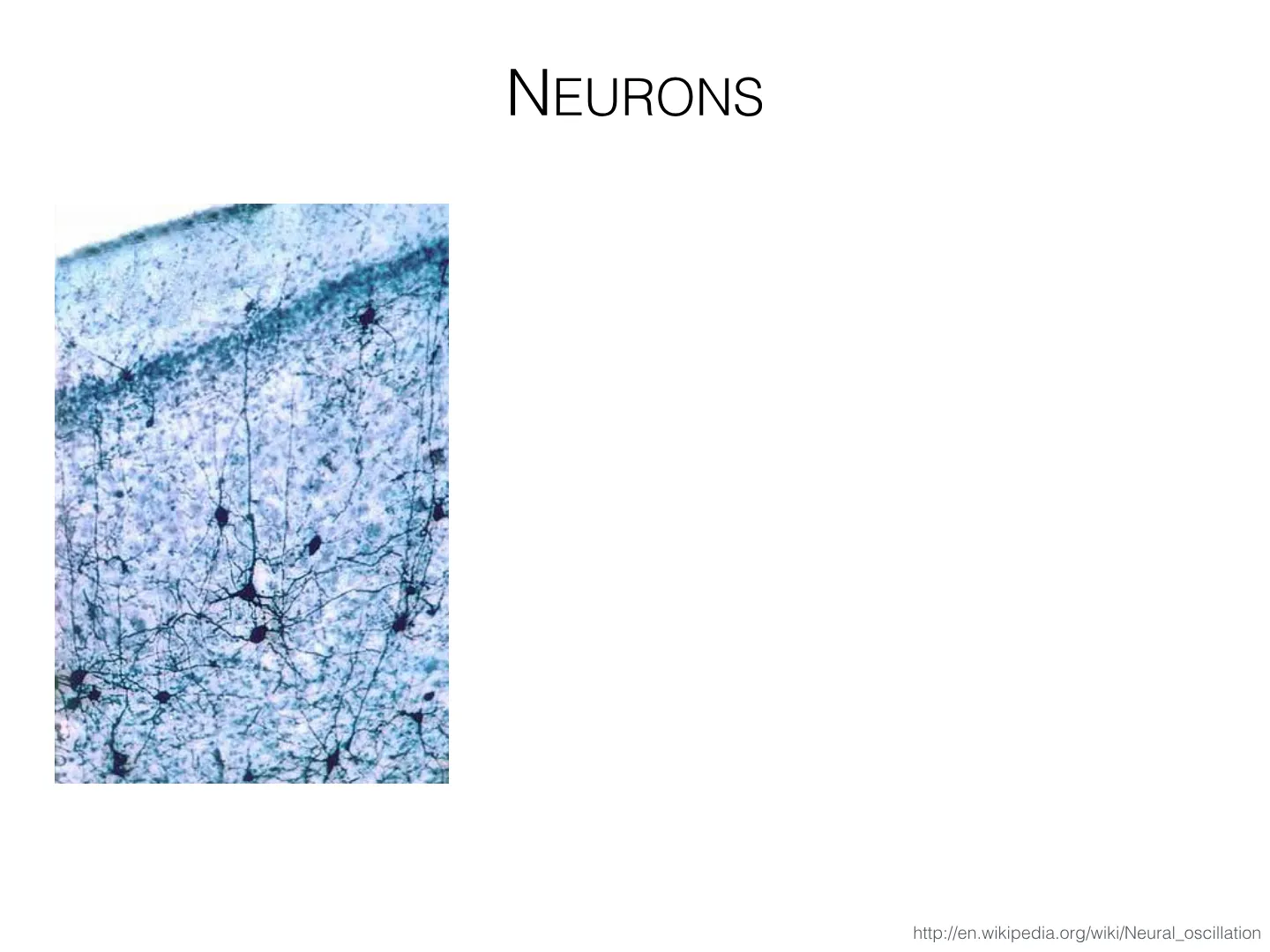
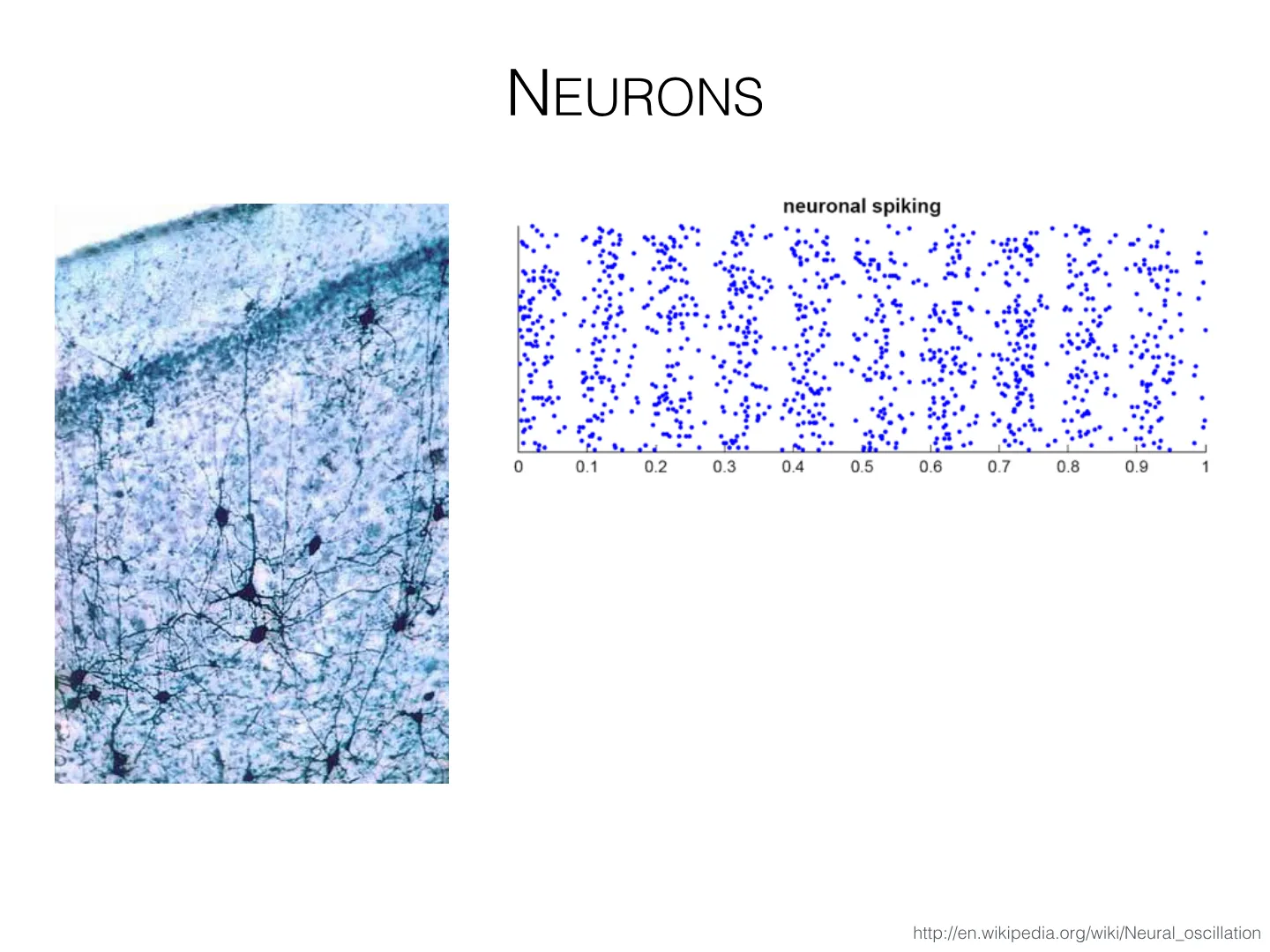
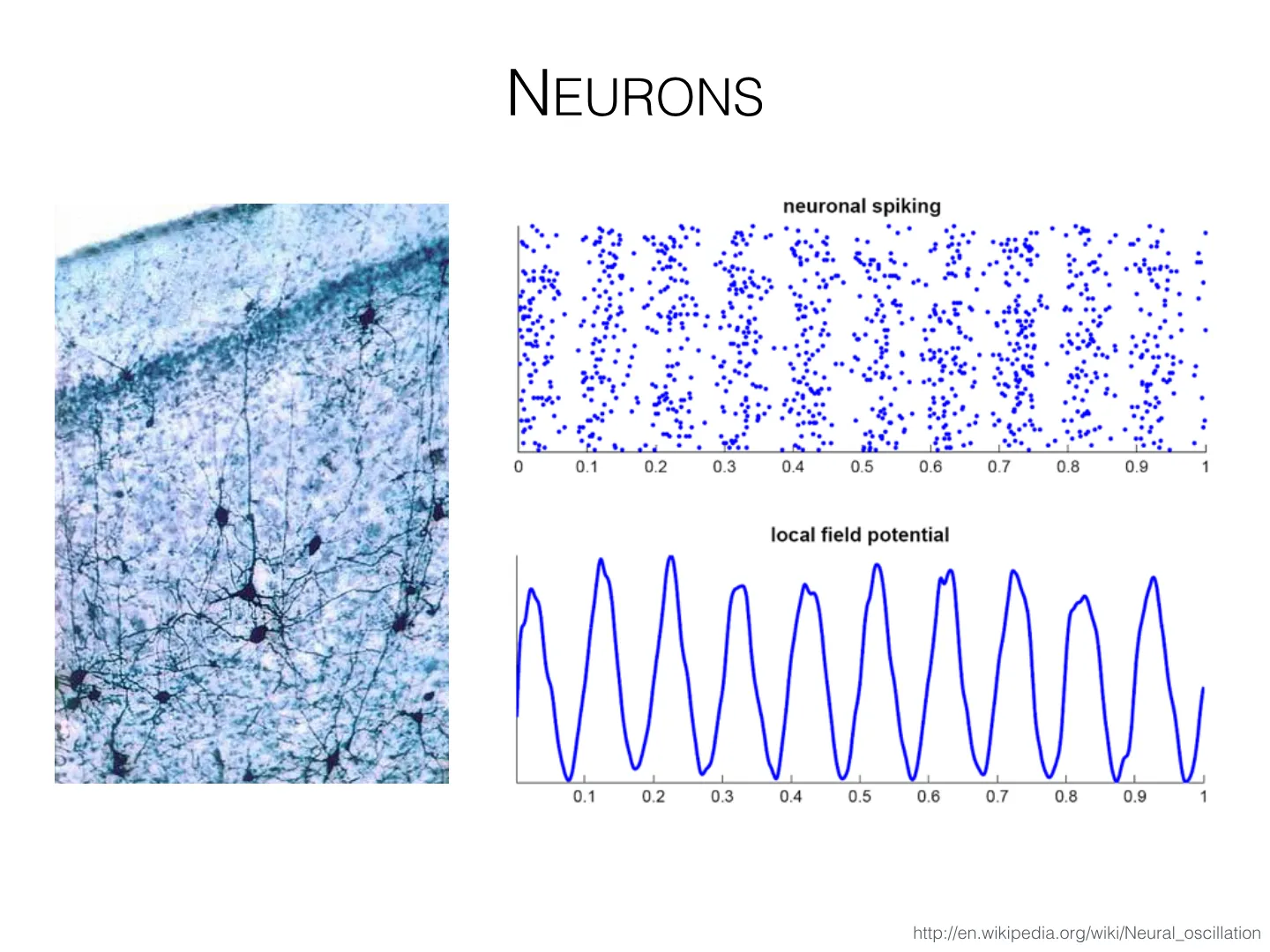
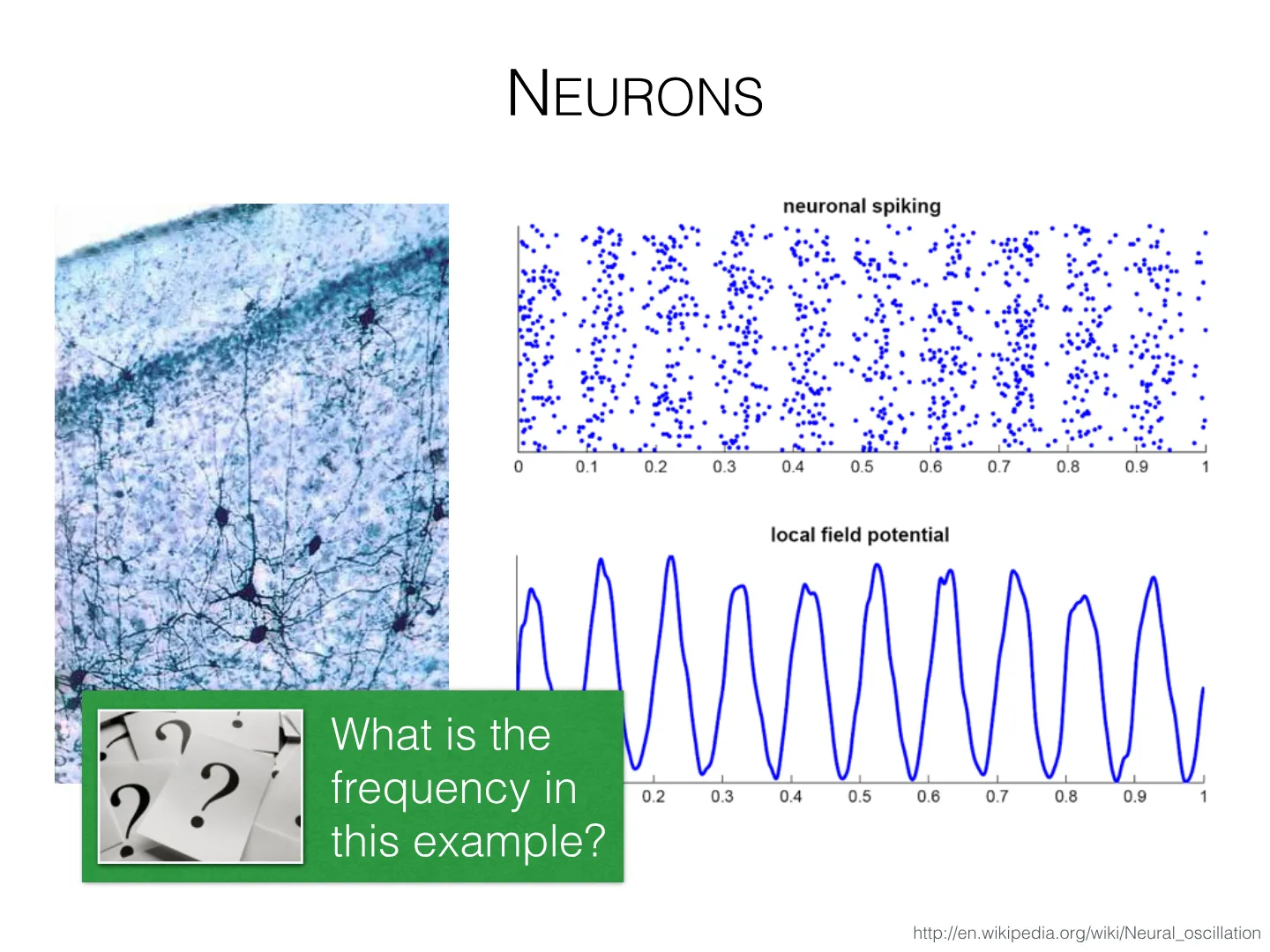
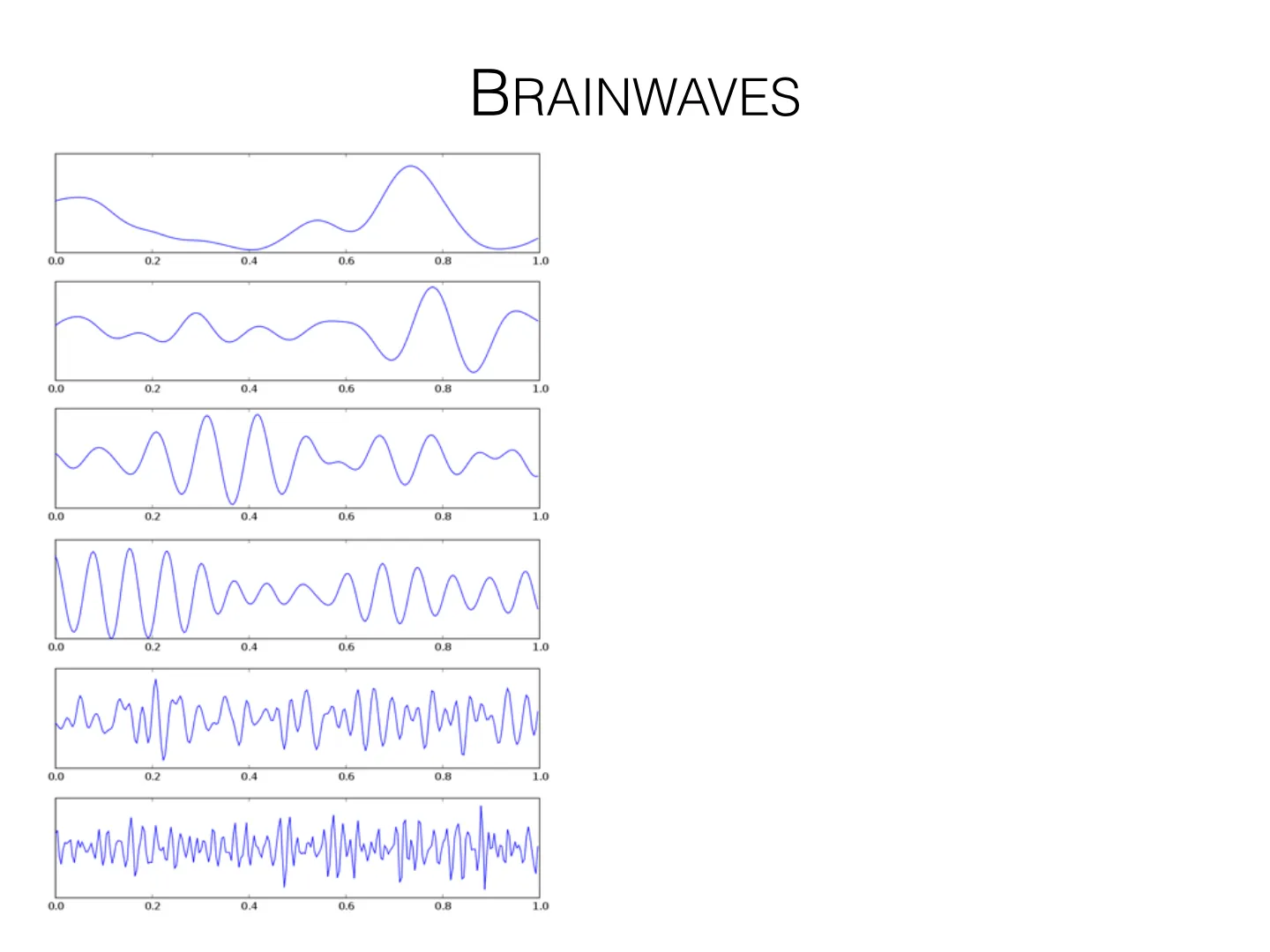
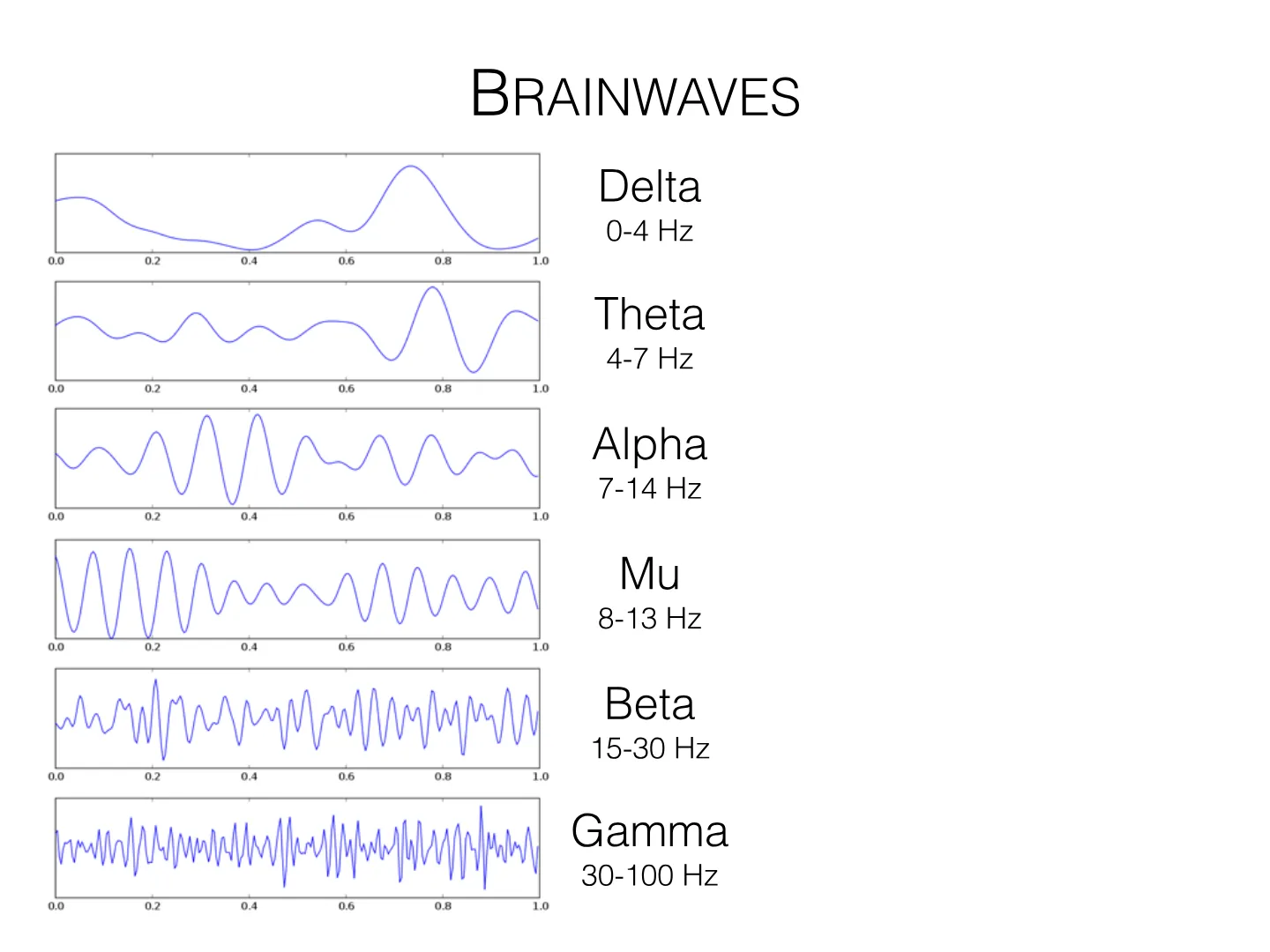
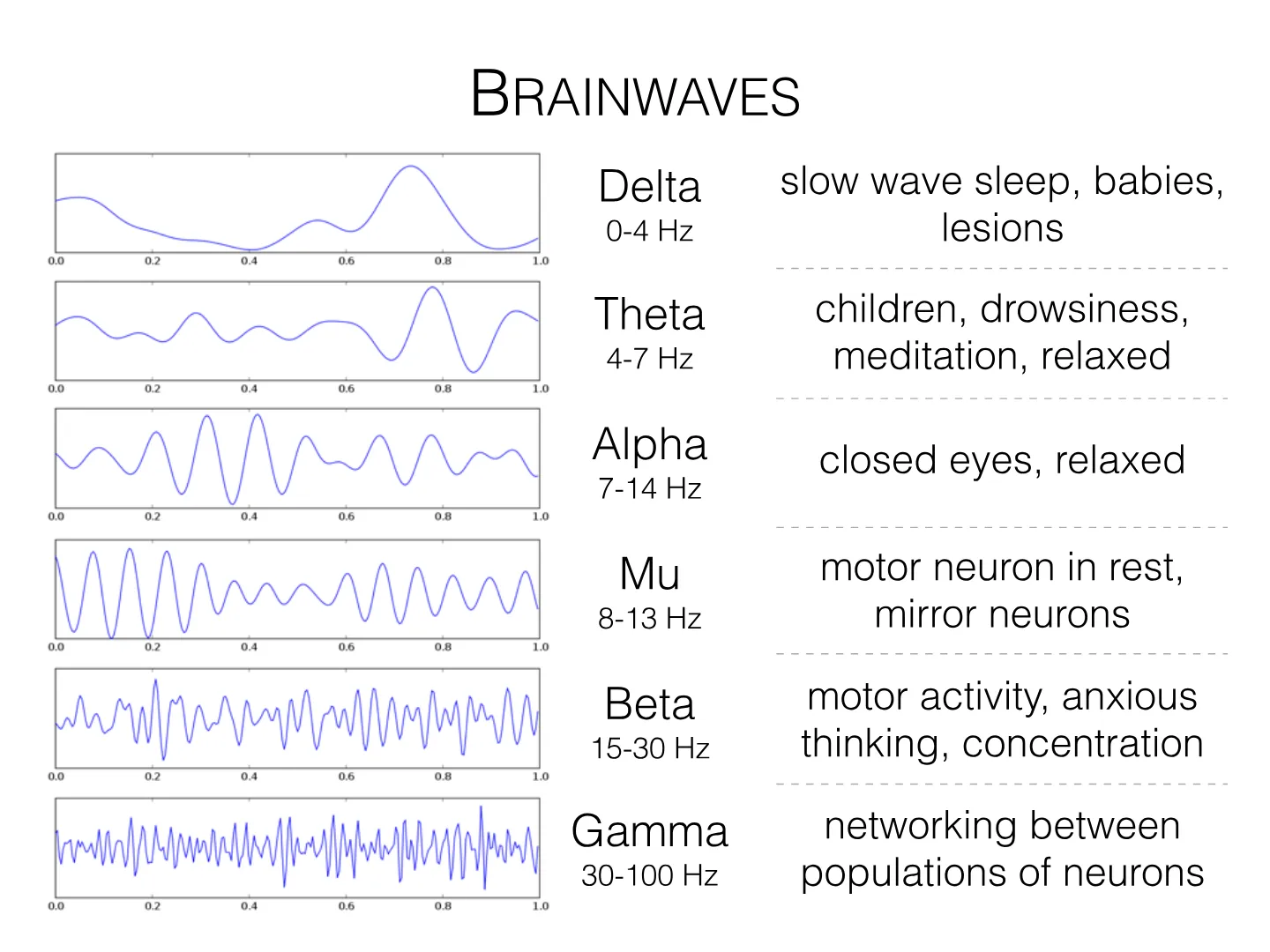
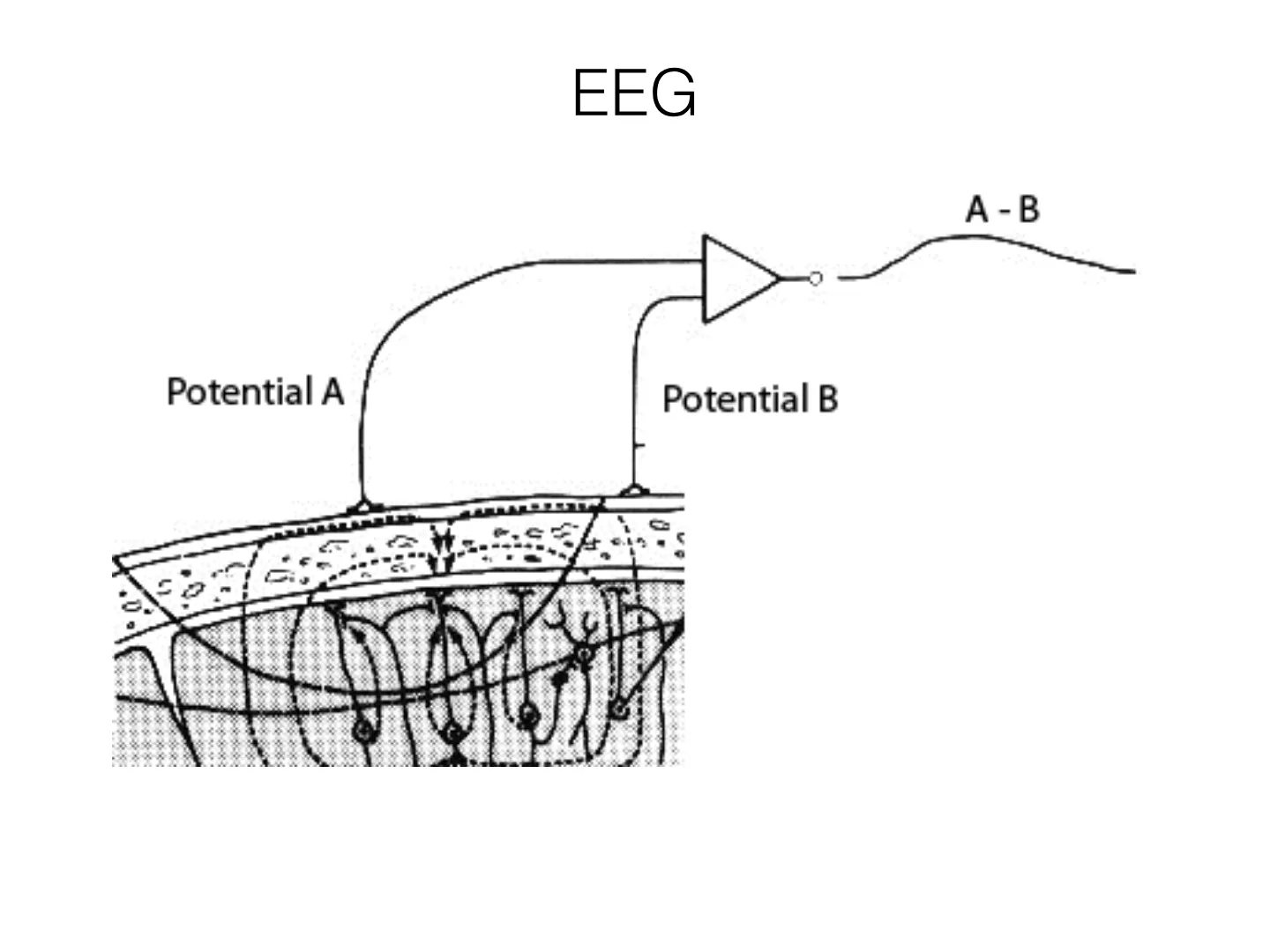
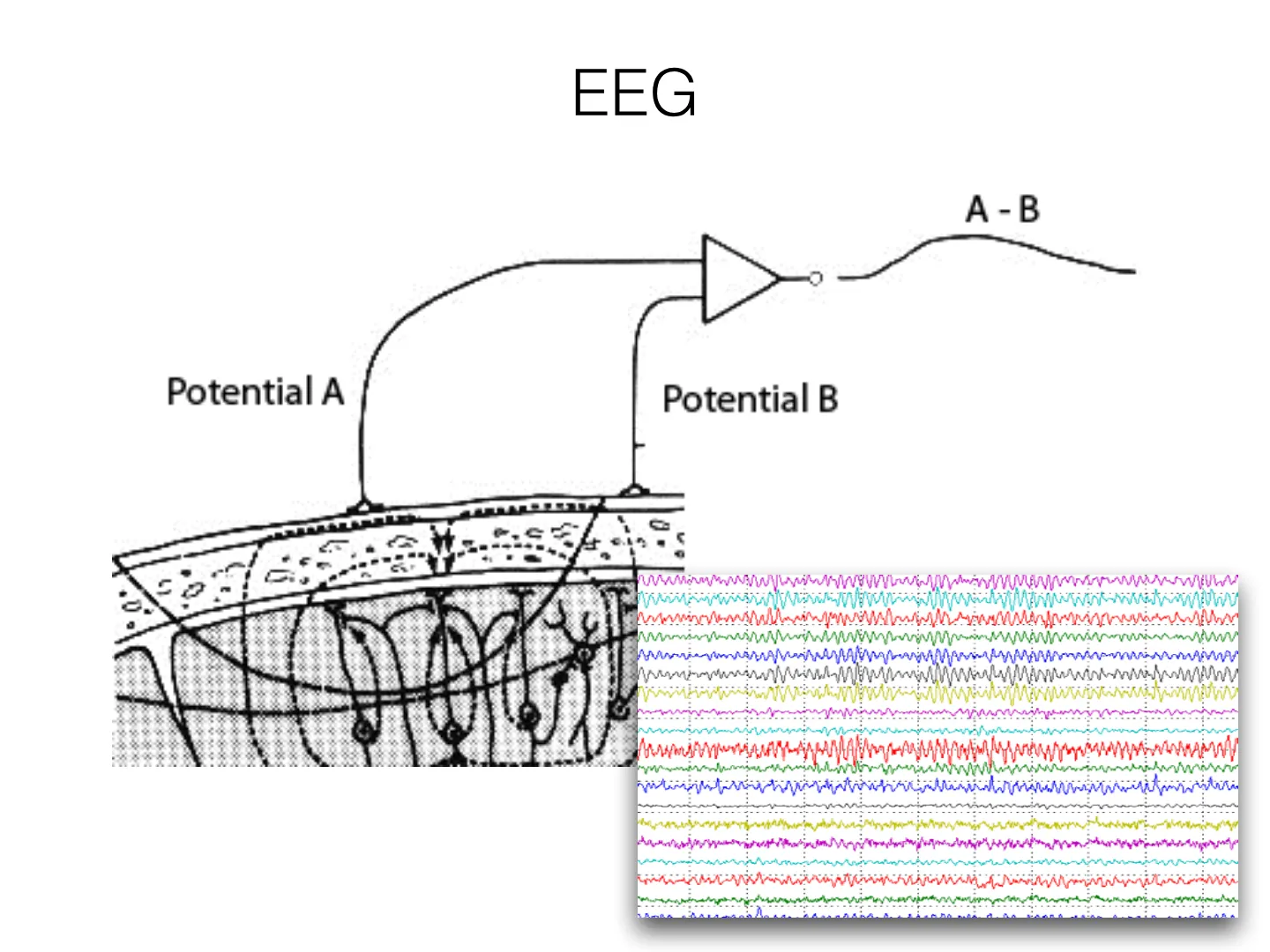
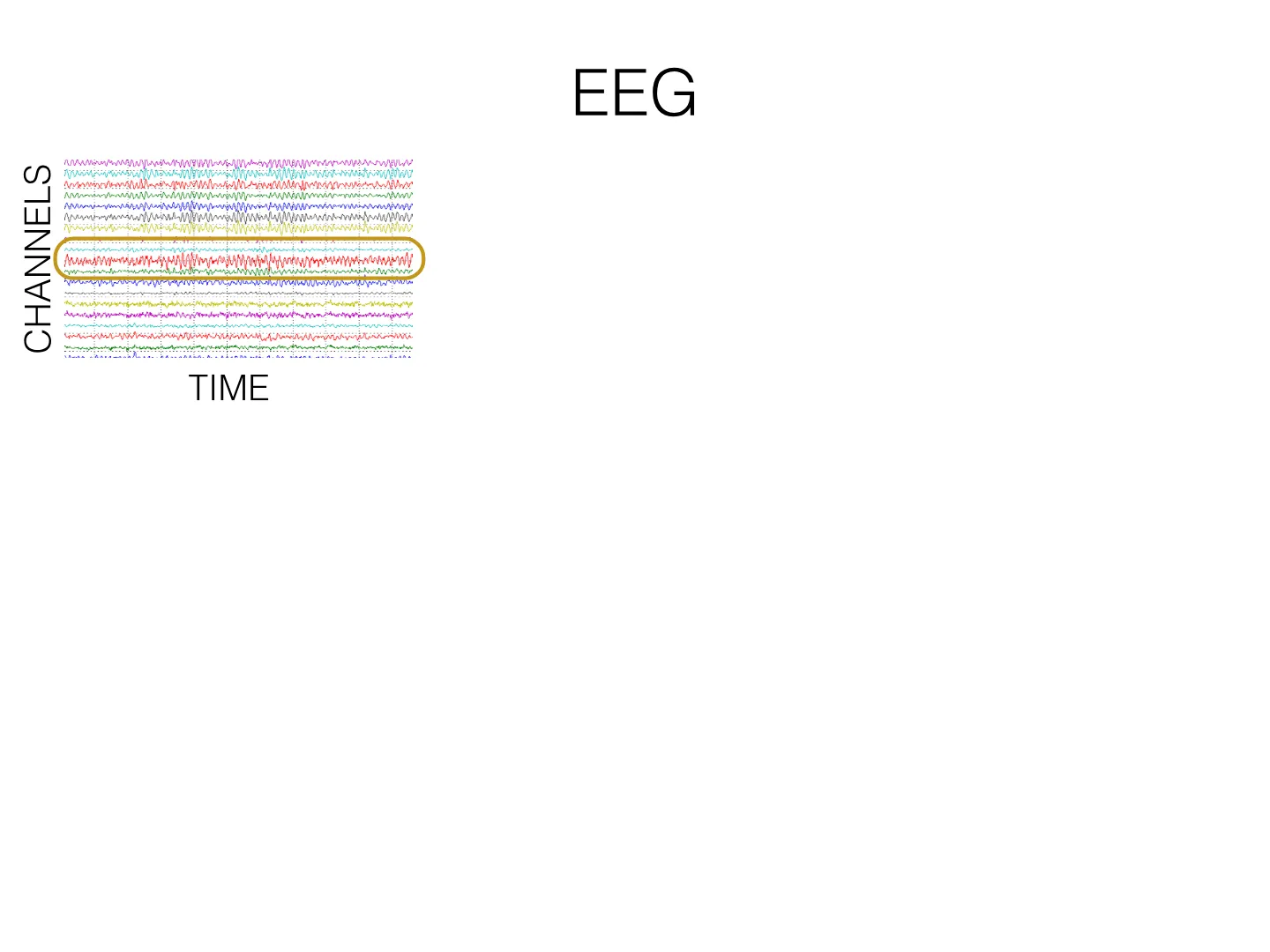
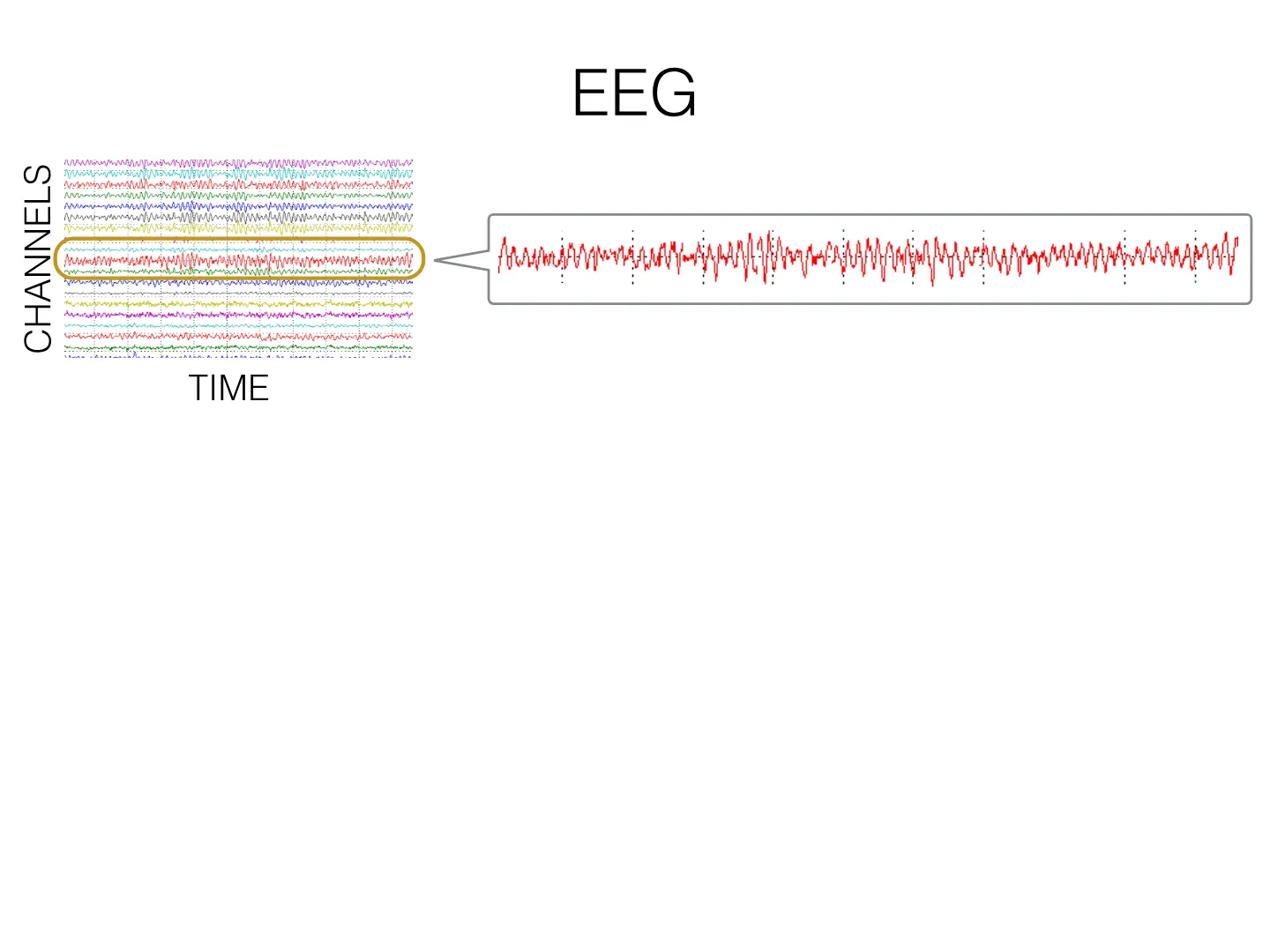
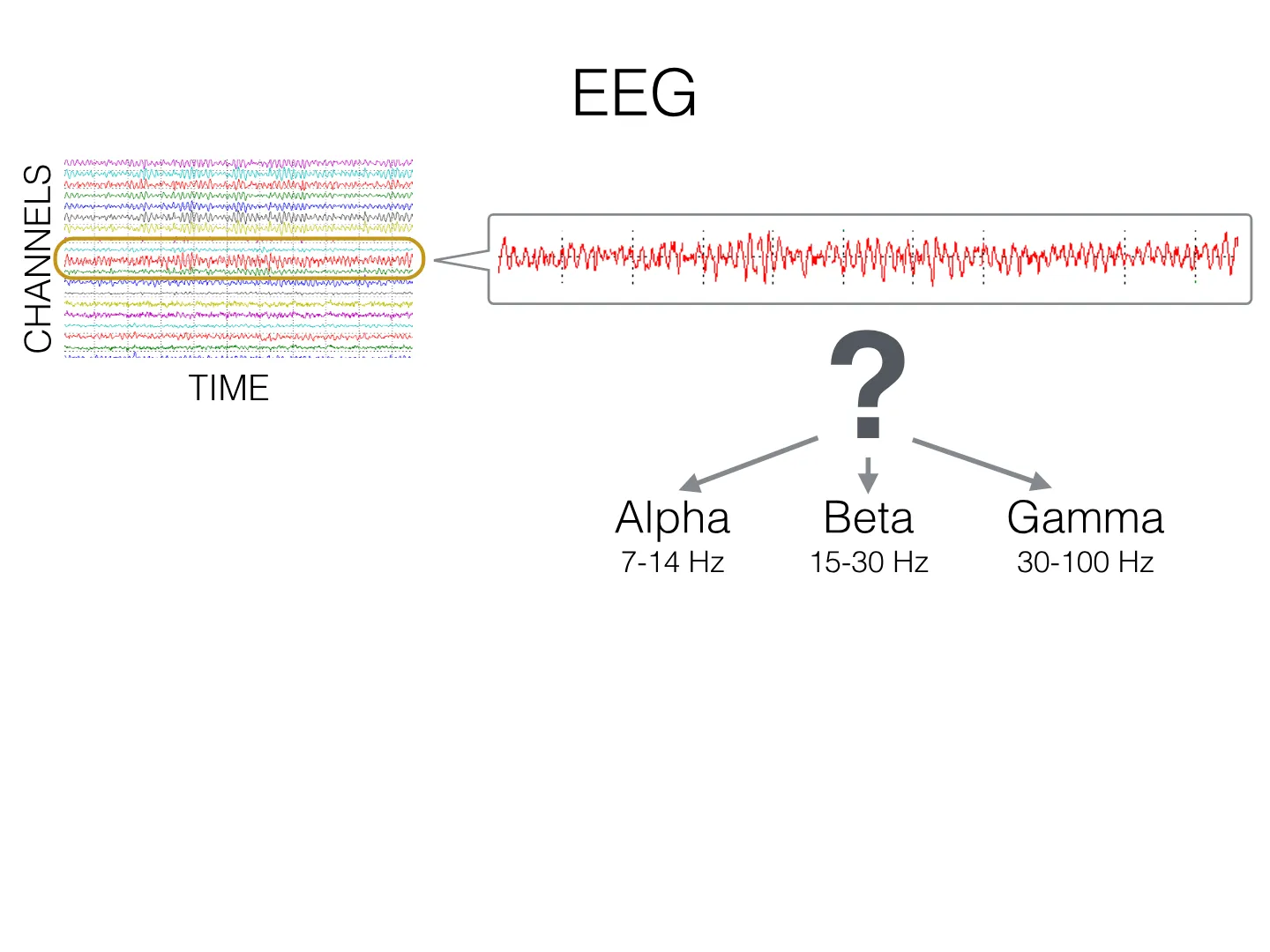
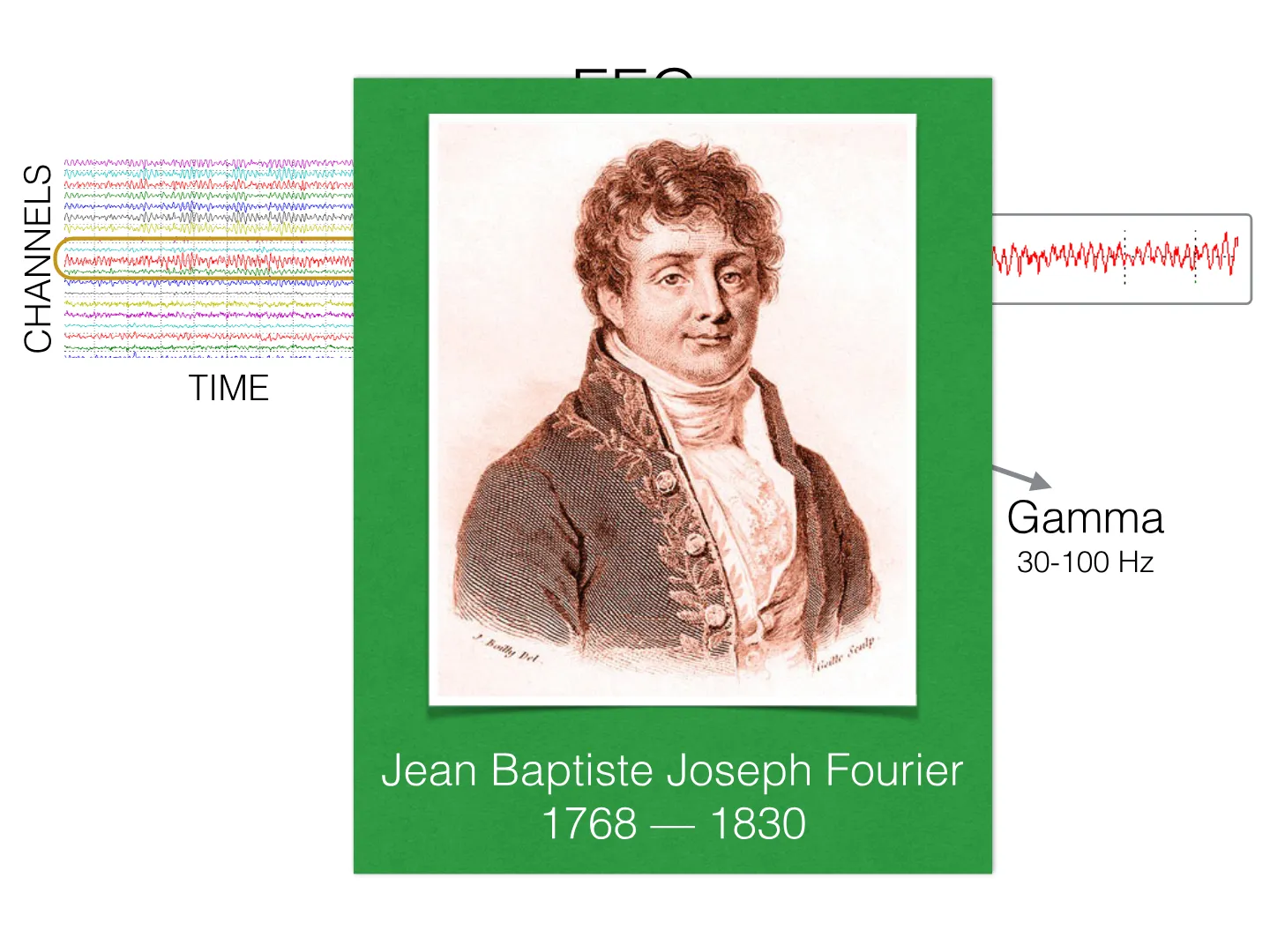
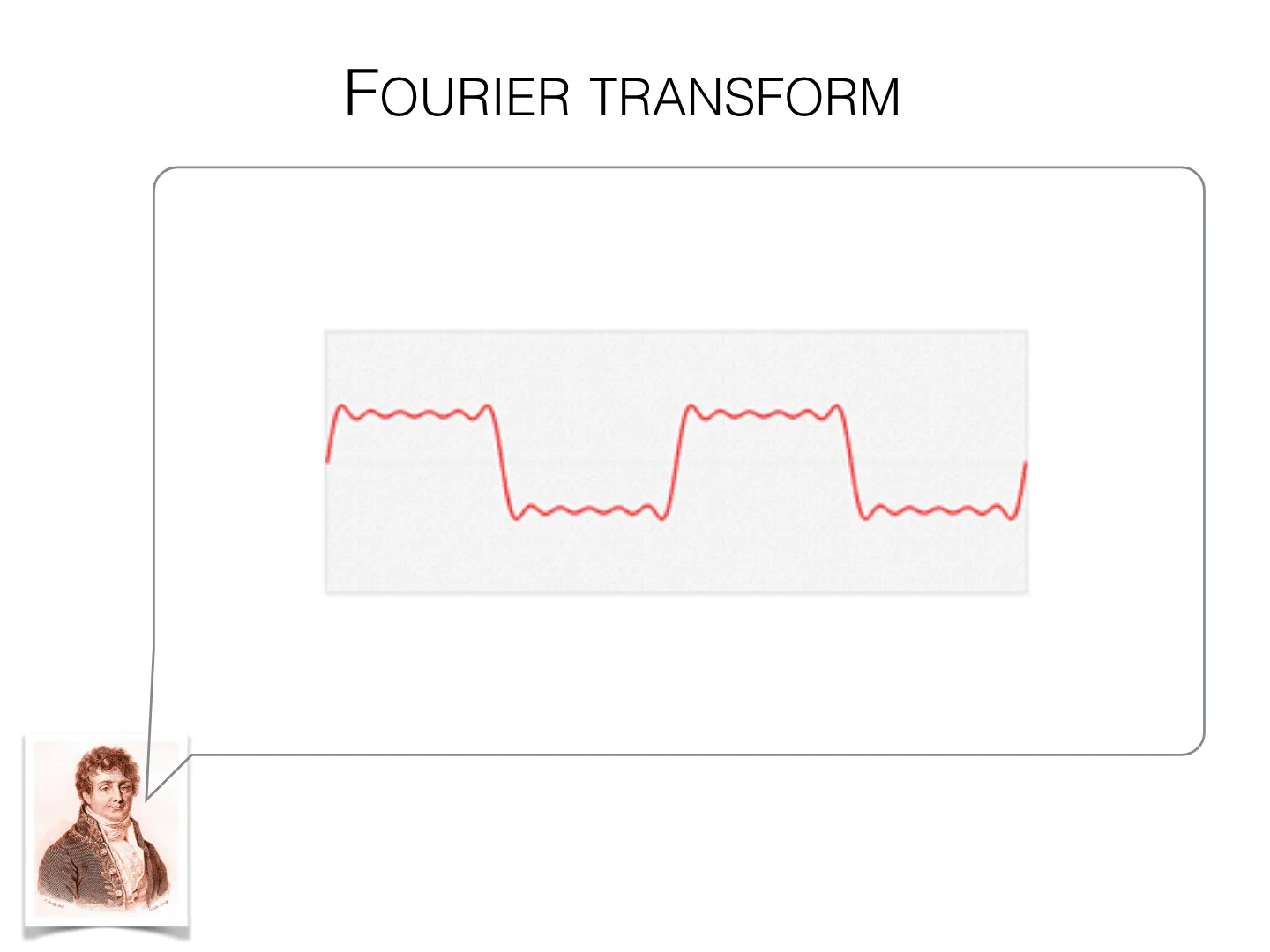
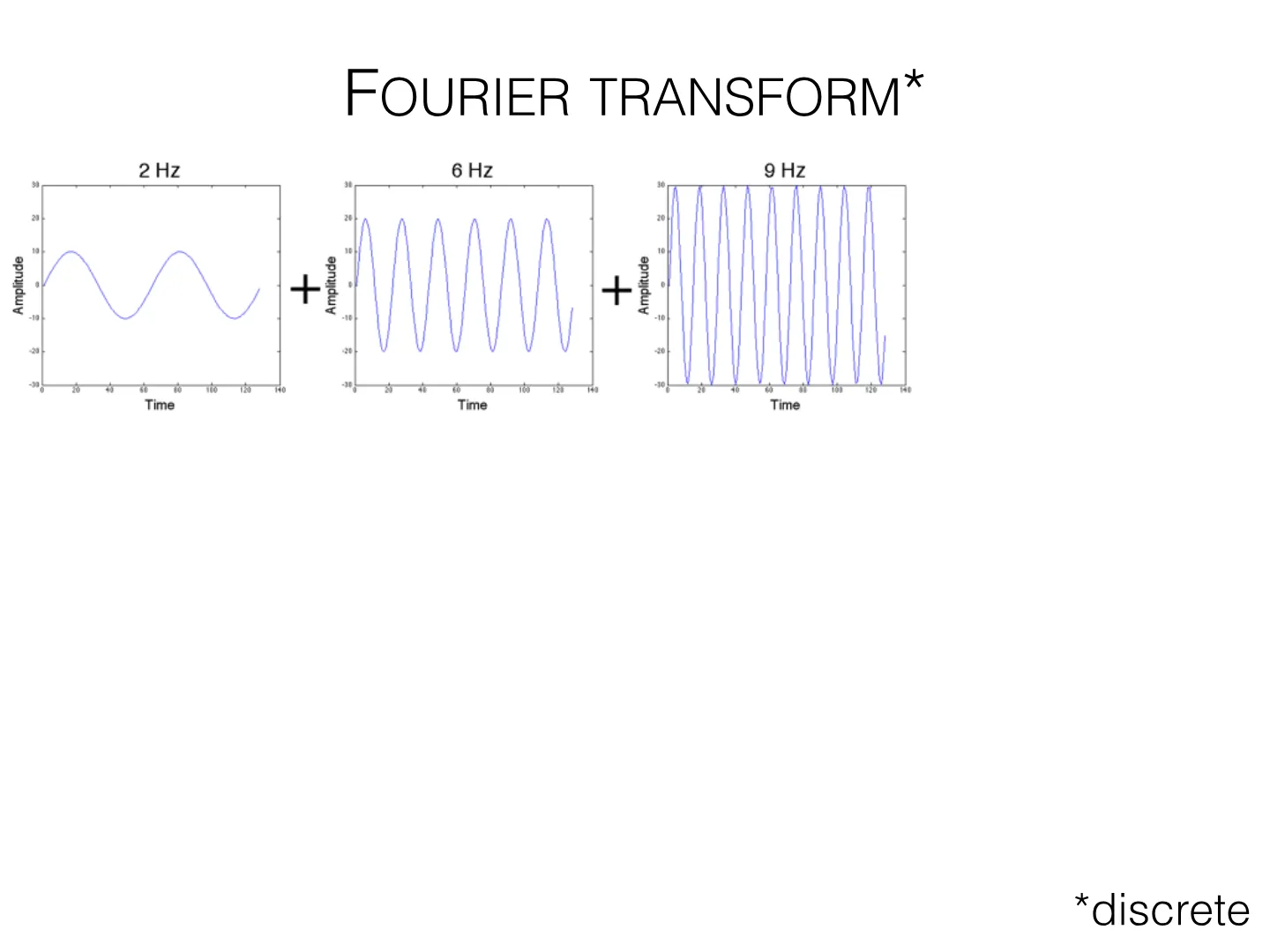
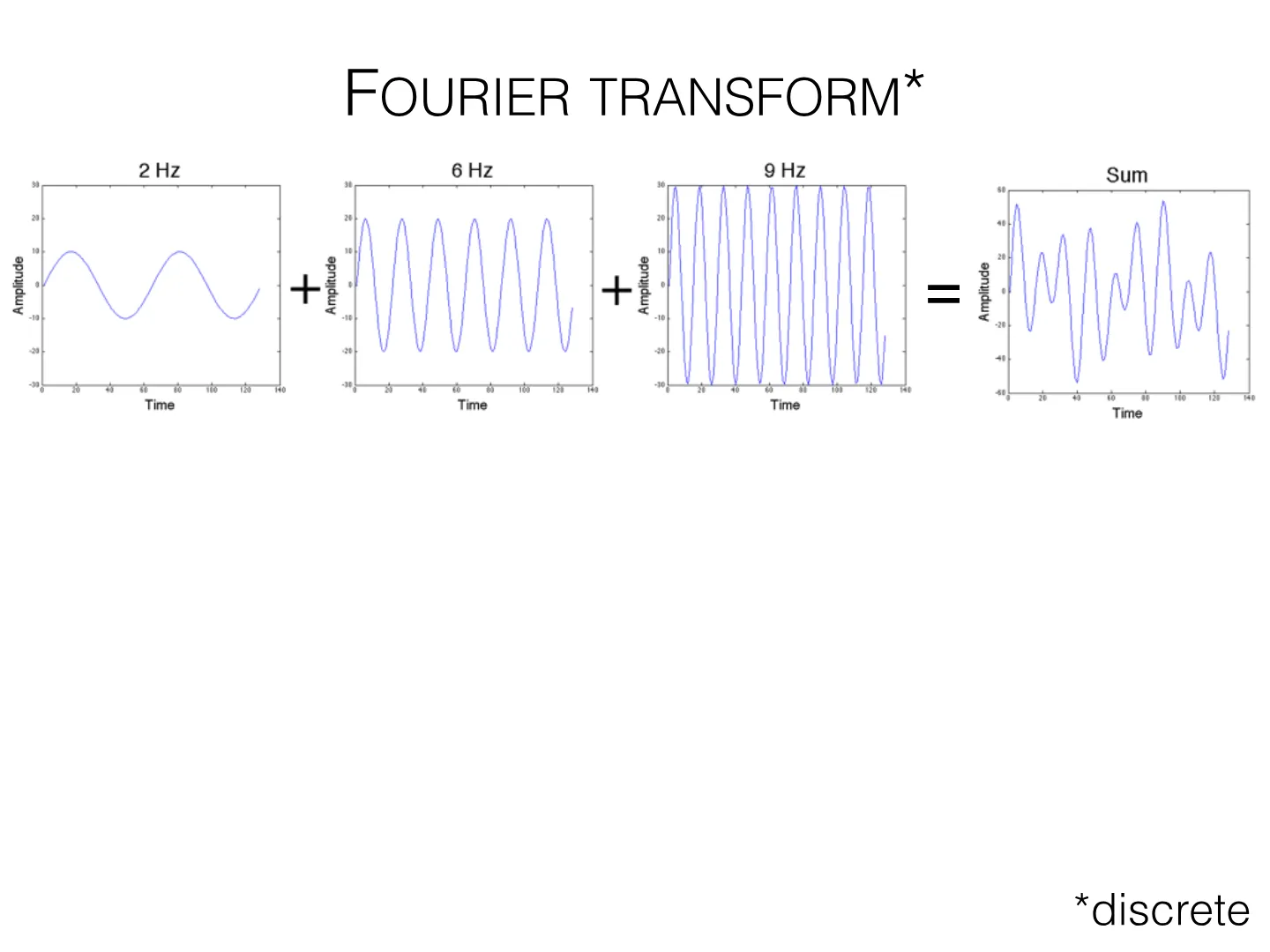
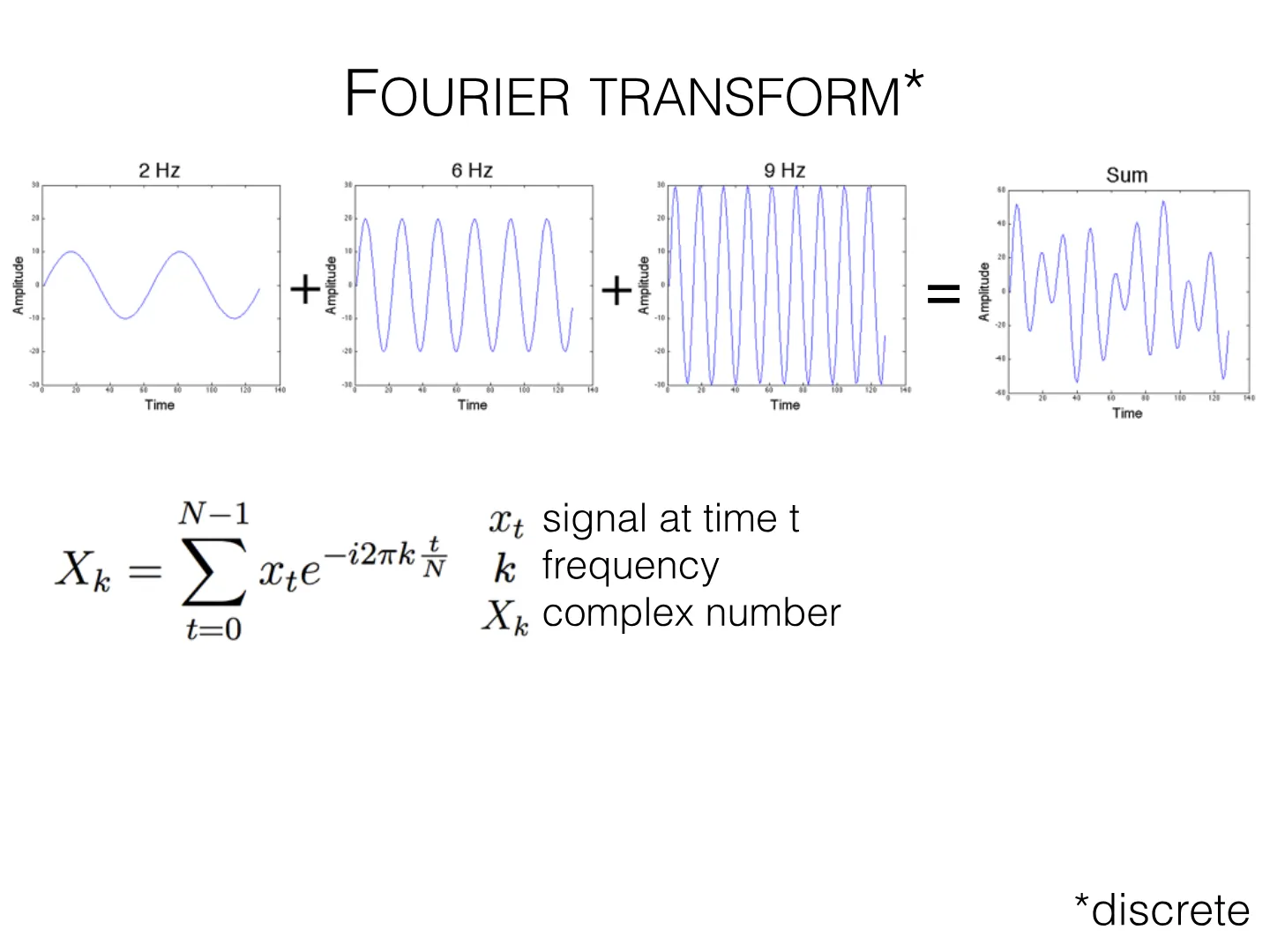
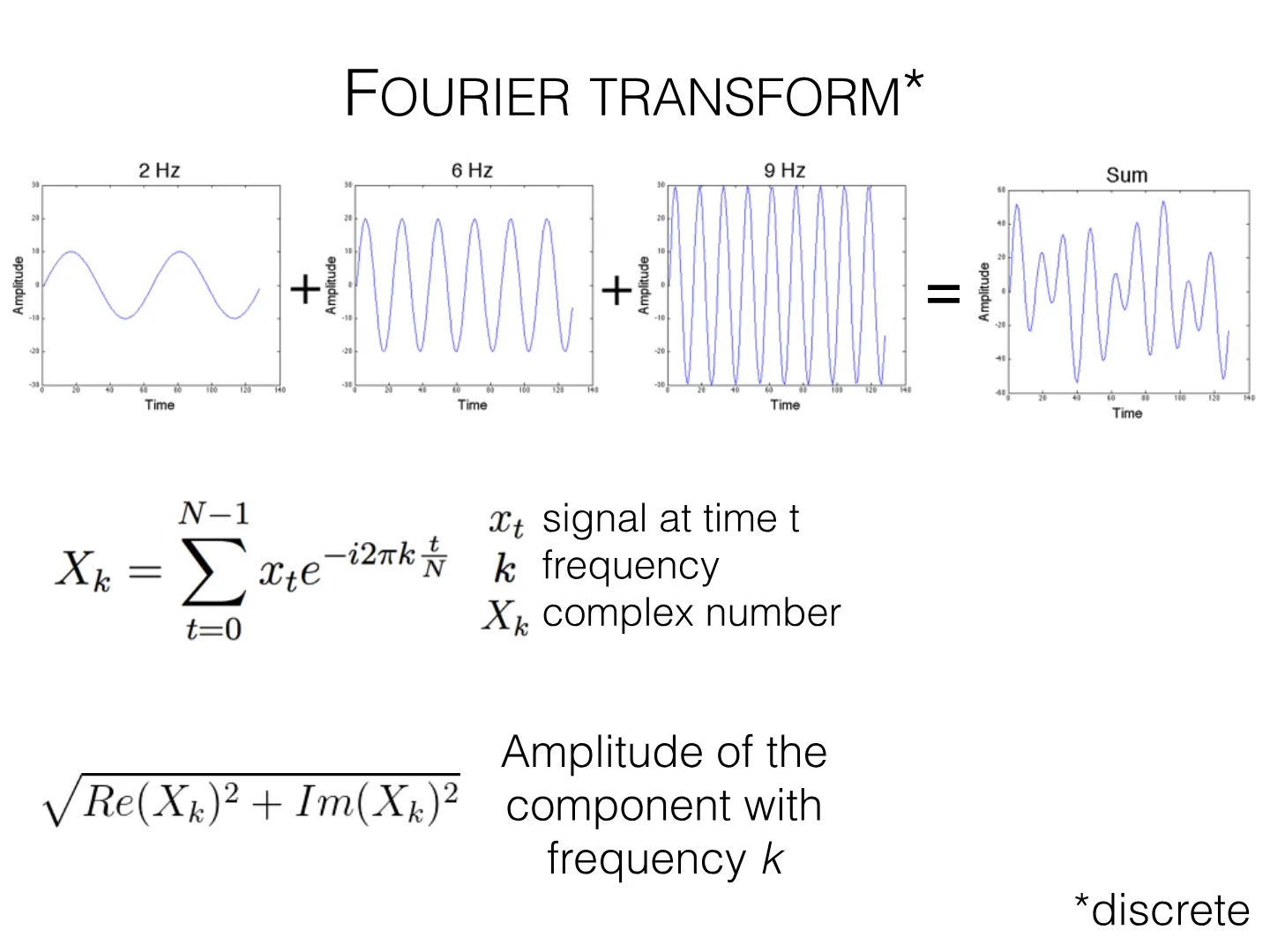
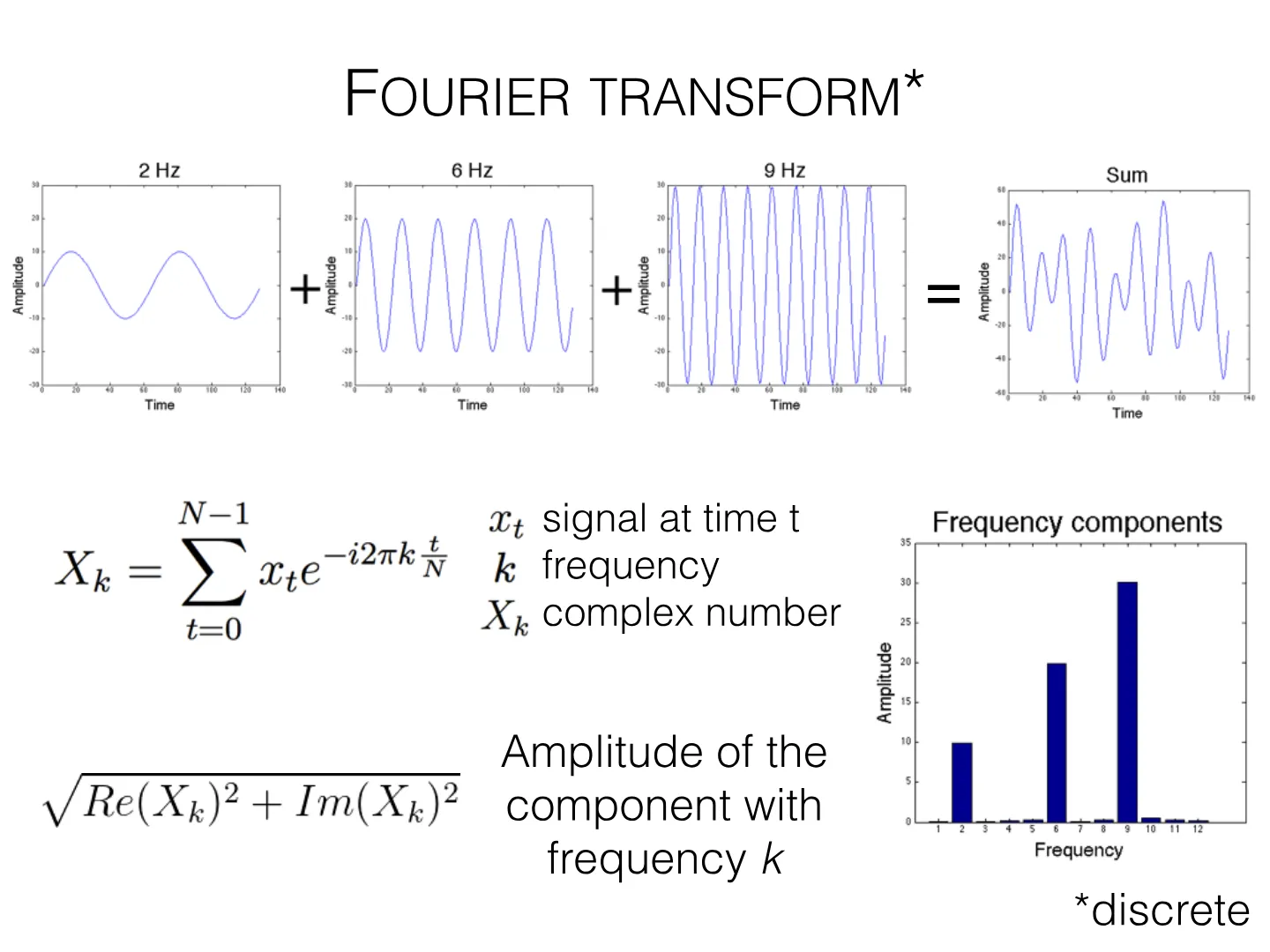
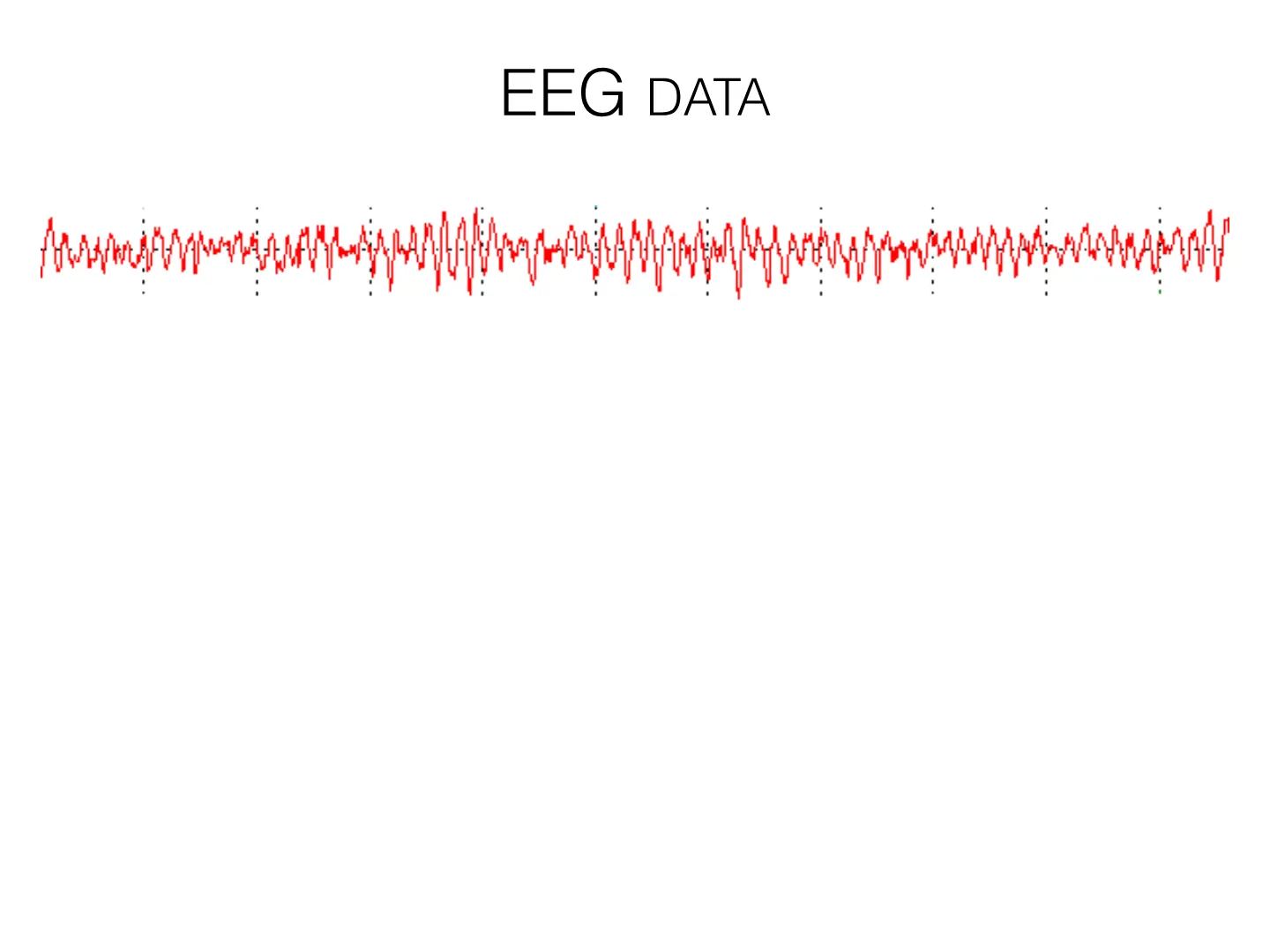
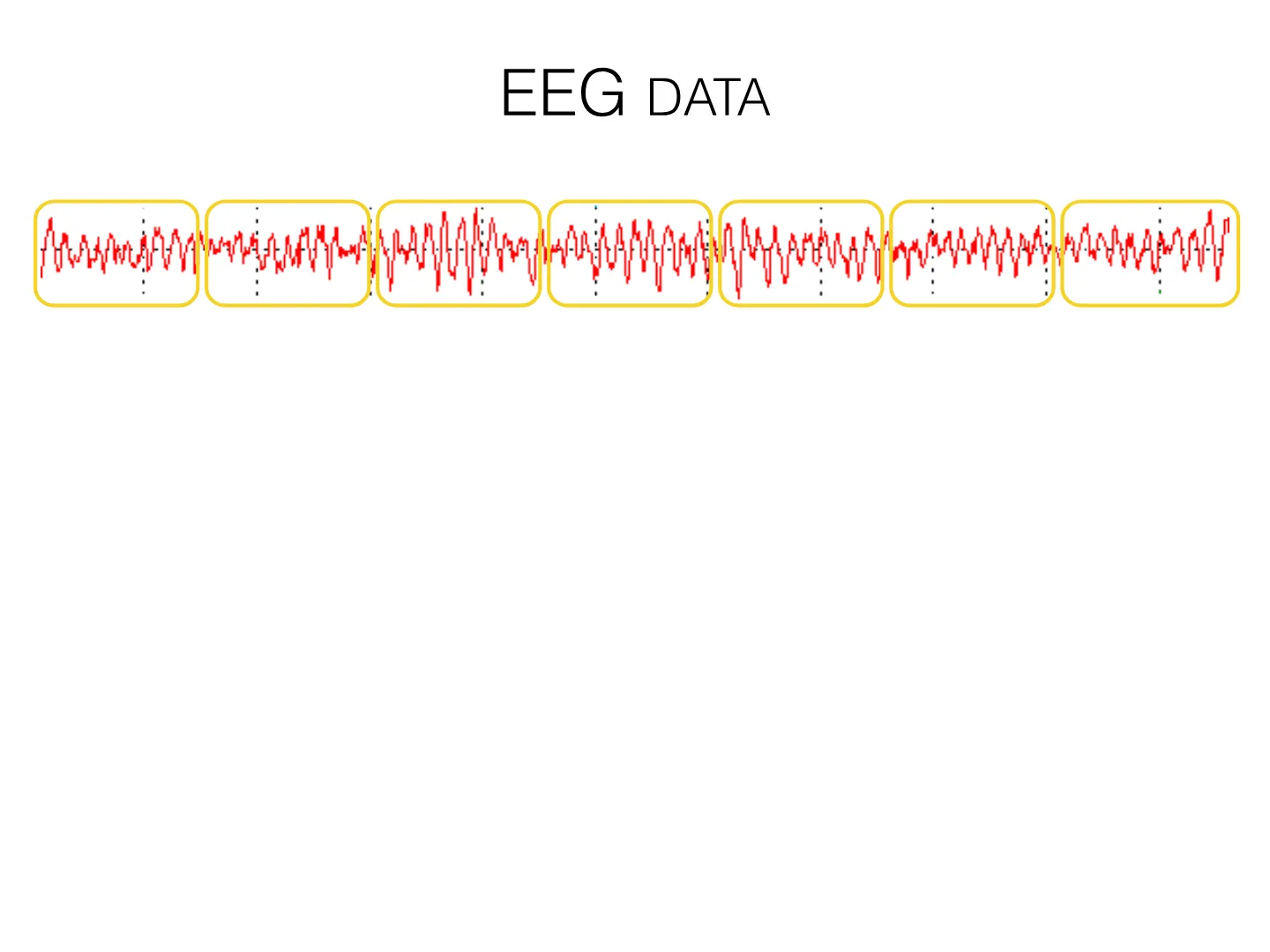
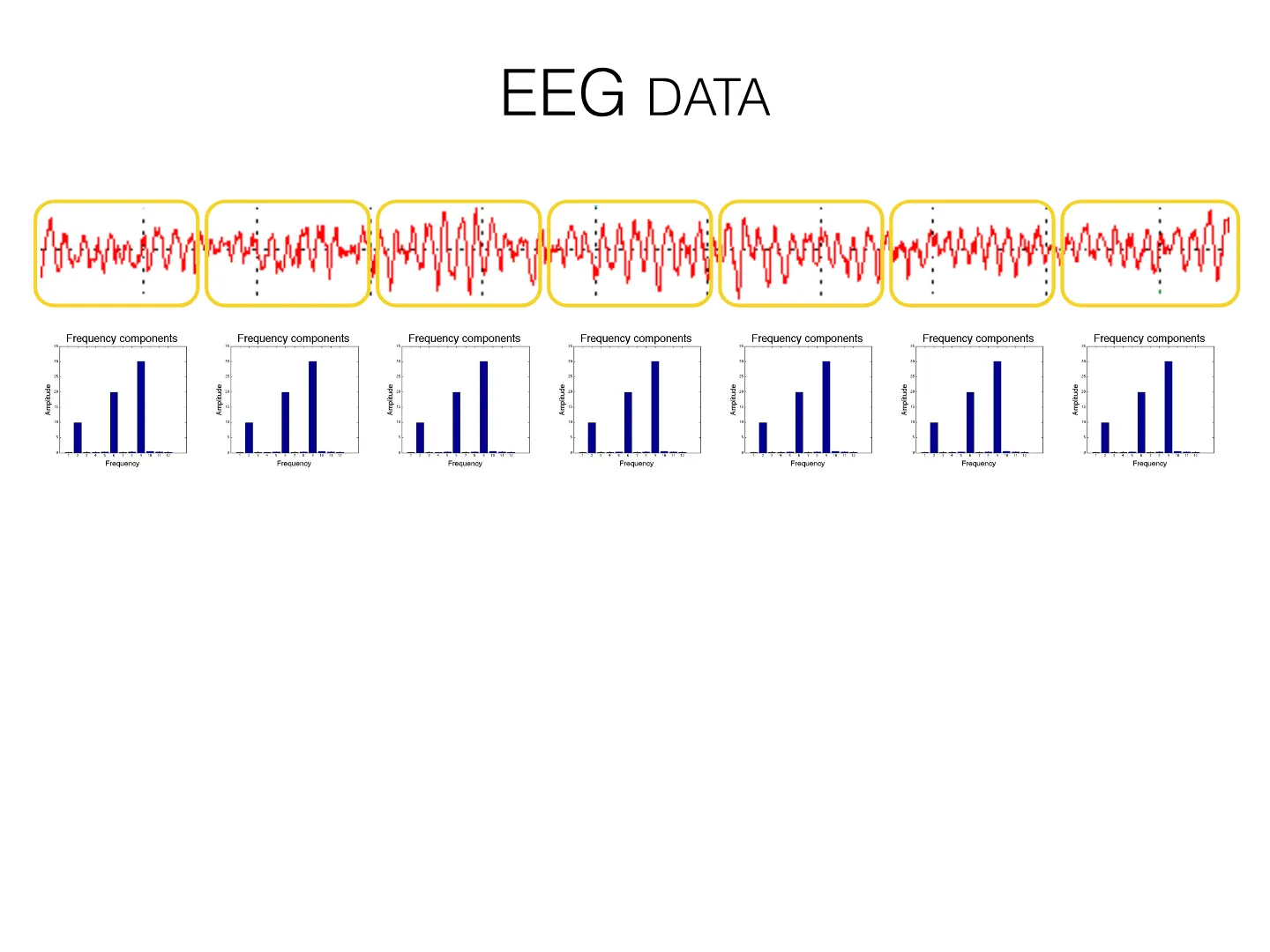
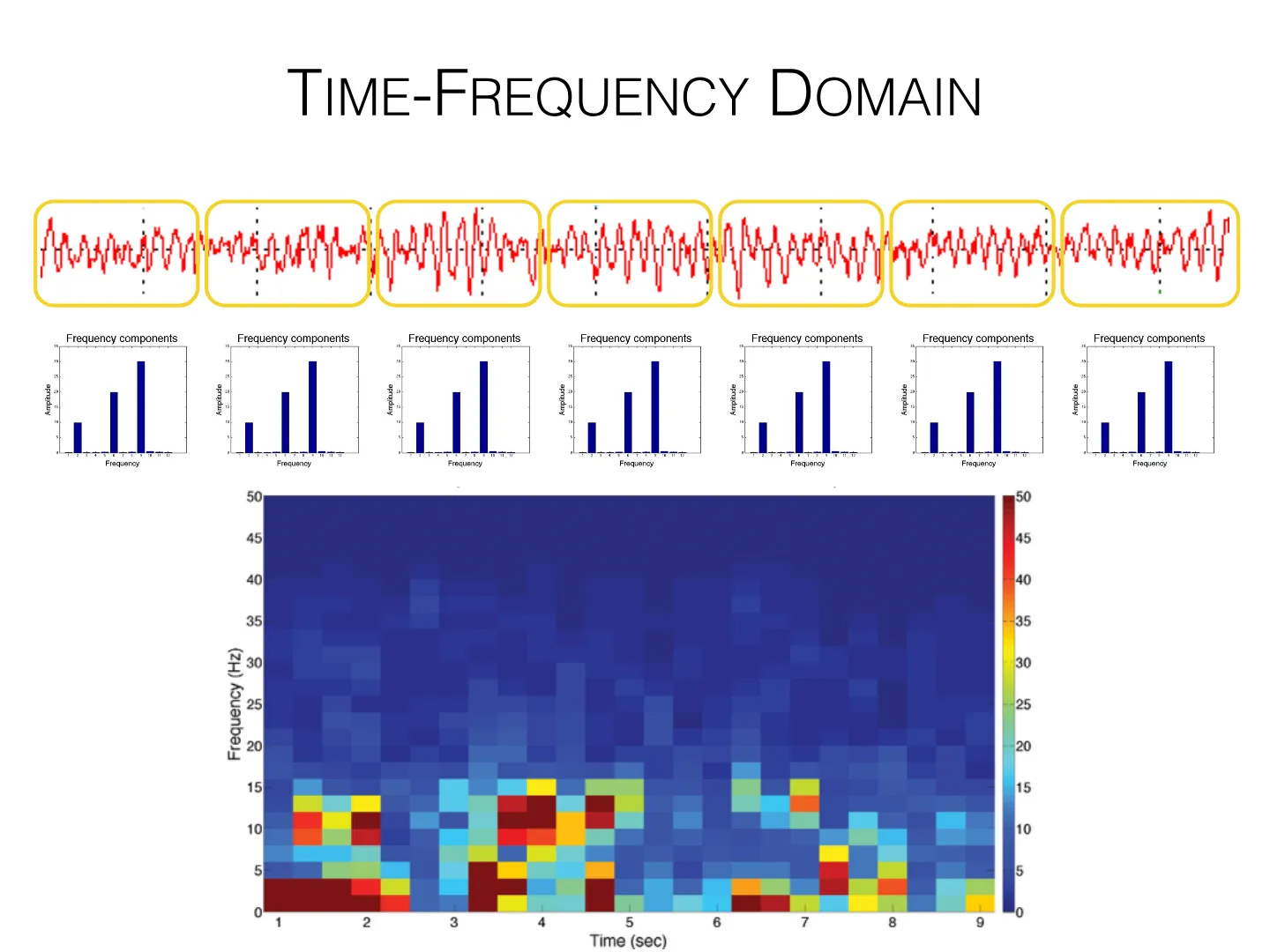
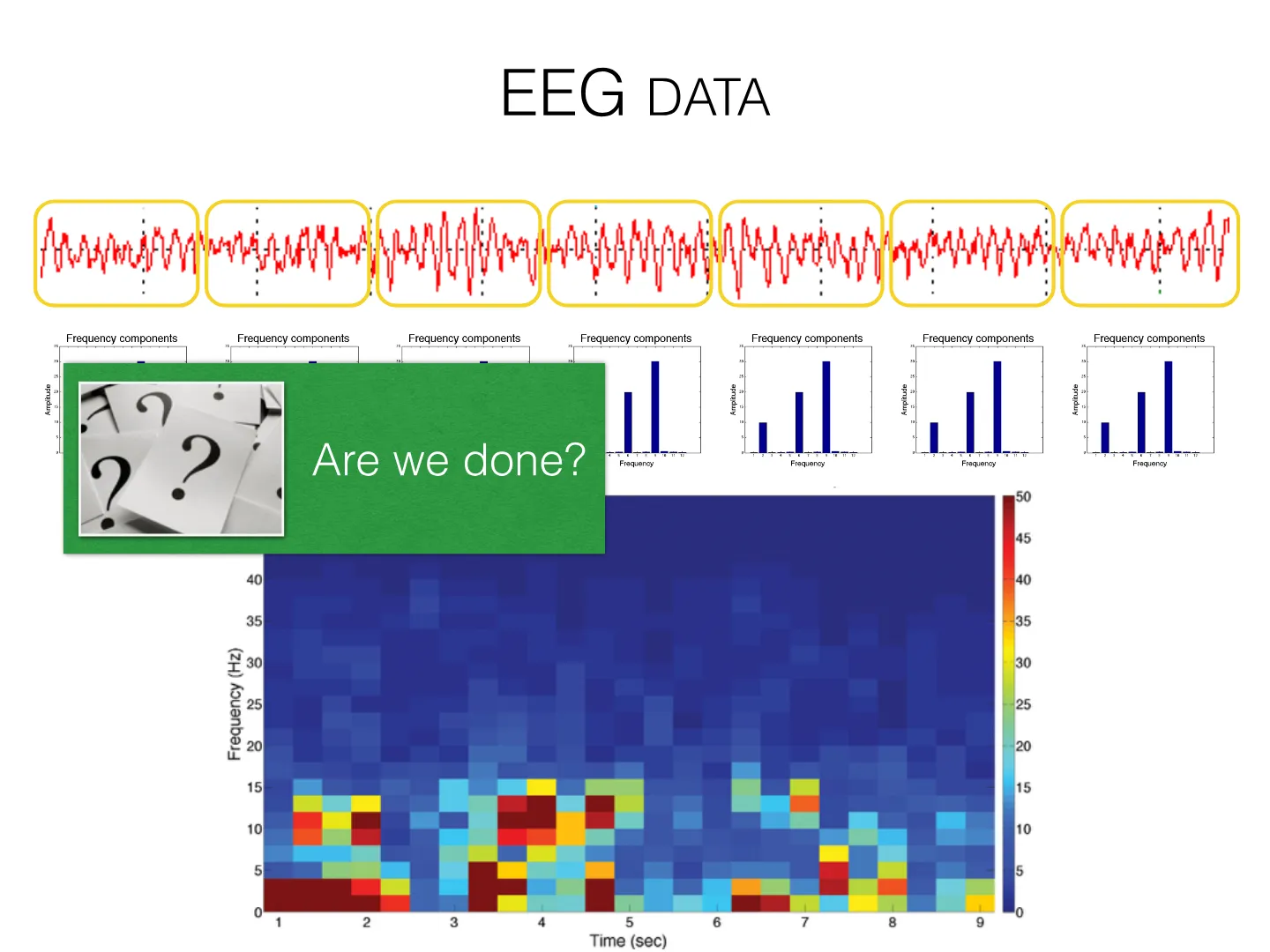
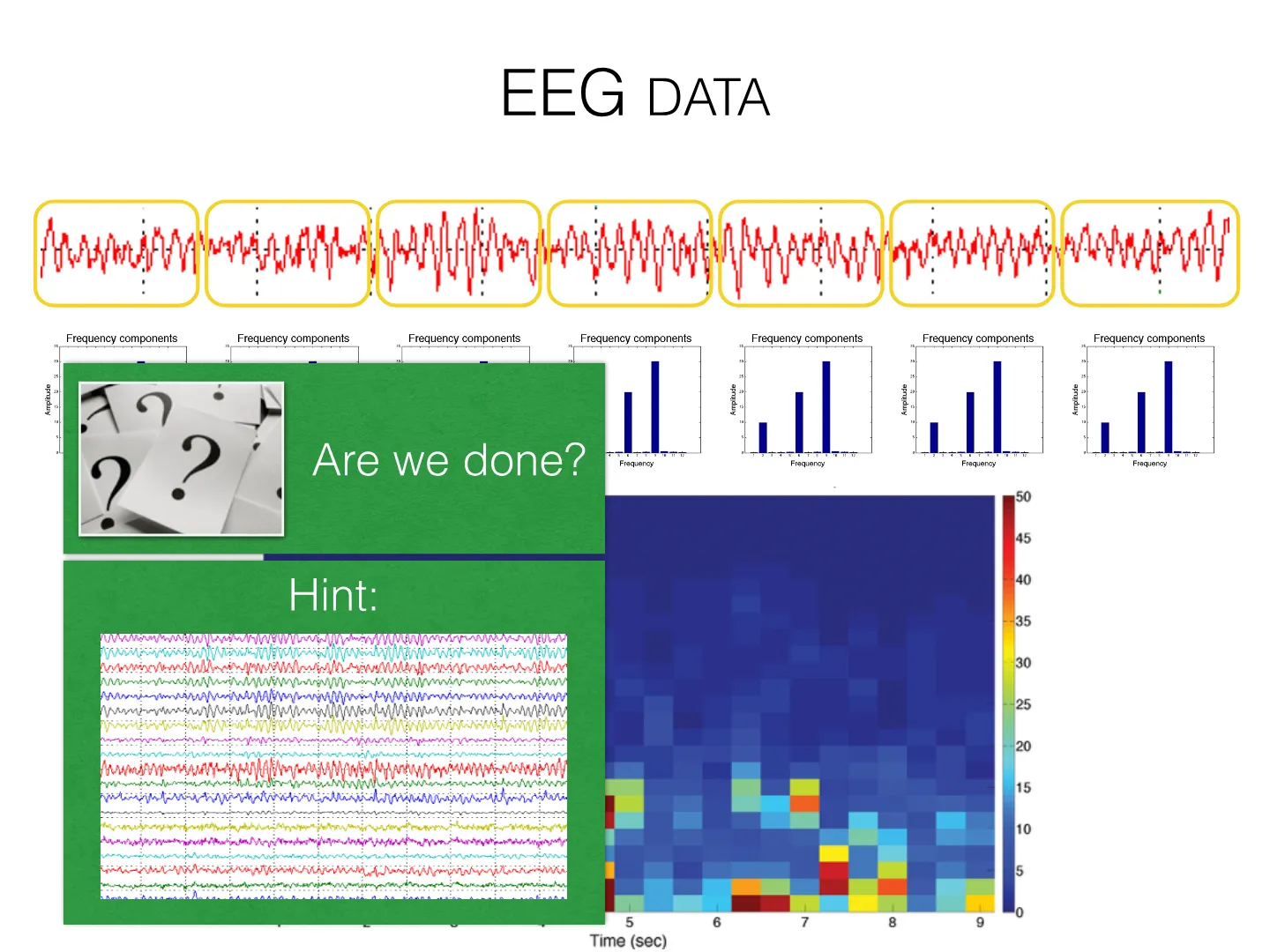
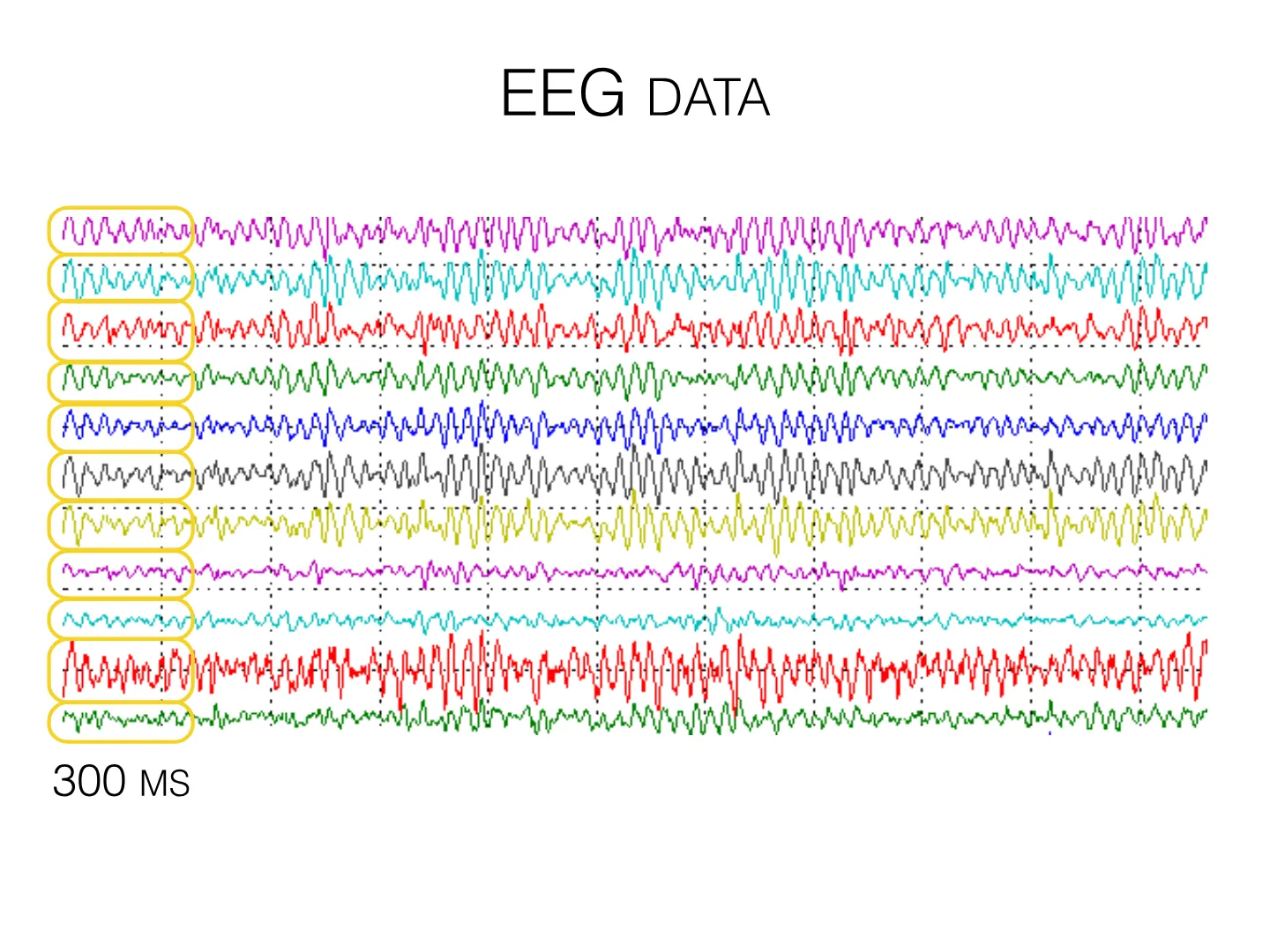
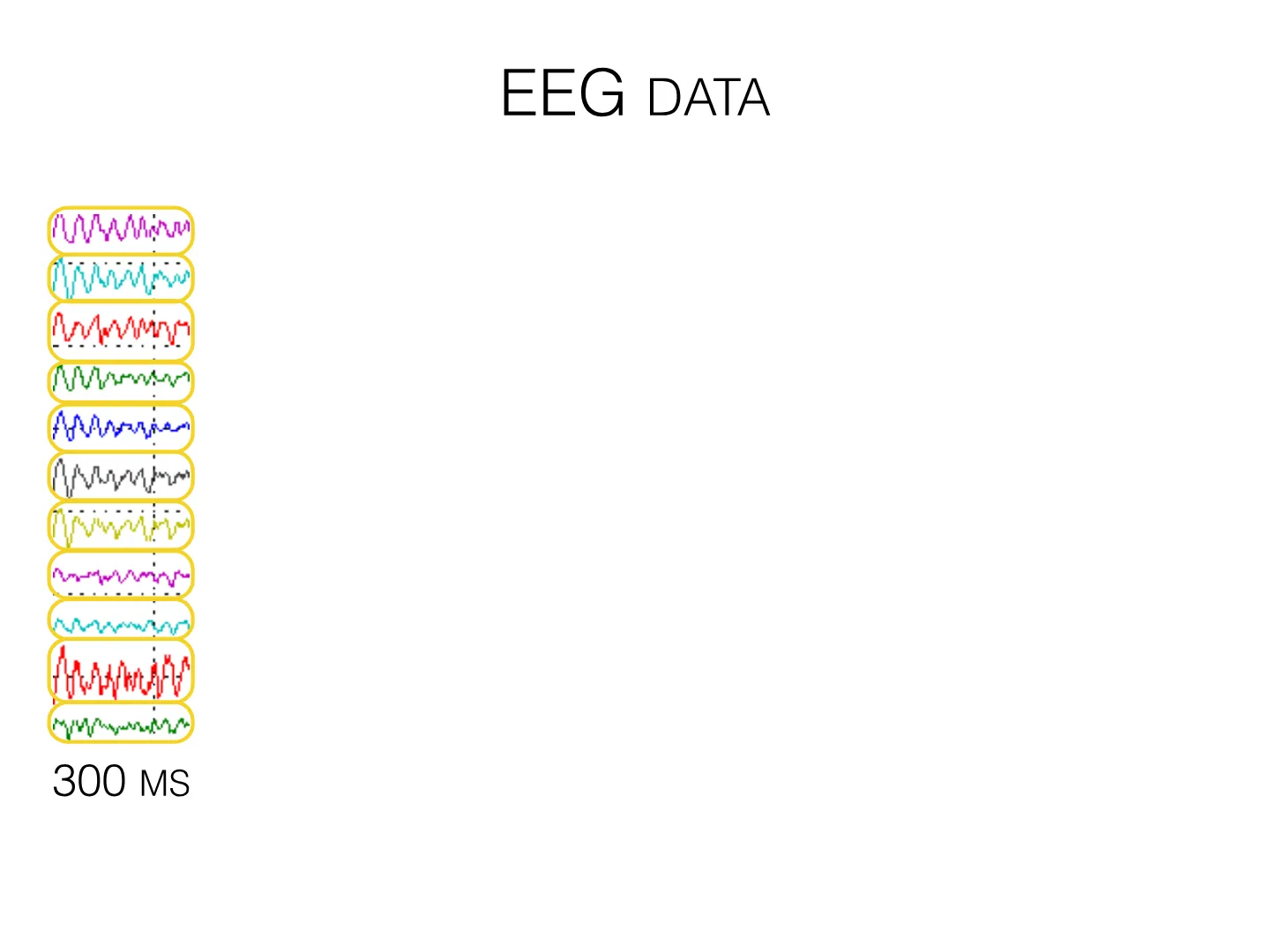
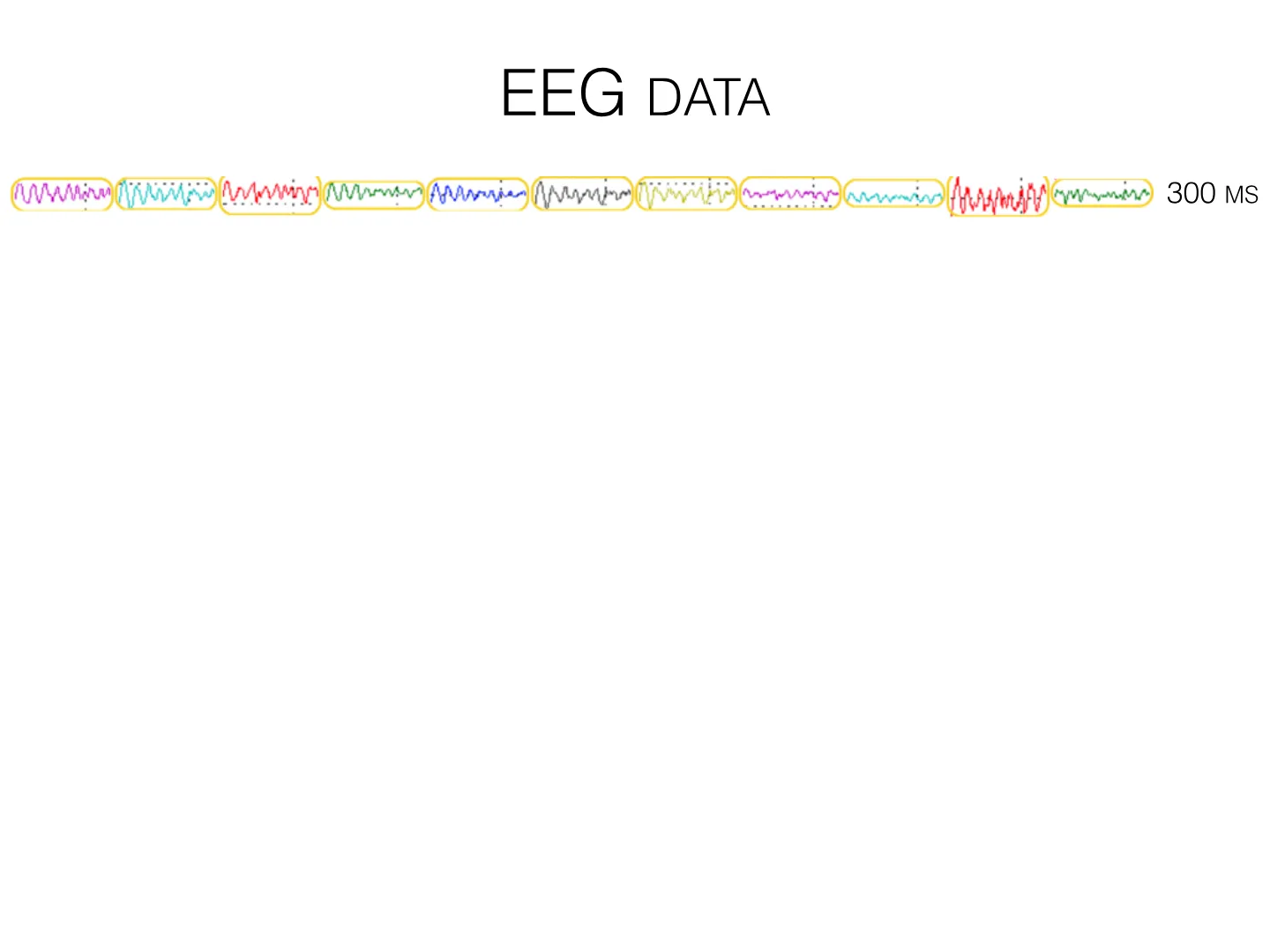
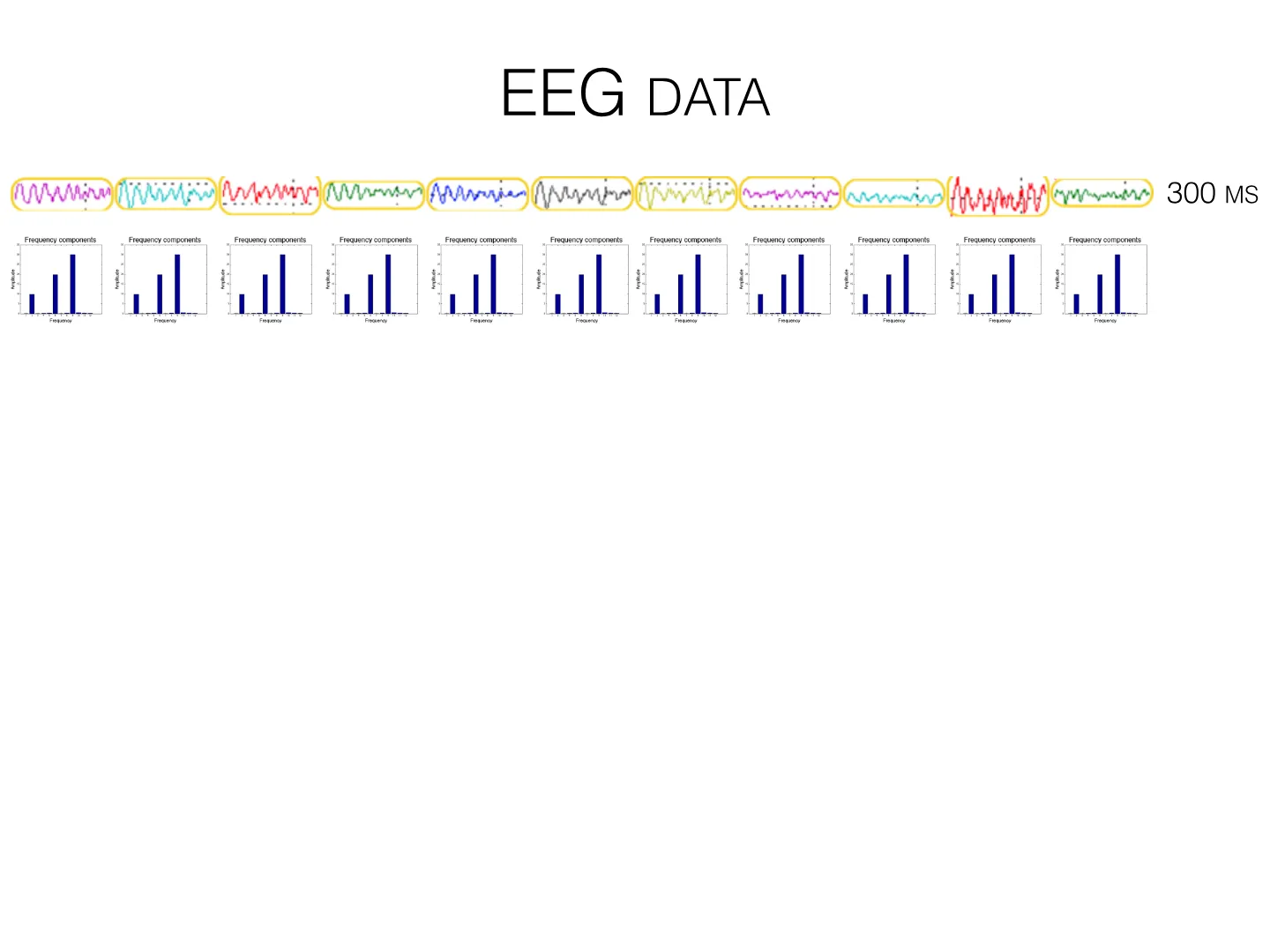
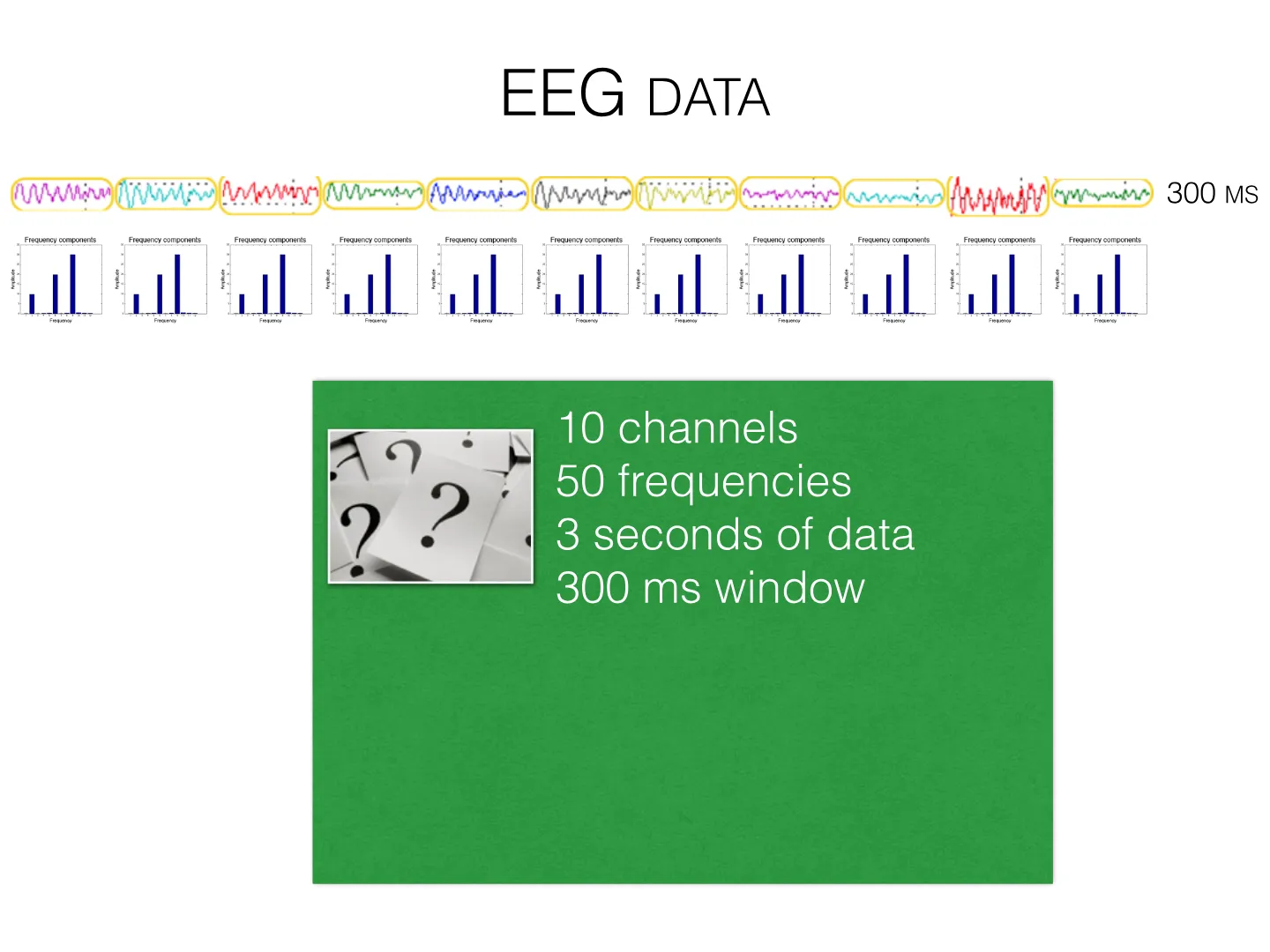
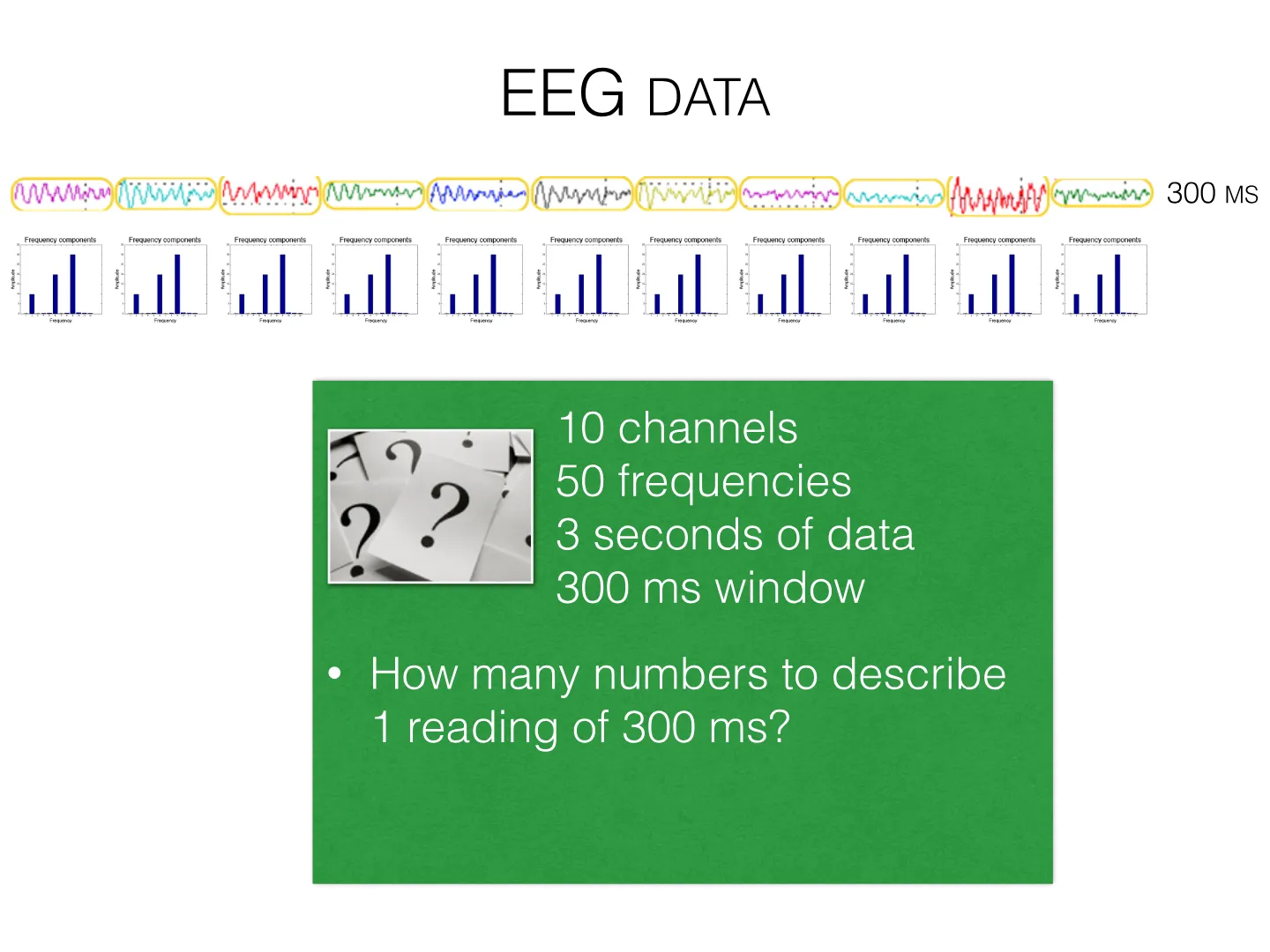
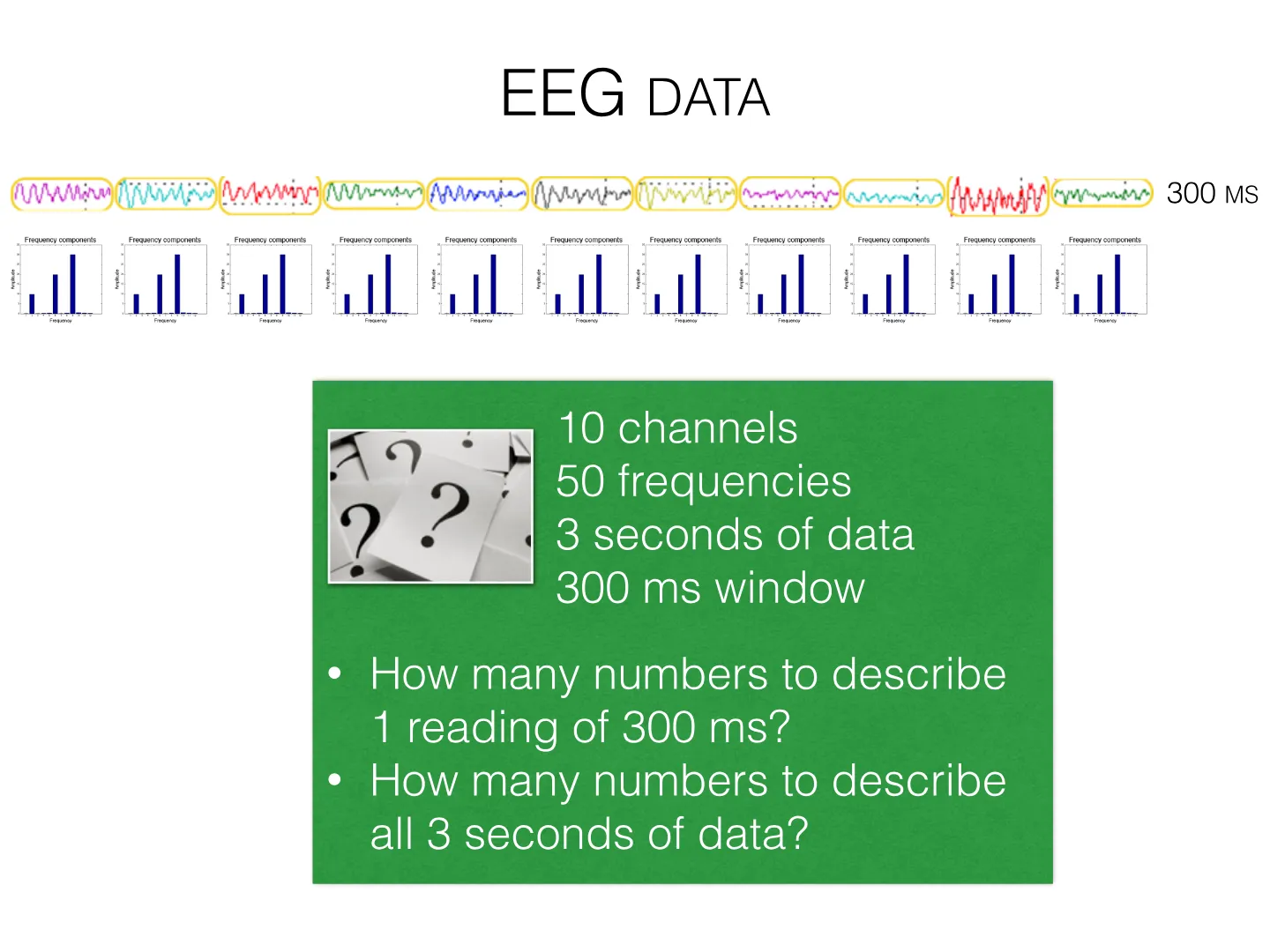
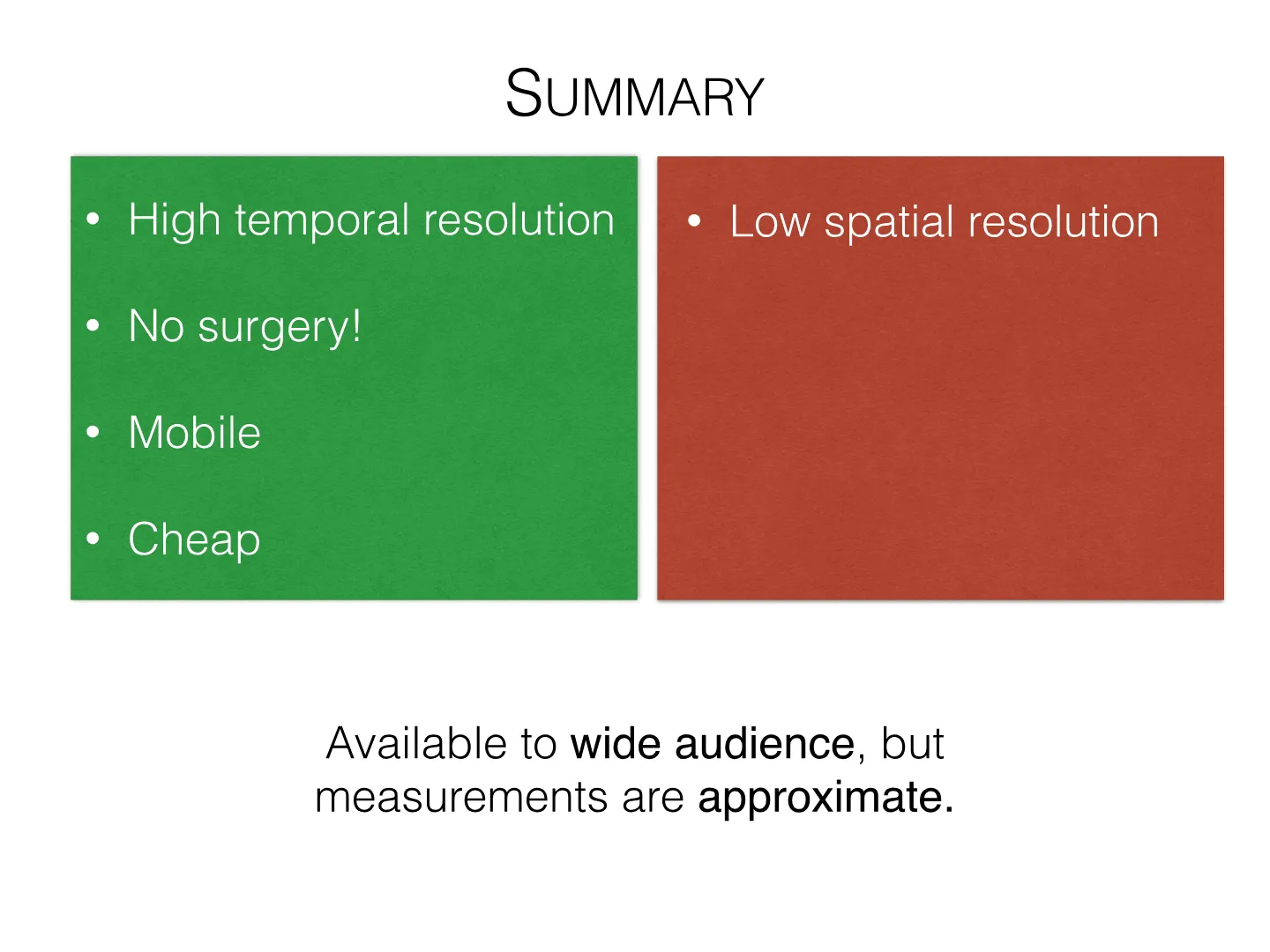
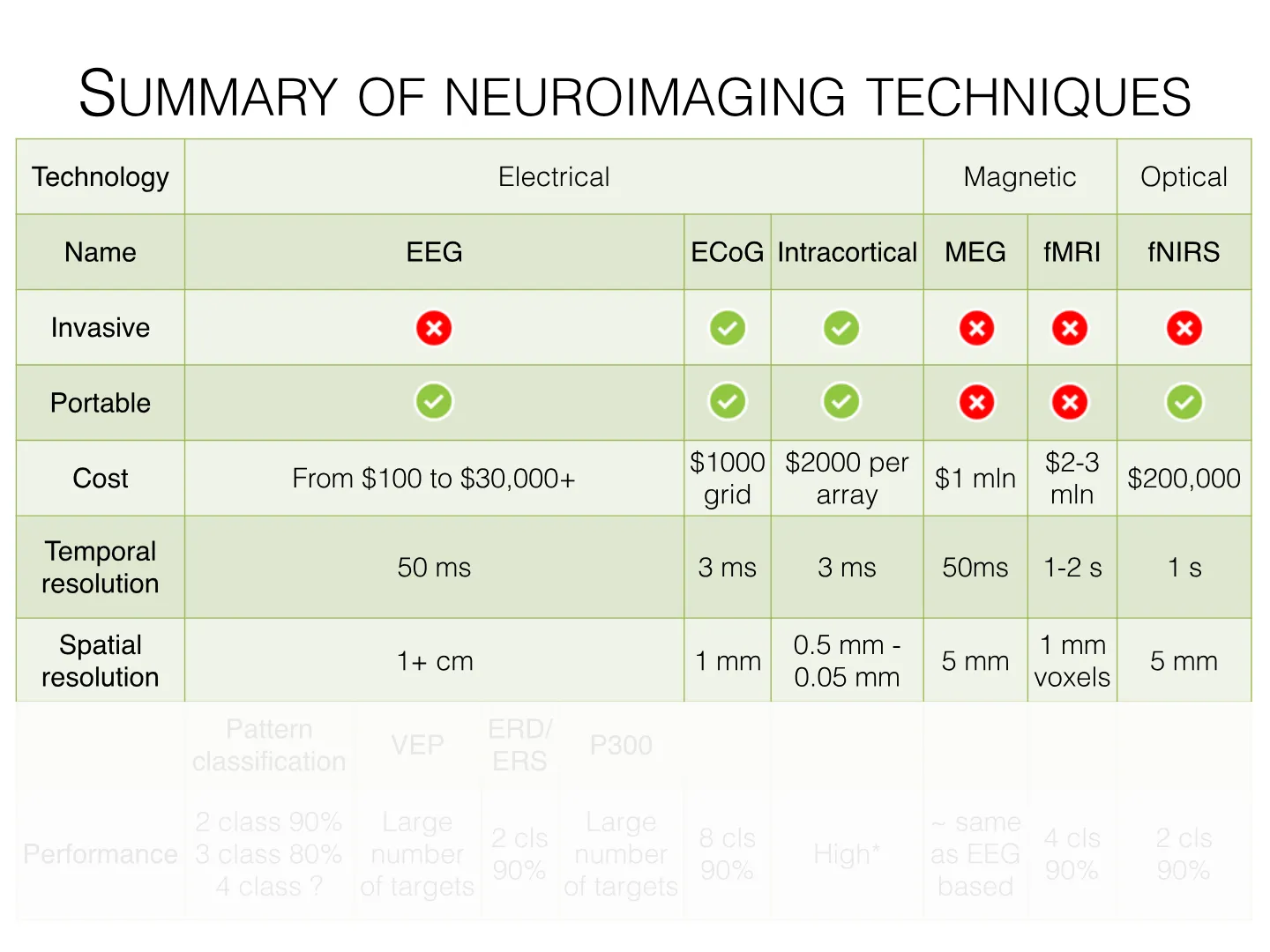
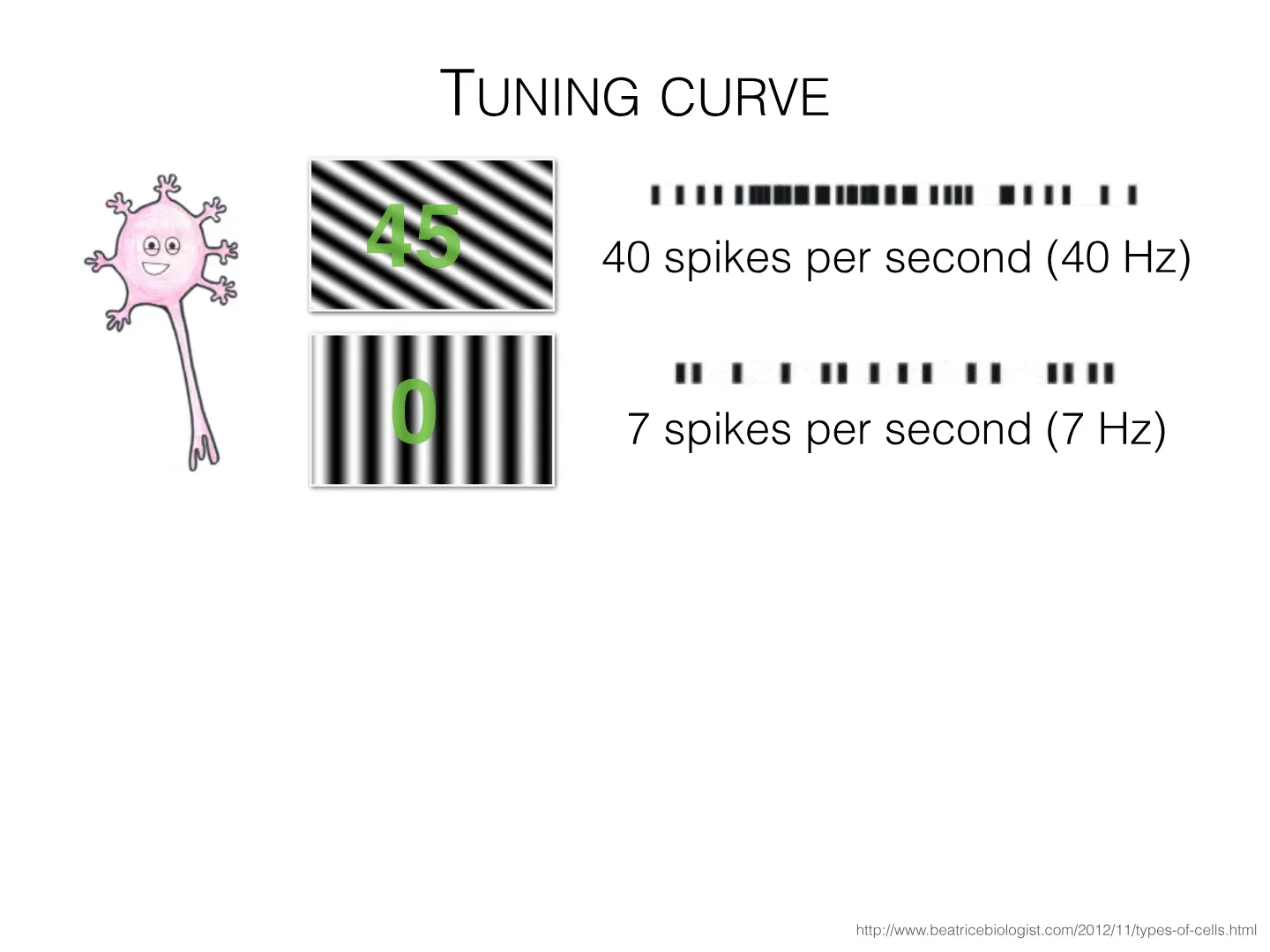
Slide 1 of 147: MACHINE LEARNING ON NEUROIMAGING DATA Ilya Kuzovkin AACIMP, August 2014 LECTURE 1: NEUROIMAGING TECHNIQUESSlide 2 of 147: THE COURSE NEUROIMAGING DATA L1 P1Slide 3 of 147: THE COURSE NEUROIMAGING DATA MACHINE LEARNING L1 P1 L2 P2 +Slide 4 of 147: THE COURSE NEUROIMAGING DATA MACHINE LEARNING BRAIN-COMPUTER INTERFACE L1 P1 L2 P2 P3 + =Slide 5 of 147: PART I INTRACORTICALSlide 6 of 147: NEURONS http://biomedicalengineering.yolasite.comSlide 7 of 147: NEURONS http://biomedicalengineering.yolasite.comSlide 8 of 147: SPIKE http://faculty.tcc.edu/mmitchell/142/ap-graph1.jpgSlide 9 of 147: SPIKE http://faculty.tcc.edu/mmitchell/142/ap-graph1.jpg How can voltage be negative?Slide 10 of 147: http://newton.umsl.edu/tsytsarev_files/neuron_electrode.JPG ELECTRODESSlide 11 of 147: THE SIGNAL • Local Field Potential http://www.frontiersin.org/files/Articles/414/fnins-02-037/image_m/fnins-02-037-g001.jpg http://lifesciences.ieee.org/images/stories/life-sciences/2012-01-spike-01_l.pngSlide 12 of 147: THE SIGNAL • Multi-unit spikes • Local Field Potential http://www.frontiersin.org/files/Articles/414/fnins-02-037/image_m/fnins-02-037-g001.jpg http://lifesciences.ieee.org/images/stories/life-sciences/2012-01-spike-01_l.pngSlide 13 of 147: THE SIGNAL • Multi-unit spikes • Local Field Potential Spike sorting http://www.frontiersin.org/files/Articles/414/fnins-02-037/image_m/fnins-02-037-g001.jpg http://lifesciences.ieee.org/images/stories/life-sciences/2012-01-spike-01_l.pngSlide 14 of 147: THE SIGNAL http://www.frontiersin.org/files/Articles/414/fnins-02-037/image_m/fnins-02-037-g001.jpg http://lifesciences.ieee.org/images/stories/life-sciences/2012-01-spike-01_l.png • Multi-unit spikes • Local Field Potential • Single-unit spikes Spike sortingSlide 15 of 147: For each measured neuron we record the time moments when it spikedSlide 16 of 147: RASTER PLOTSlide 17 of 147: RASTER PLOT What is on the X axis?Slide 18 of 147: RASTER PLOT TimeSlide 19 of 147: RASTER PLOT What is on the Y axis? TimeSlide 20 of 147: RASTER PLOT Time NeuronsSlide 21 of 147: RASTER PLOT Time Neurons rastrumSlide 22 of 147: PSTH Post-Stimulus Time HistogramSlide 23 of 147: PSTH Post-Stimulus Time Histogram Neurons \ TrialsSlide 24 of 147: PSTH Post-Stimulus Time Histogram Neurons \ Trials 100 msSlide 25 of 147: PSTH Post-Stimulus Time Histogram Neurons \ Trials 100 ms 100 msSlide 26 of 147: PSTH Post-Stimulus Time Histogram Neurons \ Trials 100 ms 100 ms 100 ms 100 msSlide 27 of 147: PSTH Post-Stimulus Time Histogram Neurons \ Trials 100 ms 100 ms 100 ms 100 ms 31 spikes 34 spikes 27 spikes 218 spikes 33 spikesSlide 28 of 147: PSTH Time Neurons \ Trials Post-Stimulus Time HistogramSlide 29 of 147: PSTH Time Neurons \ Trials Post-Stimulus Time Histogram What is on the Y axis?Slide 30 of 147: PSTH Time Neurons \ Trials Post-Stimulus Time Histogram Spikes per 100 msSlide 31 of 147: PSTH Time Neurons \ Trials Post-Stimulus Time Histogram Spikes per 100 msSlide 32 of 147: TUNING CURVE http://www.beatricebiologist.com/2012/11/types-of-cells.htmlSlide 33 of 147: TUNING CURVE http://www.beatricebiologist.com/2012/11/types-of-cells.html 45Slide 34 of 147: TUNING CURVE http://www.beatricebiologist.com/2012/11/types-of-cells.html 45Slide 35 of 147: TUNING CURVE http://www.beatricebiologist.com/2012/11/types-of-cells.html 40 spikes per second (40 Hz) 45Slide 36 of 147: TUNING CURVE http://www.beatricebiologist.com/2012/11/types-of-cells.html 40 spikes per second (40 Hz) 0 45Slide 37 of 147: TUNING CURVE http://www.beatricebiologist.com/2012/11/types-of-cells.html 40 spikes per second (40 Hz) 7 spikes per second (7 Hz) 0 45Slide 38 of 147: TUNING CURVE http://www.beatricebiologist.com/2012/11/types-of-cells.html 40 spikes per second (40 Hz) 7 spikes per second (7 Hz) 0 45Slide 39 of 147: TUNING CURVE http://www.beatricebiologist.com/2012/11/types-of-cells.html 40 spikes per second (40 Hz) 7 spikes per second (7 Hz) 0 45Slide 40 of 147: TUNING CURVE http://www.beatricebiologist.com/2012/11/types-of-cells.html 40 spikes per second (40 Hz) 7 spikes per second (7 Hz) What do you expect to see on this plot? 0 45Slide 41 of 147: TUNING CURVE http://www.beatricebiologist.com/2012/11/types-of-cells.html 40 spikes per second (40 Hz) 7 spikes per second (7 Hz) 0 45Slide 42 of 147: TUNING CURVE http://www.beatricebiologist.com/2012/11/types-of-cells.html 40 spikes per second (40 Hz) 7 spikes per second (7 Hz) 0 45Slide 43 of 147: SUMMARY • High spatial resolution (up to single neuron) ! • High temporal resolutionSlide 44 of 147: SUMMARY • High spatial resolution (up to single neuron) ! • High temporal resolution What does “spatial resolution” mean?Slide 45 of 147: SUMMARY • Requires surgery ! • Localized What does “temporal resolution” mean? • High spatial resolution (up to single neuron) ! • High temporal resolutionSlide 46 of 147: • High spatial resolution (up to single neuron) ! • High temporal resolution SUMMARY • Requires surgery ! • LocalizedSlide 47 of 147: • High spatial resolution (up to single neuron) ! • High temporal resolution SUMMARY • Requires surgery ! • Localized Very informative and precise , but not applicable to general audience due to surgery .Slide 48 of 147: PART II FMRI http://www.csulb.edu/~cwallis/482/fmri/fmri.h3.gif http://neuro.mediasauce.com/images/fmri_machine.pngSlide 49 of 147: NUCLEAR MAGNETIC RESONANCE Physical phenomenon in which nucleus of an atom can absorb or reemit electromagnetic radiation if placed in a magnetic fieldSlide 50 of 147: NUCLEAR MAGNETIC RESONANCE Physical phenomenon in which nucleus of an atom can absorb or reemit electromagnetic radiation if placed in a magnetic fieldSlide 51 of 147: NUCLEAR MAGNETIC RESONANCE Physical phenomenon in which nucleus of an atom can absorb or reemit electromagnetic radiation if placed in a magnetic fieldSlide 52 of 147: NUCLEAR MAGNETIC RESONANCE Physical phenomenon in which nucleus of an atom can absorb or reemit electromagnetic radiation if placed in a magnetic field.Slide 53 of 147: SPIN Spin-UP +1/2 Spin-DOWN -1/2 http://www.markusehrenfried.de/science/physics/hermes/whatisspin.htmlSlide 54 of 147: SPIN Spin-UP +1/2 Spin-DOWN -1/2 http://www.markusehrenfried.de/science/physics/hermes/whatisspin.html Nothing actually spins in there. No analogy in classical mechanics.Slide 55 of 147: SPIN Spin-UP +1/2 Spin-DOWN -1/2 Nothing actually spins in there. No analogy in classical mechanics. But why call it spin then? http://www.markusehrenfried.de/science/physics/hermes/whatisspin.htmlSlide 56 of 147: http://www.howequipmentworks.com/physics/medical_imaging/mri/magnetic_resonance_imaging.html NOT A JOKE Six known types of quarks and their official names. So spin is not that bad.Slide 57 of 147: MAGNETIC MOMENTSlide 58 of 147: MAGNETIC MOMENT Particle with non-zero nuclear spin is like a small magnet .Slide 59 of 147: MAGNETIC MOMENT or ? Particle with non-zero nuclear spin is like a small magnet .Slide 60 of 147: MAGNETIC MOMENT or ? Particle with non-zero nuclear spin is like a small magnet .Slide 61 of 147: MAGNETIC MOMENT Particle with non-zero nuclear spin is like a small magnet .Slide 62 of 147: IN A MAGNETIC FIELD What happens to a magnet if you put it in a magnetic field?Slide 63 of 147: IN A MAGNETIC FIELD What happens to a magnet if you put it in a magnetic field?Slide 64 of 147: IN A MAGNETIC FIELDSlide 65 of 147: IN A MAGNETIC FIELDSlide 66 of 147: IN A MAGNETIC FIELDSlide 67 of 147: IN A MAGNETIC FIELD Stronger field — larger energy gapSlide 68 of 147: Nuclear Magnetic ResonanceSlide 69 of 147: Nuclear Magnetic ResonanceSlide 70 of 147: Nuclear Magnetic ResonanceSlide 71 of 147: ? Nuclear Magnetic ResonanceSlide 72 of 147: RADIO FREQUENCY PULSESlide 73 of 147: RADIO FREQUENCY PULSE We can give energy to a particle and move it to a higher energy levelSlide 74 of 147: RADIO FREQUENCY PULSE We can give energy to a particle and move it to a higher energy level To do that we send an electromagnetic waveSlide 75 of 147: RADIO FREQUENCY PULSE We can give energy to a particle and move it to a higher energy level Nucleus will absorb energy only if frequency of the wave is correct for • the nucleus we work with • strength of the magnetic field To do that we send an electromagnetic waveSlide 76 of 147: RELAXATION Now we s top the pulseSlide 77 of 147: RELAXATION Now we s top the pulseSlide 78 of 147: RELAXATION Nucleus will give out same amount of energy in the form of electromagnetic radiation. Now we s top the pulseSlide 79 of 147: Nuclear Magnetic Resonance ImagingSlide 80 of 147: Nuclear Magnetic Resonance ImagingSlide 81 of 147: Nuclear Magnetic Resonance ImagingSlide 82 of 147: HYDROGENSlide 83 of 147: HYDROGEN Possible spin states +1/2 or -1/2Slide 84 of 147: http://www.howequipmentworks.com/physics/medical_imaging/mri/magnetic_resonance_imaging.html HYDROGEN IN A MAGNETIC FIELDSlide 85 of 147: http://www.howequipmentworks.com/physics/medical_imaging/mri/magnetic_resonance_imaging.html HYDROGEN IN A MAGNETIC FIELDSlide 86 of 147: http://www.howequipmentworks.com/physics/medical_imaging/mri/magnetic_resonance_imaging.html RF PULSESlide 87 of 147: http://www.howequipmentworks.com/physics/medical_imaging/mri/magnetic_resonance_imaging.html RF PULSE What will happen?Slide 88 of 147: http://www.howequipmentworks.com/physics/medical_imaging/mri/magnetic_resonance_imaging.html RF PULSESlide 89 of 147: http://www.howequipmentworks.com/physics/medical_imaging/mri/magnetic_resonance_imaging.html RELAXATIONSlide 90 of 147: http://www.howequipmentworks.com/physics/medical_imaging/mri/magnetic_resonance_imaging.html RELAXATIONSlide 91 of 147: For different tissues the time of relaxation is differentSlide 92 of 147: http://www.howequipmentworks.com/physics/medical_imaging/mri/magnetic_resonance_imaging.html NUCLEI SEND SIGNALS One large piece is still missing…Slide 93 of 147: GRADIENT COILS http://www.howtolearn.com/HTL/media/Visualisations-in-Medicine-MRI-Hi-Res-Crop1.jpgSlide 94 of 147: GRADIENT COILS http://www.howtolearn.com/HTL/media/Visualisations-in-Medicine-MRI-Hi-Res-Crop1.jpgSlide 95 of 147: GRADIENT COILS http://www.howtolearn.com/HTL/media/Visualisations-in-Medicine-MRI-Hi-Res-Crop1.jpgSlide 96 of 147: GRADIENT COILS http://www.howtolearn.com/HTL/media/Visualisations-in-Medicine-MRI-Hi-Res-Crop1.jpgSlide 97 of 147: GRADIENT COILS http://www.howequipmentworks.com/physics/medical_imaging/mri/magnetic_resonance_imaging.htmlSlide 98 of 147: GRADIENT COILS http://www.howequipmentworks.com/physics/medical_imaging/mri/magnetic_resonance_imaging.htmlSlide 99 of 147: GRADIENT COILS http://www.howequipmentworks.com/physics/medical_imaging/mri/magnetic_resonance_imaging.htmlSlide 100 of 147: GRADIENT COILS http://www.howequipmentworks.com/physics/medical_imaging/mri/magnetic_resonance_imaging.htmlSlide 101 of 147: GRADIENT COILS http://www.howequipmentworks.com/physics/medical_imaging/mri/magnetic_resonance_imaging.htmlSlide 102 of 147: GRADIENT COILS http://www.howequipmentworks.com/physics/medical_imaging/mri/magnetic_resonance_imaging.htmlSlide 103 of 147: FMRI F FOR FUNCTIONAL*Slide 104 of 147: FMRI F FOR FUNCTIONAL* *MRI signals associated with functional brain activitySlide 105 of 147: BOLD BLOOD-OXYGEN-LEVEL DEPENDENT Active neuron Passive neuron I need oxygen and glucose! I need nothing…Slide 106 of 147: FMRI Have different magnetic resonance Distinguishable by MRISlide 107 of 147: FMRI DATASlide 108 of 147Slide 109 of 147: • High spatial resolution ! • No surgery! ! • Records whole brain SUMMARY • Low temporal resolution ! • Cost ! • Size Still pretty informative and precise , does not require a surgery , but is huge and costs a lot.Slide 110 of 147: https://www.coursera.org/course/fmriSlide 111 of 147: PART III EEG http://infantlab.psych.sc.edu/PWREEGDemoBabySlide 112 of 147: NEURONS http://biomedicalengineering.yolasite.comSlide 113 of 147: NEURONS http://www.conncad.com/gallery/single_cells.htmlSlide 114 of 147: NEURONS http://en.wikipedia.org/wiki/Neural_oscillationSlide 115 of 147: NEURONS http://en.wikipedia.org/wiki/Neural_oscillationSlide 116 of 147: NEURONS http://en.wikipedia.org/wiki/Neural_oscillationSlide 117 of 147: NEURONS http://en.wikipedia.org/wiki/Neural_oscillation What is the frequency in this example?Slide 118 of 147: BRAINWAVESSlide 119 of 147: BRAINWAVES Delta 0-4 Hz Theta 4-7 Hz Alpha 7-14 Hz Mu 8-13 Hz Beta 15-30 Hz Gamma 30-100 HzSlide 120 of 147: BRAINWAVES Delta 0-4 Hz Theta 4-7 Hz Alpha 7-14 Hz Mu 8-13 Hz Beta 15-30 Hz Gamma 30-100 Hz slow wave sleep, babies, lesions children, drowsiness, meditation, relaxed closed eyes, relaxed motor neuron in rest, mirror neurons motor activity, anxious thinking, concentration…Slide 121 of 147: EEGSlide 122 of 147: EEGSlide 123 of 147: EEG TIME CHANNELSSlide 124 of 147: EEG TIME CHANNELSSlide 125 of 147: EEG Alpha 7-14 Hz Beta 15-30 Hz Gamma 30-100 Hz ? TIME CHANNELSSlide 126 of 147: EEG Alpha 7-14 Hz Beta 15-30 Hz Gamma 30-100 Hz ? TIME CHANNELS Jean Baptiste Joseph Fourier 1768 — 1830Slide 127 of 147: FOURIER TRANSFORM*Slide 128 of 147: FOURIER TRANSFORM* *discreteSlide 129 of 147: FOURIER TRANSFORM* *discrete =Slide 130 of 147: FOURIER TRANSFORM* *discrete signal at time t frequency complex number =Slide 131 of 147: FOURIER TRANSFORM* *discrete signal at time t frequency complex number = Amplitude of the component with frequency kSlide 132 of 147: FOURIER TRANSFORM* *discrete signal at time t frequency complex number = Amplitude of the component with frequency kSlide 133 of 147: EEG DATASlide 134 of 147: EEG DATASlide 135 of 147: EEG DATASlide 136 of 147: TIME-FREQUENCY DOMAINSlide 137 of 147: Are we done? EEG DATASlide 138 of 147: Are we done? Hint: EEG DATASlide 139 of 147: 300 MS EEG DATASlide 140 of 147: 300 MS EEG DATASlide 141 of 147: 300 MS EEG DATASlide 142 of 147: 300 MS EEG DATASlide 143 of 147: 300 MS 10 channels 50 frequencies 3 seconds of data 300 ms window EEG DATASlide 144 of 147: 300 MS 10 channels 50 frequencies 3 seconds of data 300 ms window • How many numbers to describe 1 reading of 300 ms? EEG DATASlide 145 of 147: 300 MS • How many numbers to describe 1 reading of 300 ms? • How many numbers to describe all 3 seconds of data? 10 channels 50 frequencies 3 seconds of data 300 ms window EEG DATASlide 146 of 147: • High temporal resolution ! • No surgery! ! • Mobile ! • Cheap SUMMARY • Low spatial resolution Available to wide audience , but measurements are approximate.Slide 147 of 147: SUMMARY OF NEUROIMAGING TECHNIQUES Technology Electrical Magnetic Optical Name EEG ECoG Intracortical MEG fMRI fNIRS Invasive ! Portable ! Cost From $100 to $30,000+ $1000 grid $2000 per array $1 mln $2-3 mln $200,000 Temporal resolution 50 ms 3 ms 3 ms 50ms 1-2 s 1 s Spatial…
1 / 147

First lecture of a short course Machine Learning on Neuroimaging Data presented at AACIMP 2014
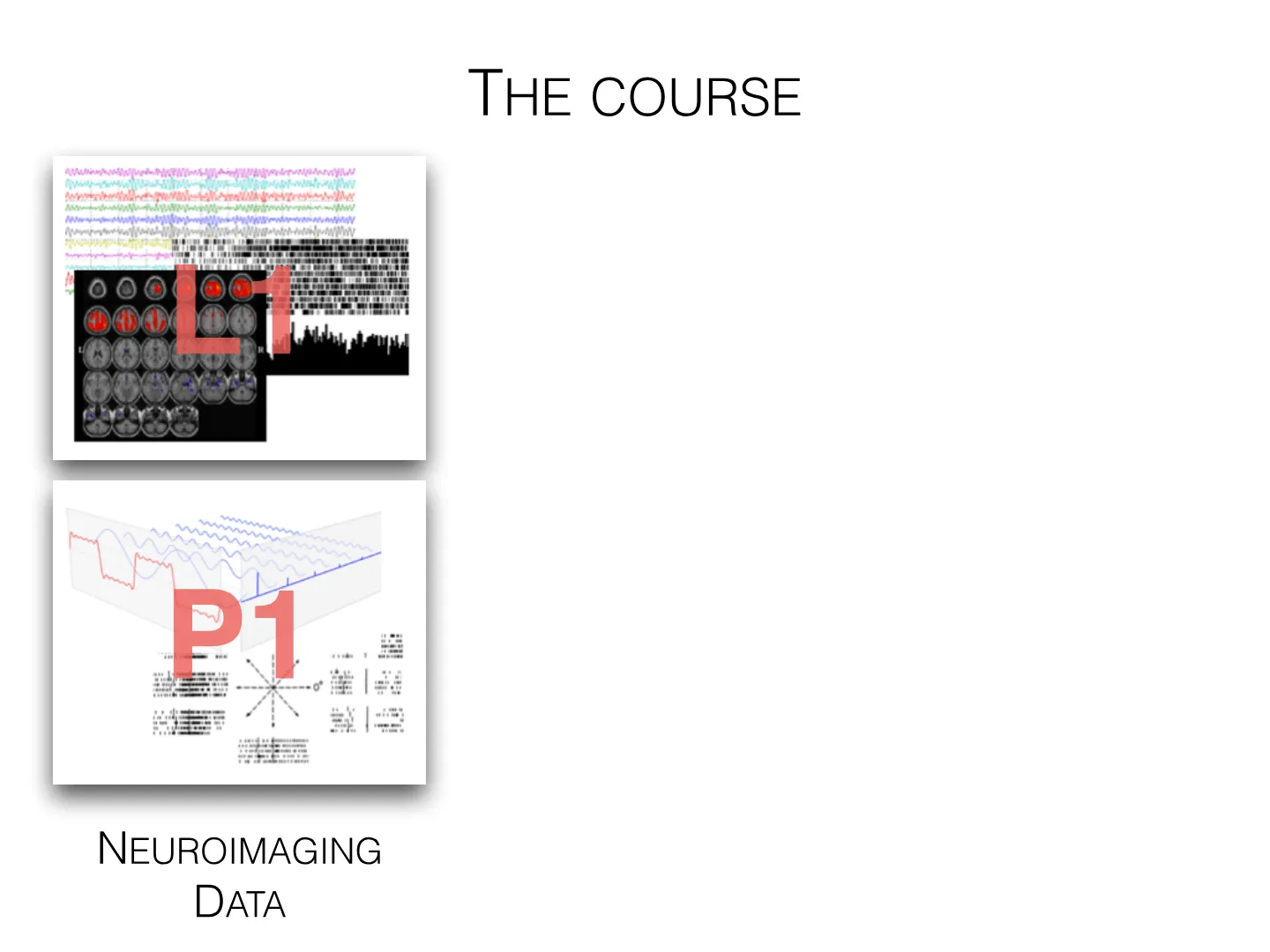
This is a two-lecture course about neuroimaging techniques used in Brain-Computer Interfaces and an example of applying machine learning to EEG data source for mental state classification.
Download PDF: Lecture 1 – Neuroimaging Techniques
Download PDF: Lecture 2 – Machine Learning on EEG